Hedge Funds Reveal Q4 Portfolios and Investment Trends
Written by Emily J. Thompson, Senior Investment Analyst
Updated: Feb 19 2026
0mins


Should l Buy AAL?
Source: Benzinga
- Shifting Investment Trends: The latest 13F filings reveal that the world's largest hedge funds are gradually exiting trades that performed well last year, pivoting towards hard assets, indicating a strategic adjustment in response to market uncertainties and inflation concerns.
- Gold and Oil Investments: Bridgewater has significantly increased its holdings in gold mining stocks as gold prices surpass $5,000 and oil prices rise above $65, highlighting hedge funds' focus on inflation risks and preference for traditional safe-haven assets.
- Fed Policy Expectations: Minutes from the Fed's meeting indicate increased discussions among officials about potential rate hikes, with markets pricing in a 93% chance of holding rates in March, which has led to more capital flowing into inflation hedge trades, reflecting cautious market sentiment regarding future economic conditions.
- Portfolio Diversification: Major investment funds are reducing their concentration in mega-cap tech stocks, suggesting that market participants are reassessing their portfolios to navigate potential economic volatility and policy shifts effectively.
Trade with 70% Backtested Accuracy
Stop guessing "Should I Buy AAL?" and start using high-conviction signals backed by rigorous historical data.
Sign up today to access powerful investing tools and make smarter, data-driven decisions.
Analyst Views on AAL
Wall Street analysts forecast AAL stock price to rise
15 Analyst Rating
7 Buy
7 Hold
1 Sell
Moderate Buy
Current: 12.780

Low
11.00
Averages
17.93
High
22.00
Current: 12.780
Low
11.00
Averages
17.93
High
22.00
About AAL
American Airlines Group Inc. is a holding company. Its primary business activity is the operation of a major network air carrier, providing scheduled air transportation for passengers and cargo through its hubs in Charlotte, Chicago, Dallas/Fort Worth, Los Angeles, Miami, New York, Philadelphia, Phoenix and Washington, D.C. and partner gateways, including in London, Doha, Madrid, Seattle/Tacoma, Sydney and Tokyo, among others. Together with its regional airline subsidiaries and third-party regional carriers operating as American Eagle. Its cargo division provides a wide range of freight and mail services, with facilities and interline connections available across the globe. It operates approximately 977 mainline aircraft supported by its regional airline subsidiaries and third-party regional carriers, which together operate an additional 585 regional aircraft. Its subsidiaries include American Airlines, Inc., Envoy Aviation Group Inc., PSA Airlines, Inc. and Piedmont Airlines, Inc.
About the author

Emily J. Thompson
Emily J. Thompson, a Chartered Financial Analyst (CFA) with 12 years in investment research, graduated with honors from the Wharton School. Specializing in industrial and technology stocks, she provides in-depth analysis for Intellectia’s earnings and market brief reports.
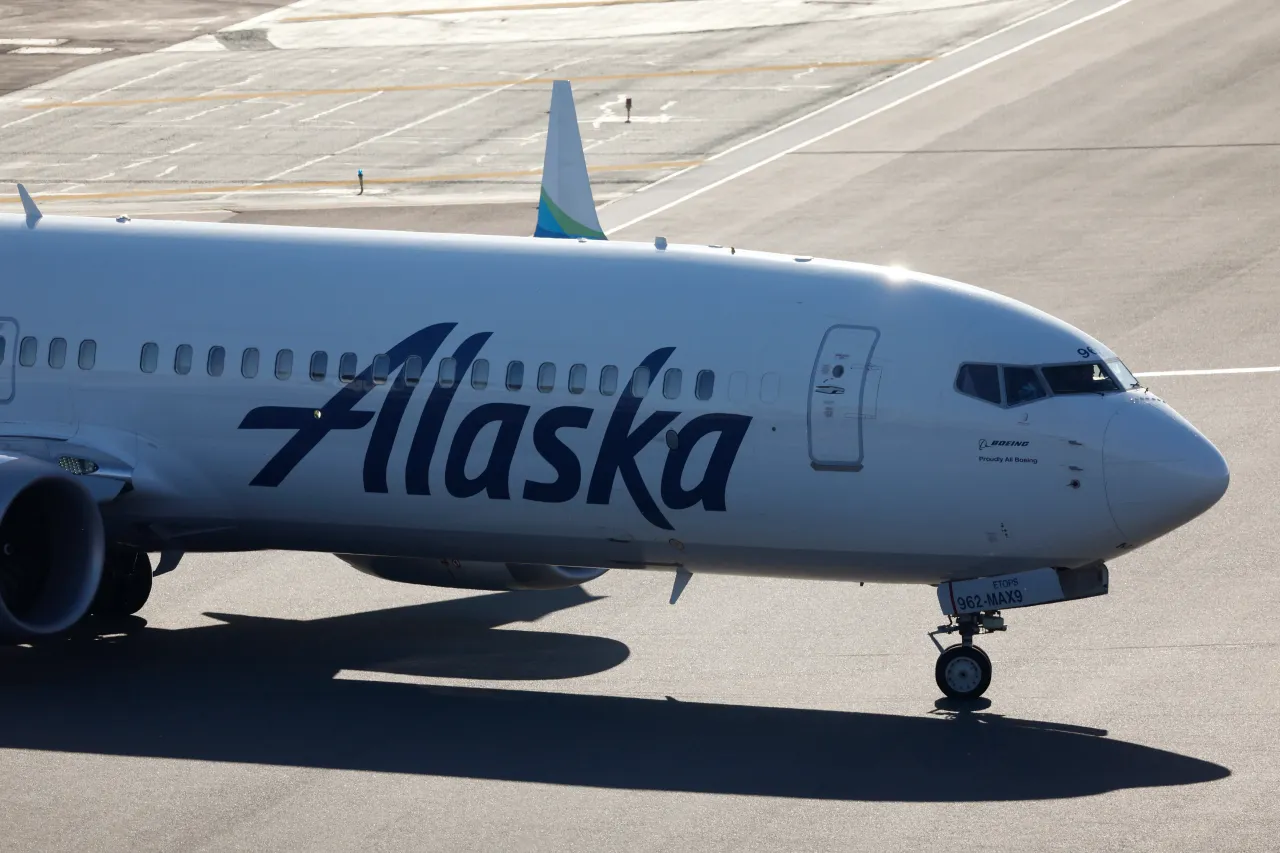
Alaska Air Misses Q1 Revenue and Profit Expectations

- Revenue and Profit Miss: Alaska Air reported Q1 2026 revenue of $3.3 billion, a 5% year-over-year increase that beat analyst expectations; however, soaring fuel costs, which jumped 17% to $796 million, led to a wider loss per share of $1.69, significantly exceeding market forecasts.
- Fuel Cost Pressure: The company anticipates an additional $600 million in fuel expenses for Q2 2026, projecting a loss per share of $1, much deeper than Wall Street's consensus of $0.15, indicating ongoing challenges in a high fuel price environment.
- Strong Market Demand: Despite robust demand in the U.S. airline industry, Alaska Air faces pressure from high fuel prices; data shows March 2026 air ticket sales reached $10.4 billion, a 12% increase from March 2025, reflecting overall market recovery.
- Lack of Full-Year Guidance: The airline has refrained from providing full-year revenue or profit guidance for 2026, citing limited visibility due to fuel price volatility, which underscores the uncertainty surrounding future earnings.
See More

Stock Markets Decline Amid Soaring Oil Prices and Geopolitical Tensions

- Oil Price Surge Impacts Markets: The S&P 500 index fell 0.24%, the Dow Jones Industrial Average dropped 0.01%, and the Nasdaq 100 index declined 0.31% on Monday as WTI crude prices surged over 6%, indicating market sensitivity to rising energy costs amid geopolitical tensions.
- Geopolitical Risks Escalate: The closure of the Strait of Hormuz by Iran has raised market concerns, especially following U.S. Navy actions against Iranian tankers, which could exacerbate global oil and fuel shortages, further unsettling investor sentiment.
- Earnings Season Continues: So far, 81% of the 48 S&P 500 companies that reported earnings exceeded expectations, with Q1 earnings projected to rise 12% year-over-year; however, excluding the tech sector, growth is only expected at 3%, highlighting signs of economic weakness.
- Airline Stocks Under Pressure: Airline stocks retreated as rising oil prices weighed on profits, with American Airlines and Alaska Air both down over 4%, reflecting the direct impact of fuel costs on company earnings and potential downward revisions in future profit expectations.
See More

U.S. Stocks Decline Amid Soaring Oil Prices

- Oil Price Surge Impacts Markets: The S&P 500 index fell 0.41%, the Dow Jones Industrial Average dropped 0.31%, and the Nasdaq 100 index declined 0.66% as WTI crude oil prices surged over 5%, indicating market sensitivity to rising energy costs amid doubts about peace talks regarding the Iran war.
- Geopolitical Risks Escalate: Iran's closure of the Strait of Hormuz has raised market concerns, especially following U.S. Navy actions against Iranian tankers, which could exacerbate global oil and fuel shortages, further increasing market uncertainty.
- Earnings Season Continues: So far, 81% of the 48 S&P 500 companies that reported earnings have beaten estimates, with Q1 earnings projected to rise 12% year-over-year; however, excluding the tech sector, the growth is only 3%, indicating signs of overall economic weakness.
- Airline Stocks Under Pressure: Airline and cruise line stocks are broadly down due to rising oil prices, with Norwegian Cruise Line Holdings down over 5% and American Airlines Group down over 4%, reflecting the negative impact of high fuel costs on company profits.
See More

Oil Price Surge Leads to Market Decline
- Market Decline: The S&P 500 index fell by 0.21%, the Dow Jones Industrial Average by 0.04%, and the Nasdaq 100 by 0.24%, indicating investor concerns over rising oil prices that could impact corporate earnings and overall market confidence.
- Oil Price Surge: WTI crude oil prices increased by over 5% due to the closure of the Strait of Hormuz following the US's refusal to lift its naval blockade on Iranian vessels, which could exacerbate global oil and fuel shortages and raise operational costs for affected industries.
- Earnings Expectations: So far, 81% of the 48 S&P 500 companies that reported earnings have exceeded estimates, with Q1 earnings projected to rise by 12% year-over-year; however, excluding the tech sector, growth is only expected to be 3%, indicating signs of an overall economic slowdown.
- Airline and Chip Stocks Under Pressure: Airline stocks are down due to rising fuel costs, with Norwegian Cruise Line Holdings falling over 6%, while chipmakers like Intel are also down more than 2%, reflecting the negative impact of high oil prices across multiple sectors.
See More

Midday Market Moves: Notable Stock Fluctuations

- Stanley Black & Decker Surge: Stanley Black & Decker's stock rose over 4% after the company stated that recent changes to Section 232 tariffs would not materially impact its full-year forecast, indicating strong confidence in its financial outlook.
- Fermi Stock Plunge: Shares of energy infrastructure developer Fermi fell more than 22% following the resignation of CFO Miles Everson and the recent departure of CEO Toby Neugebauer, raising concerns about the company's leadership stability and future direction.
- Biogen's Strategic Move: Biogen's stock increased nearly 3% after agreeing to pay $850 million for exclusive rights to sell felzartamab in China, which underscores its strategic expansion in the immune-related disease treatment market.
- Fertilizer Stocks Fluctuate: Fertilizer stocks experienced volatility as CF Industries rose nearly 2% due to ongoing shipping disruptions in the Strait of Hormuz, while Dow and LyondellBasell Industries also saw gains of about 4% and 2%, respectively, reflecting market reactions to supply chain challenges.
See More

American Airlines Rejects United Airlines Merger Proposal as Anti-Competitive


- Merger Proposal Rejected: American Airlines shares fell in pre-market trading on Monday after firmly rejecting United Airlines' merger proposal, citing significant antitrust hurdles that would give the combined entity a 40% domestic market share, negatively impacting competition.
- Regulatory Scrutiny Pressure: Legal experts suggest that a merger would face unprecedented scrutiny, as the 'Big Four' airlines already control 80% of U.S. capacity, potentially dominating key hubs like Chicago and Dallas by up to 70%.
- Strategic Shift Possible: Despite the rejection, United Airlines may pivot towards smaller acquisitions or asset divestitures to satisfy an administration favoring landmark deals while avoiding concerns over consumer pricing monopolies, thereby maintaining competitive positioning.
- Market Reaction: Following the merger proposal rejection, American Airlines' stock dropped 3.13% and United Airlines' stock fell 3.04%, reflecting market pessimism regarding the merger prospects and potentially influencing future strategic decisions for both companies.
See More
Alaska Air Misses Q1 Revenue and Profit Expectations
- Revenue and Profit Miss: Alaska Air reported Q1 2026 revenue of $3.3 billion, a 5% year-over-year increase that beat analyst expectations; however, soaring fuel costs, which jumped 17% to $796 million, led to a wider loss per share of $1.69, significantly exceeding market forecasts.
- Fuel Cost Pressure: The company anticipates an additional $600 million in fuel expenses for Q2 2026, projecting a loss per share of $1, much deeper than Wall Street's consensus of $0.15, indicating ongoing challenges in a high fuel price environment.
- Strong Market Demand: Despite robust demand in the U.S. airline industry, Alaska Air faces pressure from high fuel prices; data shows March 2026 air ticket sales reached $10.4 billion, a 12% increase from March 2025, reflecting overall market recovery.
- Lack of Full-Year Guidance: The airline has refrained from providing full-year revenue or profit guidance for 2026, citing limited visibility due to fuel price volatility, which underscores the uncertainty surrounding future earnings.
See More
Stock Markets Decline Amid Soaring Oil Prices and Geopolitical Tensions
- Oil Price Surge Impacts Markets: The S&P 500 index fell 0.24%, the Dow Jones Industrial Average dropped 0.01%, and the Nasdaq 100 index declined 0.31% on Monday as WTI crude prices surged over 6%, indicating market sensitivity to rising energy costs amid geopolitical tensions.
- Geopolitical Risks Escalate: The closure of the Strait of Hormuz by Iran has raised market concerns, especially following U.S. Navy actions against Iranian tankers, which could exacerbate global oil and fuel shortages, further unsettling investor sentiment.
- Earnings Season Continues: So far, 81% of the 48 S&P 500 companies that reported earnings exceeded expectations, with Q1 earnings projected to rise 12% year-over-year; however, excluding the tech sector, growth is only expected at 3%, highlighting signs of economic weakness.
- Airline Stocks Under Pressure: Airline stocks retreated as rising oil prices weighed on profits, with American Airlines and Alaska Air both down over 4%, reflecting the direct impact of fuel costs on company earnings and potential downward revisions in future profit expectations.
See More
U.S. Stocks Decline Amid Soaring Oil Prices
- Oil Price Surge Impacts Markets: The S&P 500 index fell 0.41%, the Dow Jones Industrial Average dropped 0.31%, and the Nasdaq 100 index declined 0.66% as WTI crude oil prices surged over 5%, indicating market sensitivity to rising energy costs amid doubts about peace talks regarding the Iran war.
- Geopolitical Risks Escalate: Iran's closure of the Strait of Hormuz has raised market concerns, especially following U.S. Navy actions against Iranian tankers, which could exacerbate global oil and fuel shortages, further increasing market uncertainty.
- Earnings Season Continues: So far, 81% of the 48 S&P 500 companies that reported earnings have beaten estimates, with Q1 earnings projected to rise 12% year-over-year; however, excluding the tech sector, the growth is only 3%, indicating signs of overall economic weakness.
- Airline Stocks Under Pressure: Airline and cruise line stocks are broadly down due to rising oil prices, with Norwegian Cruise Line Holdings down over 5% and American Airlines Group down over 4%, reflecting the negative impact of high fuel costs on company profits.
See More
Oil Price Surge Leads to Market Decline
- Market Decline: The S&P 500 index fell by 0.21%, the Dow Jones Industrial Average by 0.04%, and the Nasdaq 100 by 0.24%, indicating investor concerns over rising oil prices that could impact corporate earnings and overall market confidence.
- Oil Price Surge: WTI crude oil prices increased by over 5% due to the closure of the Strait of Hormuz following the US's refusal to lift its naval blockade on Iranian vessels, which could exacerbate global oil and fuel shortages and raise operational costs for affected industries.
- Earnings Expectations: So far, 81% of the 48 S&P 500 companies that reported earnings have exceeded estimates, with Q1 earnings projected to rise by 12% year-over-year; however, excluding the tech sector, growth is only expected to be 3%, indicating signs of an overall economic slowdown.
- Airline and Chip Stocks Under Pressure: Airline stocks are down due to rising fuel costs, with Norwegian Cruise Line Holdings falling over 6%, while chipmakers like Intel are also down more than 2%, reflecting the negative impact of high oil prices across multiple sectors.
See More
Midday Market Moves: Notable Stock Fluctuations
- Stanley Black & Decker Surge: Stanley Black & Decker's stock rose over 4% after the company stated that recent changes to Section 232 tariffs would not materially impact its full-year forecast, indicating strong confidence in its financial outlook.
- Fermi Stock Plunge: Shares of energy infrastructure developer Fermi fell more than 22% following the resignation of CFO Miles Everson and the recent departure of CEO Toby Neugebauer, raising concerns about the company's leadership stability and future direction.
- Biogen's Strategic Move: Biogen's stock increased nearly 3% after agreeing to pay $850 million for exclusive rights to sell felzartamab in China, which underscores its strategic expansion in the immune-related disease treatment market.
- Fertilizer Stocks Fluctuate: Fertilizer stocks experienced volatility as CF Industries rose nearly 2% due to ongoing shipping disruptions in the Strait of Hormuz, while Dow and LyondellBasell Industries also saw gains of about 4% and 2%, respectively, reflecting market reactions to supply chain challenges.
See More
American Airlines Rejects United Airlines Merger Proposal as Anti-Competitive
- Merger Proposal Rejected: American Airlines shares fell in pre-market trading on Monday after firmly rejecting United Airlines' merger proposal, citing significant antitrust hurdles that would give the combined entity a 40% domestic market share, negatively impacting competition.
- Regulatory Scrutiny Pressure: Legal experts suggest that a merger would face unprecedented scrutiny, as the 'Big Four' airlines already control 80% of U.S. capacity, potentially dominating key hubs like Chicago and Dallas by up to 70%.
- Strategic Shift Possible: Despite the rejection, United Airlines may pivot towards smaller acquisitions or asset divestitures to satisfy an administration favoring landmark deals while avoiding concerns over consumer pricing monopolies, thereby maintaining competitive positioning.
- Market Reaction: Following the merger proposal rejection, American Airlines' stock dropped 3.13% and United Airlines' stock fell 3.04%, reflecting market pessimism regarding the merger prospects and potentially influencing future strategic decisions for both companies.
See More