GXO Logistics (GXO) Soars 12.1%: Is Further Upside Left in the Stock?
Written by Emily J. Thompson, Senior Investment Analyst
Updated: Jun 23 2025
0mins

Should l Buy FDX?
Source: NASDAQ.COM
GXO Logistics Stock Performance: GXO Logistics shares surged 12.1% after announcing Patrick Kelleher as the new CEO, with expectations of quarterly earnings at $0.50 per share and revenues projected to rise by 8.1% year-over-year.
FedEx Update: FedEx's stock increased by 1.2%, but its EPS estimate for the upcoming report has decreased by 1.3%. The company currently holds a Zacks Rank of #4 (Sell).
Trade with 70% Backtested Accuracy
Stop guessing "Should I Buy FDX?" and start using high-conviction signals backed by rigorous historical data.
Sign up today to access powerful investing tools and make smarter, data-driven decisions.
Analyst Views on FDX
Wall Street analysts forecast FDX stock price to fall
20 Analyst Rating
13 Buy
6 Hold
1 Sell
Moderate Buy
Current: 341.760

Low
210.00
Averages
315.05
High
365.00
Current: 341.760
Low
210.00
Averages
315.05
High
365.00
About FDX
FedEx Corporation provides customers and businesses with a portfolio of transportation, e-commerce, and business services. The Company offers integrated business solutions utilizing its flexible and efficient global network. Its segments include Federal Express, FedEx Freight, and Corporate, other, and eliminations. Federal Express segment includes express transportation, small-package ground delivery, and freight transportation, and it also operates combined sales, marketing, administrative, and information-technology functions in shared service operations for United States customers. FedEx Freight segment includes FedEx Freight (LTL freight transportation) and FedEx Custom Critical (time-critical transportation). Corporate, other, and elimination segments include FedEx Dataworks, Inc. (FedEx Dataworks), FedEx Office and Print Services, Inc. (FedEx Office), and FedEx Logistics, Inc. (FedEx Logistics). FedEx Logistics offers customs brokerage, specialty transportation, and others.
About the author

Emily J. Thompson
Emily J. Thompson, a Chartered Financial Analyst (CFA) with 12 years in investment research, graduated with honors from the Wharton School. Specializing in industrial and technology stocks, she provides in-depth analysis for Intellectia’s earnings and market brief reports.
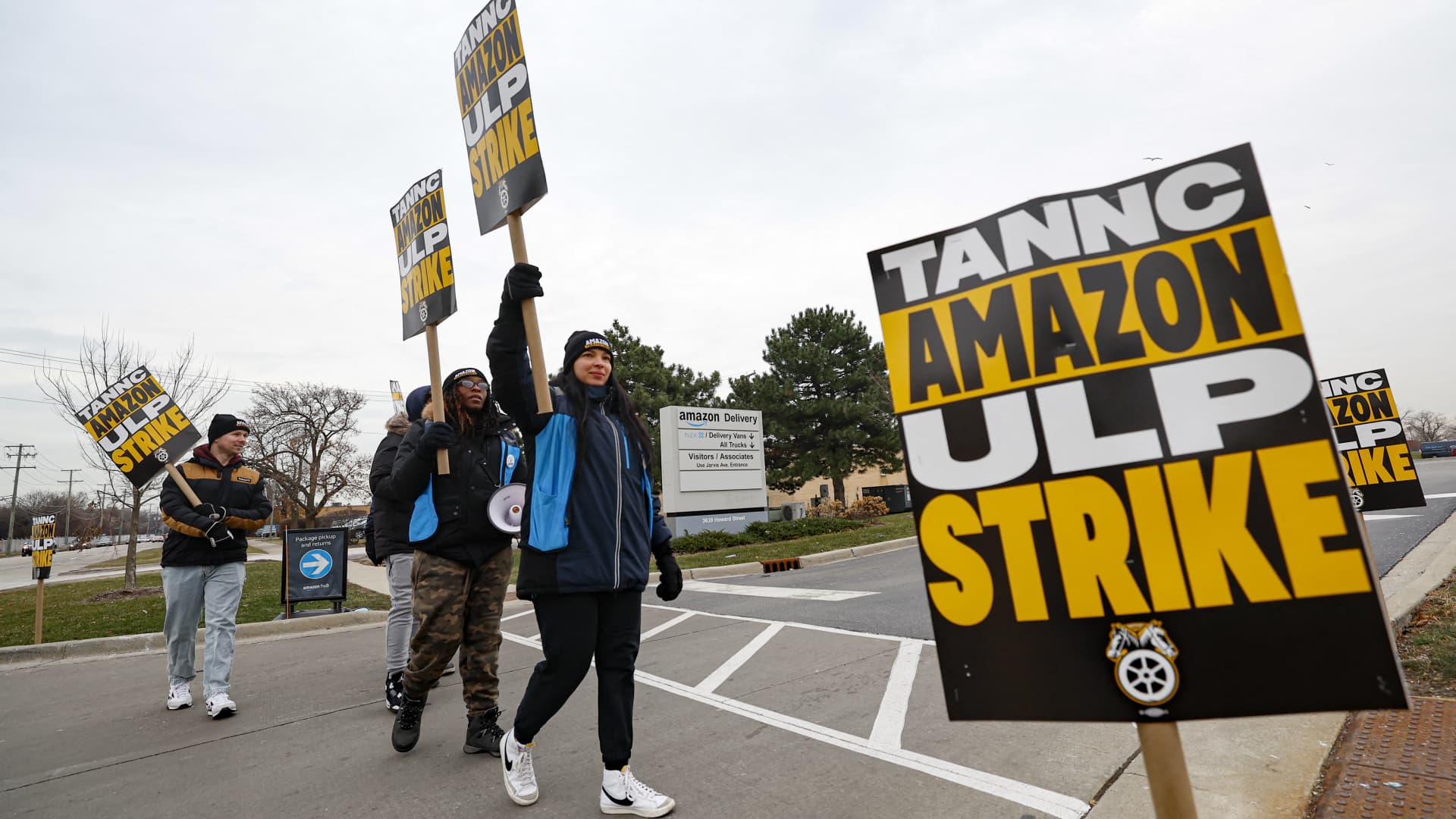
Amazon Settles with Labor Union Over Strike Policies


- Worker Rights Protection: Amazon has settled with federal labor officials, pledging not to retaliate against employees who strike and restoring unpaid time off for over 100 workers that was illegally docked, ensuring future strikes won't result in loss of unpaid leave.
- Union Support: The International Brotherhood of Teamsters stated that this settlement strengthens protections for Amazon workers during future strikes, reflecting the union's ongoing efforts to advocate for employee rights, despite Amazon's denial of the union's claimed representation numbers.
- Policy Scrutiny Pressure: The National Labor Relations Board (NLRB) accused Amazon of maintaining an overly broad attendance policy that threatens employees with termination for striking, highlighting the extensive scrutiny and legal challenges the company faces regarding its labor practices.
- Transparency in Information: As part of the settlement, Amazon will post notices in employee break rooms across all 1,300 facilities nationwide, informing workers of their rights to organize and the terms of the settlement, aiming to enhance employee awareness of their rights and promote a better working environment.
See More
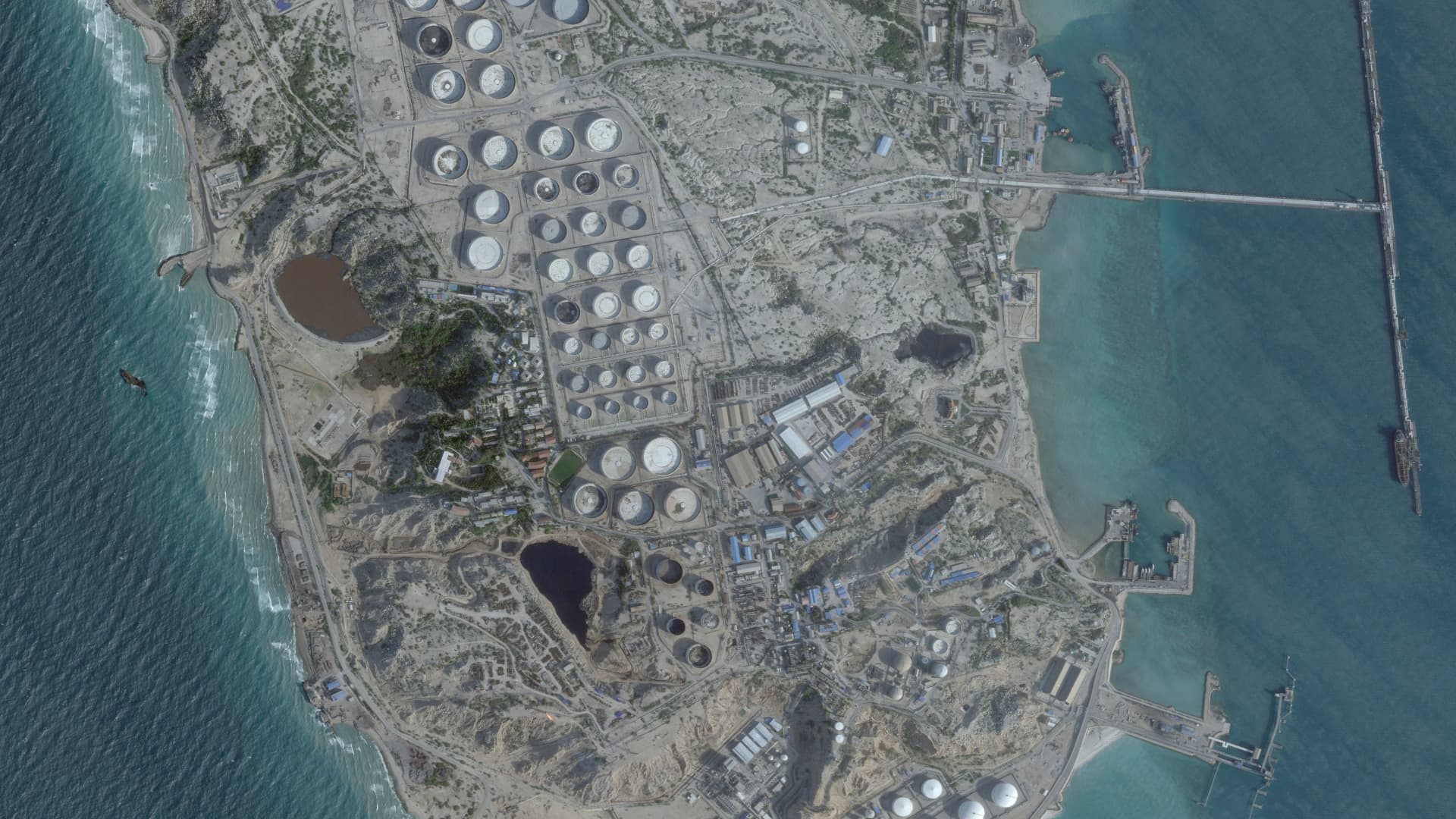
Trump's Intent to Seize Iran's Oil Market Raises Concerns

- Cautious Market Reaction: Trump's declaration of wanting to 'take Iran's oil' while suggesting a 'peace deal could be made fairly quickly' has left markets feeling uneasy, leading investors to adopt a risk-averse stance as Asia-Pacific markets fell sharply on Monday.
- Military Deployment Escalation: The Pentagon is reportedly preparing for weeks of ground operations in Iran, with thousands of American soldiers and Marines arriving in the Middle East, raising concerns about an escalation in the Iran conflict that could disrupt global supply chains and increase prices.
- Rising Oil Price Pressure: Oil prices are climbing again as the conflict intensifies, particularly after Yemen's Iran-backed Houthis fired missiles at Israel, heightening fears over energy supply disruptions that could impact the global economy.
- Shipping Route Risks: The Strait of Hormuz, a vital shipping route, is being impeded by the ongoing war, with industry leaders warning that if it does not reopen by mid-April, supply disruptions could worsen significantly, affecting operations across various sectors.
See More
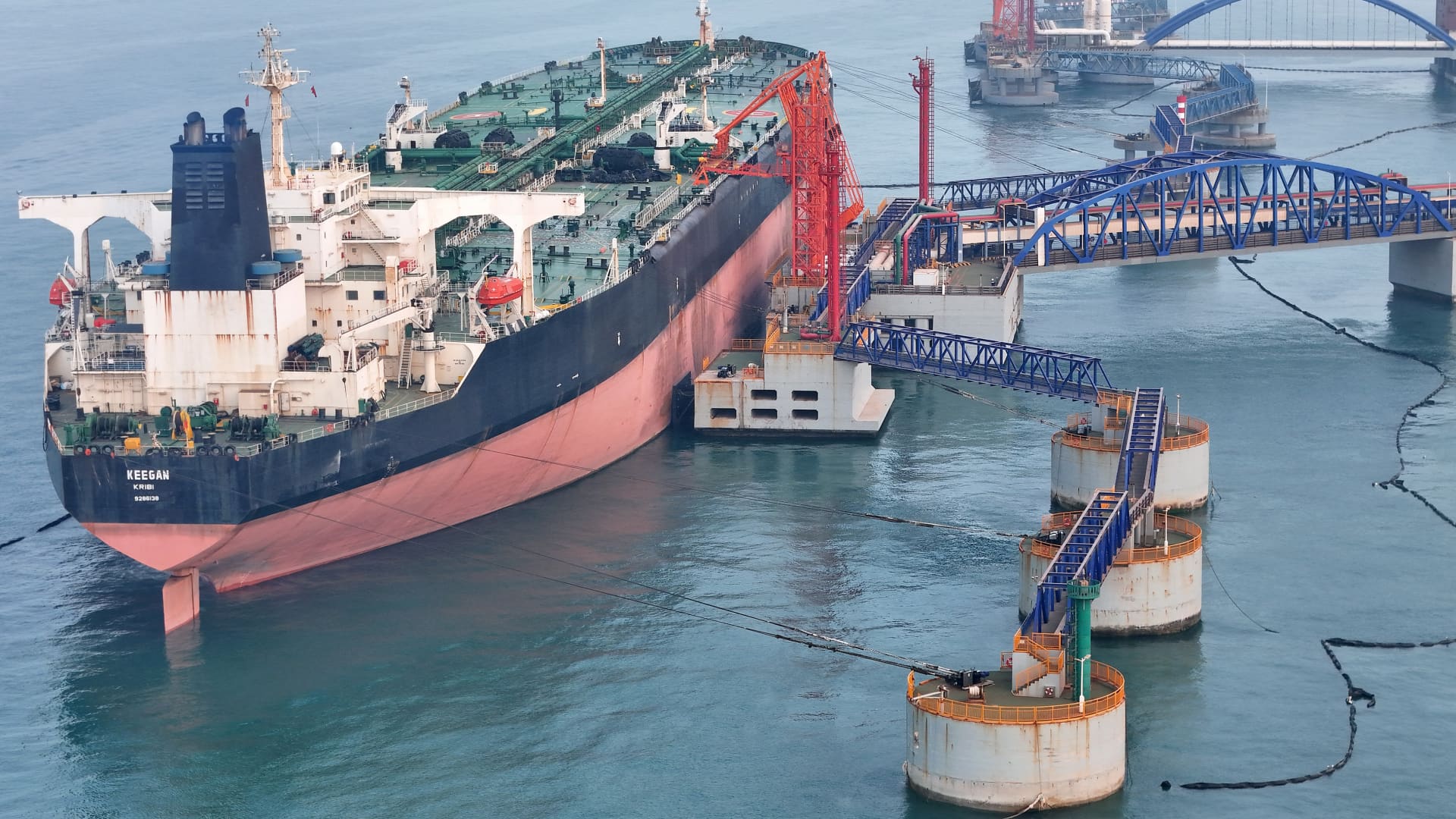
Escalating Impact of Iran War on Oil Markets

- Surge in Oil Prices: U.S. crude prices have surged over 50% since late February, with Brent up more than 55%, indicating that market concerns over the Iran war are escalating and could lead to greater disruptions in global supply chains.
- Ground Operation Preparations: The Pentagon is preparing for weeks of ground operations in Iran, with thousands of American soldiers and Marines arriving in the Middle East, which could exacerbate market uncertainty and impact oil prices.
- Strait of Hormuz Risks: Industry leaders warn that the vital shipping route of the Strait of Hormuz must reopen by mid-April, or supply disruptions could worsen significantly, further driving up oil prices.
- Market Reaction Fatigue: Following reports of potential ground operations, U.S. equity futures fell on Sunday evening, and Asia-Pacific markets also declined at Monday's open, reflecting investor fatigue over the conflict's headlines and concerns about the future.
See More

U.S. Consumers Face Economic Impact from Soaring Oil Prices


- Surging Oil Prices: The blockage of the Strait of Hormuz has caused Brent crude oil's May contract to surge over 55% in March, marking the largest monthly gain since 1998, leading to economic pressures on U.S. consumers in areas like travel and mail delivery.
- Postal Service Adjustments: The U.S. Postal Service plans to implement an 8% temporary fuel surcharge on packages and express mail starting in late April, lasting until 2027, to cover rising operational costs, although this measure requires regulatory approval.
- Airline Response: United Airlines intends to cut back on some lower-profit flights and anticipates oil prices reaching $175 per barrel, which could increase its fuel costs by $11 billion, more than double its previous highest profits, resulting in higher ticket prices for travelers.
- Declining Consumer Confidence: According to the University of Michigan's survey, the consumer confidence index fell nearly 6% in March to a historic low, indicating worsening economic expectations due to the war and rising inflation concerns among consumers.
See More

U.S. Consumers Face Impact of Soaring Oil Prices

- Surging Oil Prices: The blockage of the Strait of Hormuz has led to a more than 55% increase in Brent crude's May contract in March, marking the largest monthly gain since 1998, which is causing economic strain on U.S. consumers in areas like travel and mail delivery.
- Postal Service Adjustments: The U.S. Postal Service plans to implement a temporary 8% fuel surcharge starting in late April, lasting until 2027, aimed at covering business costs, although this fee is lower than those imposed by competitors.
- Airline Responses: United Airlines anticipates oil prices reaching $175 per barrel and plans to cut back on some lower-profit flights, with the CEO stating that rising fuel costs could increase the company's fuel bill by $11 billion, more than double its profits in peak years.
- Declining Consumer Confidence: According to the University of Michigan's survey, the consumer confidence index fell nearly 6% in March to one of its lowest levels on record, reflecting the negative economic impact of war and rising inflation concerns.
See More

Energy Sector Earnings Outlook Improves Amid Oil Price Uncertainty


- Energy Sector Earnings Growth: The Zacks Energy sector is projected to achieve a 0.9% earnings growth in Q1 2026, a significant turnaround from the -1.9% decline expected in early January, indicating a recovery in profitability despite its share of S&P 500 earnings dropping from 13% in 2011 to 4.5% in 2025.
- Overall Market Earnings Expectations: Total S&P 500 earnings for Q1 2026 are expected to increase by 13% year-over-year, with revenues rising by 8.9%, suggesting that despite oil price fluctuations, the overall market maintains a strong growth trend, reflecting positive revisions across multiple sectors.
- Impact on Consumer Spending: While high oil prices exert pressure on the U.S. economy by reducing household spending, the U.S. benefits from being a major oil producer, resulting in a lesser impact compared to countries reliant on imports, such as Japan and Germany, which could play a crucial role in future economic recovery.
- Market Volatility and Outlook: Despite the market volatility stemming from Middle Eastern developments, analysts believe that as long as energy markets stabilize, the earnings expectations for 2026 remain achievable, particularly with the ongoing positive revision trend in the energy sector.
See More
Amazon Settles with Labor Union Over Strike Policies
- Worker Rights Protection: Amazon has settled with federal labor officials, pledging not to retaliate against employees who strike and restoring unpaid time off for over 100 workers that was illegally docked, ensuring future strikes won't result in loss of unpaid leave.
- Union Support: The International Brotherhood of Teamsters stated that this settlement strengthens protections for Amazon workers during future strikes, reflecting the union's ongoing efforts to advocate for employee rights, despite Amazon's denial of the union's claimed representation numbers.
- Policy Scrutiny Pressure: The National Labor Relations Board (NLRB) accused Amazon of maintaining an overly broad attendance policy that threatens employees with termination for striking, highlighting the extensive scrutiny and legal challenges the company faces regarding its labor practices.
- Transparency in Information: As part of the settlement, Amazon will post notices in employee break rooms across all 1,300 facilities nationwide, informing workers of their rights to organize and the terms of the settlement, aiming to enhance employee awareness of their rights and promote a better working environment.
See More
Trump's Intent to Seize Iran's Oil Market Raises Concerns
- Cautious Market Reaction: Trump's declaration of wanting to 'take Iran's oil' while suggesting a 'peace deal could be made fairly quickly' has left markets feeling uneasy, leading investors to adopt a risk-averse stance as Asia-Pacific markets fell sharply on Monday.
- Military Deployment Escalation: The Pentagon is reportedly preparing for weeks of ground operations in Iran, with thousands of American soldiers and Marines arriving in the Middle East, raising concerns about an escalation in the Iran conflict that could disrupt global supply chains and increase prices.
- Rising Oil Price Pressure: Oil prices are climbing again as the conflict intensifies, particularly after Yemen's Iran-backed Houthis fired missiles at Israel, heightening fears over energy supply disruptions that could impact the global economy.
- Shipping Route Risks: The Strait of Hormuz, a vital shipping route, is being impeded by the ongoing war, with industry leaders warning that if it does not reopen by mid-April, supply disruptions could worsen significantly, affecting operations across various sectors.
See More
Escalating Impact of Iran War on Oil Markets
- Surge in Oil Prices: U.S. crude prices have surged over 50% since late February, with Brent up more than 55%, indicating that market concerns over the Iran war are escalating and could lead to greater disruptions in global supply chains.
- Ground Operation Preparations: The Pentagon is preparing for weeks of ground operations in Iran, with thousands of American soldiers and Marines arriving in the Middle East, which could exacerbate market uncertainty and impact oil prices.
- Strait of Hormuz Risks: Industry leaders warn that the vital shipping route of the Strait of Hormuz must reopen by mid-April, or supply disruptions could worsen significantly, further driving up oil prices.
- Market Reaction Fatigue: Following reports of potential ground operations, U.S. equity futures fell on Sunday evening, and Asia-Pacific markets also declined at Monday's open, reflecting investor fatigue over the conflict's headlines and concerns about the future.
See More
U.S. Consumers Face Economic Impact from Soaring Oil Prices
- Surging Oil Prices: The blockage of the Strait of Hormuz has caused Brent crude oil's May contract to surge over 55% in March, marking the largest monthly gain since 1998, leading to economic pressures on U.S. consumers in areas like travel and mail delivery.
- Postal Service Adjustments: The U.S. Postal Service plans to implement an 8% temporary fuel surcharge on packages and express mail starting in late April, lasting until 2027, to cover rising operational costs, although this measure requires regulatory approval.
- Airline Response: United Airlines intends to cut back on some lower-profit flights and anticipates oil prices reaching $175 per barrel, which could increase its fuel costs by $11 billion, more than double its previous highest profits, resulting in higher ticket prices for travelers.
- Declining Consumer Confidence: According to the University of Michigan's survey, the consumer confidence index fell nearly 6% in March to a historic low, indicating worsening economic expectations due to the war and rising inflation concerns among consumers.
See More
U.S. Consumers Face Impact of Soaring Oil Prices
- Surging Oil Prices: The blockage of the Strait of Hormuz has led to a more than 55% increase in Brent crude's May contract in March, marking the largest monthly gain since 1998, which is causing economic strain on U.S. consumers in areas like travel and mail delivery.
- Postal Service Adjustments: The U.S. Postal Service plans to implement a temporary 8% fuel surcharge starting in late April, lasting until 2027, aimed at covering business costs, although this fee is lower than those imposed by competitors.
- Airline Responses: United Airlines anticipates oil prices reaching $175 per barrel and plans to cut back on some lower-profit flights, with the CEO stating that rising fuel costs could increase the company's fuel bill by $11 billion, more than double its profits in peak years.
- Declining Consumer Confidence: According to the University of Michigan's survey, the consumer confidence index fell nearly 6% in March to one of its lowest levels on record, reflecting the negative economic impact of war and rising inflation concerns.
See More
Energy Sector Earnings Outlook Improves Amid Oil Price Uncertainty
- Energy Sector Earnings Growth: The Zacks Energy sector is projected to achieve a 0.9% earnings growth in Q1 2026, a significant turnaround from the -1.9% decline expected in early January, indicating a recovery in profitability despite its share of S&P 500 earnings dropping from 13% in 2011 to 4.5% in 2025.
- Overall Market Earnings Expectations: Total S&P 500 earnings for Q1 2026 are expected to increase by 13% year-over-year, with revenues rising by 8.9%, suggesting that despite oil price fluctuations, the overall market maintains a strong growth trend, reflecting positive revisions across multiple sectors.
- Impact on Consumer Spending: While high oil prices exert pressure on the U.S. economy by reducing household spending, the U.S. benefits from being a major oil producer, resulting in a lesser impact compared to countries reliant on imports, such as Japan and Germany, which could play a crucial role in future economic recovery.
- Market Volatility and Outlook: Despite the market volatility stemming from Middle Eastern developments, analysts believe that as long as energy markets stabilize, the earnings expectations for 2026 remain achievable, particularly with the ongoing positive revision trend in the energy sector.
See More