Fluor Shifts to Reimbursable Contracts, Enhances Business Quality
- Contract Model Shift: Fluor is transitioning from fixed-price contracts to reimbursable contracts, with 81% of its $25.5 billion backlog expected to be reimbursable by the end of 2025, effectively transferring budget overruns to clients and enhancing financial stability.
- Successful Capital Raising: The company has raised $1.35 billion from selling NuScale Power stock and plans to sell an additional 40 million shares, with proceeds earmarked for share repurchases, thereby strengthening future earnings potential and demonstrating financial agility.
- Market Performance Analysis: Although Fluor's stock has doubled in the past five years, the cyclical nature of the construction industry means that economic downturns could delay or cancel large projects, necessitating careful risk-reward assessment by investors.
- Long-Term Outlook: With its repositioning, Fluor is better equipped to navigate industry downturns, and the funds from the NuScale sale not only bolster financial strength but also provide capital for potential acquisitions, reflecting strategic flexibility in uncertain market conditions.
Trade with 70% Backtested Accuracy
Analyst Views on FLR

About FLR
About the author


Is NuScale's Decline the Definitive Contrarian Move in AI?


Current Market Sentiment: NuScale Power's shares are trading at a 52-week low due to disappointing earnings and legal challenges, leading to significant market distress and uncertainty among investors.
Long-Term Opportunities: Despite short-term operational hurdles, NuScale is positioned to capitalize on the growing demand for clean, reliable power, particularly in the context of the AI revolution, which is expected to drive energy needs significantly.
Financial Stability: NuScale maintains a solid balance sheet with a favorable ratio of liquid assets to liabilities, providing a multi-year operational runway that supports its growth and strategic goals without needing to raise capital under unfavorable conditions.
Regulatory Advantages: The company has received exclusive regulatory design certification from the U.S. Nuclear Regulatory Commission, positioning it as a leading provider for small modular reactors in the U.S. market, which could enhance its competitive edge in the energy sector.

NuScale Power Shares Plummet Amid Red Flags
- Stock Price Collapse: NuScale Power's shares have plummeted over 80% from above $50 last fall to the current price of $10.99, significantly undermining investor confidence and likely prompting many to adopt a wait-and-see approach rather than investing now.
- Market Capitalization Risks: With a market cap of $3.7 billion, NuScale faces increasing shareholder dilution risks, especially as the company seeks to double its authorized share count, which could further diminish existing shareholders' returns.
- Slow Commercialization Progress: Although NuScale has received certification from the U.S. Nuclear Regulatory Commission, its commercialization efforts remain incomplete, and the company is burning cash at an accelerating rate, creating uncertainty around its future profitability and market competitiveness.
- Intensifying Competition: As better-capitalized SMR companies emerge, NuScale risks losing market share, compounded by the fact that its major investor, Fluor, has begun selling off its stake, raising further concerns about the company's future prospects.

NuScale Power Shares Plunge 80% Amid Concerns
- Significant Stock Decline: NuScale Power's shares have plummeted from over $50 last fall to just above $10 today, representing an 80% drop, indicating a substantial loss of investor confidence in its growth potential and necessitating careful evaluation of its investment appeal.
- Delayed Commercialization: Although NuScale has received certification from the U.S. Nuclear Regulatory Commission for its small modular reactor design, it has yet to fully enter the commercialization phase, and its partnership with Entra1 Energy has not significantly advanced market deployment, raising concerns about its future profitability.
- Shareholder Dilution Risk: The recent application to double its authorized share count poses a significant risk of shareholder dilution, and while there is optimism about the potential for a 5x to 10x increase in market cap, actual returns for shareholders may be adversely affected by this dilution.
- Intensifying Competition and Funding Issues: As better-capitalized small modular reactor companies emerge, NuScale faces increasing competitive pressure, compounded by its accelerating cash burn rate, leaving uncertainty about whether it will need to raise additional funds to support expansion and cover initial losses.

Iran and the Federal Reserve Remain Concerns: These Stocks May Alleviate Investor Anxiety.


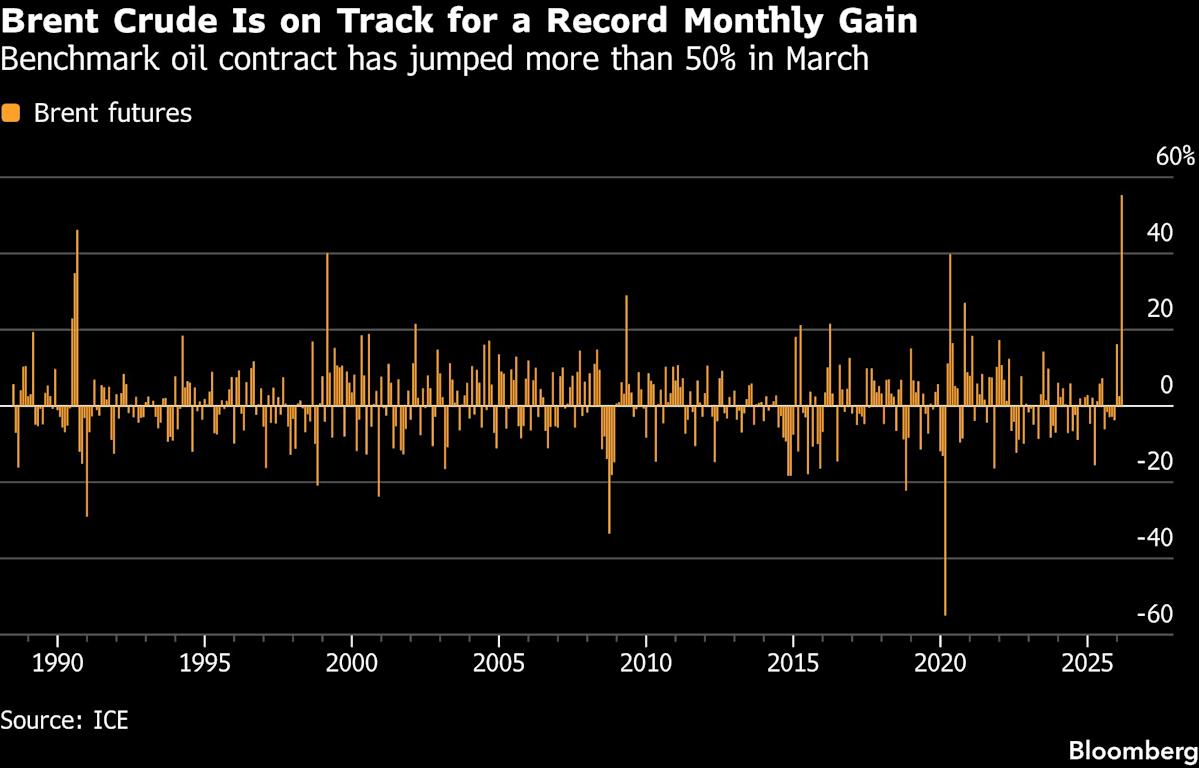
- Impact of War on Monetary Policy: Federal Reserve rate cuts are being influenced by the ongoing war with Iran, leading to rising oil prices.
- Investment Strategy: Investors are advised to seek stocks that can perform well even if the Federal Reserve maintains current interest rates.

7 Stocks, Including Airbnb, to Consider Buying That Can Succeed Even if Interest Rates Remain High
Impact of War on Monetary Policy: The ongoing conflict with Iran has influenced the Federal Reserve's decision-making, leading to a halt in rate cuts.
Rising Oil Prices: The war has contributed to an increase in oil prices, affecting economic conditions and investor sentiment.
Investment Strategy: Investors are advised to seek stocks that can perform well even in a stable interest rate environment.
Market Outlook: The current economic climate suggests a need for strategic investment choices amidst geopolitical tensions and fluctuating oil prices.

Fluor Corporation Faces Growth Challenges Amidst Increased Attention
- Nuclear Facility Expertise: Fluor Corporation has gained attention for its capabilities in building nuclear power facilities, while its infrastructure construction expertise is increasingly significant in the proliferation of AI data centers.
- Slow Industry Growth: Despite McKinsey's forecast of a long-term average growth rate of about 5% for the engineering and construction industry, Fluor's single-digit growth fails to meet investor expectations for high returns.
- Rising Material Costs: The soaring costs of building materials and a shortage of qualified construction workers are expected to constrain Fluor and its peers for the foreseeable future, with cold rolled steel prices stabilizing at twice their pre-pandemic levels.
- Labor Shortage Issues: According to industry advocates, Fluor faces a shortage of nearly 350,000 workers this year, projected to rise to 456,000 by 2027, further impacting the company's growth potential.
Is NuScale's Decline the Definitive Contrarian Move in AI?
Current Market Sentiment: NuScale Power's shares are trading at a 52-week low due to disappointing earnings and legal challenges, leading to significant market distress and uncertainty among investors.
Long-Term Opportunities: Despite short-term operational hurdles, NuScale is positioned to capitalize on the growing demand for clean, reliable power, particularly in the context of the AI revolution, which is expected to drive energy needs significantly.
Financial Stability: NuScale maintains a solid balance sheet with a favorable ratio of liquid assets to liabilities, providing a multi-year operational runway that supports its growth and strategic goals without needing to raise capital under unfavorable conditions.
Regulatory Advantages: The company has received exclusive regulatory design certification from the U.S. Nuclear Regulatory Commission, positioning it as a leading provider for small modular reactors in the U.S. market, which could enhance its competitive edge in the energy sector.
NuScale Power Shares Plummet Amid Red Flags
- Stock Price Collapse: NuScale Power's shares have plummeted over 80% from above $50 last fall to the current price of $10.99, significantly undermining investor confidence and likely prompting many to adopt a wait-and-see approach rather than investing now.
- Market Capitalization Risks: With a market cap of $3.7 billion, NuScale faces increasing shareholder dilution risks, especially as the company seeks to double its authorized share count, which could further diminish existing shareholders' returns.
- Slow Commercialization Progress: Although NuScale has received certification from the U.S. Nuclear Regulatory Commission, its commercialization efforts remain incomplete, and the company is burning cash at an accelerating rate, creating uncertainty around its future profitability and market competitiveness.
- Intensifying Competition: As better-capitalized SMR companies emerge, NuScale risks losing market share, compounded by the fact that its major investor, Fluor, has begun selling off its stake, raising further concerns about the company's future prospects.
NuScale Power Shares Plunge 80% Amid Concerns
- Significant Stock Decline: NuScale Power's shares have plummeted from over $50 last fall to just above $10 today, representing an 80% drop, indicating a substantial loss of investor confidence in its growth potential and necessitating careful evaluation of its investment appeal.
- Delayed Commercialization: Although NuScale has received certification from the U.S. Nuclear Regulatory Commission for its small modular reactor design, it has yet to fully enter the commercialization phase, and its partnership with Entra1 Energy has not significantly advanced market deployment, raising concerns about its future profitability.
- Shareholder Dilution Risk: The recent application to double its authorized share count poses a significant risk of shareholder dilution, and while there is optimism about the potential for a 5x to 10x increase in market cap, actual returns for shareholders may be adversely affected by this dilution.
- Intensifying Competition and Funding Issues: As better-capitalized small modular reactor companies emerge, NuScale faces increasing competitive pressure, compounded by its accelerating cash burn rate, leaving uncertainty about whether it will need to raise additional funds to support expansion and cover initial losses.
Iran and the Federal Reserve Remain Concerns: These Stocks May Alleviate Investor Anxiety.
- Impact of War on Monetary Policy: Federal Reserve rate cuts are being influenced by the ongoing war with Iran, leading to rising oil prices.
- Investment Strategy: Investors are advised to seek stocks that can perform well even if the Federal Reserve maintains current interest rates.
7 Stocks, Including Airbnb, to Consider Buying That Can Succeed Even if Interest Rates Remain High
Impact of War on Monetary Policy: The ongoing conflict with Iran has influenced the Federal Reserve's decision-making, leading to a halt in rate cuts.
Rising Oil Prices: The war has contributed to an increase in oil prices, affecting economic conditions and investor sentiment.
Investment Strategy: Investors are advised to seek stocks that can perform well even in a stable interest rate environment.
Market Outlook: The current economic climate suggests a need for strategic investment choices amidst geopolitical tensions and fluctuating oil prices.
Fluor Corporation Faces Growth Challenges Amidst Increased Attention
- Nuclear Facility Expertise: Fluor Corporation has gained attention for its capabilities in building nuclear power facilities, while its infrastructure construction expertise is increasingly significant in the proliferation of AI data centers.
- Slow Industry Growth: Despite McKinsey's forecast of a long-term average growth rate of about 5% for the engineering and construction industry, Fluor's single-digit growth fails to meet investor expectations for high returns.
- Rising Material Costs: The soaring costs of building materials and a shortage of qualified construction workers are expected to constrain Fluor and its peers for the foreseeable future, with cold rolled steel prices stabilizing at twice their pre-pandemic levels.
- Labor Shortage Issues: According to industry advocates, Fluor faces a shortage of nearly 350,000 workers this year, projected to rise to 456,000 by 2027, further impacting the company's growth potential.