Financial Stocks Struggle, Consumer Finance Takes Major Hit
Written by Emily J. Thompson, Senior Investment Analyst
Updated: Mar 27 2026
0mins

Source: Fool
- Consumer Finance Decline: Year-to-date, consumer finance stocks have plummeted by 21%, with Robinhood, Affirm, and SoFi down 39%, 40%, and 38% respectively, reflecting investor concerns over economic slowdown and rising credit risks, leading to a valuation correction for these previously high-performing stocks in 2025.
- Payment Processor Advantage: Visa and Mastercard, as the largest payment processors in the U.S., account for 76% of credit card transaction volume and 69% of cards in circulation, and due to their lack of credit risk exposure, they maintain stable cash flows during economic downturns, with expectations of double-digit earnings growth in 2026.
- Market Dominance: S&P Global and Moody's control 80% of the credit rating market, and with its strong positions in market intelligence and indexing, S&P Global has historically performed well under various market conditions, with a projected 5% increase in credit issuance in 2026.
- Analyst Optimism: 93% of analysts rate Mastercard and S&P Global as
Trade with 70% Backtested Accuracy
Stop guessing "Should I Buy V?" and start using high-conviction signals backed by rigorous historical data.
Sign up today to access powerful investing tools and make smarter, data-driven decisions.
Analyst Views on V
Wall Street analysts forecast V stock price to rise
25 Analyst Rating
23 Buy
2 Hold
0 Sell
Strong Buy
Current: 317.020

Low
330.00
Averages
406.59
High
450.00
Current: 317.020
Low
330.00
Averages
406.59
High
450.00
About V
Visa Inc. is a global payments technology company. It facilitates global commerce and money movement across more than 200 countries and territories among a global set of consumers, merchants, financial institutions and government entities through technologies. It operates through the Payment Services segment. It provides transaction processing services (primarily authorization, clearing and settlement) to its financial institution and merchant clients through VisaNet, its proprietary advanced transaction processing network. It offers a range of Visa-branded payment products that its clients, including nearly 14,500 financial institutions, use to develop and offer payment solutions or services, including credit, debit, prepaid and cash access programs for individual, business and government account holders. It also provides value-added services to its clients, including issuing solutions, acceptance solutions, risk and identity solutions, open banking solutions and advisory services.
About the author

Emily J. Thompson
Emily J. Thompson, a Chartered Financial Analyst (CFA) with 12 years in investment research, graduated with honors from the Wharton School. Specializing in industrial and technology stocks, she provides in-depth analysis for Intellectia’s earnings and market brief reports.

Visa Ranked as One of the Best Stocks to Buy in 2026

- Investment Recommendation: Analysts have ranked Visa as one of the best stocks to buy in 2026, although the Motley Fool's Stock Advisor team has excluded Visa from its current top ten stock picks, indicating a divergence in market sentiment regarding Visa's future performance.
- Historical Returns Comparison: The Motley Fool's Stock Advisor boasts an average return of 994% since inception, significantly outperforming the S&P 500's 199%, highlighting the potential profitability of its recommended stocks, prompting investors to carefully assess Visa's investment value.
- Market Performance: As of April 20, 2026, Visa's stock price is under scrutiny, with analysts suggesting that other ten recommended stocks may yield higher returns in the coming years, urging investors to consider a diversified investment strategy.
- Investor Community: The Motley Fool encourages investors to join its community for the latest investment advice and stock recommendations, emphasizing the importance of collective wisdom in investment decision-making.
See More

Visa Ranked as One of the Best Stocks to Buy in 2026
- Stock Recommendation: Based on afternoon prices from April 17, 2026, Visa has been ranked as one of the best stocks to buy in 2026, indicating strong market confidence in its future performance and likely attracting more investor interest.
- Market Performance: This assessment is grounded in Visa's leadership in the payment industry and its ongoing innovation capabilities, which are expected to drive stable stock price growth in the coming years, thereby enhancing investor confidence.
- Investor Confidence: With the continuous rise in demand for digital payments, Visa's market share is anticipated to expand further, bringing substantial revenue growth to the company and enhancing its competitiveness in the global payment market.
- Future Outlook: Analysts maintain an optimistic view on Visa's prospects, believing that its ongoing efforts in technological innovation and market expansion will create long-term value for shareholders and further solidify its industry leadership.
See More

Solana Potential Analysis: A Future Investment Winner Over the Next Decade

- Transaction Speed Advantage: Solana's L1 blockchain can process nearly 1,200 transactions per second, significantly surpassing Ethereum's 24 TPS, with a theoretical maximum speed of 65,000 TPS, greatly enhancing its appeal to developers and driving rapid ecosystem growth.
- Developer Ecosystem: By the end of 2025, Solana had 17,708 active developers, ranking second behind Ethereum, indicating strong performance in developer attraction that could lead to more innovations and applications emerging.
- Strategic Partnerships: Collaborations with Visa and Shopify, utilizing Solana's platform for stablecoin payments and e-commerce cryptocurrency transactions, have increased its market visibility, making it more appealing in a competitive landscape.
- New Product Launches: The introduction of blockchain-powered phones like Saga and Seeker, along with ETFs featuring staking capabilities, aims to attract more retail and institutional investors, further expanding its ecosystem and increasing market share.
See More

Solana Price Plummets, Yet Developer Growth Potential Remains Strong

- Price Decline: Solana's price has plummeted over 70% from its all-time high of nearly $295 last January to approximately $85, presenting a potential buying opportunity for investors amidst market volatility.
- Developer Ecosystem: As of late 2025, Solana boasts 17,708 active developers, ranking second to Ethereum's 31,869, indicating a growing appeal of its ecosystem despite the current price drop.
- Technical Advantage: Solana's Layer 1 blockchain can process nearly 1,200 transactions per second, significantly outpacing Ethereum's 24 TPS, with a theoretical maximum of 65,000 TPS, enhancing its attractiveness for developers and future application development.
- Strategic Partnerships: Collaborations with Visa and Shopify bolster Solana's presence in stablecoin payments and e-commerce, increasing its market visibility and potentially attracting more investor interest in its growth prospects.
See More
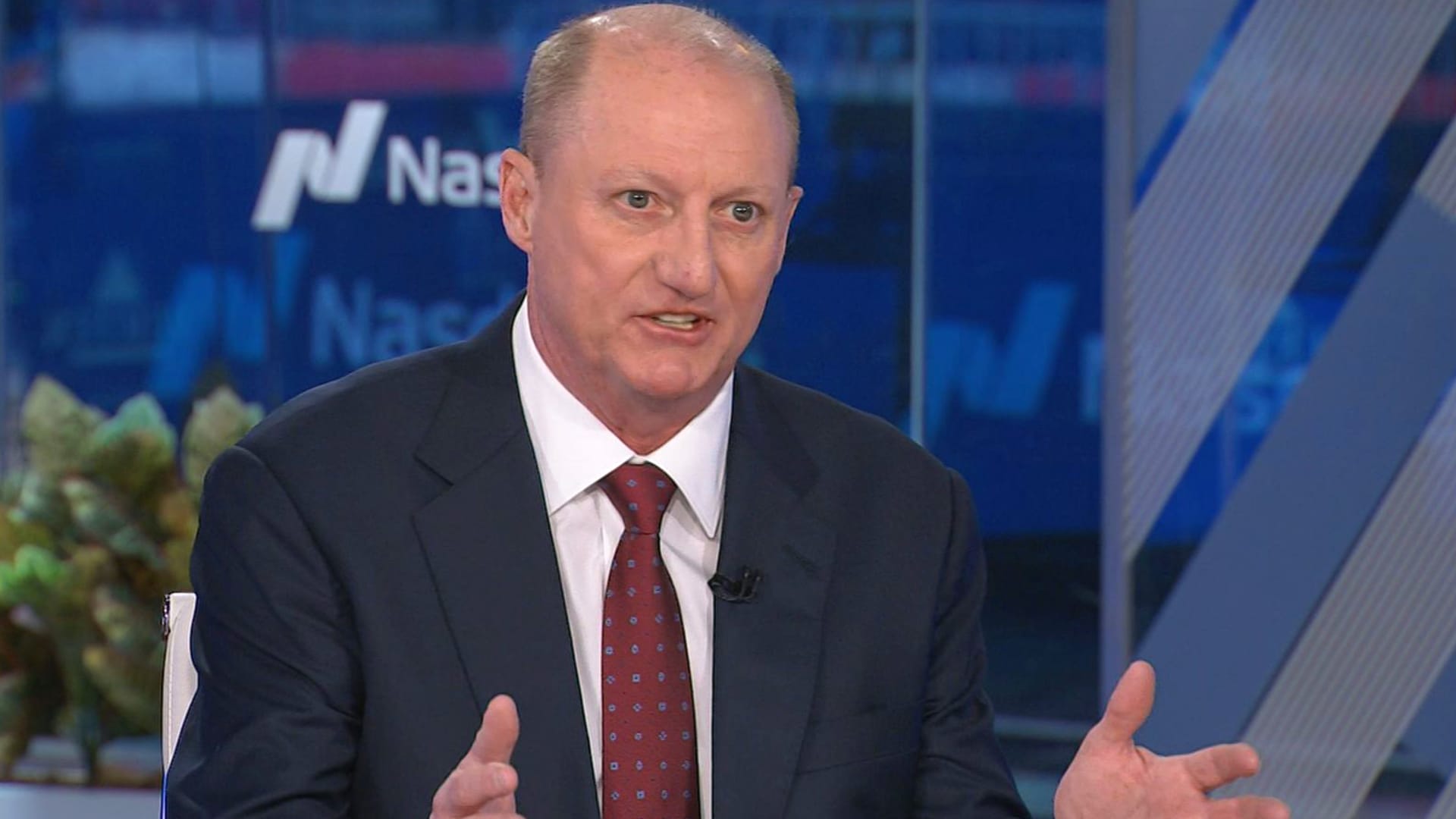
Abel Reshapes Berkshire Hathaway's Investment Portfolio

- Portfolio Restructuring: New CEO Greg Abel is swiftly reshaping Berkshire Hathaway's investment portfolio by selling stocks associated with former manager Todd Combs, demonstrating his control over the approximately $300 billion portfolio.
- Management Changes: Following Combs' departure at the end of 2025, Abel is unlikely to replace him, with Ted Weschler continuing to manage about 6% of the portfolio, indicating a preference for maintaining the existing management structure.
- Core Holdings Strategy: In his annual letter, Abel emphasized a focus on core holdings such as Apple, American Express, Coca-Cola, and Moody's, which are expected to compound value over decades, reflecting a long-term investment strategy.
- Amazon Stake Reduction: Berkshire nearly eliminated 80% of its stake in Amazon in Q4 2025, with market speculation linking this decision to Combs' investment style, raising further questions about the company's investment direction.
See More

S&P 500 Index Hits Record High Amid Market Recovery


- Market Recovery: The S&P 500 index reached a new record high on April 15 after a 9% decline, reflecting a rebound in investor sentiment, particularly following the U.S.-Iran ceasefire agreement that alleviated fears of a global energy shortage.
- Oil Price Volatility Risk: Despite the market recovery, Iran's recent restrictions on commercial vessels in the Strait of Hormuz could lead to another spike in oil prices, potentially pressuring corporate earnings and necessitating caution from investors regarding short-term market fluctuations.
- Investment Strategy Adjustment: With a low expense ratio of 0.03%, the Vanguard S&P 500 ETF may yield modest returns of 5% or less over the next decade at current highs, prompting a recommendation for investors to adopt a strategy of regular small investments to mitigate risks of market corrections.
- Long-Term Return Potential: While the S&P 500 has delivered a compound annual return of 10.5% since 1957, the current price-to-earnings ratio exceeding 20 times necessitates careful evaluation of future investment opportunities to avoid significant losses from large investments at market peaks.
See More
Visa Ranked as One of the Best Stocks to Buy in 2026
- Investment Recommendation: Analysts have ranked Visa as one of the best stocks to buy in 2026, although the Motley Fool's Stock Advisor team has excluded Visa from its current top ten stock picks, indicating a divergence in market sentiment regarding Visa's future performance.
- Historical Returns Comparison: The Motley Fool's Stock Advisor boasts an average return of 994% since inception, significantly outperforming the S&P 500's 199%, highlighting the potential profitability of its recommended stocks, prompting investors to carefully assess Visa's investment value.
- Market Performance: As of April 20, 2026, Visa's stock price is under scrutiny, with analysts suggesting that other ten recommended stocks may yield higher returns in the coming years, urging investors to consider a diversified investment strategy.
- Investor Community: The Motley Fool encourages investors to join its community for the latest investment advice and stock recommendations, emphasizing the importance of collective wisdom in investment decision-making.
See More
Visa Ranked as One of the Best Stocks to Buy in 2026
- Stock Recommendation: Based on afternoon prices from April 17, 2026, Visa has been ranked as one of the best stocks to buy in 2026, indicating strong market confidence in its future performance and likely attracting more investor interest.
- Market Performance: This assessment is grounded in Visa's leadership in the payment industry and its ongoing innovation capabilities, which are expected to drive stable stock price growth in the coming years, thereby enhancing investor confidence.
- Investor Confidence: With the continuous rise in demand for digital payments, Visa's market share is anticipated to expand further, bringing substantial revenue growth to the company and enhancing its competitiveness in the global payment market.
- Future Outlook: Analysts maintain an optimistic view on Visa's prospects, believing that its ongoing efforts in technological innovation and market expansion will create long-term value for shareholders and further solidify its industry leadership.
See More
Solana Potential Analysis: A Future Investment Winner Over the Next Decade
- Transaction Speed Advantage: Solana's L1 blockchain can process nearly 1,200 transactions per second, significantly surpassing Ethereum's 24 TPS, with a theoretical maximum speed of 65,000 TPS, greatly enhancing its appeal to developers and driving rapid ecosystem growth.
- Developer Ecosystem: By the end of 2025, Solana had 17,708 active developers, ranking second behind Ethereum, indicating strong performance in developer attraction that could lead to more innovations and applications emerging.
- Strategic Partnerships: Collaborations with Visa and Shopify, utilizing Solana's platform for stablecoin payments and e-commerce cryptocurrency transactions, have increased its market visibility, making it more appealing in a competitive landscape.
- New Product Launches: The introduction of blockchain-powered phones like Saga and Seeker, along with ETFs featuring staking capabilities, aims to attract more retail and institutional investors, further expanding its ecosystem and increasing market share.
See More
Solana Price Plummets, Yet Developer Growth Potential Remains Strong
- Price Decline: Solana's price has plummeted over 70% from its all-time high of nearly $295 last January to approximately $85, presenting a potential buying opportunity for investors amidst market volatility.
- Developer Ecosystem: As of late 2025, Solana boasts 17,708 active developers, ranking second to Ethereum's 31,869, indicating a growing appeal of its ecosystem despite the current price drop.
- Technical Advantage: Solana's Layer 1 blockchain can process nearly 1,200 transactions per second, significantly outpacing Ethereum's 24 TPS, with a theoretical maximum of 65,000 TPS, enhancing its attractiveness for developers and future application development.
- Strategic Partnerships: Collaborations with Visa and Shopify bolster Solana's presence in stablecoin payments and e-commerce, increasing its market visibility and potentially attracting more investor interest in its growth prospects.
See More
Abel Reshapes Berkshire Hathaway's Investment Portfolio
- Portfolio Restructuring: New CEO Greg Abel is swiftly reshaping Berkshire Hathaway's investment portfolio by selling stocks associated with former manager Todd Combs, demonstrating his control over the approximately $300 billion portfolio.
- Management Changes: Following Combs' departure at the end of 2025, Abel is unlikely to replace him, with Ted Weschler continuing to manage about 6% of the portfolio, indicating a preference for maintaining the existing management structure.
- Core Holdings Strategy: In his annual letter, Abel emphasized a focus on core holdings such as Apple, American Express, Coca-Cola, and Moody's, which are expected to compound value over decades, reflecting a long-term investment strategy.
- Amazon Stake Reduction: Berkshire nearly eliminated 80% of its stake in Amazon in Q4 2025, with market speculation linking this decision to Combs' investment style, raising further questions about the company's investment direction.
See More
S&P 500 Index Hits Record High Amid Market Recovery
- Market Recovery: The S&P 500 index reached a new record high on April 15 after a 9% decline, reflecting a rebound in investor sentiment, particularly following the U.S.-Iran ceasefire agreement that alleviated fears of a global energy shortage.
- Oil Price Volatility Risk: Despite the market recovery, Iran's recent restrictions on commercial vessels in the Strait of Hormuz could lead to another spike in oil prices, potentially pressuring corporate earnings and necessitating caution from investors regarding short-term market fluctuations.
- Investment Strategy Adjustment: With a low expense ratio of 0.03%, the Vanguard S&P 500 ETF may yield modest returns of 5% or less over the next decade at current highs, prompting a recommendation for investors to adopt a strategy of regular small investments to mitigate risks of market corrections.
- Long-Term Return Potential: While the S&P 500 has delivered a compound annual return of 10.5% since 1957, the current price-to-earnings ratio exceeding 20 times necessitates careful evaluation of future investment opportunities to avoid significant losses from large investments at market peaks.
See More