FedEx Sues U.S. Government for Tariff Refund Following Supreme Court Ruling
Written by Emily J. Thompson, Senior Investment Analyst
Updated: Feb 24 2026
0mins
Should l Buy FDX?
Source: Benzinga
- Lawsuit Initiated: FedEx filed a lawsuit on Monday in the U.S. Court of International Trade seeking a refund of tariffs imposed during the Trump administration, a move that reflects the company's strong opposition to what it deems improper charges following the Supreme Court's ruling that deemed these tariffs illegal.
- Tariff Context: The Supreme Court ruled that Trump exceeded his legal authority under the International Emergency Economic Powers Act when imposing these tariffs, which Trump criticized vehemently, subsequently announcing a new 10% global tariff that was later raised to 15%, potentially affecting future trade policies.
- Refund Request: While the lawsuit does not specify an amount, FedEx is seeking a
Trade with 70% Backtested Accuracy
Stop guessing "Should I Buy FDX?" and start using high-conviction signals backed by rigorous historical data.
Sign up today to access powerful investing tools and make smarter, data-driven decisions.
Analyst Views on FDX
Wall Street analysts forecast FDX stock price to fall
20 Analyst Rating
13 Buy
6 Hold
1 Sell
Moderate Buy
Current: 393.760

Low
210.00
Averages
315.05
High
365.00
Current: 393.760
Low
210.00
Averages
315.05
High
365.00
About FDX
FedEx Corporation provides customers and businesses with a portfolio of transportation, e-commerce, and business services. The Company offers integrated business solutions utilizing its flexible and efficient global network. Its segments include Federal Express, FedEx Freight, and Corporate, other, and eliminations. Federal Express segment includes express transportation, small-package ground delivery, and freight transportation, and it also operates combined sales, marketing, administrative, and information-technology functions in shared service operations for United States customers. FedEx Freight segment includes FedEx Freight (LTL freight transportation) and FedEx Custom Critical (time-critical transportation). Corporate, other, and elimination segments include FedEx Dataworks, Inc. (FedEx Dataworks), FedEx Office and Print Services, Inc. (FedEx Office), and FedEx Logistics, Inc. (FedEx Logistics). FedEx Logistics offers customs brokerage, specialty transportation, and others.
About the author

Emily J. Thompson
Emily J. Thompson, a Chartered Financial Analyst (CFA) with 12 years in investment research, graduated with honors from the Wharton School. Specializing in industrial and technology stocks, she provides in-depth analysis for Intellectia’s earnings and market brief reports.
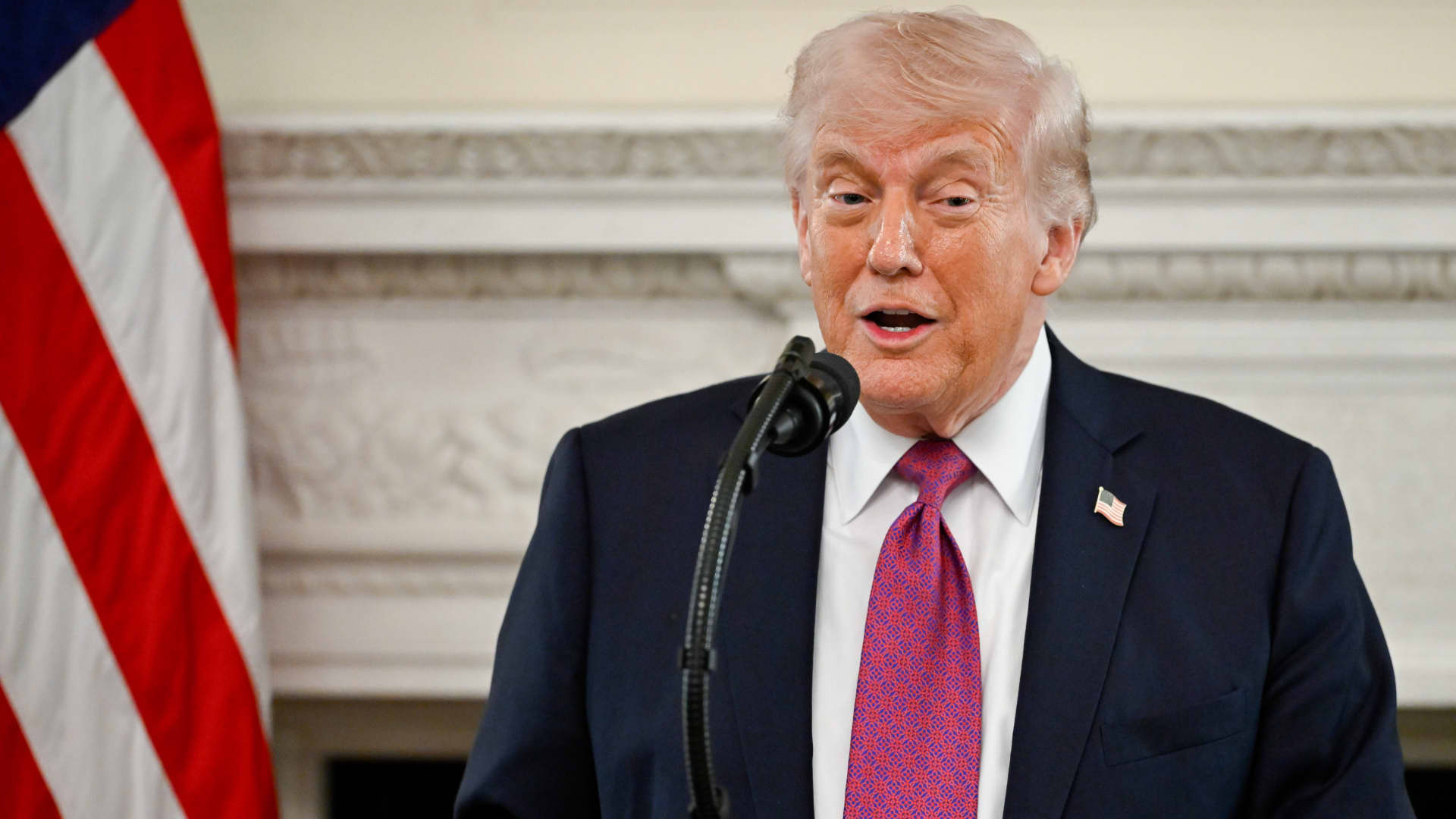
Trump Extends Iran Ceasefire Deadline Amid Market Uncertainty


- Ceasefire Extension: President Trump has extended the Iran ceasefire deadline by two weeks, a move that may exacerbate uncertainty in the Middle East conflict as Tehran shows reluctance to engage in diplomatic efforts, potentially impacting global market sentiment.
- Tariff Policy Impact: Trump expressed hope that U.S. companies that have not sought refunds for his tariffs will adhere to a 'no take back' policy, despite the Supreme Court ruling the tariffs illegal; major firms like Apple and Amazon have yet to file for refunds, which could affect their future financial performance.
- Market Reaction: Following Trump's announcement of the ceasefire extension, U.S. stock index futures rose, despite a lower close on Tuesday, while crude oil prices increased, indicating market sensitivity to developments in the Middle East.
- Aviation Industry Outlook: United Airlines has slashed its 2026 earnings outlook due to supply chain issues stemming from the Middle East conflict, reflecting the direct impact of soaring fuel prices on the airline industry and potentially leading to broader industry adjustments.
See More
Trump Warns Companies Not Seeking Tariff Refunds


- Tariff Refund Policy: Trump stated he will 'remember' companies that do not seek refunds, implying these firms might receive government support in the future, thereby influencing corporate refund decisions and their relationship with the government.
- Refund System Launch: The U.S. Customs and Border Protection (CBP) launched the CAPE refund processing system on Monday, expected to handle up to $166 billion in refund applications, although payments are not anticipated until 60 to 90 days post-application acceptance.
- Legal Action Dynamics: Major companies like Costco and FedEx have sued the U.S. government to secure timely tariff refunds, while Walmart and Amazon have refrained from litigation, possibly to avoid negative attention from Trump.
- Future Tariff Plans: Trump mentioned that the alternative tariffs being developed could yield higher revenue but will be more complex to implement, with these new tariffs not expected to take effect until July, potentially impacting corporate financial planning.
See More

UPS and FedEx File for Tariff Refunds Following Supreme Court Ruling

- Tariff Refund Applications: UPS and FedEx have initiated requests for tariff refunds through the government process, which only applies to tariffs collected under the International Emergency Economic Powers Act, highlighting both companies' commitment to customer rights.
- Refund Process Initiation: The U.S. Customs and Border Protection (CBP) opened the refund process on Monday, allowing companies to request refunds, although it may take months for customers to receive their money, indicating the complexity of the process.
- UPS Customer Support: UPS stated it will request tariff refunds on behalf of customers, eliminating the need for them to contact UPS directly, which aims to streamline the customer experience and ensure they can fully exercise their rights.
- FedEx Refund Strategy: FedEx has also begun filing claims with CBP for refunds and has committed to issuing refunds to shippers and consumers promptly once received, demonstrating its support and transparency towards customers.
See More
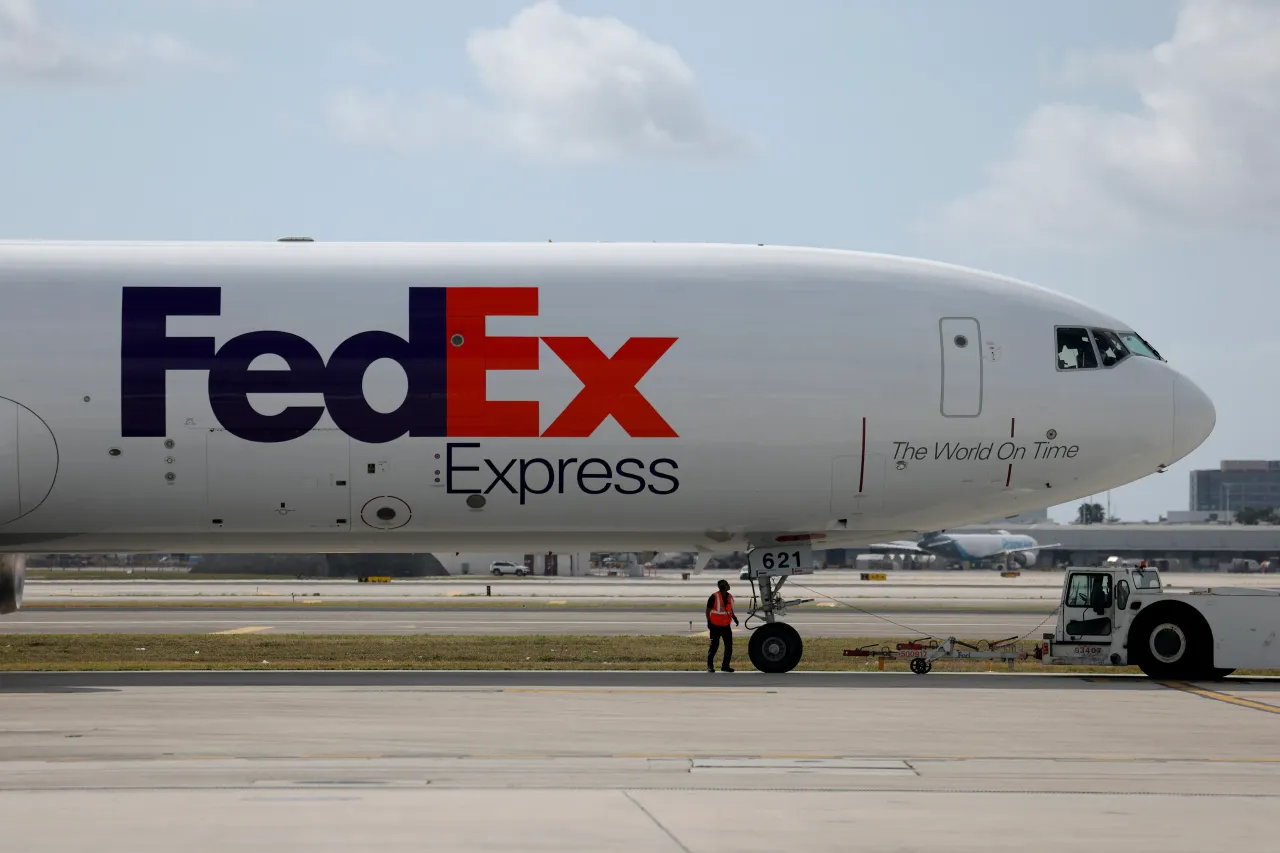
Trump Administration Initiates $166 Billion Tariff Refunds Following Supreme Court Ruling
- Tariff Refund Initiation: The Trump administration is set to initiate $166 billion in tariff refunds following a Supreme Court ruling, impacting over 53 million shipments and potentially alleviating financial pressure on importers.
- Lawsuit Surge: Major U.S. importers, including FedEx, Costco, and UPS, are facing lawsuits from consumers seeking compensation for increased costs due to tariffs, which could negatively affect these companies' market performance.
- Market Reaction: Following the acceptance of tariff refund claims, FedEx shares surged to record highs, gaining 35% year-to-date, while Costco shares also rose 17%, indicating a positive market response to the refund news.
- Retailer Strategies: FedEx has committed to returning tariff refunds to customers, while Costco plans to pass on refunds through lower prices and better values, showcasing differing strategies among retailers in response to tariff pressures.
See More

Costco and FedEx Face Legal Pressure Over Tariff Refunds
- Increase in Legal Suits: With the U.S. Supreme Court striking down a batch of tariffs, billions in tariff refunds are set to flow back to U.S. businesses, leading to legal pressure on Costco and FedEx as consumers argue they should share in these refunds, highlighting market concerns over corporate pricing strategies.
- Refund Application Process: Despite the substantial refund amounts, companies must file claims through a new government system, which has just begun, potentially taking months to process and impacting companies' cash flow and short-term financial performance.
- Strategic Differences Between Costco and FedEx: FedEx has stated it will directly return tariff refunds to customers, while Costco opts for a strategy of lowering prices and enhancing value over time, indicating a divergence that could affect brand perception and competitive positioning in the market.
- Consumer Impact: As businesses may have absorbed some tariff costs or passed them on through higher prices, the question of refund allocation has sparked widespread discussion, likely leading to more lawsuits in the future, which could influence corporate operational strategies and market dynamics.
See More
US Supreme Court Strikes Down IEEPA Tariffs, Billions in Refunds Expected
- Refund System Launch: The US Supreme Court's February decision to strike down Trump's IEEPA tariffs is expected to lead to refunds of up to $166-$175 billion for approximately 330,000 importers, requiring businesses to apply through the new CAPE system, indicating government support for importers.
- Simplified Application Process: The CAPE system will process claims via the ACE Portal of U.S. Customs and Border Protection, with Phase 1 focusing on straightforward cases, and refunds expected to be issued electronically within 60 to 90 days, enhancing liquidity for businesses.
- Ongoing Trade Dispute: The Trump administration is seeking to reinstate IEEPA tariffs under different legal frameworks, leveraging Sections 122 and 301 of the Trade Act of 1974 and Section 232 of the Trade Expansion Act of 1962 to increase negotiation leverage, highlighting ongoing trade policy uncertainty.
- Consumer Impact: While some businesses absorbed tariff costs, consumers have no refund mechanism, leading to class action lawsuits against companies like Costco and FedEx; FedEx plans to return refunds to customers, while Costco aims to provide value through lower prices, reflecting differing corporate strategies in response to tariff refunds.
See More
Trump Extends Iran Ceasefire Deadline Amid Market Uncertainty
- Ceasefire Extension: President Trump has extended the Iran ceasefire deadline by two weeks, a move that may exacerbate uncertainty in the Middle East conflict as Tehran shows reluctance to engage in diplomatic efforts, potentially impacting global market sentiment.
- Tariff Policy Impact: Trump expressed hope that U.S. companies that have not sought refunds for his tariffs will adhere to a 'no take back' policy, despite the Supreme Court ruling the tariffs illegal; major firms like Apple and Amazon have yet to file for refunds, which could affect their future financial performance.
- Market Reaction: Following Trump's announcement of the ceasefire extension, U.S. stock index futures rose, despite a lower close on Tuesday, while crude oil prices increased, indicating market sensitivity to developments in the Middle East.
- Aviation Industry Outlook: United Airlines has slashed its 2026 earnings outlook due to supply chain issues stemming from the Middle East conflict, reflecting the direct impact of soaring fuel prices on the airline industry and potentially leading to broader industry adjustments.
See More
Trump Warns Companies Not Seeking Tariff Refunds
- Tariff Refund Policy: Trump stated he will 'remember' companies that do not seek refunds, implying these firms might receive government support in the future, thereby influencing corporate refund decisions and their relationship with the government.
- Refund System Launch: The U.S. Customs and Border Protection (CBP) launched the CAPE refund processing system on Monday, expected to handle up to $166 billion in refund applications, although payments are not anticipated until 60 to 90 days post-application acceptance.
- Legal Action Dynamics: Major companies like Costco and FedEx have sued the U.S. government to secure timely tariff refunds, while Walmart and Amazon have refrained from litigation, possibly to avoid negative attention from Trump.
- Future Tariff Plans: Trump mentioned that the alternative tariffs being developed could yield higher revenue but will be more complex to implement, with these new tariffs not expected to take effect until July, potentially impacting corporate financial planning.
See More
UPS and FedEx File for Tariff Refunds Following Supreme Court Ruling
- Tariff Refund Applications: UPS and FedEx have initiated requests for tariff refunds through the government process, which only applies to tariffs collected under the International Emergency Economic Powers Act, highlighting both companies' commitment to customer rights.
- Refund Process Initiation: The U.S. Customs and Border Protection (CBP) opened the refund process on Monday, allowing companies to request refunds, although it may take months for customers to receive their money, indicating the complexity of the process.
- UPS Customer Support: UPS stated it will request tariff refunds on behalf of customers, eliminating the need for them to contact UPS directly, which aims to streamline the customer experience and ensure they can fully exercise their rights.
- FedEx Refund Strategy: FedEx has also begun filing claims with CBP for refunds and has committed to issuing refunds to shippers and consumers promptly once received, demonstrating its support and transparency towards customers.
See More
Trump Administration Initiates $166 Billion Tariff Refunds Following Supreme Court Ruling
- Tariff Refund Initiation: The Trump administration is set to initiate $166 billion in tariff refunds following a Supreme Court ruling, impacting over 53 million shipments and potentially alleviating financial pressure on importers.
- Lawsuit Surge: Major U.S. importers, including FedEx, Costco, and UPS, are facing lawsuits from consumers seeking compensation for increased costs due to tariffs, which could negatively affect these companies' market performance.
- Market Reaction: Following the acceptance of tariff refund claims, FedEx shares surged to record highs, gaining 35% year-to-date, while Costco shares also rose 17%, indicating a positive market response to the refund news.
- Retailer Strategies: FedEx has committed to returning tariff refunds to customers, while Costco plans to pass on refunds through lower prices and better values, showcasing differing strategies among retailers in response to tariff pressures.
See More
Costco and FedEx Face Legal Pressure Over Tariff Refunds
- Increase in Legal Suits: With the U.S. Supreme Court striking down a batch of tariffs, billions in tariff refunds are set to flow back to U.S. businesses, leading to legal pressure on Costco and FedEx as consumers argue they should share in these refunds, highlighting market concerns over corporate pricing strategies.
- Refund Application Process: Despite the substantial refund amounts, companies must file claims through a new government system, which has just begun, potentially taking months to process and impacting companies' cash flow and short-term financial performance.
- Strategic Differences Between Costco and FedEx: FedEx has stated it will directly return tariff refunds to customers, while Costco opts for a strategy of lowering prices and enhancing value over time, indicating a divergence that could affect brand perception and competitive positioning in the market.
- Consumer Impact: As businesses may have absorbed some tariff costs or passed them on through higher prices, the question of refund allocation has sparked widespread discussion, likely leading to more lawsuits in the future, which could influence corporate operational strategies and market dynamics.
See More
US Supreme Court Strikes Down IEEPA Tariffs, Billions in Refunds Expected
- Refund System Launch: The US Supreme Court's February decision to strike down Trump's IEEPA tariffs is expected to lead to refunds of up to $166-$175 billion for approximately 330,000 importers, requiring businesses to apply through the new CAPE system, indicating government support for importers.
- Simplified Application Process: The CAPE system will process claims via the ACE Portal of U.S. Customs and Border Protection, with Phase 1 focusing on straightforward cases, and refunds expected to be issued electronically within 60 to 90 days, enhancing liquidity for businesses.
- Ongoing Trade Dispute: The Trump administration is seeking to reinstate IEEPA tariffs under different legal frameworks, leveraging Sections 122 and 301 of the Trade Act of 1974 and Section 232 of the Trade Expansion Act of 1962 to increase negotiation leverage, highlighting ongoing trade policy uncertainty.
- Consumer Impact: While some businesses absorbed tariff costs, consumers have no refund mechanism, leading to class action lawsuits against companies like Costco and FedEx; FedEx plans to return refunds to customers, while Costco aims to provide value through lower prices, reflecting differing corporate strategies in response to tariff refunds.
See More