EV Stocks Transitioning to AI Companies
- Tesla's AI Investment: Tesla has invested $2 billion in AI, aiming for full self-driving capabilities, with the robotaxi market potentially worth $5 trillion, showcasing its forward-looking strategy in the EV sector.
- Lucid's Growth Potential: Lucid Group, valued at only $3.8 billion, plans to launch three new models and focus on AI investments, but its small size limits capital access, posing dilution risks for shareholders.
- Rivian's Market Outlook: Rivian, with a $20 billion valuation, shows strong growth potential in the EV market, bolstered by partnerships with companies like Volkswagen, and plans to integrate AI more extensively in production.
- Data-Driven AI Development: Rivian is set to deliver its first R2 SUV priced under $50,000, significantly increasing production scale and data collection capabilities, laying the groundwork for future AI advancements.
Trade with 70% Backtested Accuracy
Analyst Views on RIVN

About RIVN
About the author

Rivian Wins Right to Directly Sell Vehicles in Washington State

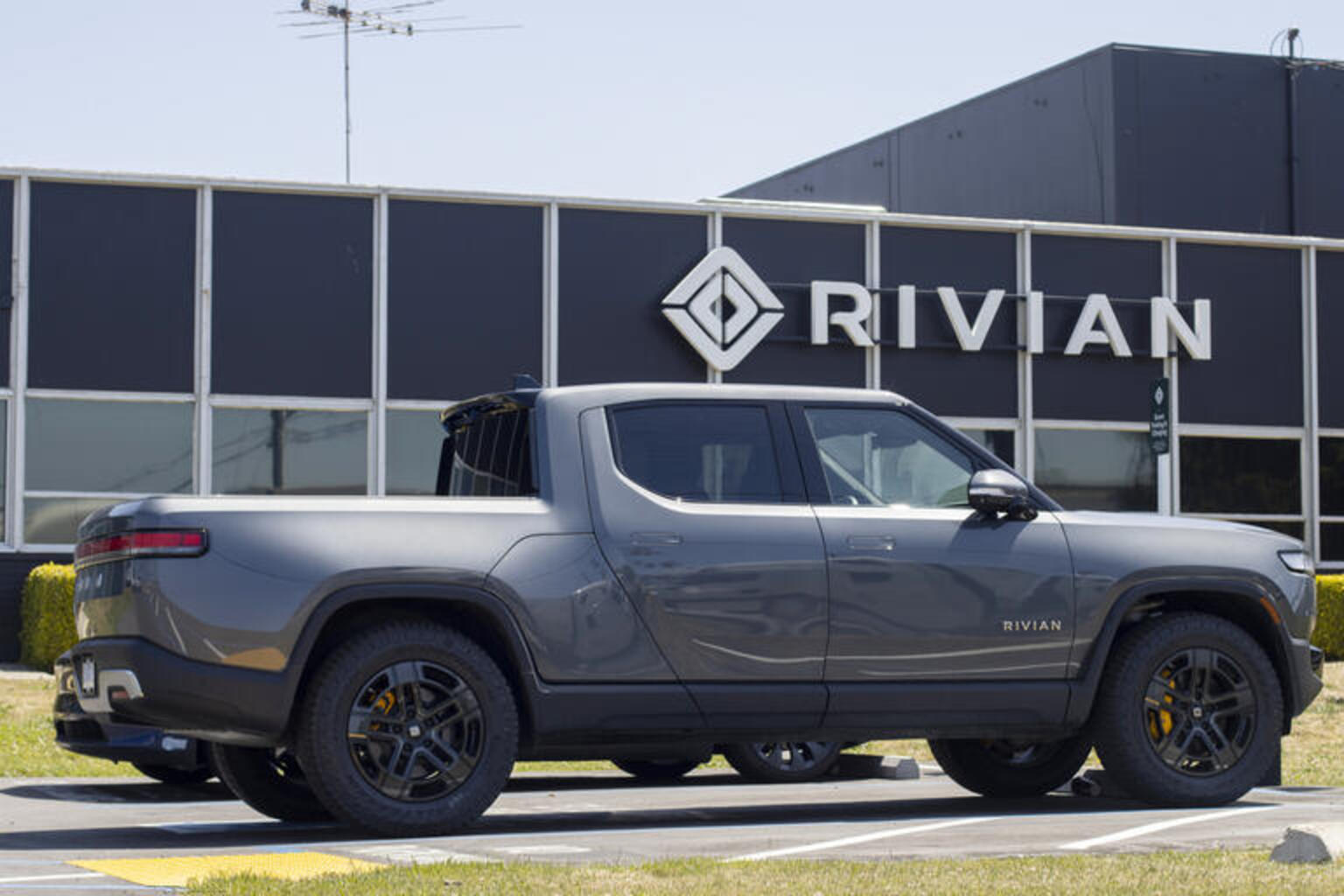
- Direct Sales Victory: Rivian has successfully secured the right to sell electric vehicles directly to consumers in Washington state, marking a significant challenge to traditional dealership laws and potentially introducing more flexible sales models in the EV market.
- Legislative Support: Following Rivian's threat to push the issue to voters via a ballot initiative, dealer organizations dropped their opposition and supported a law allowing direct sales for Rivian and Lucid Motors, paving the way for similar legislative changes in other states.
- Competitive Pressure: Traditional automakers such as General Motors, Ford, and Toyota opposed this change, warning it could give emerging EV manufacturers a competitive edge, thereby intensifying market competition and impacting the viability of traditional dealerships.
- Strategic Expansion Plans: Rivian aims to replicate this success in other states, particularly where ballot initiatives are possible, as expanding direct sales could provide a crucial advantage for launching a more affordable SUV and moving towards profitability.

Tesla Stock Under Pressure as Investors Eye Delivery Data


- Stock Decline: Tesla's stock closed at $355.28 on Monday, down 1.81%, reflecting market skepticism regarding ongoing EV pricing pressures and the company's pivot towards AI and robotaxis, which may impact future investor confidence.
- Increased Trading Volume: Trading volume reached 64.4 million shares, approximately 5.2% above the three-month average, indicating heightened market interest in Tesla's stock, despite the prevailing negative sentiment.
- Poor Year-to-Date Performance: Tesla's stock has declined about 20% year-to-date, marking six consecutive weeks of losses, with intensified competition contributing to market pessimism; investors are looking forward to the upcoming Q1 2026 delivery data for potential recovery signals.
- Sales Growth in China: The China Passenger Car Association reported a 35% year-over-year increase in sales of Tesla's China-made EVs in the first two months, which could provide support for the company's future performance, although investors are more focused on CEO Elon Musk's updates regarding self-driving taxis and AI strategy.

Tesla Stock Under Pressure as Investors Eye Delivery Data
- Stock Fluctuation: Tesla closed at $355.28 on Monday, down 1.81%, reflecting market concerns over EV pricing pressure and skepticism regarding its AI strategy, leading to subdued investor sentiment.
- Trading Volume Analysis: The trading volume reached 64.4 million shares, exceeding the three-month average by 5.2%, indicating heightened market interest in Tesla's future performance, particularly ahead of the upcoming Q1 2026 delivery data.
- Competitive Pressure: Tesla's stock has declined approximately 20% year-to-date, marking six consecutive weeks of losses, primarily due to intensified competition, which has undermined market confidence in its future outlook.
- China Market Performance: According to the China Passenger Car Association, sales of Tesla's China-made EVs rose 35% year-over-year in the first two months, yet investors remain eager for further insights from CEO Elon Musk regarding the self-driving robotaxi initiative and AI strategy.

MarketBeat Weekly Recap – March 23 to March 27


Market Trends: Following recent uncertainty, stocks have pulled back, with the Trump administration's pause in hostilities with Iran initially easing investor anxiety, but rising energy prices and inflation concerns are complicating the market outlook.
Investment Opportunities: Analysts are highlighting potential opportunities in various sectors, including energy stocks and companies like Advanced Micro Devices (AMD), which is expected to see growth due to strong institutional buying and planned product launches.
Stock Performance: Companies like Rivian Automotive and Tesla are under scrutiny, with Rivian showing quiet performance while Tesla faces regulatory challenges, impacting investor sentiment and stock prices.
Consumer Sector Insights: Retail stocks, particularly Gap and Macy's, are experiencing mixed reactions post-earnings reports, with some showing recovery while others face caution from investors regarding their future strategies.

Lucid Group Faces Profitability Challenges Amid Delivery Growth
- Delivery Growth: Lucid Group has achieved eight consecutive quarters of record vehicle deliveries, and is expected to maintain this momentum throughout 2026; however, its stock has plummeted nearly 90% since its IPO, indicating significant progress in delivery volume but a pressing need to improve profitability to attract investors.
- Cost Optimization: Lucid achieved approximately a 25% improvement in bill of materials costs for the Gravity model, successfully navigating supply chain challenges and optimizing production processes, which significantly lowers manufacturing costs and is crucial for enhancing future profitability.
- Quality Improvement: Over the past three years, Lucid has reduced warranty costs for the Air sedan by 85% while improving vehicle quality and defect rates, which not only boosts consumer confidence but also lays a solid foundation for future sales growth.
- Comparison with Rivian: While Rivian still outsells Lucid in total delivery volume, it experienced declines of 14.5% in production and 18% in deliveries in 2024, indicating that Lucid's performance in delivery growth is stronger, yet it still needs to catch up in unit economics and gross margin improvement.
Lucid Group Continues to Set Delivery Records
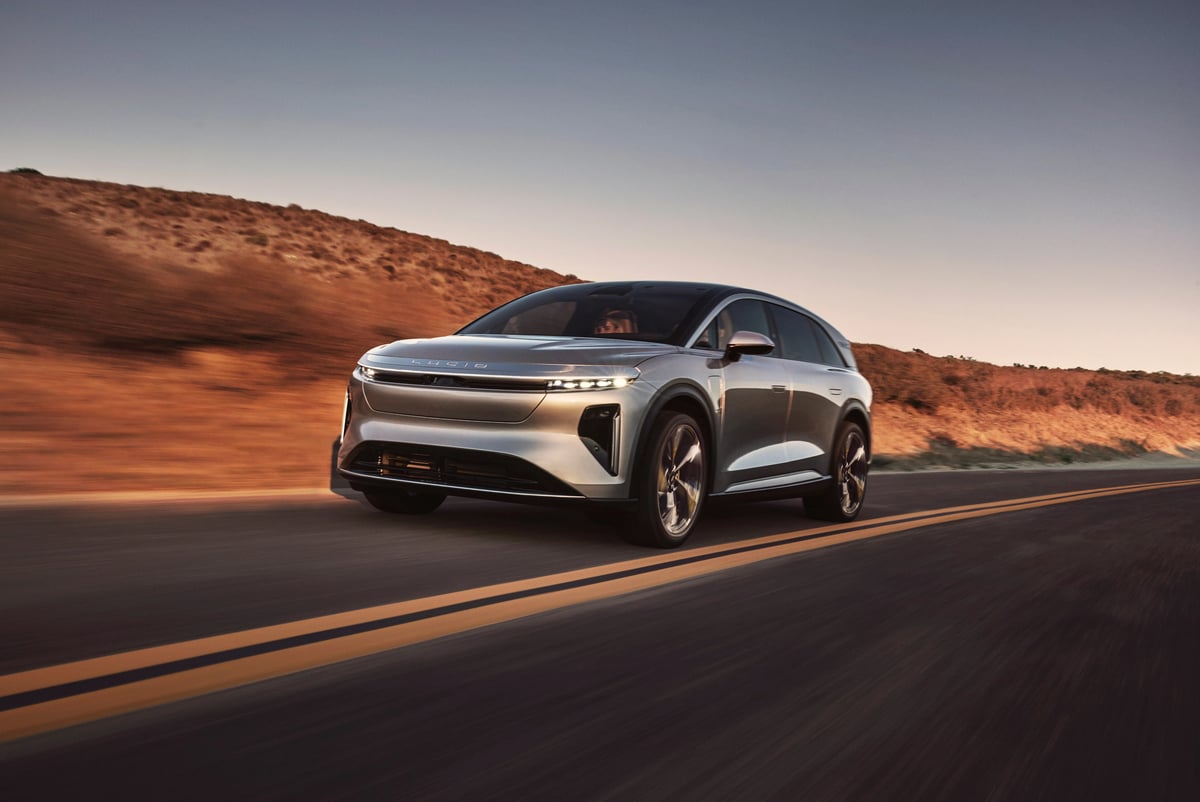
- Strong Delivery Momentum: Lucid Group has recorded eight consecutive quarters of delivery records, indicating a significant enhancement in its production and delivery capabilities, and this momentum is expected to continue, particularly as Gravity production has just begun.
- Increased Market Opportunities: With Tesla discontinuing the Model S and X in Q2, Lucid has seen a notable uptick in consumer trade-ins, which is likely to further drive delivery growth, positioning Lucid as a preferred brand in the luxury EV market.
- Competitive Pressure Intensifies: Despite Lucid's 55% delivery increase in 2025, its 15,841 vehicles delivered fall short compared to Rivian's 42,247, highlighting challenges in scale and profitability that need to be addressed for future growth.
- Profitability Needs Improvement: While Lucid excels in deliveries, failure to achieve consistent gross profit improvements may disappoint investors, especially as Rivian has already achieved its first full-year positive gross profit, emphasizing the urgency for Lucid to enhance its margins.
Rivian Wins Right to Directly Sell Vehicles in Washington State
- Direct Sales Victory: Rivian has successfully secured the right to sell electric vehicles directly to consumers in Washington state, marking a significant challenge to traditional dealership laws and potentially introducing more flexible sales models in the EV market.
- Legislative Support: Following Rivian's threat to push the issue to voters via a ballot initiative, dealer organizations dropped their opposition and supported a law allowing direct sales for Rivian and Lucid Motors, paving the way for similar legislative changes in other states.
- Competitive Pressure: Traditional automakers such as General Motors, Ford, and Toyota opposed this change, warning it could give emerging EV manufacturers a competitive edge, thereby intensifying market competition and impacting the viability of traditional dealerships.
- Strategic Expansion Plans: Rivian aims to replicate this success in other states, particularly where ballot initiatives are possible, as expanding direct sales could provide a crucial advantage for launching a more affordable SUV and moving towards profitability.
Tesla Stock Under Pressure as Investors Eye Delivery Data
- Stock Decline: Tesla's stock closed at $355.28 on Monday, down 1.81%, reflecting market skepticism regarding ongoing EV pricing pressures and the company's pivot towards AI and robotaxis, which may impact future investor confidence.
- Increased Trading Volume: Trading volume reached 64.4 million shares, approximately 5.2% above the three-month average, indicating heightened market interest in Tesla's stock, despite the prevailing negative sentiment.
- Poor Year-to-Date Performance: Tesla's stock has declined about 20% year-to-date, marking six consecutive weeks of losses, with intensified competition contributing to market pessimism; investors are looking forward to the upcoming Q1 2026 delivery data for potential recovery signals.
- Sales Growth in China: The China Passenger Car Association reported a 35% year-over-year increase in sales of Tesla's China-made EVs in the first two months, which could provide support for the company's future performance, although investors are more focused on CEO Elon Musk's updates regarding self-driving taxis and AI strategy.
Tesla Stock Under Pressure as Investors Eye Delivery Data
- Stock Fluctuation: Tesla closed at $355.28 on Monday, down 1.81%, reflecting market concerns over EV pricing pressure and skepticism regarding its AI strategy, leading to subdued investor sentiment.
- Trading Volume Analysis: The trading volume reached 64.4 million shares, exceeding the three-month average by 5.2%, indicating heightened market interest in Tesla's future performance, particularly ahead of the upcoming Q1 2026 delivery data.
- Competitive Pressure: Tesla's stock has declined approximately 20% year-to-date, marking six consecutive weeks of losses, primarily due to intensified competition, which has undermined market confidence in its future outlook.
- China Market Performance: According to the China Passenger Car Association, sales of Tesla's China-made EVs rose 35% year-over-year in the first two months, yet investors remain eager for further insights from CEO Elon Musk regarding the self-driving robotaxi initiative and AI strategy.
MarketBeat Weekly Recap – March 23 to March 27
Market Trends: Following recent uncertainty, stocks have pulled back, with the Trump administration's pause in hostilities with Iran initially easing investor anxiety, but rising energy prices and inflation concerns are complicating the market outlook.
Investment Opportunities: Analysts are highlighting potential opportunities in various sectors, including energy stocks and companies like Advanced Micro Devices (AMD), which is expected to see growth due to strong institutional buying and planned product launches.
Stock Performance: Companies like Rivian Automotive and Tesla are under scrutiny, with Rivian showing quiet performance while Tesla faces regulatory challenges, impacting investor sentiment and stock prices.
Consumer Sector Insights: Retail stocks, particularly Gap and Macy's, are experiencing mixed reactions post-earnings reports, with some showing recovery while others face caution from investors regarding their future strategies.
Lucid Group Faces Profitability Challenges Amid Delivery Growth
- Delivery Growth: Lucid Group has achieved eight consecutive quarters of record vehicle deliveries, and is expected to maintain this momentum throughout 2026; however, its stock has plummeted nearly 90% since its IPO, indicating significant progress in delivery volume but a pressing need to improve profitability to attract investors.
- Cost Optimization: Lucid achieved approximately a 25% improvement in bill of materials costs for the Gravity model, successfully navigating supply chain challenges and optimizing production processes, which significantly lowers manufacturing costs and is crucial for enhancing future profitability.
- Quality Improvement: Over the past three years, Lucid has reduced warranty costs for the Air sedan by 85% while improving vehicle quality and defect rates, which not only boosts consumer confidence but also lays a solid foundation for future sales growth.
- Comparison with Rivian: While Rivian still outsells Lucid in total delivery volume, it experienced declines of 14.5% in production and 18% in deliveries in 2024, indicating that Lucid's performance in delivery growth is stronger, yet it still needs to catch up in unit economics and gross margin improvement.
Lucid Group Continues to Set Delivery Records
- Strong Delivery Momentum: Lucid Group has recorded eight consecutive quarters of delivery records, indicating a significant enhancement in its production and delivery capabilities, and this momentum is expected to continue, particularly as Gravity production has just begun.
- Increased Market Opportunities: With Tesla discontinuing the Model S and X in Q2, Lucid has seen a notable uptick in consumer trade-ins, which is likely to further drive delivery growth, positioning Lucid as a preferred brand in the luxury EV market.
- Competitive Pressure Intensifies: Despite Lucid's 55% delivery increase in 2025, its 15,841 vehicles delivered fall short compared to Rivian's 42,247, highlighting challenges in scale and profitability that need to be addressed for future growth.
- Profitability Needs Improvement: While Lucid excels in deliveries, failure to achieve consistent gross profit improvements may disappoint investors, especially as Rivian has already achieved its first full-year positive gross profit, emphasizing the urgency for Lucid to enhance its margins.