ETFs with Noteworthy Volume on Monday: BRIE


ETF Performance Overview: The ETF with the highest volume on Monday included Vale, trading flat with over 21.1 million shares, and Ambev, which rose by 0.4% on over 15.6 million shares traded.
Top and Bottom Performers: XP was the best-performing component, increasing by 2.6%, while JBS lagged behind with a decline of 3.5%.
Volume Insights: The unusual trading volume on Monday highlighted significant activity in the MFS Blended Research International Equity ETF.
Disclaimer: The opinions expressed in the article are those of the author and do not necessarily reflect the views of Nasdaq, Inc.
Trade with 70% Backtested Accuracy
Analyst Views on VALE

About VALE
About the author

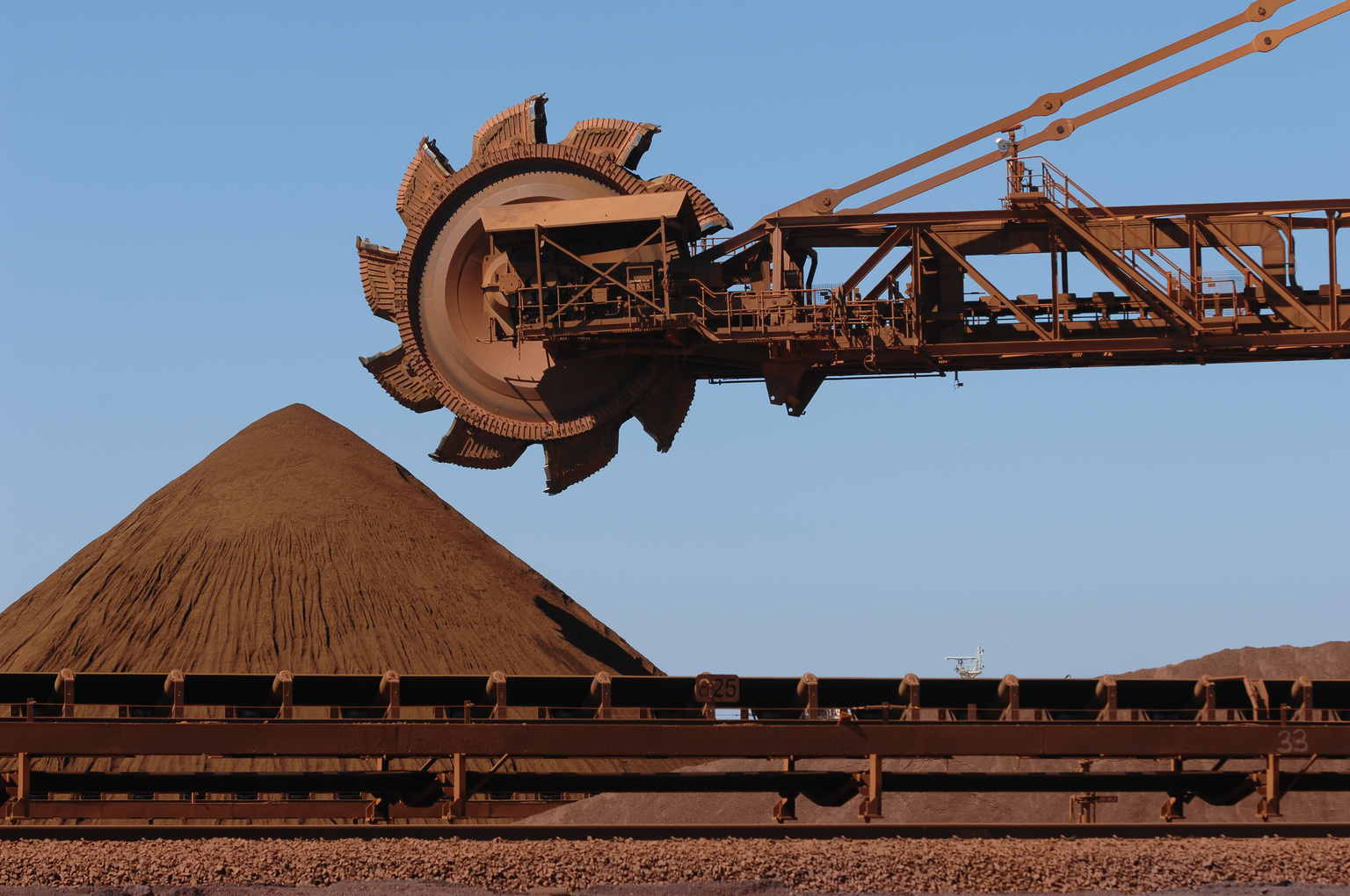
Barclays Downgrades Vale to Equal Weight Amid Valuation Concerns
- Rating Downgrade: Barclays has downgraded Vale from Overweight to Equal Weight with a price target of $17, primarily due to the stock's 35% year-to-date gain while iron ore prices have remained flat, leading to stretched valuations.
- Valuation Comparison: Vale's EV/EBITDA discount to peers like Rio Tinto and Fortescue has tightened to 10%, the closest since 2020, indicating that after a strong year-to-date performance, Vale no longer trades at a significant discount to Australian peers.
- Iron Ore Price Correlation: The current Vale stock price aligns with an implied iron ore price of $130/ton based on historical correlations, compared to the spot price of $107/ton and Barclays' forecast of $102/ton for 2026, suggesting potential downward price risks ahead.
- Operational Performance and Outlook: While Vale has demonstrated strong operational stability over the past 18 months, the analyst believes that valuation and commodity price momentum may pose headwinds to further outperformance in the near term.
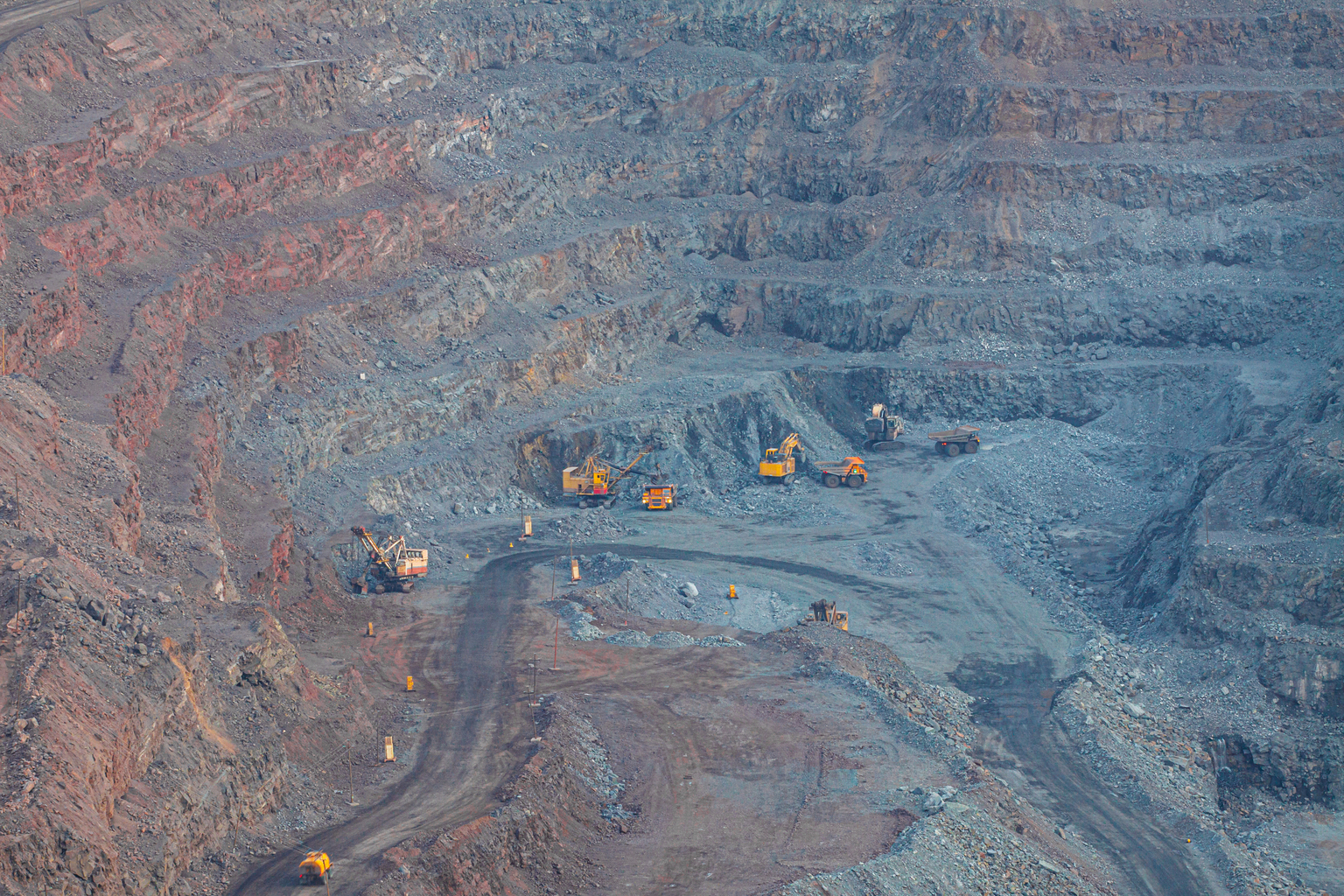
Vale Reports Strong Q1 Performance with Record Production
- Iron Ore Production Growth: Vale's Q1 iron ore production reached 69.7 Mt, a 3% (2.0 Mt) year-over-year increase, driven by record outputs at S11D and Brucutu, along with the ongoing ramp-up of Capanema and VGR1 projects, showcasing the company's robust competitiveness in the iron ore market.
- Strong Sales Performance: Iron ore sales increased by 4% (2.6 Mt) year-over-year, totaling 68.7 Mt, marking the highest first-quarter sales since 2018, reflecting the company's effective capacity to meet market demand.
- Significant Copper Output Increase: Copper production totaled 102.3 kt, a 13% (11.4 kt) year-over-year rise, primarily due to record outputs at Salobo and Sossego, as well as solid performance at Voisey's Bay polymetallic mines, indicating a strong recovery in the copper market.
- Double-Digit Growth in Nickel and Copper: Both copper and nickel production achieved double-digit growth, with copper recording its best first-quarter output since 2017 and nickel its highest since 2020, demonstrating the company's successful strategy in diversifying its metal production.

Brazil's Vale and China's Shandong Shipping Finalize 25-Year Charter Agreement for Two Ethanol-Powered Vessels, According to Executive
Brazil's Vale and China's Shandong Shipping: Vale, a Brazilian mining company, has signed a 25-year charter deal with China's Shandong Shipping for the construction of two ethanol-powered ships.
Environmental Impact: The deal emphasizes a shift towards more sustainable shipping practices, aligning with global efforts to reduce carbon emissions in the shipping industry.

Vale Advances Maintenance Shutdown Amid Middle East Tensions
- Shutdown Decision: Vale (VALE) has advanced the maintenance shutdown of its two iron ore pellet plants in Oman by several weeks to mitigate potential impacts from the ongoing Middle East conflict, demonstrating the company's acute awareness of geopolitical risks.
- Capacity Impact Assessment: The Oman operations are projected to have an annual production capacity of 9 million tons by 2025, accounting for approximately 29% of Vale's total output, and this shutdown introduces uncertainty regarding future production and revenue.
- Production Guidance Unchanged: Despite Iran's blockade of the Strait of Hormuz affecting deliveries, Vale has not yet considered altering its full-year pellet production guidance of 30 million to 34 million tons, indicating the company's confidence in market demand.
- Market Reaction Observation: Despite facing external challenges, Vale's shares are viewed as very cheap with an EBITDA multiple of 4.8x, suggesting that the market may be undervaluing its position in the mining sector, prompting investors to monitor its long-term potential.

Annovis Bio and Vale Executives Increase Stock Holdings
- Hoffman's Share Purchase: Annovis Bio Director Michael B. Hoffman bought 713,800 shares of ANVS at $2.10 each on Thursday, totaling a $1.5 million investment, reflecting confidence in the company's future prospects.
- Significant Investment Return: Hoffman's investment is currently up about 31.9%, based on today's trading high of $2.77, indicating a positive market response to Annovis Bio, which may attract more investor interest.
- Vale Executive Purchase: Vale's Executive VP Legal Officer Sobrinho Sami Arap purchased 12,990 shares at $16.11 each on Wednesday, totaling $209,290, marking his first insider buy in the past year, demonstrating confidence in the company's outlook.
- Stable Market Performance: Although Vale is up only 0.1% on the day, Arap's investment is currently up about 1.2%, based on today's trading high of $16.30, reflecting stable demand for its stock in the market.

Iran Airstrikes Disrupt Steel Production


- Production Disruption: Recent airstrikes on Iran's two largest steel plants, Mobarakeh and Khuzestan, have disrupted production, with these facilities representing less than 20% of Iran's total steel capacity; however, as national utilization rates were already below 50% before the strikes, recovery could be swift by reallocating output to unaffected sites.
- Regional Market Volatility: The impact on the Gulf Cooperation Council (GCC) countries is more pronounced, as approximately 65% of their steel capacity is constrained by reliance on the Strait of Hormuz for raw material imports, meaning that direct military strikes on GCC plants would have a limited incremental effect on production levels.
- Increased Import Reliance: With domestic capacity under threat, the Middle East is expected to deepen its reliance on international markets to fill the supply gap, as the GCC is already a major net importer of steel, with China supplying over 60% of its imports, which may drive higher global blast furnace utilization rates.
- Raw Material Price Surge: Middle Eastern buyers seeking to secure finished steel from Asian exporters could lead to a
Barclays Downgrades Vale to Equal Weight Amid Valuation Concerns
- Rating Downgrade: Barclays has downgraded Vale from Overweight to Equal Weight with a price target of $17, primarily due to the stock's 35% year-to-date gain while iron ore prices have remained flat, leading to stretched valuations.
- Valuation Comparison: Vale's EV/EBITDA discount to peers like Rio Tinto and Fortescue has tightened to 10%, the closest since 2020, indicating that after a strong year-to-date performance, Vale no longer trades at a significant discount to Australian peers.
- Iron Ore Price Correlation: The current Vale stock price aligns with an implied iron ore price of $130/ton based on historical correlations, compared to the spot price of $107/ton and Barclays' forecast of $102/ton for 2026, suggesting potential downward price risks ahead.
- Operational Performance and Outlook: While Vale has demonstrated strong operational stability over the past 18 months, the analyst believes that valuation and commodity price momentum may pose headwinds to further outperformance in the near term.
Vale Reports Strong Q1 Performance with Record Production
- Iron Ore Production Growth: Vale's Q1 iron ore production reached 69.7 Mt, a 3% (2.0 Mt) year-over-year increase, driven by record outputs at S11D and Brucutu, along with the ongoing ramp-up of Capanema and VGR1 projects, showcasing the company's robust competitiveness in the iron ore market.
- Strong Sales Performance: Iron ore sales increased by 4% (2.6 Mt) year-over-year, totaling 68.7 Mt, marking the highest first-quarter sales since 2018, reflecting the company's effective capacity to meet market demand.
- Significant Copper Output Increase: Copper production totaled 102.3 kt, a 13% (11.4 kt) year-over-year rise, primarily due to record outputs at Salobo and Sossego, as well as solid performance at Voisey's Bay polymetallic mines, indicating a strong recovery in the copper market.
- Double-Digit Growth in Nickel and Copper: Both copper and nickel production achieved double-digit growth, with copper recording its best first-quarter output since 2017 and nickel its highest since 2020, demonstrating the company's successful strategy in diversifying its metal production.
Brazil's Vale and China's Shandong Shipping Finalize 25-Year Charter Agreement for Two Ethanol-Powered Vessels, According to Executive
Brazil's Vale and China's Shandong Shipping: Vale, a Brazilian mining company, has signed a 25-year charter deal with China's Shandong Shipping for the construction of two ethanol-powered ships.
Environmental Impact: The deal emphasizes a shift towards more sustainable shipping practices, aligning with global efforts to reduce carbon emissions in the shipping industry.
Vale Advances Maintenance Shutdown Amid Middle East Tensions
- Shutdown Decision: Vale (VALE) has advanced the maintenance shutdown of its two iron ore pellet plants in Oman by several weeks to mitigate potential impacts from the ongoing Middle East conflict, demonstrating the company's acute awareness of geopolitical risks.
- Capacity Impact Assessment: The Oman operations are projected to have an annual production capacity of 9 million tons by 2025, accounting for approximately 29% of Vale's total output, and this shutdown introduces uncertainty regarding future production and revenue.
- Production Guidance Unchanged: Despite Iran's blockade of the Strait of Hormuz affecting deliveries, Vale has not yet considered altering its full-year pellet production guidance of 30 million to 34 million tons, indicating the company's confidence in market demand.
- Market Reaction Observation: Despite facing external challenges, Vale's shares are viewed as very cheap with an EBITDA multiple of 4.8x, suggesting that the market may be undervaluing its position in the mining sector, prompting investors to monitor its long-term potential.
Annovis Bio and Vale Executives Increase Stock Holdings
- Hoffman's Share Purchase: Annovis Bio Director Michael B. Hoffman bought 713,800 shares of ANVS at $2.10 each on Thursday, totaling a $1.5 million investment, reflecting confidence in the company's future prospects.
- Significant Investment Return: Hoffman's investment is currently up about 31.9%, based on today's trading high of $2.77, indicating a positive market response to Annovis Bio, which may attract more investor interest.
- Vale Executive Purchase: Vale's Executive VP Legal Officer Sobrinho Sami Arap purchased 12,990 shares at $16.11 each on Wednesday, totaling $209,290, marking his first insider buy in the past year, demonstrating confidence in the company's outlook.
- Stable Market Performance: Although Vale is up only 0.1% on the day, Arap's investment is currently up about 1.2%, based on today's trading high of $16.30, reflecting stable demand for its stock in the market.
Iran Airstrikes Disrupt Steel Production
- Production Disruption: Recent airstrikes on Iran's two largest steel plants, Mobarakeh and Khuzestan, have disrupted production, with these facilities representing less than 20% of Iran's total steel capacity; however, as national utilization rates were already below 50% before the strikes, recovery could be swift by reallocating output to unaffected sites.
- Regional Market Volatility: The impact on the Gulf Cooperation Council (GCC) countries is more pronounced, as approximately 65% of their steel capacity is constrained by reliance on the Strait of Hormuz for raw material imports, meaning that direct military strikes on GCC plants would have a limited incremental effect on production levels.
- Increased Import Reliance: With domestic capacity under threat, the Middle East is expected to deepen its reliance on international markets to fill the supply gap, as the GCC is already a major net importer of steel, with China supplying over 60% of its imports, which may drive higher global blast furnace utilization rates.
- Raw Material Price Surge: Middle Eastern buyers seeking to secure finished steel from Asian exporters could lead to a