Emerson Electric's Shift to Automation Boosts Order Volumes
Written by Emily J. Thompson, Senior Investment Analyst
Updated: Mar 31 2026
0mins

Source: CNBC
- Order Growth Momentum: According to Jefferies, Emerson Electric's shift towards industrial automation has led to a significant increase in order volumes, with a 9% year-over-year growth in the first fiscal quarter, indicating potential for further performance improvements in the coming months.
- Rating Upgrade and Price Target Increase: Jefferies upgraded Emerson Electric's rating from hold to buy and raised its price target from $160 to $175, implying approximately 42% upside, reflecting market optimism regarding the company's future growth prospects.
- Accelerated Earnings Growth: Analyst Stephen Volkmann anticipates that Emerson Electric's earnings growth will accelerate from low single digits in the first half of the year to low double digits by FY26 and FY27, showcasing strong order momentum across core growth verticals.
- Stable Industry Position: Despite a 7% decline in stock price this year, Jefferies notes that Emerson Electric's business is steadier than investor perceptions of oil and gas cyclicality suggest, with 19 analysts rating it as buy or strong buy, indicating confidence in its future performance.
Trade with 70% Backtested Accuracy
Stop guessing "Should I Buy EMR?" and start using high-conviction signals backed by rigorous historical data.
Sign up today to access powerful investing tools and make smarter, data-driven decisions.
Analyst Views on EMR
Wall Street analysts forecast EMR stock price to rise
14 Analyst Rating
7 Buy
6 Hold
1 Sell
Moderate Buy
Current: 149.000

Low
125.00
Averages
150.46
High
170.00
Current: 149.000
Low
125.00
Averages
150.46
High
170.00
About EMR
Emerson Electric Co. is a global technology and software company that provides solutions for customers in a wide range of end markets around the world. The Company operates through seven segments under two business groups, such as Intelligent Devices and Software and Control. Its Intelligent Devices business includes Final Control, Measurement & Analytical, Discrete Automation, and Safety & Productivity. Software and Control business includes Control Systems & Software, Test & Measurement, and AspenTech. Its Final Control segment is a global provider of control valves, isolation valves, shutoff valves, pressure relief valves, pressure safety valves, actuators, and regulators for process and hybrid industries. Its Measurement & Analytical segment is a supplier of intelligent instrumentation measuring the physical properties of liquids or gases. AspenTech segment provides asset optimization software that enables industrial manufacturers to design, operate and maintain their operations.
About the author

Emily J. Thompson
Emily J. Thompson, a Chartered Financial Analyst (CFA) with 12 years in investment research, graduated with honors from the Wharton School. Specializing in industrial and technology stocks, she provides in-depth analysis for Intellectia’s earnings and market brief reports.

Stocks Surge After Trump Cancels Iran Strikes


- Market Rebound: Stocks surged on Thursday, with the S&P 500 index achieving its first positive session after President Trump announced the cancellation of strikes against Iran, indicating a market sensitivity to political stability that may attract more investors.
- Honeywell Investor Day: Honeywell showcased its growth potential during its Technologies business investor day, with expectations that the upcoming spin-off of its Aerospace business on June 29 will significantly enhance the company's valuation, reflecting the success of its strategic restructuring.
- Clear Financial Targets: Honeywell's management outlined three-year financial targets of 4% to 6% organic sales growth and steady annual margin expansion, aiming for $6 in earnings per share, which underscores the company's focus on profitability and growth.
- Freight Sector Recovery: Following concerns about Amazon's expansion into less-than-truckload services, trucking and freight stocks rebounded strongly, with analysts noting that Amazon's retail competitors are unlikely to utilize these services, providing a protective buffer for traditional carriers and boosting market confidence.
See More

Latest Wall Street Ratings Overview


- Tesla's Self-Driving Tech: Piper Sandler reiterates Tesla as overweight, highlighting progress in its full self-driving software despite ongoing market skepticism, reflecting competitive pressures in the autonomous driving sector.
- Hyliion Stock Rating: Needham initiates coverage of Hyliion Holdings with a Buy rating and a $9 target, indicating strong performance in power solutions and showcasing the company's market potential and growth momentum.
- Healthcare Market Opportunity: Barclays upgrades Oscar Health from equal weight to overweight, believing the company's single-line exposure to the Individual ACA market provides direct leverage for potential multi-year re-rating, signaling recovery in margins.
- Nvidia Stock Attractiveness: Rosenblatt reiterates Nvidia as a Buy, emphasizing its leadership in AI computing and strong growth visibility, with shares currently trading at a ~35% discount to peers, indicating significant investment value.
See More

Emerson's Software Enhances Renewable Energy Management
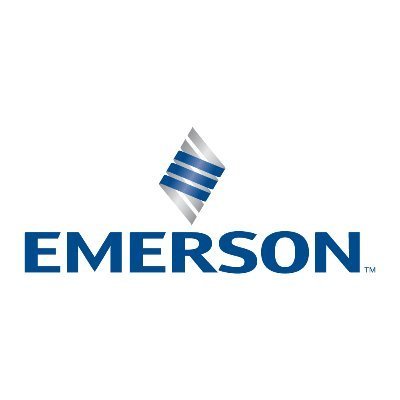
- Software Deployment: Emerson's Ovation Green SCADA software is utilized by Holy Cross Energy to monitor and manage renewable power generation across four facilities in Colorado, highlighting the growing demand for digital tools as renewable energy capacity expands.
- Service Coverage: Holy Cross Energy uses the software to oversee solar, wind, and battery storage assets, providing electricity to over 45,000 members, approximately 52,000 households, with a peak load of around 300 megawatts, underscoring its significance in power supply.
- Emerging Market Opportunities: As power providers incorporate intermittent resources like solar and wind, the demand for monitoring, forecasting, and control platforms is increasing, creating recurring software and service opportunities for industrial technology companies like Emerson, reflecting broader investment trends in the sector.
- Operational Efficiency: The software consolidates operational data from multiple generation assets, allowing operators to monitor plant performance in real-time and create schedules for power generation and battery storage output, thereby enhancing efficiency and reliability in energy management.
See More

Emerson Partners with Saudi Aramco for Corrosion Management Solutions
- Strategic Partnership: Emerson has signed a strategic agreement with Saudi Aramco to co-develop next-generation predictive corrosion management solutions, significantly enhancing operational efficiency and safety by replacing manual data collection with continuous digital monitoring.
- Innovative Technology Application: By utilizing Emerson's ultrasonic online monitoring, wireless connectivity, and real-time data analytics, Aramco will achieve a more reliable automated data stream, thereby improving industrial decision-making and reducing the risk of human error.
- Industry Expertise Integration: This collaboration blends Aramco's industry expertise with Emerson's technological leadership, aiming to transform corrosion tracking in the energy sector, enhance overall production efficiency, and mitigate costly unplanned downtime.
- Strengthened Environmental Responsibility: By implementing advanced corrosion management technologies, Emerson not only aids Aramco in improving safety and efficiency but also enhances its environmental responsibility, aligning with the growing global focus on sustainability.
See More

Emerson Partners with Aramco to Develop Corrosion Management Solutions
- Strategic Partnership: Emerson is collaborating with Aramco, a leading global energy and chemicals company, to co-develop next-generation corrosion management solutions aimed at enhancing Aramco's operational performance and safety, highlighting a deep technological partnership.
- Digital Monitoring: By eliminating inefficient and hazardous manual corrosion measurements, Emerson's solutions will provide a reliable digital data stream that improves decision-making processes and enhances overall operational efficiency.
- Technological Leadership: Emerson will leverage its leadership in ultrasonic online corrosion monitoring technology to provide seamless wireless connectivity and real-time data collection, ensuring the effectiveness of a fit-for-purpose corrosion management solution tailored for Aramco.
- Industry Impact: This collaboration not only provides corrosion solutions for Aramco's extensive operations but also serves as a valuable tool for other industries, underscoring Emerson's significant role in driving industrial digital transformation.
See More

Emerson and Aramco Collaborate on Corrosion Management Solutions
- Strategic Partnership: Emerson has signed an agreement with Saudi Aramco to co-develop next-generation corrosion management solutions, aimed at enhancing Aramco's operational performance and safety, highlighting the potential for deep collaboration in the energy sector.
- Real-Time Monitoring Technology: Emerson's advanced corrosion monitoring platform delivers real-time data analytics that effectively prevent unplanned downtime and boost production efficiency, providing robust technical support for Aramco's operations.
- Digital Transformation: By combining Aramco's expertise with Emerson's technology, the collaboration aims to digitalize corrosion management, eliminating the inefficiencies and dangers of traditional manual measurements, thereby improving decision-making quality.
- Industry Impact: Emerson's technological leadership positions it to create cost-effective corrosion monitoring solutions tailored for Aramco, while also offering valuable management tools applicable to other industries, showcasing broad market potential.
See More
Stocks Surge After Trump Cancels Iran Strikes
- Market Rebound: Stocks surged on Thursday, with the S&P 500 index achieving its first positive session after President Trump announced the cancellation of strikes against Iran, indicating a market sensitivity to political stability that may attract more investors.
- Honeywell Investor Day: Honeywell showcased its growth potential during its Technologies business investor day, with expectations that the upcoming spin-off of its Aerospace business on June 29 will significantly enhance the company's valuation, reflecting the success of its strategic restructuring.
- Clear Financial Targets: Honeywell's management outlined three-year financial targets of 4% to 6% organic sales growth and steady annual margin expansion, aiming for $6 in earnings per share, which underscores the company's focus on profitability and growth.
- Freight Sector Recovery: Following concerns about Amazon's expansion into less-than-truckload services, trucking and freight stocks rebounded strongly, with analysts noting that Amazon's retail competitors are unlikely to utilize these services, providing a protective buffer for traditional carriers and boosting market confidence.
See More
Latest Wall Street Ratings Overview
- Tesla's Self-Driving Tech: Piper Sandler reiterates Tesla as overweight, highlighting progress in its full self-driving software despite ongoing market skepticism, reflecting competitive pressures in the autonomous driving sector.
- Hyliion Stock Rating: Needham initiates coverage of Hyliion Holdings with a Buy rating and a $9 target, indicating strong performance in power solutions and showcasing the company's market potential and growth momentum.
- Healthcare Market Opportunity: Barclays upgrades Oscar Health from equal weight to overweight, believing the company's single-line exposure to the Individual ACA market provides direct leverage for potential multi-year re-rating, signaling recovery in margins.
- Nvidia Stock Attractiveness: Rosenblatt reiterates Nvidia as a Buy, emphasizing its leadership in AI computing and strong growth visibility, with shares currently trading at a ~35% discount to peers, indicating significant investment value.
See More
Emerson's Software Enhances Renewable Energy Management
- Software Deployment: Emerson's Ovation Green SCADA software is utilized by Holy Cross Energy to monitor and manage renewable power generation across four facilities in Colorado, highlighting the growing demand for digital tools as renewable energy capacity expands.
- Service Coverage: Holy Cross Energy uses the software to oversee solar, wind, and battery storage assets, providing electricity to over 45,000 members, approximately 52,000 households, with a peak load of around 300 megawatts, underscoring its significance in power supply.
- Emerging Market Opportunities: As power providers incorporate intermittent resources like solar and wind, the demand for monitoring, forecasting, and control platforms is increasing, creating recurring software and service opportunities for industrial technology companies like Emerson, reflecting broader investment trends in the sector.
- Operational Efficiency: The software consolidates operational data from multiple generation assets, allowing operators to monitor plant performance in real-time and create schedules for power generation and battery storage output, thereby enhancing efficiency and reliability in energy management.
See More
Emerson Partners with Saudi Aramco for Corrosion Management Solutions
- Strategic Partnership: Emerson has signed a strategic agreement with Saudi Aramco to co-develop next-generation predictive corrosion management solutions, significantly enhancing operational efficiency and safety by replacing manual data collection with continuous digital monitoring.
- Innovative Technology Application: By utilizing Emerson's ultrasonic online monitoring, wireless connectivity, and real-time data analytics, Aramco will achieve a more reliable automated data stream, thereby improving industrial decision-making and reducing the risk of human error.
- Industry Expertise Integration: This collaboration blends Aramco's industry expertise with Emerson's technological leadership, aiming to transform corrosion tracking in the energy sector, enhance overall production efficiency, and mitigate costly unplanned downtime.
- Strengthened Environmental Responsibility: By implementing advanced corrosion management technologies, Emerson not only aids Aramco in improving safety and efficiency but also enhances its environmental responsibility, aligning with the growing global focus on sustainability.
See More
Emerson Partners with Aramco to Develop Corrosion Management Solutions
- Strategic Partnership: Emerson is collaborating with Aramco, a leading global energy and chemicals company, to co-develop next-generation corrosion management solutions aimed at enhancing Aramco's operational performance and safety, highlighting a deep technological partnership.
- Digital Monitoring: By eliminating inefficient and hazardous manual corrosion measurements, Emerson's solutions will provide a reliable digital data stream that improves decision-making processes and enhances overall operational efficiency.
- Technological Leadership: Emerson will leverage its leadership in ultrasonic online corrosion monitoring technology to provide seamless wireless connectivity and real-time data collection, ensuring the effectiveness of a fit-for-purpose corrosion management solution tailored for Aramco.
- Industry Impact: This collaboration not only provides corrosion solutions for Aramco's extensive operations but also serves as a valuable tool for other industries, underscoring Emerson's significant role in driving industrial digital transformation.
See More
Emerson and Aramco Collaborate on Corrosion Management Solutions
- Strategic Partnership: Emerson has signed an agreement with Saudi Aramco to co-develop next-generation corrosion management solutions, aimed at enhancing Aramco's operational performance and safety, highlighting the potential for deep collaboration in the energy sector.
- Real-Time Monitoring Technology: Emerson's advanced corrosion monitoring platform delivers real-time data analytics that effectively prevent unplanned downtime and boost production efficiency, providing robust technical support for Aramco's operations.
- Digital Transformation: By combining Aramco's expertise with Emerson's technology, the collaboration aims to digitalize corrosion management, eliminating the inefficiencies and dangers of traditional manual measurements, thereby improving decision-making quality.
- Industry Impact: Emerson's technological leadership positions it to create cost-effective corrosion monitoring solutions tailored for Aramco, while also offering valuable management tools applicable to other industries, showcasing broad market potential.
See More