Elevance Health Faces Medicare Enrollment Freeze Amid Regulatory Scrutiny
Written by Emily J. Thompson, Senior Investment Analyst
Updated: Mar 02 2026
0mins
Should l Buy ELV?
Source: Benzinga
- Enrollment Freeze: Elevance Health is facing a suspension of Medicare Advantage enrollment as CMS plans to impose sanctions effective March 31, 2026, which could hinder the company's market expansion despite current members' benefits remaining intact.
- Compliance Issues: CMS highlighted Elevance's noncompliance with Medicare Advantage risk adjustment data submission requirements prior to April 3, 2023, and although the company revised its practices in April 2023, ongoing regulatory scrutiny may impact future compliance and reputation.
- Bleak Financial Outlook: Elevance reported fourth-quarter 2025 revenues of $49.3 billion, a 10% year-over-year increase but below the consensus of $49.82 billion, and expects adjusted earnings for 2026 to be at least $25.50 per share, lower than Wall Street's estimate of $26.90, indicating significant financial challenges ahead.
- Payment Policy Pressure: Proposed updates to Medicare Advantage payment policies by CMS suggest a mere 0.09% payment growth for 2027, significantly below the expected 4%-6%, which will further strain Elevance's financial performance and profitability.
Trade with 70% Backtested Accuracy
Stop guessing "Should I Buy ELV?" and start using high-conviction signals backed by rigorous historical data.
Sign up today to access powerful investing tools and make smarter, data-driven decisions.
Analyst Views on ELV
Wall Street analysts forecast ELV stock price to fall
15 Analyst Rating
11 Buy
4 Hold
0 Sell
Moderate Buy
Current: 396.710

Low
332.00
Averages
389.07
High
425.00
Current: 396.710
Low
332.00
Averages
389.07
High
425.00
About ELV
Elevance Health, Inc. is a health company. It operates as a health insurer in the United States. The Company operates through four segments: Health Benefits, CarelonRx, Carelon Services and Corporate & Other. The Health Benefits segment offers a comprehensive suite of health plans and services to its Individual, Employer Group risk-based, Employer Group fee-based, BlueCard, Medicare, Medicaid and Federal Employee Program (FEP) members. The Health Benefits segment also offers health products on a full-risk basis. The CarelonRx segment includes its pharmacy services business. CarelonRx markets and offers pharmacy services to its affiliated health plan customers, as well as to external customers outside of the health plans. The Carelon Services segment integrates physical, behavioral, pharmacy, and social services by offering an array of healthcare-related services and capabilities to internal and external customers through its Carelon Health and Carelon Insights businesses.
About the author

Emily J. Thompson
Emily J. Thompson, a Chartered Financial Analyst (CFA) with 12 years in investment research, graduated with honors from the Wharton School. Specializing in industrial and technology stocks, she provides in-depth analysis for Intellectia’s earnings and market brief reports.

U.S. Health Insurers Report Strong Q1 Results

- Strong Q1 Performance: Major U.S. health insurers, including UnitedHealth Group and Cigna, reported first-quarter results exceeding analysts' expectations, indicating improved cost management capabilities despite industry pressures that have seen the S&P managed care index drop over 12% since July 2023.
- Stabilizing Medical Costs: Analysts noted that while medical costs have continued to rise in government-sponsored health plans, recent performances suggest that cost trends may be stabilizing, with potential for further positive earnings estimate revisions reflecting improving fundamentals in the industry.
- Upcoming Quarter Challenges: Analysts caution that the second quarter typically serves as a test for health insurers, with historical data indicating that claims may surprise in May, prompting investors to closely monitor the upcoming months for financial performance.
- Positive Market Reaction: Despite seasonal factors impacting costs, analysts maintain an optimistic view on the industry's core strength, suggesting that the improvement in medical costs may be sustainable rather than a temporary occurrence, indicating a gradual enhancement of the industry's fundamentals.
See More

Elevra Lithium Expansion Project Updated Scoping Study Results


- Economic Benefit Enhancement: The updated scoping study reveals that Elevra Lithium's North American Lithium expansion project's post-tax NPV has increased from C$479M (US$355M) to C$969M (US$718M), a 102% rise primarily driven by rising lithium prices and optimized production stages, significantly enhancing the project's financial appeal.
- Accelerated Production Capacity: The expansion project is expected to increase annual production from 315 kt to 338 kt, achieving this production speed two years ahead of the original plan, indicating Elevra's strategic flexibility and market responsiveness in meeting the growing lithium demand.
- Stable Capital Expenditure: The total capital expenditure for the project remains at C$366M (US$270M), and the phased investment strategy not only reduces initial capital requirements but also mitigates operational risks through staged implementation, ensuring effective capital utilization.
- Operational Cost Control: The projected unit production cost post-expansion is estimated at C$847/tonne (US$628/tonne), consistent with previous studies, indicating that Elevra can enhance production efficiency while maintaining cost control, thereby strengthening the project's long-term profitability.
See More
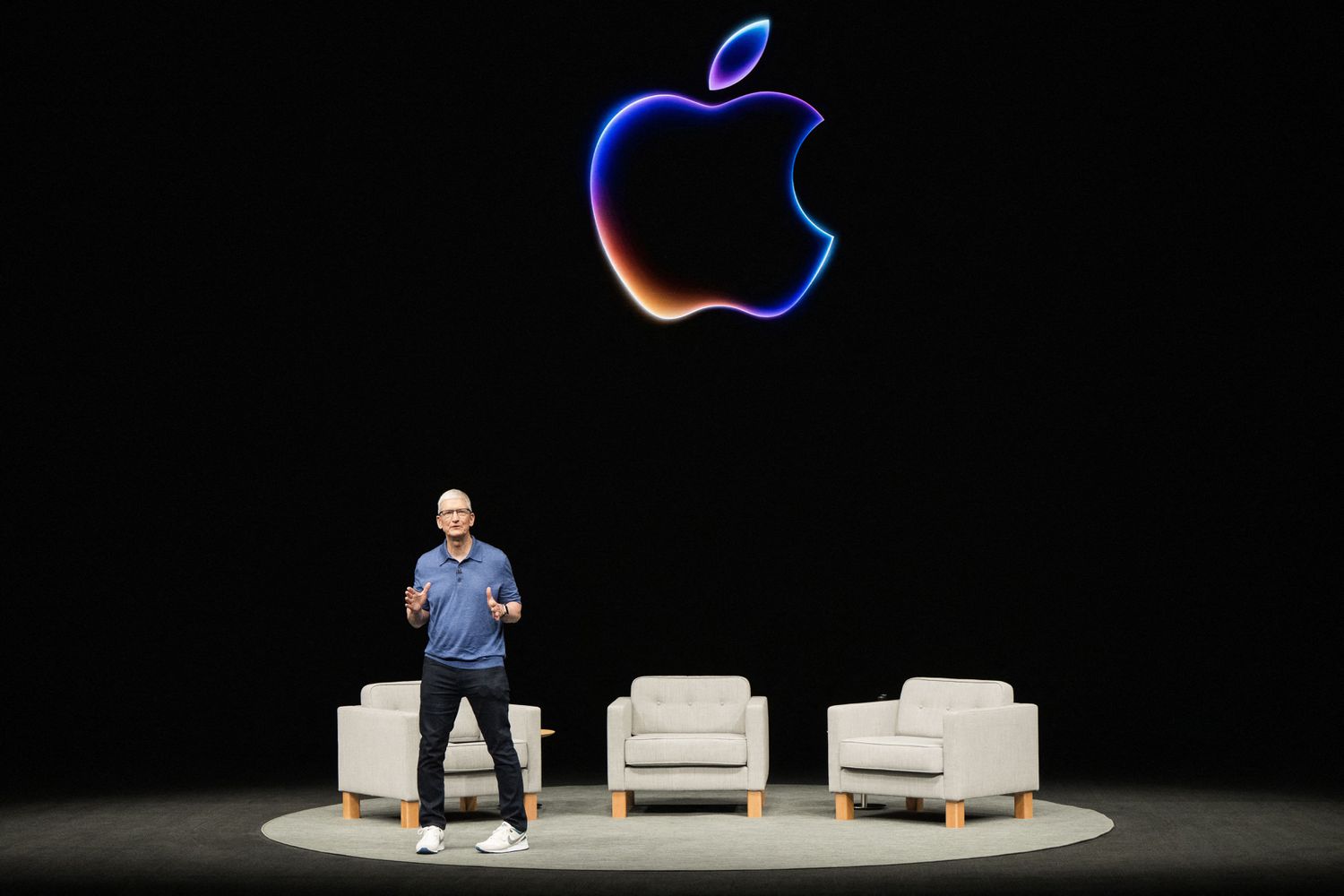
Apple, Amazon, and TSMC Deliver Earnings Triple Plays


- Earnings Highlights: Apple, Amazon, and TSMC have all achieved a 'triple play' this quarter, delivering growth in earnings, revenue, and guidance, which underscores strong market demand and business resilience, further solidifying their leadership positions in their respective industries.
- Market Reaction: Investors reacted positively to the earnings reports from these three companies, driving stock prices higher, which reflects a renewed confidence in tech stocks and may attract more capital inflows into the technology sector.
- Industry Impact: The robust performance of these companies not only enhances their market valuations but may also lead to upward revisions in earnings expectations for other tech firms, creating a virtuous cycle that could further drive the recovery of the entire industry.
- Future Outlook: As the global economy gradually recovers, the success stories of Apple, Amazon, and TSMC may inspire other companies to adopt similar growth strategies, fostering innovation and investment that drive long-term growth.
See More

Amazon's New Logistics Initiative Shakes Market
- Increased Market Competition: Amazon's announcement of a new initiative allowing external businesses to utilize its supply chain for deliveries led to significant stock declines for UPS and FedEx, dropping over 10% and 9% respectively, indicating investor concerns about intensified competition in the logistics sector.
- Strong Sales Growth: Palantir reported an impressive 85% revenue growth in Q1, with net income approximately quadrupling year-over-year, showcasing its robust performance in the defense technology sector and projecting a doubling of its U.S. business in the coming year.
- Tesla and SEC Settlement: Tesla CEO Elon Musk reached a settlement with the SEC, agreeing to pay $1.5 million in penalties over allegations of failing to disclose his Twitter stake prior to acquisition, although this minor fine is not expected to have a significant financial impact on the company.
- GLP-1 Market Dynamics: Novo Nordisk's Wegovy pill has rapidly gained tens of thousands of new users within four months of launch, while Eli Lilly's competing Foundayo has seen a more modest uptake, reflecting a shift in market demand for weight-loss medications.
See More

Amazon's New Logistics Initiative Shakes Market


- Market Uncertainty Intensifies: Rising tensions in the Middle East have led to surging oil prices, causing the Dow Jones Industrial Average to drop over 550 points on Monday, marking its worst performance in more than a month, which has left investors concerned about future market sentiment.
- Palantir Surpasses Expectations: Palantir reported an 85% revenue growth in Q1, with net income nearly quadrupling year-over-year, and anticipates its U.S. business will double again next year, raising its full-year free cash flow guidance to $4.2 billion to $4.4 billion, indicating strong market demand and growth potential.
- Tesla Settles with SEC: Tesla CEO Elon Musk has agreed to pay $1.5 million to the SEC to settle allegations of failing to disclose his stake in Twitter before its acquisition, which, if approved by the judge, could alleviate legal risks for Musk and potentially have a positive impact on Tesla's stock price.
- Amazon's New Logistics Initiative: Amazon announced a new initiative allowing external businesses to utilize its supply chain networks for deliveries, which has raised concerns about increased competition with UPS and FedEx, leading to stock declines of over 10% and 9% respectively, reflecting market apprehension about the new competitive landscape.
See More
Health Insurers Show Strong Q1 Performance Amid Cost Challenges

- Strong Q1 Results: Major health insurers like UnitedHealth, Elevance, Cigna, and Humana exceeded expectations, boosting investor sentiment despite rising medical costs, reflecting effective strategies in pricing and cost control.
- Increased Medical Reserves: Analysts noted that insurers have strengthened medical reserves, providing a cushion for future claims, a strategy that could imply positive earnings implications for 2026, although the real data from Q2 remains crucial.
- Market Adjustment Strategies: Companies have successfully reduced medical loss ratios by exiting unprofitable markets and adjusting pricing and benefits of medical plans, demonstrating effective responses to increased demand for medical services post-pandemic, thereby enhancing market competitiveness.
- Critical Future Outlook: The second quarter will serve as a true test for insurers, as more claims data becomes available, investors will closely monitor medical loss ratios and changes in full-year outlooks to assess whether companies can sustain current growth momentum.
See More
U.S. Health Insurers Report Strong Q1 Results
- Strong Q1 Performance: Major U.S. health insurers, including UnitedHealth Group and Cigna, reported first-quarter results exceeding analysts' expectations, indicating improved cost management capabilities despite industry pressures that have seen the S&P managed care index drop over 12% since July 2023.
- Stabilizing Medical Costs: Analysts noted that while medical costs have continued to rise in government-sponsored health plans, recent performances suggest that cost trends may be stabilizing, with potential for further positive earnings estimate revisions reflecting improving fundamentals in the industry.
- Upcoming Quarter Challenges: Analysts caution that the second quarter typically serves as a test for health insurers, with historical data indicating that claims may surprise in May, prompting investors to closely monitor the upcoming months for financial performance.
- Positive Market Reaction: Despite seasonal factors impacting costs, analysts maintain an optimistic view on the industry's core strength, suggesting that the improvement in medical costs may be sustainable rather than a temporary occurrence, indicating a gradual enhancement of the industry's fundamentals.
See More
Elevra Lithium Expansion Project Updated Scoping Study Results
- Economic Benefit Enhancement: The updated scoping study reveals that Elevra Lithium's North American Lithium expansion project's post-tax NPV has increased from C$479M (US$355M) to C$969M (US$718M), a 102% rise primarily driven by rising lithium prices and optimized production stages, significantly enhancing the project's financial appeal.
- Accelerated Production Capacity: The expansion project is expected to increase annual production from 315 kt to 338 kt, achieving this production speed two years ahead of the original plan, indicating Elevra's strategic flexibility and market responsiveness in meeting the growing lithium demand.
- Stable Capital Expenditure: The total capital expenditure for the project remains at C$366M (US$270M), and the phased investment strategy not only reduces initial capital requirements but also mitigates operational risks through staged implementation, ensuring effective capital utilization.
- Operational Cost Control: The projected unit production cost post-expansion is estimated at C$847/tonne (US$628/tonne), consistent with previous studies, indicating that Elevra can enhance production efficiency while maintaining cost control, thereby strengthening the project's long-term profitability.
See More
Apple, Amazon, and TSMC Deliver Earnings Triple Plays
- Earnings Highlights: Apple, Amazon, and TSMC have all achieved a 'triple play' this quarter, delivering growth in earnings, revenue, and guidance, which underscores strong market demand and business resilience, further solidifying their leadership positions in their respective industries.
- Market Reaction: Investors reacted positively to the earnings reports from these three companies, driving stock prices higher, which reflects a renewed confidence in tech stocks and may attract more capital inflows into the technology sector.
- Industry Impact: The robust performance of these companies not only enhances their market valuations but may also lead to upward revisions in earnings expectations for other tech firms, creating a virtuous cycle that could further drive the recovery of the entire industry.
- Future Outlook: As the global economy gradually recovers, the success stories of Apple, Amazon, and TSMC may inspire other companies to adopt similar growth strategies, fostering innovation and investment that drive long-term growth.
See More
Amazon's New Logistics Initiative Shakes Market
- Increased Market Competition: Amazon's announcement of a new initiative allowing external businesses to utilize its supply chain for deliveries led to significant stock declines for UPS and FedEx, dropping over 10% and 9% respectively, indicating investor concerns about intensified competition in the logistics sector.
- Strong Sales Growth: Palantir reported an impressive 85% revenue growth in Q1, with net income approximately quadrupling year-over-year, showcasing its robust performance in the defense technology sector and projecting a doubling of its U.S. business in the coming year.
- Tesla and SEC Settlement: Tesla CEO Elon Musk reached a settlement with the SEC, agreeing to pay $1.5 million in penalties over allegations of failing to disclose his Twitter stake prior to acquisition, although this minor fine is not expected to have a significant financial impact on the company.
- GLP-1 Market Dynamics: Novo Nordisk's Wegovy pill has rapidly gained tens of thousands of new users within four months of launch, while Eli Lilly's competing Foundayo has seen a more modest uptake, reflecting a shift in market demand for weight-loss medications.
See More
Amazon's New Logistics Initiative Shakes Market
- Market Uncertainty Intensifies: Rising tensions in the Middle East have led to surging oil prices, causing the Dow Jones Industrial Average to drop over 550 points on Monday, marking its worst performance in more than a month, which has left investors concerned about future market sentiment.
- Palantir Surpasses Expectations: Palantir reported an 85% revenue growth in Q1, with net income nearly quadrupling year-over-year, and anticipates its U.S. business will double again next year, raising its full-year free cash flow guidance to $4.2 billion to $4.4 billion, indicating strong market demand and growth potential.
- Tesla Settles with SEC: Tesla CEO Elon Musk has agreed to pay $1.5 million to the SEC to settle allegations of failing to disclose his stake in Twitter before its acquisition, which, if approved by the judge, could alleviate legal risks for Musk and potentially have a positive impact on Tesla's stock price.
- Amazon's New Logistics Initiative: Amazon announced a new initiative allowing external businesses to utilize its supply chain networks for deliveries, which has raised concerns about increased competition with UPS and FedEx, leading to stock declines of over 10% and 9% respectively, reflecting market apprehension about the new competitive landscape.
See More
Health Insurers Show Strong Q1 Performance Amid Cost Challenges
- Strong Q1 Results: Major health insurers like UnitedHealth, Elevance, Cigna, and Humana exceeded expectations, boosting investor sentiment despite rising medical costs, reflecting effective strategies in pricing and cost control.
- Increased Medical Reserves: Analysts noted that insurers have strengthened medical reserves, providing a cushion for future claims, a strategy that could imply positive earnings implications for 2026, although the real data from Q2 remains crucial.
- Market Adjustment Strategies: Companies have successfully reduced medical loss ratios by exiting unprofitable markets and adjusting pricing and benefits of medical plans, demonstrating effective responses to increased demand for medical services post-pandemic, thereby enhancing market competitiveness.
- Critical Future Outlook: The second quarter will serve as a true test for insurers, as more claims data becomes available, investors will closely monitor medical loss ratios and changes in full-year outlooks to assess whether companies can sustain current growth momentum.
See More