Editorial | Uncertain Backing for the FDA's Biologics Evaluation

FDA Rejection of Replimune's RP1: The FDA rejected Replimune's RP1 immunotherapy for metastatic melanoma due to insufficient evidence of effectiveness, despite the Public Health Service Act not requiring such evidence for approval.
Understanding Potency vs. Effectiveness: The term "potency" refers to the amount of a product needed to achieve a certain effect in laboratory settings, which is distinct from "effectiveness" in clinical applications.
Historical Context of the Biologics Act: The original Biologics Act of 1902 included a requirement for "efficaciousness," but this was removed by the Senate during the consolidation into the Public Health Service Act in 1944.
Implications of Legislative Changes: The removal of the efficacy requirement has implications for how biologics are evaluated and approved, potentially affecting patient access to effective treatments.
Trade with 70% Backtested Accuracy
Analyst Views on CVX

About CVX
About the author

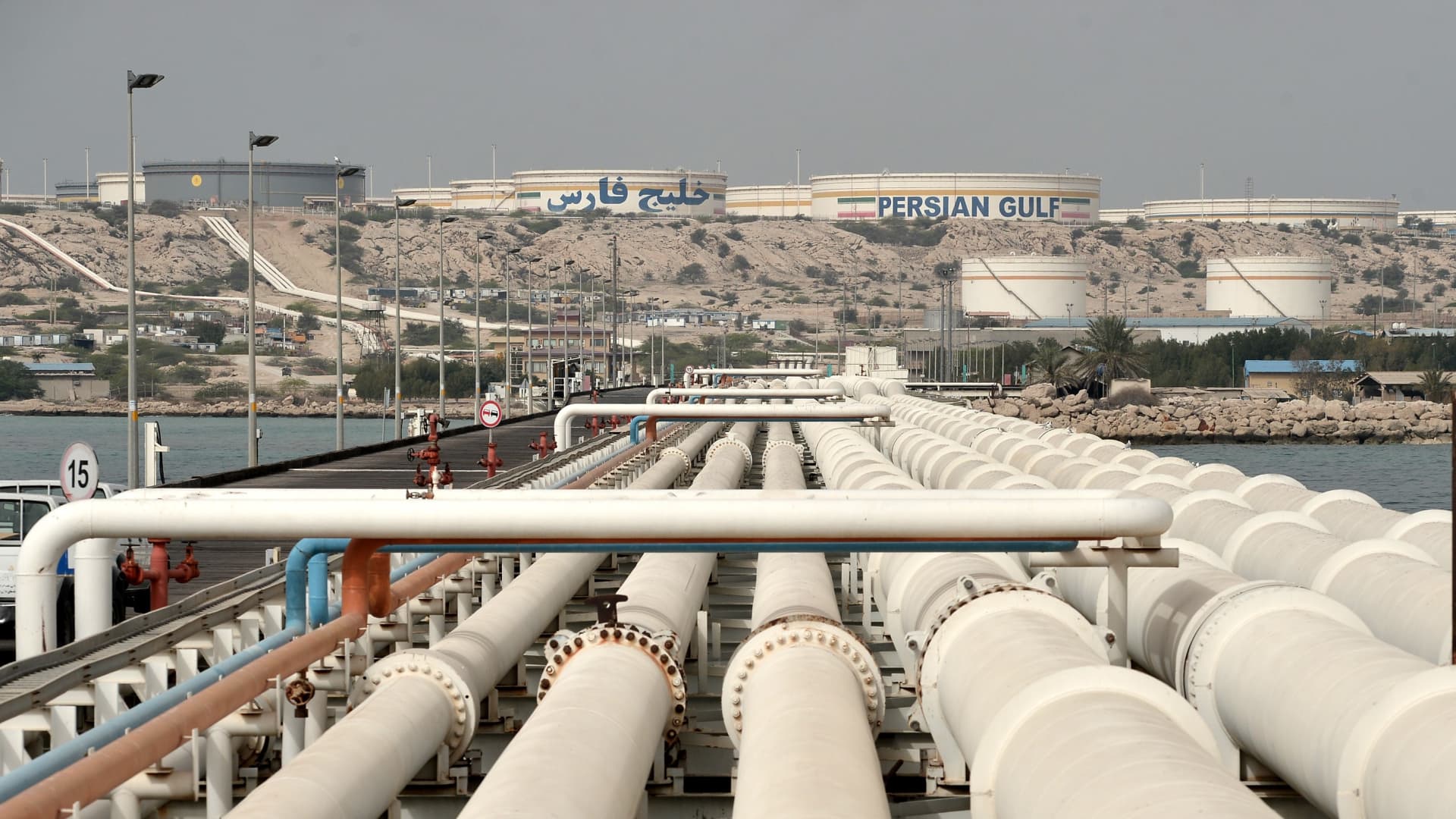
Trump Considers Ending War in Iran Amid Oil Price Fluctuations


- Oil Price Fluctuations: Oil prices reversed course as traders reacted to Trump's statements about potentially ending U.S. operations against Iran, with WTI futures dropping 0.72% to $102.14 per barrel and Brent crude falling 1% to $111.55, indicating market sensitivity to geopolitical risks.
- Escalating Military Threats: Trump threatened to attack Iran's energy infrastructure if Tehran does not reopen the Strait of Hormuz, which could escalate regional tensions and disrupt global energy supply chains, reflecting the precarious balance of power in the region.
- Ongoing Conflict: The Iran war has entered its fifth week, with Tehran striking a fully laden Kuwaiti oil tanker, prompting firefighting operations in Dubai's port, although no injuries were reported, highlighting the conflict's expanding impact on maritime security.
- Ground Troop Considerations: Trump is reportedly weighing the option of deploying ground forces to seize Kharg Island, a critical fuel hub, which could increase U.S. casualties and extend the war's duration and costs, raising concerns among experts about the potential consequences of such actions.

Middle East Conflict Escalates Turmoil in Asia-Pacific Markets


- Escalating Middle East Tensions: As the conflict in the Middle East enters its fifth week, President Trump escalates threats to destroy Iran's electricity and oil facilities if the Strait of Hormuz remains closed, heightening market anxiety and diminishing investor confidence in Asia-Pacific markets.
- Surging Oil Prices: West Texas Intermediate crude prices rose over 3% to settle just below $103 per barrel, while Brent crude futures climbed to $112.78, marking the highest levels since 2022, reflecting concerns over potential supply disruptions.
- Declining Asia-Pacific Markets: Australia's S&P/ASX 200 index fell 0.30% in early trading, with Japan's Nikkei 225 and Hong Kong's Hang Seng index futures also indicating downward trends, suggesting a pessimistic outlook among investors regarding future market performance.
- Divergent U.S. Stock Performance: While the S&P 500 and Nasdaq Composite fell by 0.39% and 0.73% respectively, the Dow Jones Industrial Average managed a slight gain of 0.11%, indicating varied investor reactions across different sectors amidst ongoing uncertainty.
S&P 500 Falls for Third Day; Bond Market Dynamics in Focus


- Bond Yield Movements: The 10-year Treasury yield stands at 4.35%, while the 2-year yield is at 3.838%, indicating investor expectations for a potential rate cut, which could impact stock market performance and trigger shifts in capital flows.
- Oil Price Surge: Amid concerns that the Houthi group in Yemen may attack Israel, both West Texas Intermediate and Brent crude oil futures have risen, reflecting market sensitivity to geopolitical risks that could lead to volatility in energy stocks.
- Palo Alto Networks Stock Fluctuation: The company's shares rose about 5% on Monday, yet they are down 31% from the October peak, highlighting the volatility in market demand for cybersecurity and its potential impact on future performance.
- McCormick Earnings Outlook: The company's stock has fallen 21.6% in the past three months and is down 35% from last March's high, reflecting cautious market sentiment regarding its future performance, which may affect investor confidence.
Libya Signs MOU with Chevron to Boost Oil Exploration
- International Investment Return: Libya's National Oil Corporation signed a memorandum of understanding with Chevron to conduct technical studies on the NC 146 offshore block, signaling the potential return of international investment to Libya's energy sector after years of instability due to two civil wars and the fall of the Gaddafi regime.
- Significant Reserve Potential: NOC Chairman Mesud Suleiman stated that the block holds substantial potential to enhance Libya's national reserves and could yield significant discoveries, thereby driving economic recovery for the nation.
- Confidence Message: Suleiman emphasized that the partnership with Chevron is more than just a technical arrangement; it conveys confidence in Libya's investment environment and indicates that major companies are returning to explore and operate in promising opportunities within the country.
- Rich Oil Resources: Chevron's VP for exploration, Kevin Mclachlan, noted that Libya has significant proven oil reserves and a long history of resource production, providing a solid foundation for future investments.
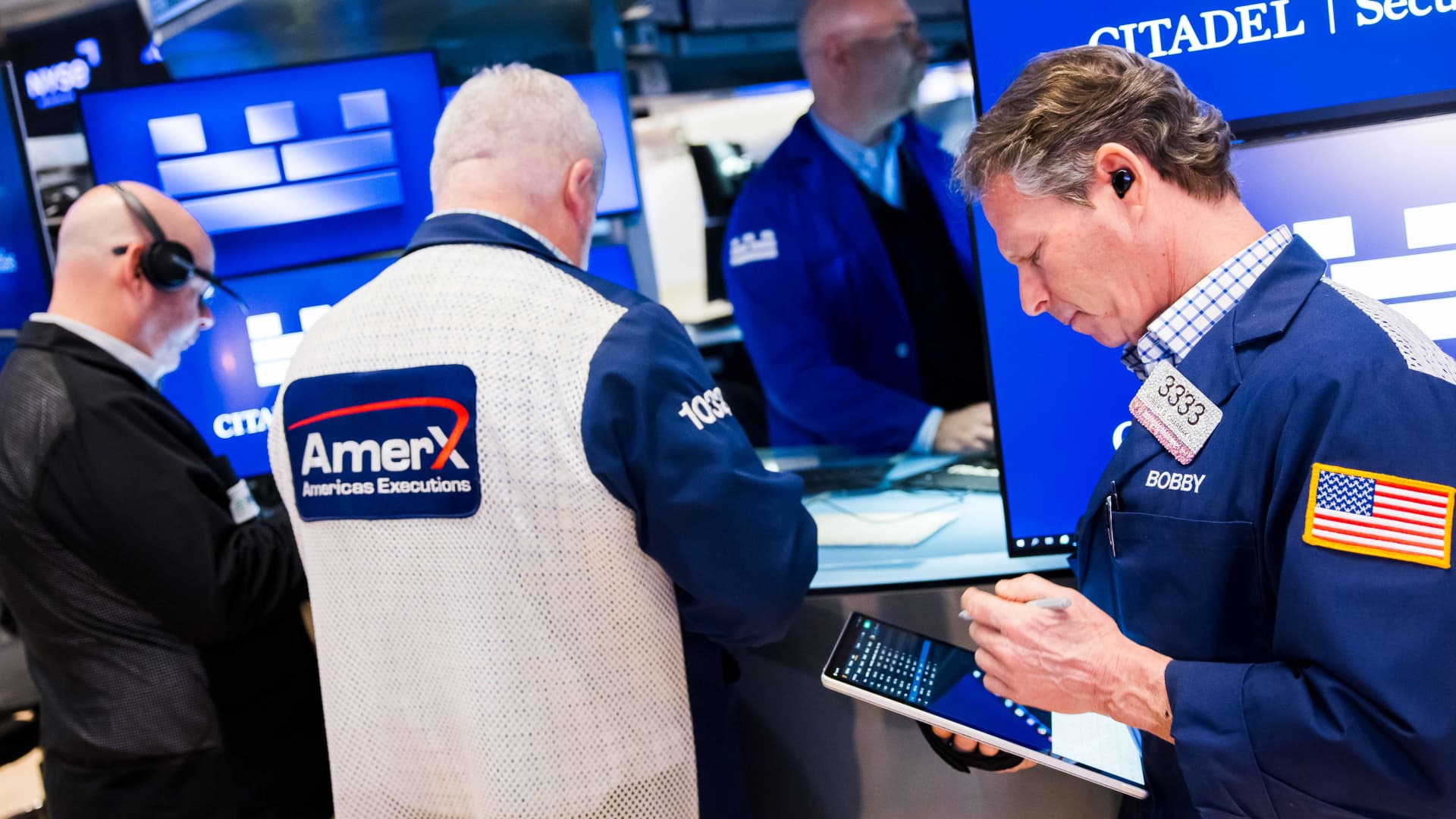
Markets Misinterpret Fed's Rate Hike Signals Amid Oil Price Surge


- Market Expectation Volatility: Investors have rapidly shifted their expectations regarding U.S. interest rates, with the CME Group's FedWatch tool indicating that futures markets implied over a 50% chance of a rate hike by the end of 2026 on Friday, which fell to about 14% by Monday morning, reflecting an overreaction to rate hike signals.
- Impact of Surging Oil Prices: Global Brent crude prices have surged above $115 per barrel due to the ongoing Iran war, exacerbating inflation concerns and prompting investors to question whether the Fed might tighten monetary policy again despite signs of slowing growth.
- Historical Lessons: Goldman Sachs highlights the cautionary tale of the 1990 oil shock, where markets initially anticipated a hawkish Fed response but ultimately saw rate cuts as economic conditions worsened, suggesting that current market pricing may be misaligned with historical precedents.
- Political Factors at Play: President Trump indicated that an end to the conflict with Iran may be near, although he warned that if a peace deal is not reached soon, the U.S. would attack key Iranian energy infrastructure, which could further influence oil price movements.
Chevron's Wheatstone LNG Facility Faces Extended Production Halt

- Production Resumption Delay: Chevron announced that its Wheatstone liquefied natural gas facility in Western Australia is unlikely to resume full production for several weeks due to damage from last week's tropical cyclone, which poses another setback for the global LNG market.
- Global Supply Impact: The Wheatstone plant accounted for 2.4% of global LNG trade in February, shipping 11 cargoes—10 to Japan and 1 to Thailand—meaning its production halt will significantly disrupt the global supply chain.
- Climate Disaster Effects: The cyclone is estimated to have disrupted Australian LNG supply by over 30 million metric tons per year, and combined with the shocks from the Middle East conflict, over 25% of global LNG supply has been disrupted, exacerbating market tensions.
- Other Facility Recovery Status: While Wheatstone is affected, Chevron's Gorgon facility has returned to full production levels, and Woodside Energy is working to restore normal operations at its North West Shelf facility, indicating ongoing recovery efforts within the industry.
Trump Considers Ending War in Iran Amid Oil Price Fluctuations
- Oil Price Fluctuations: Oil prices reversed course as traders reacted to Trump's statements about potentially ending U.S. operations against Iran, with WTI futures dropping 0.72% to $102.14 per barrel and Brent crude falling 1% to $111.55, indicating market sensitivity to geopolitical risks.
- Escalating Military Threats: Trump threatened to attack Iran's energy infrastructure if Tehran does not reopen the Strait of Hormuz, which could escalate regional tensions and disrupt global energy supply chains, reflecting the precarious balance of power in the region.
- Ongoing Conflict: The Iran war has entered its fifth week, with Tehran striking a fully laden Kuwaiti oil tanker, prompting firefighting operations in Dubai's port, although no injuries were reported, highlighting the conflict's expanding impact on maritime security.
- Ground Troop Considerations: Trump is reportedly weighing the option of deploying ground forces to seize Kharg Island, a critical fuel hub, which could increase U.S. casualties and extend the war's duration and costs, raising concerns among experts about the potential consequences of such actions.
Middle East Conflict Escalates Turmoil in Asia-Pacific Markets
- Escalating Middle East Tensions: As the conflict in the Middle East enters its fifth week, President Trump escalates threats to destroy Iran's electricity and oil facilities if the Strait of Hormuz remains closed, heightening market anxiety and diminishing investor confidence in Asia-Pacific markets.
- Surging Oil Prices: West Texas Intermediate crude prices rose over 3% to settle just below $103 per barrel, while Brent crude futures climbed to $112.78, marking the highest levels since 2022, reflecting concerns over potential supply disruptions.
- Declining Asia-Pacific Markets: Australia's S&P/ASX 200 index fell 0.30% in early trading, with Japan's Nikkei 225 and Hong Kong's Hang Seng index futures also indicating downward trends, suggesting a pessimistic outlook among investors regarding future market performance.
- Divergent U.S. Stock Performance: While the S&P 500 and Nasdaq Composite fell by 0.39% and 0.73% respectively, the Dow Jones Industrial Average managed a slight gain of 0.11%, indicating varied investor reactions across different sectors amidst ongoing uncertainty.
S&P 500 Falls for Third Day; Bond Market Dynamics in Focus
- Bond Yield Movements: The 10-year Treasury yield stands at 4.35%, while the 2-year yield is at 3.838%, indicating investor expectations for a potential rate cut, which could impact stock market performance and trigger shifts in capital flows.
- Oil Price Surge: Amid concerns that the Houthi group in Yemen may attack Israel, both West Texas Intermediate and Brent crude oil futures have risen, reflecting market sensitivity to geopolitical risks that could lead to volatility in energy stocks.
- Palo Alto Networks Stock Fluctuation: The company's shares rose about 5% on Monday, yet they are down 31% from the October peak, highlighting the volatility in market demand for cybersecurity and its potential impact on future performance.
- McCormick Earnings Outlook: The company's stock has fallen 21.6% in the past three months and is down 35% from last March's high, reflecting cautious market sentiment regarding its future performance, which may affect investor confidence.
Libya Signs MOU with Chevron to Boost Oil Exploration
- International Investment Return: Libya's National Oil Corporation signed a memorandum of understanding with Chevron to conduct technical studies on the NC 146 offshore block, signaling the potential return of international investment to Libya's energy sector after years of instability due to two civil wars and the fall of the Gaddafi regime.
- Significant Reserve Potential: NOC Chairman Mesud Suleiman stated that the block holds substantial potential to enhance Libya's national reserves and could yield significant discoveries, thereby driving economic recovery for the nation.
- Confidence Message: Suleiman emphasized that the partnership with Chevron is more than just a technical arrangement; it conveys confidence in Libya's investment environment and indicates that major companies are returning to explore and operate in promising opportunities within the country.
- Rich Oil Resources: Chevron's VP for exploration, Kevin Mclachlan, noted that Libya has significant proven oil reserves and a long history of resource production, providing a solid foundation for future investments.
Markets Misinterpret Fed's Rate Hike Signals Amid Oil Price Surge
- Market Expectation Volatility: Investors have rapidly shifted their expectations regarding U.S. interest rates, with the CME Group's FedWatch tool indicating that futures markets implied over a 50% chance of a rate hike by the end of 2026 on Friday, which fell to about 14% by Monday morning, reflecting an overreaction to rate hike signals.
- Impact of Surging Oil Prices: Global Brent crude prices have surged above $115 per barrel due to the ongoing Iran war, exacerbating inflation concerns and prompting investors to question whether the Fed might tighten monetary policy again despite signs of slowing growth.
- Historical Lessons: Goldman Sachs highlights the cautionary tale of the 1990 oil shock, where markets initially anticipated a hawkish Fed response but ultimately saw rate cuts as economic conditions worsened, suggesting that current market pricing may be misaligned with historical precedents.
- Political Factors at Play: President Trump indicated that an end to the conflict with Iran may be near, although he warned that if a peace deal is not reached soon, the U.S. would attack key Iranian energy infrastructure, which could further influence oil price movements.
Chevron's Wheatstone LNG Facility Faces Extended Production Halt
- Production Resumption Delay: Chevron announced that its Wheatstone liquefied natural gas facility in Western Australia is unlikely to resume full production for several weeks due to damage from last week's tropical cyclone, which poses another setback for the global LNG market.
- Global Supply Impact: The Wheatstone plant accounted for 2.4% of global LNG trade in February, shipping 11 cargoes—10 to Japan and 1 to Thailand—meaning its production halt will significantly disrupt the global supply chain.
- Climate Disaster Effects: The cyclone is estimated to have disrupted Australian LNG supply by over 30 million metric tons per year, and combined with the shocks from the Middle East conflict, over 25% of global LNG supply has been disrupted, exacerbating market tensions.
- Other Facility Recovery Status: While Wheatstone is affected, Chevron's Gorgon facility has returned to full production levels, and Woodside Energy is working to restore normal operations at its North West Shelf facility, indicating ongoing recovery efforts within the industry.