Cuba Faces Economic Crisis Amid External Pressures
Written by Emily J. Thompson, Senior Investment Analyst
Updated: 4 days ago
0mins

Source: CNBC
- Economic Crisis Intensifies: Since January, the U.S. has imposed an oil blockade on Cuba, leading to the island facing its biggest economic test since the Soviet Union's collapse, with 32 Cuban soldiers killed in conflicts in Venezuela exacerbating domestic unrest.
- Increased External Threats: President Trump has labeled the Cuban government as an 'unusual and extraordinary threat' and pledged tariffs on any country supplying oil to Cuba, further isolating the nation on the international stage and increasing pressure.
- Humanitarian Crisis Warning: The United Nations has warned of a potential humanitarian 'collapse' in Cuba due to dwindling oil supplies, prompting the government to implement measures to protect essential services and ration fuel for key sectors, highlighting the severity of the economic situation.
- Signs of Diplomatic Negotiation: Despite the tense situation, experts suggest that negotiations may be underway between the U.S. and Cuban governments regarding economic reforms, with President Miguel Díaz-Canel prioritizing economic improvement, indicating Cuba's efforts to adapt to changing geopolitical contexts.
Trade with 70% Backtested Accuracy
Stop guessing "Should I Buy COP?" and start using high-conviction signals backed by rigorous historical data.
Sign up today to access powerful investing tools and make smarter, data-driven decisions.
Analyst Views on COP
Wall Street analysts forecast COP stock price to fall
19 Analyst Rating
15 Buy
3 Hold
1 Sell
Moderate Buy
Current: 117.070

Low
98.00
Averages
115.67
High
133.00
Current: 117.070
Low
98.00
Averages
115.67
High
133.00
About COP
ConocoPhillips is an exploration and production company. Its Alaska segment primarily explores for, produces, transports and markets crude oil, natural gas and NGLs. The Lower 48 segment consists of operations located in the 48 contiguous states in the United States and the Gulf of Mexico. Canadian operations consist of the Surmont oil sands development in Alberta, the liquids-rich Montney unconventional play in British Columbia and commercial operations. The Europe, Middle East and North Africa segment consists of operations principally located in the Norwegian sector of the North Sea, the Norwegian Sea, Qatar, Libya, Equatorial Guinea and commercial and terminalling operations in the United Kingdom. Asia Pacific segment has exploration and production operations in China, Malaysia, Australia and commercial operations in China, Singapore and Japan. Other International segment includes interests in Colombia as well as contingencies associated with prior operations in other countries.
About the author

Emily J. Thompson
Emily J. Thompson, a Chartered Financial Analyst (CFA) with 12 years in investment research, graduated with honors from the Wharton School. Specializing in industrial and technology stocks, she provides in-depth analysis for Intellectia’s earnings and market brief reports.

Energy Midstream Stocks Offer Stable Income


- Energy Transition Potential: Energy Transfer (ET) currently boasts a 7.1% dividend yield and plans to increase distributions by 3% to 5% moving forward, leveraging its extensive midstream operations and stable fee-based business to provide long-term passive income for investors.
- Consistent Growth Performance: Enterprise Products Partners (EPD) has increased its distribution for 27 consecutive years, with a current yield of 5.9%, and is projected to achieve double-digit growth in adjusted EBITDA and cash flow by 2027, demonstrating its reliability and resilience in uncertain markets.
- High Yield Appeal: Western Midstream (WES) offers an 8.6% yield, ranking among the highest in the midstream sector, and while facing some short-term challenges, it expects a 3% increase in distributions in 2026 and maintains financial stability through a restructured fixed-fee agreement with Occidental.
- Strategic Diversification: Western Midstream is actively expanding its footprint in the produced water business through acquisitions like Aris Water Solutions and the Pathfinder Pipeline project, and despite the transition period, it is still poised for adjusted EBITDA growth, enhancing its competitive position in the market.
See More

Oil Prices Decline Amid Strait of Hormuz Tensions

- Oil Price Decline: Oil prices fell in extended trading as President Trump considered seizing control of the Strait of Hormuz, reflecting market concerns over geopolitical tensions that could destabilize global energy supplies.
- South Korea Price Cap: In response to soaring fuel prices, South Korea's government imposed a price cap on fuel products for the first time in 30 years, indicating a strong focus on energy security that may impact domestic market supply and demand dynamics.
- Natural Gas Market Impact: The closure of the Strait of Hormuz may have more severe implications for the liquefied natural gas market, as approximately 20% of global LNG flows through this chokepoint, leading to surging prices and potential long-term supply chain risks.
- Increased Market Speculation: The rise in speculation regarding the Iran war has prompted public backlash against predictions of a nuclear detonation, highlighting shifts in investor sentiment towards uncertainty and risk in future geopolitical developments.
See More

Oil Prices Surge and Plunge Amid U.S.-Iran Tensions

- Oil Price Volatility: Oil prices surged about 20% on Monday due to ongoing U.S.-Israeli tensions with Iran, but plummeted 10% on Tuesday after President Trump warned of severe repercussions for Iran, indicating market fears of prolonged energy supply disruptions.
- Brent Crude Prices: International Brent crude fell nearly 11% to $88.36 per barrel by Monday evening, while U.S. crude dropped to $85.17 per barrel, reflecting the market's sensitive response to geopolitical risks.
- Strait of Hormuz Significance: The Strait of Hormuz is a vital transit route for global energy markets, with approximately 13 million barrels passing through in 2025, accounting for about 31% of global seaborne oil flows, making its security crucial for oil prices.
- Market Optimism: Despite the volatility, the market remains optimistic following Trump's comments that the conflict will end soon and oil prices will drop, with analysts suggesting that such verbal interventions could influence market expectations.
See More

Kohl's and Oracle Earnings Preview


- Kohl's Earnings Preview: Kohl's is set to report earnings before the bell, with its stock down approximately 37% over the past three months and 41% from December highs, indicating ongoing pressure in the retail sector that may affect investor confidence.
- Oracle Earnings Outlook: Oracle will release its earnings report after the bell, having seen its stock decline over 31% in the last three months and 56% from September highs, reflecting market concerns about its data center and AI transformation that could impact future growth expectations.
- Existing Home Sales Data: Existing home sales figures will be released at 10 a.m. ET, and despite declines in companies like PulteGroup and Toll Brothers over the past month, they have shown positive year-to-date performance, with Pulte and Toll both up around 8%, indicating resilience in the housing market.
- Boeing Orders and Deliveries: Boeing will announce orders and deliveries data at 11 a.m., and while its stock has fallen 8% in the last month, it has gained over 45% in the past 12 months, showcasing long-term growth potential that investors should monitor amid short-term volatility.
See More
U.S. Congress Revives Energy Permitting Reform Discussions

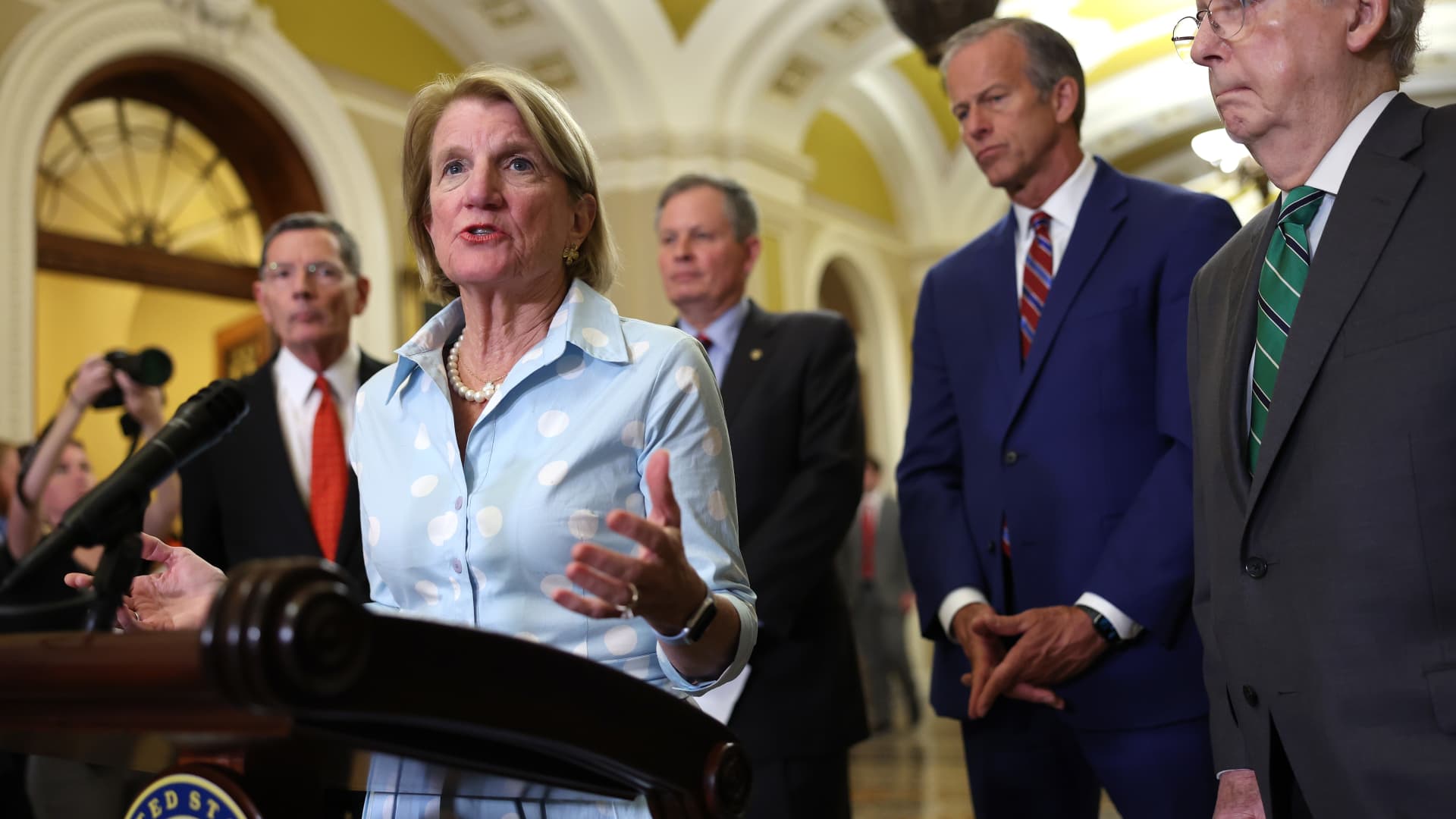
- Bipartisan Cooperation Resumes: Senate Environment and Public Works Committee Chair Shelley Moore Capito and ranking Democrat Sheldon Whitehouse are meeting again to discuss energy permitting reform, indicating a willingness for bipartisan collaboration on energy infrastructure development.
- Frequent Negotiations: Sources indicate that both parties will be communicating frequently this week, although no specific meeting times have been set, suggesting that the reform process is gaining momentum with committee staff actively negotiating.
- Increased Political Pressure: With energy prices soaring, lawmakers are under significant political pressure to reach a permitting reform agreement this year to lower energy costs and meet the rising demand for energy, particularly from power-hungry data centers.
- Complex Legislative Background: Despite the House passing the SPEED Act last year to streamline permitting, negotiations in the Senate are ongoing, and any final agreement may involve changes to longstanding environmental laws to expedite approvals for both renewable and traditional energy projects.
See More

Analysis of Iran Situation's Impact on Markets

- Market Recovery Context: Trump's remarks about achieving significant military objectives in Iran led to gains of 0.83% in the S&P 500 and 1.38% in the Nasdaq, yet caution is advised as the situation remains unstable and uncertain.
- Oil Price Volatility Impact: West Texas Intermediate crude fell approximately 6% to $85 per barrel after peaking at $119, reflecting how geopolitical tensions directly influence oil prices, which in turn can lead to stock market fluctuations.
- Conditions for Stability: Cramer emphasized that for markets to normalize, four conditions must be met, including halting attacks on oil facilities and ensuring the safety of the Strait of Hormuz, as these factors directly affect oil prices and market confidence.
- Investor Caution Recommendation: Cramer advises investors to remain cautious until the situation clarifies, as failure by the Trump administration to effectively manage the Iran conflict could lead to increased market volatility and potential losses.
See More
Energy Midstream Stocks Offer Stable Income
- Energy Transition Potential: Energy Transfer (ET) currently boasts a 7.1% dividend yield and plans to increase distributions by 3% to 5% moving forward, leveraging its extensive midstream operations and stable fee-based business to provide long-term passive income for investors.
- Consistent Growth Performance: Enterprise Products Partners (EPD) has increased its distribution for 27 consecutive years, with a current yield of 5.9%, and is projected to achieve double-digit growth in adjusted EBITDA and cash flow by 2027, demonstrating its reliability and resilience in uncertain markets.
- High Yield Appeal: Western Midstream (WES) offers an 8.6% yield, ranking among the highest in the midstream sector, and while facing some short-term challenges, it expects a 3% increase in distributions in 2026 and maintains financial stability through a restructured fixed-fee agreement with Occidental.
- Strategic Diversification: Western Midstream is actively expanding its footprint in the produced water business through acquisitions like Aris Water Solutions and the Pathfinder Pipeline project, and despite the transition period, it is still poised for adjusted EBITDA growth, enhancing its competitive position in the market.
See More
Oil Prices Decline Amid Strait of Hormuz Tensions
- Oil Price Decline: Oil prices fell in extended trading as President Trump considered seizing control of the Strait of Hormuz, reflecting market concerns over geopolitical tensions that could destabilize global energy supplies.
- South Korea Price Cap: In response to soaring fuel prices, South Korea's government imposed a price cap on fuel products for the first time in 30 years, indicating a strong focus on energy security that may impact domestic market supply and demand dynamics.
- Natural Gas Market Impact: The closure of the Strait of Hormuz may have more severe implications for the liquefied natural gas market, as approximately 20% of global LNG flows through this chokepoint, leading to surging prices and potential long-term supply chain risks.
- Increased Market Speculation: The rise in speculation regarding the Iran war has prompted public backlash against predictions of a nuclear detonation, highlighting shifts in investor sentiment towards uncertainty and risk in future geopolitical developments.
See More
Oil Prices Surge and Plunge Amid U.S.-Iran Tensions
- Oil Price Volatility: Oil prices surged about 20% on Monday due to ongoing U.S.-Israeli tensions with Iran, but plummeted 10% on Tuesday after President Trump warned of severe repercussions for Iran, indicating market fears of prolonged energy supply disruptions.
- Brent Crude Prices: International Brent crude fell nearly 11% to $88.36 per barrel by Monday evening, while U.S. crude dropped to $85.17 per barrel, reflecting the market's sensitive response to geopolitical risks.
- Strait of Hormuz Significance: The Strait of Hormuz is a vital transit route for global energy markets, with approximately 13 million barrels passing through in 2025, accounting for about 31% of global seaborne oil flows, making its security crucial for oil prices.
- Market Optimism: Despite the volatility, the market remains optimistic following Trump's comments that the conflict will end soon and oil prices will drop, with analysts suggesting that such verbal interventions could influence market expectations.
See More
Kohl's and Oracle Earnings Preview
- Kohl's Earnings Preview: Kohl's is set to report earnings before the bell, with its stock down approximately 37% over the past three months and 41% from December highs, indicating ongoing pressure in the retail sector that may affect investor confidence.
- Oracle Earnings Outlook: Oracle will release its earnings report after the bell, having seen its stock decline over 31% in the last three months and 56% from September highs, reflecting market concerns about its data center and AI transformation that could impact future growth expectations.
- Existing Home Sales Data: Existing home sales figures will be released at 10 a.m. ET, and despite declines in companies like PulteGroup and Toll Brothers over the past month, they have shown positive year-to-date performance, with Pulte and Toll both up around 8%, indicating resilience in the housing market.
- Boeing Orders and Deliveries: Boeing will announce orders and deliveries data at 11 a.m., and while its stock has fallen 8% in the last month, it has gained over 45% in the past 12 months, showcasing long-term growth potential that investors should monitor amid short-term volatility.
See More
U.S. Congress Revives Energy Permitting Reform Discussions
- Bipartisan Cooperation Resumes: Senate Environment and Public Works Committee Chair Shelley Moore Capito and ranking Democrat Sheldon Whitehouse are meeting again to discuss energy permitting reform, indicating a willingness for bipartisan collaboration on energy infrastructure development.
- Frequent Negotiations: Sources indicate that both parties will be communicating frequently this week, although no specific meeting times have been set, suggesting that the reform process is gaining momentum with committee staff actively negotiating.
- Increased Political Pressure: With energy prices soaring, lawmakers are under significant political pressure to reach a permitting reform agreement this year to lower energy costs and meet the rising demand for energy, particularly from power-hungry data centers.
- Complex Legislative Background: Despite the House passing the SPEED Act last year to streamline permitting, negotiations in the Senate are ongoing, and any final agreement may involve changes to longstanding environmental laws to expedite approvals for both renewable and traditional energy projects.
See More
Analysis of Iran Situation's Impact on Markets
- Market Recovery Context: Trump's remarks about achieving significant military objectives in Iran led to gains of 0.83% in the S&P 500 and 1.38% in the Nasdaq, yet caution is advised as the situation remains unstable and uncertain.
- Oil Price Volatility Impact: West Texas Intermediate crude fell approximately 6% to $85 per barrel after peaking at $119, reflecting how geopolitical tensions directly influence oil prices, which in turn can lead to stock market fluctuations.
- Conditions for Stability: Cramer emphasized that for markets to normalize, four conditions must be met, including halting attacks on oil facilities and ensuring the safety of the Strait of Hormuz, as these factors directly affect oil prices and market confidence.
- Investor Caution Recommendation: Cramer advises investors to remain cautious until the situation clarifies, as failure by the Trump administration to effectively manage the Iran conflict could lead to increased market volatility and potential losses.
See More