Cotti Coffee's Expansion Challenges European Market
Written by Emily J. Thompson, Senior Investment Analyst
Updated: Feb 17 2026
0mins

Source: seekingalpha
- Increased Market Competition: Cotti Coffee's plan to launch a low-cost, digital-first coffee model across Western Europe and the UK is expected to pressure established chains like Starbucks and Costa Coffee, potentially leading to a redistribution of market share.
- Rapid Expansion Strategy: Since entering the European market in 2025, Cotti Coffee has opened stores in cities like Paris and Cologne, with plans to debut in London in 2026, showcasing its ambitious global expansion strategy.
- Innovative Business Model: By utilizing small pickup-oriented stores and app-based ordering combined with aggressive discounting, Cotti Coffee aims to attract value-seeking consumers, posing a threat to independent cafés and high-end roasters.
- Global Network Advantage: With over 14,000 outlets across 28 countries, Cotti Coffee's extensive global network enables rapid market entry and scale advantages, further solidifying its position as a major global value-focused coffee player.
Trade with 70% Backtested Accuracy
Stop guessing "Should I Buy SBUX?" and start using high-conviction signals backed by rigorous historical data.
Sign up today to access powerful investing tools and make smarter, data-driven decisions.
Analyst Views on SBUX
Wall Street analysts forecast SBUX stock price to fall
21 Analyst Rating
12 Buy
7 Hold
2 Sell
Moderate Buy
Current: 104.130

Low
59.00
Averages
96.12
High
115.00
Current: 104.130
Low
59.00
Averages
96.12
High
115.00
About SBUX
Starbucks Corporations is a roaster, marketer, and retailer of specialty coffee globally. Its North America segment includes the United States and Canada. Its International segment includes China, Japan, Asia Pacific, Europe, Middle East and Africa, Latin America, and the Caribbean. Its North America and International segments include both Company-operated and licensed stores. The Channel Development segment includes roasted whole bean and ground coffees, Starbucks-branded single-serve products, a variety of ready-to-drink beverages, such as Frappuccino and Starbucks Doubleshot, foodservice products, and other branded products sold outside the Company-operated and licensed stores. A large portion of its Channel Development business operates under a licensed model of the Global Coffee Alliance with Nestle, while its global ready-to-drink businesses operate under collaborative relationships with PepsiCo, Inc., Tingyi-Ashi Beverages Holding Co., Ltd., Arla Foods amba, Nestle, and others.
About the author

Emily J. Thompson
Emily J. Thompson, a Chartered Financial Analyst (CFA) with 12 years in investment research, graduated with honors from the Wharton School. Specializing in industrial and technology stocks, she provides in-depth analysis for Intellectia’s earnings and market brief reports.

Starbucks Faces Backlash in South Korea Over Controversial Campaign
- Intense Market Reaction: Starbucks Korea faces significant backlash due to its 'Tank Day' marketing campaign coinciding with the anniversary of the 1980 Gwangju pro-democracy protests, prompting the Interior Minister to announce a halt on partnerships with companies that trivialize the nation's democratic history, indicating severe threats to the brand's image.
- Executive Changes: The CEO of Starbucks Korea was reportedly fired amid public outcry, reflecting the company's urgency in crisis management and commitment to brand reputation, which may impact future market strategies and management stability.
- Market Position at Risk: With 2,115 stores in South Korea, trailing only the U.S. and China, this incident could undermine Starbucks' leadership position in the Korean market, especially as Seoul has more locations than New York City and London combined.
- Brand Licensing Model: After exiting its joint venture with E-Mart in July 2021, Starbucks operates under a licensing agreement, and while its brand influence remains strong, this incident could affect its brand value and consumer trust in South Korea.
See More
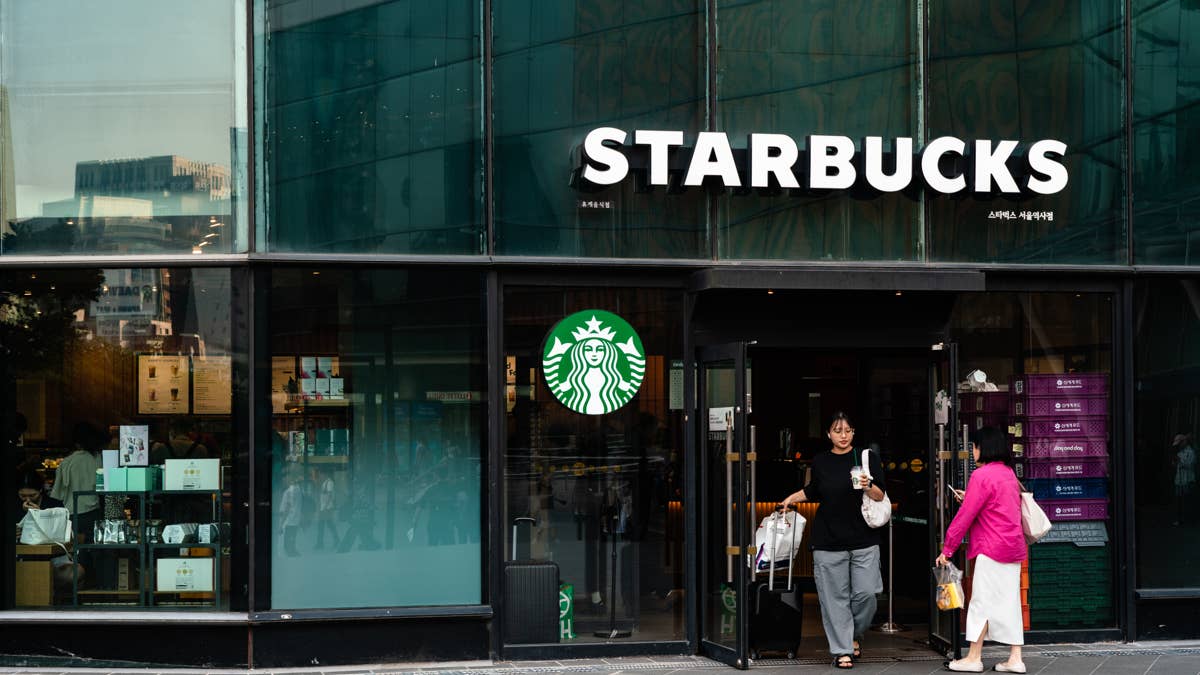
Starbucks Reports Strong Quarter Amid Consumer Caution

- Significant Sales Growth: Starbucks reported over 6% growth in global comparable store sales and more than 4% increase in U.S. transactions, indicating a successful recovery after two years of decline, enhancing market confidence and brand value.
- Profitability Improvement: Earnings per share climbed 22% year-over-year to $0.50, with revenue reaching $9.5 billion, an 8% increase, marking a milestone of growth in both revenue and profit, reflecting the effectiveness of the 'Back to Starbucks' strategy.
- Consumer Behavior Watch: Despite strong performance, CEO Brian Niccol cautioned that consumer spending has not yet shown significant impact from economic uncertainty and rising gas prices, indicating potential changes ahead and the need for caution.
- Loyalty Program Success: Starbucks' loyalty program added members to 35.6 million, with the new 60-star redemption tier accounting for one-third of all redemptions, demonstrating significant progress in attracting younger consumers and enhancing customer loyalty.
See More
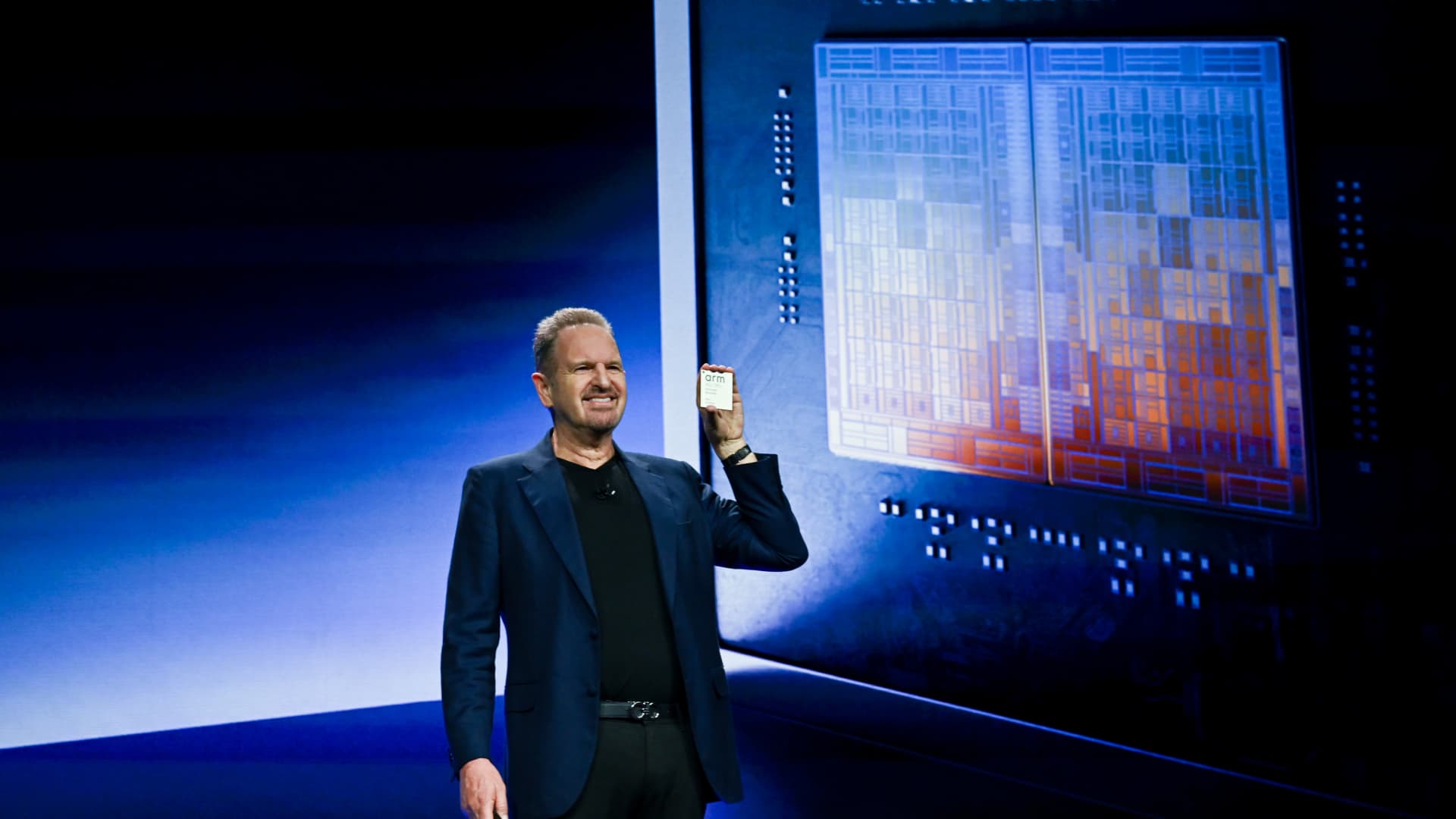
U.S. Stocks Close Higher, S&P 500 Approaches 7,500

- Market Performance: The S&P 500 is nearing 7,500, on track for its eighth consecutive week of gains, reflecting strong market performance driven by sectors like healthcare and information technology, indicating investor confidence in economic recovery.
- Stock Dynamics: Merck leads the healthcare sector with encouraging trial results, while Dell's stock surges over 16%, showcasing a robust rebound in tech stocks that may attract more investor interest in these sectors' growth potential.
- Arm Holdings Surge: Arm Holdings rallies nearly 50% this week, and despite trimming shares on Monday, it still locked in a 20% gain, highlighting its significance and growth potential within the portfolio, reflecting optimistic market expectations for its future performance.
- Starbucks AI Project Adjustment: Starbucks has ended an AI program for automating inventory accounting, which may impact its $2 billion cost savings target; however, CEO Brian Niccol is set to discuss this goal at next week's conference, indicating the company's ongoing focus on cost control during its turnaround efforts.
See More

US Stock Futures Rise; Four Key Stocks to Watch

- Merck Drug Breakthrough: Merck (MRK) rose 2.91% in premarket trading after Kelun-Biotech announced that their antibody-drug conjugate outperformed Merck's Keytruda in late-stage lung cancer trials, indicating significant market potential and competitive advantage for the new treatment.
- AMD Capacity Expansion: Advanced Micro Devices (AMD) gained 2.43% in premarket trading as CEO Lisa Su stated the company is collaborating with partners in Taiwan to expand production capacity in response to stronger-than-expected demand in the global CPU market, showcasing robust growth potential in the tech sector.
- Starbucks AI Tool Suspension: Starbucks (SBUX) edged up 0.33% in premarket trading despite halting the use of a new AI inventory tool across North America due to persistent glitches reported by employees, reflecting challenges and adjustments in the company's technology implementation.
- Novo Nordisk Research Findings: Novo Nordisk (NVO) fell 1.10% in premarket trading even as four new studies suggested that patients taking GLP-1 drugs like Ozempic experienced reduced tumor progression, indicating potential market value for the company's products, yet market reactions remain cautious.
See More
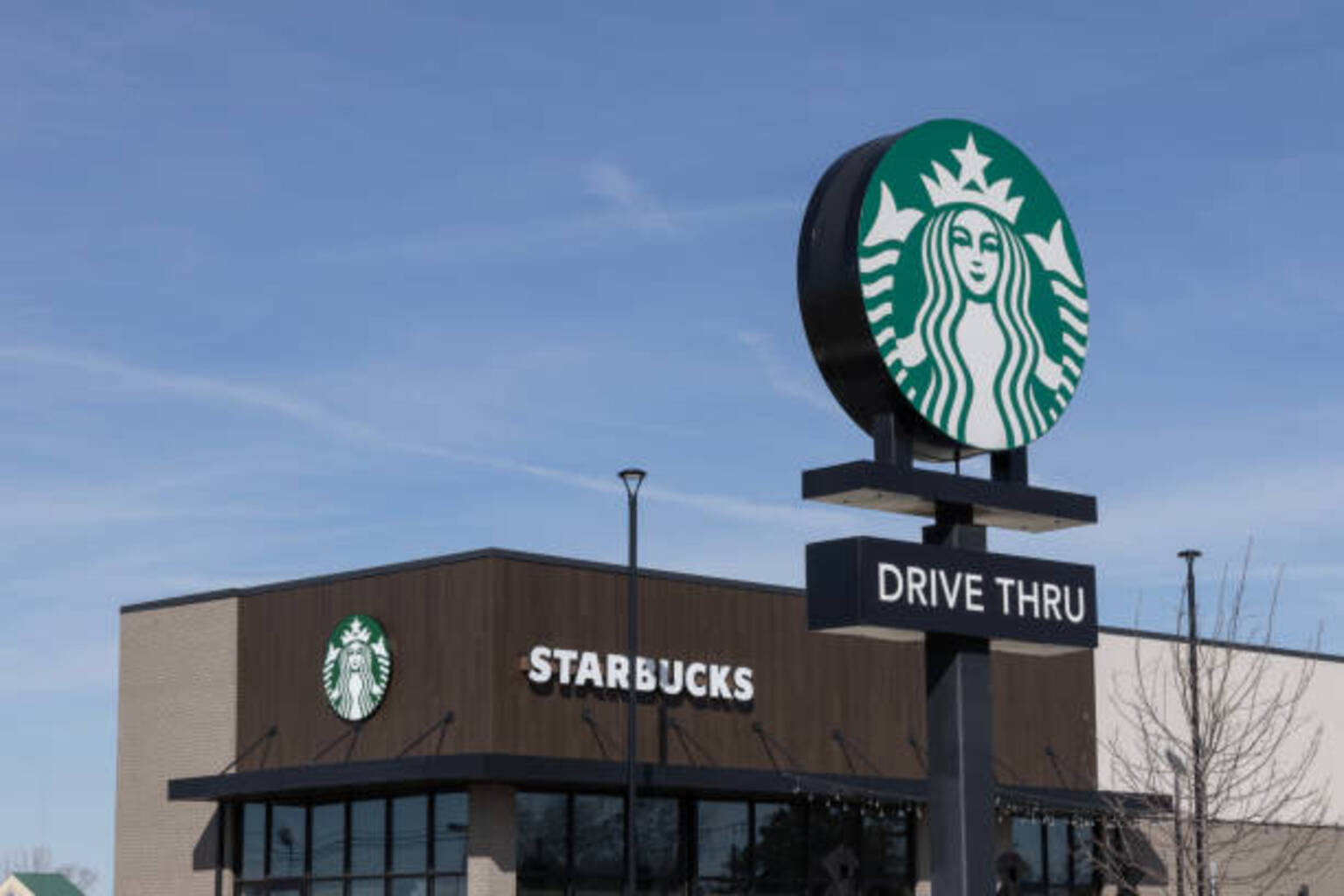
Starbucks Halts AI Inventory Tool Due to Glitches
- AI Tool Suspension: Starbucks has halted the use of its newly launched AI inventory tool across North America after store workers reported persistent glitches that exacerbated stock issues rather than resolving them.
- Deployment Context: The AI system was rolled out to over 11,000 company-operated stores to automate the counting of items like milks, syrups, and toppings using computer vision technology, aiming to replace manual counts and enhance inventory efficiency.
- Operational Issues Reported: Employees reported that the tool frequently misread shelves, confused similar products, and sometimes failed to recognize items altogether, leading to both shortages and instances of over-shipping, thereby impacting product availability.
- Response Measures: In response to these operational challenges, Starbucks is reverting to alternative processes while addressing the technology issues, yet still views AI-capable platforms as central to resolving stockouts, with other modernization efforts already improving reliability.
See More
Starbucks Terminates AI Inventory Counting Program
- Program Termination: Starbucks has terminated its worker-facing AI inventory counting program after nine months of deployment, indicating that the tool failed to effectively address product shortages, which negatively impacted sales performance.
- Technical Deficiencies: The automated counting tool frequently miscounted and mislabeled inventory items, such as confusing similar milk types, leading to inefficiencies in inventory management and failing to meet CEO Brian Niccol's expectations.
- Standardized Counting: Starbucks has opted to revert to traditional inventory counting methods to ensure consistency and execution across all coffeehouses, aiming to enhance overall operational efficiency.
- Supply Chain Improvements: The company stated it will focus on more frequent daily replenishments and ongoing supply chain enhancements to tackle product shortages and ensure customer satisfaction.
See More
Starbucks Faces Backlash in South Korea Over Controversial Campaign
- Intense Market Reaction: Starbucks Korea faces significant backlash due to its 'Tank Day' marketing campaign coinciding with the anniversary of the 1980 Gwangju pro-democracy protests, prompting the Interior Minister to announce a halt on partnerships with companies that trivialize the nation's democratic history, indicating severe threats to the brand's image.
- Executive Changes: The CEO of Starbucks Korea was reportedly fired amid public outcry, reflecting the company's urgency in crisis management and commitment to brand reputation, which may impact future market strategies and management stability.
- Market Position at Risk: With 2,115 stores in South Korea, trailing only the U.S. and China, this incident could undermine Starbucks' leadership position in the Korean market, especially as Seoul has more locations than New York City and London combined.
- Brand Licensing Model: After exiting its joint venture with E-Mart in July 2021, Starbucks operates under a licensing agreement, and while its brand influence remains strong, this incident could affect its brand value and consumer trust in South Korea.
See More
Starbucks Reports Strong Quarter Amid Consumer Caution
- Significant Sales Growth: Starbucks reported over 6% growth in global comparable store sales and more than 4% increase in U.S. transactions, indicating a successful recovery after two years of decline, enhancing market confidence and brand value.
- Profitability Improvement: Earnings per share climbed 22% year-over-year to $0.50, with revenue reaching $9.5 billion, an 8% increase, marking a milestone of growth in both revenue and profit, reflecting the effectiveness of the 'Back to Starbucks' strategy.
- Consumer Behavior Watch: Despite strong performance, CEO Brian Niccol cautioned that consumer spending has not yet shown significant impact from economic uncertainty and rising gas prices, indicating potential changes ahead and the need for caution.
- Loyalty Program Success: Starbucks' loyalty program added members to 35.6 million, with the new 60-star redemption tier accounting for one-third of all redemptions, demonstrating significant progress in attracting younger consumers and enhancing customer loyalty.
See More
U.S. Stocks Close Higher, S&P 500 Approaches 7,500
- Market Performance: The S&P 500 is nearing 7,500, on track for its eighth consecutive week of gains, reflecting strong market performance driven by sectors like healthcare and information technology, indicating investor confidence in economic recovery.
- Stock Dynamics: Merck leads the healthcare sector with encouraging trial results, while Dell's stock surges over 16%, showcasing a robust rebound in tech stocks that may attract more investor interest in these sectors' growth potential.
- Arm Holdings Surge: Arm Holdings rallies nearly 50% this week, and despite trimming shares on Monday, it still locked in a 20% gain, highlighting its significance and growth potential within the portfolio, reflecting optimistic market expectations for its future performance.
- Starbucks AI Project Adjustment: Starbucks has ended an AI program for automating inventory accounting, which may impact its $2 billion cost savings target; however, CEO Brian Niccol is set to discuss this goal at next week's conference, indicating the company's ongoing focus on cost control during its turnaround efforts.
See More
US Stock Futures Rise; Four Key Stocks to Watch
- Merck Drug Breakthrough: Merck (MRK) rose 2.91% in premarket trading after Kelun-Biotech announced that their antibody-drug conjugate outperformed Merck's Keytruda in late-stage lung cancer trials, indicating significant market potential and competitive advantage for the new treatment.
- AMD Capacity Expansion: Advanced Micro Devices (AMD) gained 2.43% in premarket trading as CEO Lisa Su stated the company is collaborating with partners in Taiwan to expand production capacity in response to stronger-than-expected demand in the global CPU market, showcasing robust growth potential in the tech sector.
- Starbucks AI Tool Suspension: Starbucks (SBUX) edged up 0.33% in premarket trading despite halting the use of a new AI inventory tool across North America due to persistent glitches reported by employees, reflecting challenges and adjustments in the company's technology implementation.
- Novo Nordisk Research Findings: Novo Nordisk (NVO) fell 1.10% in premarket trading even as four new studies suggested that patients taking GLP-1 drugs like Ozempic experienced reduced tumor progression, indicating potential market value for the company's products, yet market reactions remain cautious.
See More
Starbucks Halts AI Inventory Tool Due to Glitches
- AI Tool Suspension: Starbucks has halted the use of its newly launched AI inventory tool across North America after store workers reported persistent glitches that exacerbated stock issues rather than resolving them.
- Deployment Context: The AI system was rolled out to over 11,000 company-operated stores to automate the counting of items like milks, syrups, and toppings using computer vision technology, aiming to replace manual counts and enhance inventory efficiency.
- Operational Issues Reported: Employees reported that the tool frequently misread shelves, confused similar products, and sometimes failed to recognize items altogether, leading to both shortages and instances of over-shipping, thereby impacting product availability.
- Response Measures: In response to these operational challenges, Starbucks is reverting to alternative processes while addressing the technology issues, yet still views AI-capable platforms as central to resolving stockouts, with other modernization efforts already improving reliability.
See More
Starbucks Terminates AI Inventory Counting Program
- Program Termination: Starbucks has terminated its worker-facing AI inventory counting program after nine months of deployment, indicating that the tool failed to effectively address product shortages, which negatively impacted sales performance.
- Technical Deficiencies: The automated counting tool frequently miscounted and mislabeled inventory items, such as confusing similar milk types, leading to inefficiencies in inventory management and failing to meet CEO Brian Niccol's expectations.
- Standardized Counting: Starbucks has opted to revert to traditional inventory counting methods to ensure consistency and execution across all coffeehouses, aiming to enhance overall operational efficiency.
- Supply Chain Improvements: The company stated it will focus on more frequent daily replenishments and ongoing supply chain enhancements to tackle product shortages and ensure customer satisfaction.
See More