Costco's Latest Earnings Report Shows Strong Performance
Written by Emily J. Thompson, Senior Investment Analyst
Updated: 3 days ago
0mins
Should l Buy COST?
Source: Fool
- Significant Sales Growth: Costco's fiscal second-quarter net sales rose 9.1% year-over-year to $68.2 billion, demonstrating the company's strong performance in the retail market and further solidifying its market leadership.
- Membership Income Increase: Membership fee income grew 13.6% year-over-year to $1.36 billion, with about one-third of this growth attributed to the membership fee increase rolled out at the end of 2024, indicating success in enhancing customer loyalty.
- Accelerated Digital Sales: Digitally enabled comparable sales surged 22.6% year-over-year, reflecting Costco's strong momentum in e-commerce, which further drives overall sales growth and enhances market competitiveness.
- Robust Profitability: Net income climbed to $2.04 billion, with diluted earnings per share at $4.58, marking a year-over-year growth of approximately 14%, showcasing the company's continued success in maintaining profitability despite facing high valuation challenges.
Trade with 70% Backtested Accuracy
Stop guessing "Should I Buy COST?" and start using high-conviction signals backed by rigorous historical data.
Sign up today to access powerful investing tools and make smarter, data-driven decisions.
Analyst Views on COST
Wall Street analysts forecast COST stock price to rise
24 Analyst Rating
19 Buy
4 Hold
1 Sell
Strong Buy
Current: 998.100

Low
769.00
Averages
1061
High
1205
Current: 998.100
Low
769.00
Averages
1061
High
1205
About COST
Costco Wholesale Corporation (Costco) operates membership warehouses and e-commerce sites that offer a selection of nationally branded and private-label products in a wide range of categories. The Company buys the majority of its merchandise directly from suppliers and route it to cross-docking consolidation points (depots) or directly to its warehouses. It operates 891 warehouses, including 614 in the United States and Puerto Rico, 108 in Canada, 40 in Mexico, 35 in Japan, 29 in the United Kingdom, 19 in Korea, 15 in Australia, 14 in Taiwan, seven in China, five in Spain, two in France, and one each in Iceland, New Zealand and Sweden. It also operates e-commerce sites in the United States, Canada, the United Kingdom, Mexico, Korea, Taiwan, Japan and Australia. The Company provides wide selection of merchandise, plus the convenience of specialty departments and exclusive member services.
About the author

Emily J. Thompson
Emily J. Thompson, a Chartered Financial Analyst (CFA) with 12 years in investment research, graduated with honors from the Wharton School. Specializing in industrial and technology stocks, she provides in-depth analysis for Intellectia’s earnings and market brief reports.
Costco's Success and Investment Strategy
- Unconventional Retail Model: Costco's business model focuses on selling a wide range of products at low prices, with an average gross margin of only 11%, yet it generates $1.4 billion in high-margin recurring revenue through its membership model, enhancing customer loyalty and frequent visits.
- Significant Scale Advantage: In the latest fiscal quarter, Costco reported net sales of $68.2 billion, and despite carrying only 4,000 SKUs compared to 30,000 at typical supermarkets, this limited selection gives it strong negotiating power with suppliers, maintaining low prices and high customer traffic.
- Stock Valuation Misalignment: While Costco is known for its low-price strategy, its stock trades at a high P/E ratio of 52.6, indicating that the market values its stability and predictability, even though its diluted EPS has grown by 16.4% over the past five years, suggesting its valuation may not be justified compared to faster-growing tech stocks.
- Outstanding Market Performance: As of March 5, Costco's trailing 10-year total return reached 691%, significantly outperforming the S&P 500 index; however, investors should carefully consider whether its high valuation is reasonable to avoid potential investment risks.
See More

Iran War Pressures Off-Price Retailers Amid Rising Oil Prices


- Oil Price Surge Impact: Since the onset of the U.S.-Iran conflict earlier this month, crude oil prices have surged to levels not seen since 2022, with WTI and Brent crude nearing $120 per barrel, leading to a 70 basis point decline in consumer spending among lower-income shoppers, exacerbating economic pressures.
- Retailer Pressure: According to Wolfe Research, off-price retailers like Dollar General and Walmart, which primarily serve low-income consumers, are expected to face greater pressure as rising oil prices may force these shoppers to tighten their budgets, impacting sales performance.
- Stock Price Declines: Dollar General's shares have fallen 5% over the past week, while Walmart and Advance Auto Parts have seen declines of nearly 3% and 7%, respectively, indicating a market sensitivity to rising energy prices and their impact on consumer confidence.
- Challenges from Import Dependence: Retailers reliant on Chinese imports, particularly in flooring and decor, may face significant headwinds as the Shanghai Containerized Index rises due to logistical issues in Southeast Asian ports, further complicating product shipments to the Middle East.
See More

JPMorgan Turns Bearish on Market Amid U.S.-Iran Tensions


- Market Sentiment Shift: JPMorgan traders have turned tactically bearish as the U.S.-Iran tensions show no signs of easing, indicating a neutral positioning that lacks extreme de-risking, which could lead to increased market volatility in the short term.
- Energy Sector Sell-off: Last week, the energy sector was the most net-sold, as investors took profits ahead of the weekend, anticipating de-escalation; however, crude prices surged, with West Texas Intermediate futures briefly exceeding $110 per barrel, marking the highest levels since Russia's invasion of Ukraine in 2022.
- Future Outlook: JPMorgan traders express optimism towards defense stocks, oil refiners, and grocery companies, while remaining bullish on crude, natural gas, and energy producers, suggesting potential investment opportunities amidst the current crisis.
- Volatility Expectations: Morgan Stanley's chief U.S. equity strategist believes that despite market volatility, stocks are closer to the end of this rolling correction over the next 6-12 months, particularly as the pace of oil and dollar increases will determine the duration of volatility.
See More
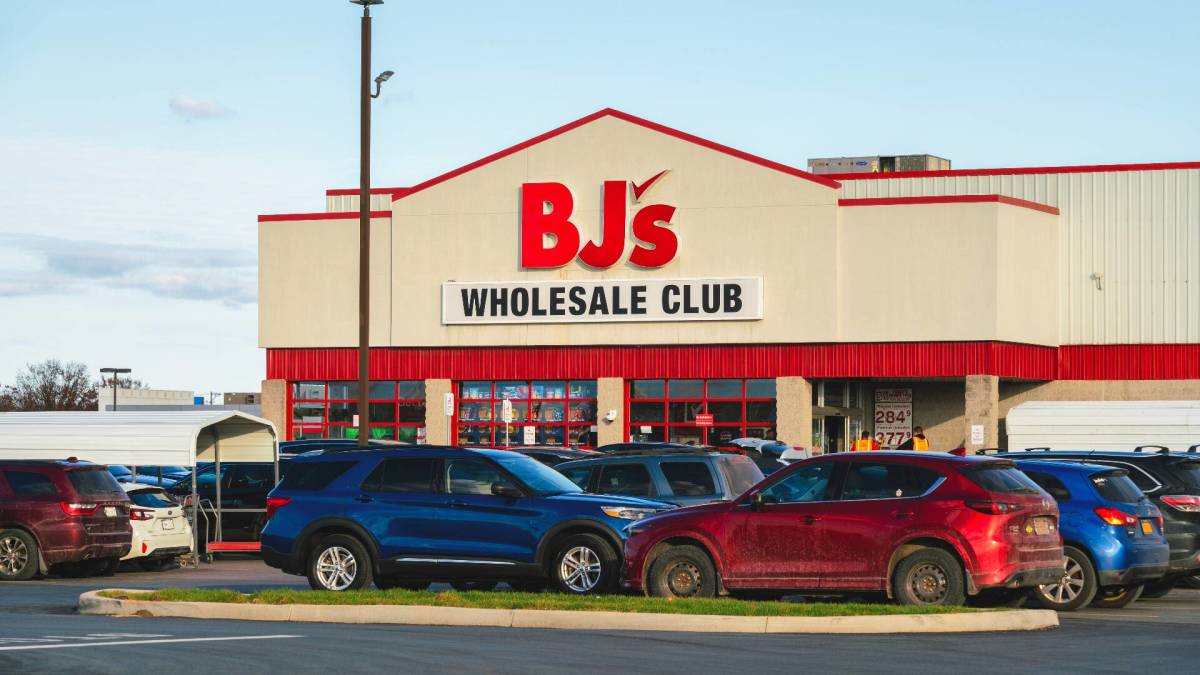
BJ's Wholesale Adopts Bold Strategy Amid Cautious Consumer Behavior
- Sales Growth Struggles: BJ's Wholesale reported a 2.6% year-over-year increase in comparable club sales for Q4 2025, while operating income fell by 0.2%, indicating a lag behind competitors Costco and Sam's Club amid heightened market pressures.
- Cautious Consumer Spending: A recent EY-Parthenon survey revealed that approximately 25% of U.S. consumers felt worse off financially in December, with 70% expressing concerns over rising living costs, compelling retailers to focus more on value and pricing discipline.
- Retail Network Expansion: In 2025, BJ's opened 14 new clubs, achieving over 30% membership growth, with these new locations delivering sales and profits above expectations, demonstrating the company's commitment to growth in a competitive landscape.
- Future Growth Plans: BJ's aims to open 25 to 30 new clubs in 2025 and 2026, projecting a 2% to 3% year-over-year increase in comparable club sales for fiscal year 2026, which poses a significant challenge to Costco and Sam's Club's market positions.
See More

Consumer Staples ETF Surges, Mondelez Outlook Positive

- ETF Performance: The State Street Consumer Staples Select Sector SPDR ETF has risen approximately 13% year-to-date, contrasting with a 4.5% loss in the technology ETF, highlighting the resilience of consumer staples amid market volatility and attracting investor interest in defensive assets.
- Mondelez Investment Value: Mondelez International, one of only 13 S&P 500 consumer staples stocks yielding over 3% yet down 10.6% over the past year, maintains competitiveness through its strong brand portfolio and crucial investments in innovation, with expectations of 4% organic sales growth.
- Dividend Appeal: Mondelez boasts an impressive dividend growth track record, with analysts projecting continued increases at a high-single-digit pace in the coming years, making it attractive for long-term investors seeking stable income, especially in the current market environment.
- Market Outlook: Amid geopolitical stress and tariff tumult, Mondelez's stock has gained over 9% year-to-date, with cocoa prices 70% below 2024 highs providing support for its near-term performance, indicating potential for sustained growth in uncertain markets.
See More

Stocks Decline Amid Middle East Conflict and Mixed Economic Data


- Escalating Middle East Conflict: The U.S. and Israel's bombing of Iran has pressured global stocks, with the S&P 500 dropping 2% last week, while oil prices surged to $90 per barrel, marking a 35% weekly gain, the largest since 1983, indicating potential economic repercussions.
- Mixed Economic Data: Although the ADP report indicated a rise of 63,000 private sector jobs in February, surpassing expectations, the subsequent nonfarm payroll report revealed an increase in the unemployment rate to 4.4%, highlighting emerging job losses due to AI and creating uncertainty about the economic outlook.
- Earnings Impact: Broadcom exceeded earnings expectations, resulting in a 3.4% stock increase, while Corning's shares fell nearly 7% following comments from Broadcom's CEO that dampened optimism about fiber-optic technology, reflecting market volatility in tech sectors.
- Investment Strategy Adjustments: Amid market fluctuations, the investment club increased its position in Cardinal Health and exited BlackRock entirely due to rising private credit concerns, demonstrating a proactive approach to navigating the current market landscape.
See More
Costco's Success and Investment Strategy
- Unconventional Retail Model: Costco's business model focuses on selling a wide range of products at low prices, with an average gross margin of only 11%, yet it generates $1.4 billion in high-margin recurring revenue through its membership model, enhancing customer loyalty and frequent visits.
- Significant Scale Advantage: In the latest fiscal quarter, Costco reported net sales of $68.2 billion, and despite carrying only 4,000 SKUs compared to 30,000 at typical supermarkets, this limited selection gives it strong negotiating power with suppliers, maintaining low prices and high customer traffic.
- Stock Valuation Misalignment: While Costco is known for its low-price strategy, its stock trades at a high P/E ratio of 52.6, indicating that the market values its stability and predictability, even though its diluted EPS has grown by 16.4% over the past five years, suggesting its valuation may not be justified compared to faster-growing tech stocks.
- Outstanding Market Performance: As of March 5, Costco's trailing 10-year total return reached 691%, significantly outperforming the S&P 500 index; however, investors should carefully consider whether its high valuation is reasonable to avoid potential investment risks.
See More
Iran War Pressures Off-Price Retailers Amid Rising Oil Prices
- Oil Price Surge Impact: Since the onset of the U.S.-Iran conflict earlier this month, crude oil prices have surged to levels not seen since 2022, with WTI and Brent crude nearing $120 per barrel, leading to a 70 basis point decline in consumer spending among lower-income shoppers, exacerbating economic pressures.
- Retailer Pressure: According to Wolfe Research, off-price retailers like Dollar General and Walmart, which primarily serve low-income consumers, are expected to face greater pressure as rising oil prices may force these shoppers to tighten their budgets, impacting sales performance.
- Stock Price Declines: Dollar General's shares have fallen 5% over the past week, while Walmart and Advance Auto Parts have seen declines of nearly 3% and 7%, respectively, indicating a market sensitivity to rising energy prices and their impact on consumer confidence.
- Challenges from Import Dependence: Retailers reliant on Chinese imports, particularly in flooring and decor, may face significant headwinds as the Shanghai Containerized Index rises due to logistical issues in Southeast Asian ports, further complicating product shipments to the Middle East.
See More
JPMorgan Turns Bearish on Market Amid U.S.-Iran Tensions
- Market Sentiment Shift: JPMorgan traders have turned tactically bearish as the U.S.-Iran tensions show no signs of easing, indicating a neutral positioning that lacks extreme de-risking, which could lead to increased market volatility in the short term.
- Energy Sector Sell-off: Last week, the energy sector was the most net-sold, as investors took profits ahead of the weekend, anticipating de-escalation; however, crude prices surged, with West Texas Intermediate futures briefly exceeding $110 per barrel, marking the highest levels since Russia's invasion of Ukraine in 2022.
- Future Outlook: JPMorgan traders express optimism towards defense stocks, oil refiners, and grocery companies, while remaining bullish on crude, natural gas, and energy producers, suggesting potential investment opportunities amidst the current crisis.
- Volatility Expectations: Morgan Stanley's chief U.S. equity strategist believes that despite market volatility, stocks are closer to the end of this rolling correction over the next 6-12 months, particularly as the pace of oil and dollar increases will determine the duration of volatility.
See More
BJ's Wholesale Adopts Bold Strategy Amid Cautious Consumer Behavior
- Sales Growth Struggles: BJ's Wholesale reported a 2.6% year-over-year increase in comparable club sales for Q4 2025, while operating income fell by 0.2%, indicating a lag behind competitors Costco and Sam's Club amid heightened market pressures.
- Cautious Consumer Spending: A recent EY-Parthenon survey revealed that approximately 25% of U.S. consumers felt worse off financially in December, with 70% expressing concerns over rising living costs, compelling retailers to focus more on value and pricing discipline.
- Retail Network Expansion: In 2025, BJ's opened 14 new clubs, achieving over 30% membership growth, with these new locations delivering sales and profits above expectations, demonstrating the company's commitment to growth in a competitive landscape.
- Future Growth Plans: BJ's aims to open 25 to 30 new clubs in 2025 and 2026, projecting a 2% to 3% year-over-year increase in comparable club sales for fiscal year 2026, which poses a significant challenge to Costco and Sam's Club's market positions.
See More
Consumer Staples ETF Surges, Mondelez Outlook Positive
- ETF Performance: The State Street Consumer Staples Select Sector SPDR ETF has risen approximately 13% year-to-date, contrasting with a 4.5% loss in the technology ETF, highlighting the resilience of consumer staples amid market volatility and attracting investor interest in defensive assets.
- Mondelez Investment Value: Mondelez International, one of only 13 S&P 500 consumer staples stocks yielding over 3% yet down 10.6% over the past year, maintains competitiveness through its strong brand portfolio and crucial investments in innovation, with expectations of 4% organic sales growth.
- Dividend Appeal: Mondelez boasts an impressive dividend growth track record, with analysts projecting continued increases at a high-single-digit pace in the coming years, making it attractive for long-term investors seeking stable income, especially in the current market environment.
- Market Outlook: Amid geopolitical stress and tariff tumult, Mondelez's stock has gained over 9% year-to-date, with cocoa prices 70% below 2024 highs providing support for its near-term performance, indicating potential for sustained growth in uncertain markets.
See More
Stocks Decline Amid Middle East Conflict and Mixed Economic Data
- Escalating Middle East Conflict: The U.S. and Israel's bombing of Iran has pressured global stocks, with the S&P 500 dropping 2% last week, while oil prices surged to $90 per barrel, marking a 35% weekly gain, the largest since 1983, indicating potential economic repercussions.
- Mixed Economic Data: Although the ADP report indicated a rise of 63,000 private sector jobs in February, surpassing expectations, the subsequent nonfarm payroll report revealed an increase in the unemployment rate to 4.4%, highlighting emerging job losses due to AI and creating uncertainty about the economic outlook.
- Earnings Impact: Broadcom exceeded earnings expectations, resulting in a 3.4% stock increase, while Corning's shares fell nearly 7% following comments from Broadcom's CEO that dampened optimism about fiber-optic technology, reflecting market volatility in tech sectors.
- Investment Strategy Adjustments: Amid market fluctuations, the investment club increased its position in Cardinal Health and exited BlackRock entirely due to rising private credit concerns, demonstrating a proactive approach to navigating the current market landscape.
See More