CASEYS GENERAL STORES Earnings Preview: Recent $CASY Insider Trading, Hedge Fund Activity, and More
Written by Emily J. Thompson, Senior Investment Analyst
Updated: Mar 04 2025
0mins
Should l Buy CASY?
Source: NASDAQ.COM
Earnings Release: CASEYS GENERAL STORES ($CASY) is set to announce its quarterly earnings on March 11th, with analysts predicting revenue of approximately $3.8 billion and earnings of $2.04 per share.
Insider Trading Activity: In the past six months, CASEYS insiders have engaged in four stock trades, balancing two purchases and two sales, while institutional investors have shown mixed activity with 311 adding shares and 343 reducing their positions recently.
Trade with 70% Backtested Accuracy
Stop guessing "Should I Buy CASY?" and start using high-conviction signals backed by rigorous historical data.
Sign up today to access powerful investing tools and make smarter, data-driven decisions.
Analyst Views on CASY
Wall Street analysts forecast CASY stock price to fall
10 Analyst Rating
6 Buy
4 Hold
0 Sell
Moderate Buy
Current: 737.160

Low
530.00
Averages
609.33
High
700.00
Current: 737.160
Low
530.00
Averages
609.33
High
700.00
About CASY
Casey’s General Stores, Inc. and its subsidiaries operate approximately 2,900 convenience stores in 19 states. It offers self-service fuel, a wide selection of grocery items and an array of freshly prepared food items. All convenience stores carry a selection of food items (which at most stores include freshly prepared foods, such as regular and breakfast pizza, donuts, hot breakfast items, and hot and cold sandwiches), beverages, tobacco and nicotine products, groceries, health and beauty aids, automotive products, and other non-food items. It offers a range of fuels, including E-10 gasoline, High Octane gasoline, Biodiesel, Winterized diesel, and Ethanol-free gasoline. It sells a range of tobacco products in-store, including e-cigarettes and vapor, chewing tobacco, nicotine pouches, and rolling papers and accessories. Its card services include Casey's Gift Cards, Casey's Visa Signature Card, and Casey's Business Mastercard & Casey's Business Advantage Card.
About the author

Emily J. Thompson
Emily J. Thompson, a Chartered Financial Analyst (CFA) with 12 years in investment research, graduated with honors from the Wharton School. Specializing in industrial and technology stocks, she provides in-depth analysis for Intellectia’s earnings and market brief reports.
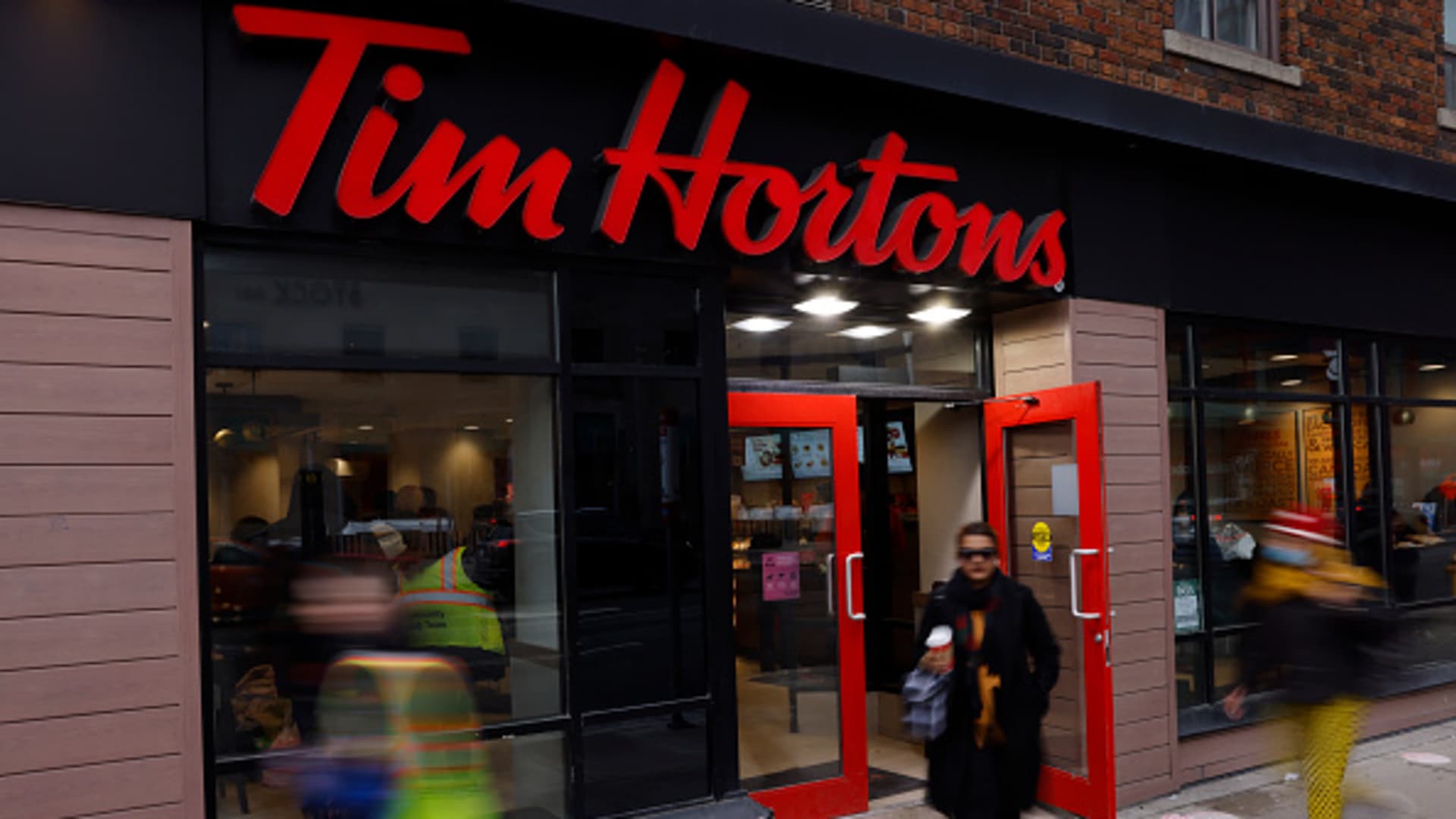
Restaurant Brands International Shows Positive Outlook


- Brand Diversity: Restaurant Brands International operates 33,000 restaurants across 125 markets under four major brands—Popeye's, Burger King, Tim Hortons, and Firehouse Subs—with over 95% being franchised, showcasing strong market penetration and brand value.
- Financial Growth Expectations: The upcoming May quarter is projected to achieve 6% revenue growth, 35% EBIT growth, and 10% EPS growth, indicating robust performance and enhanced profitability in international markets.
- International Expansion Strategy: The company plans to open 1,800 net new restaurants annually by 2028, with over 1,400 coming from outside North America, which will further boost overall royalty income and profitability, strengthening its competitive position globally.
- Management Changes: New Executive Chairman Patrick Doyle, leveraging his success at Domino's Pizza, aims to improve Burger King's store economics and execution, with early signs of positive same-store sales in the U.S., suggesting that management strategies are beginning to take effect.
See More

Restaurant Brands International Shows Strong Growth Potential
- Brand Diversity: Restaurant Brands International operates four major brands—Popeye's, Burger King, Tim Hortons, and Firehouse Subs—across 33,000 restaurants, with over 95% being franchised, showcasing strong market coverage and brand influence.
- Financial Growth Expectations: The upcoming May quarter is projected to achieve 6% revenue growth, 35% EBIT growth, and 10% EPS growth, indicating robust performance and profitability improvements in international markets.
- International Expansion Strategy: The company aims to open 1,800 new restaurants annually by 2028, with the majority coming from international markets, which will further enhance the overall royalty rate and increase revenue stability and sustainability.
- Management Transformation: New Executive Chairman Patrick Doyle leverages his successful experience at Domino's Pizza to drive the
See More
Analysis of Retail Sector Impact from Rising Oil Prices


- Impact of Rising Oil Prices: Brent crude futures have surged above $110 per barrel due to the ongoing Middle East conflict, with diesel prices exceeding $5 per gallon for the first time since 2022, potentially imposing secondary effects on the U.S. retail sector and increasing household budget pressures.
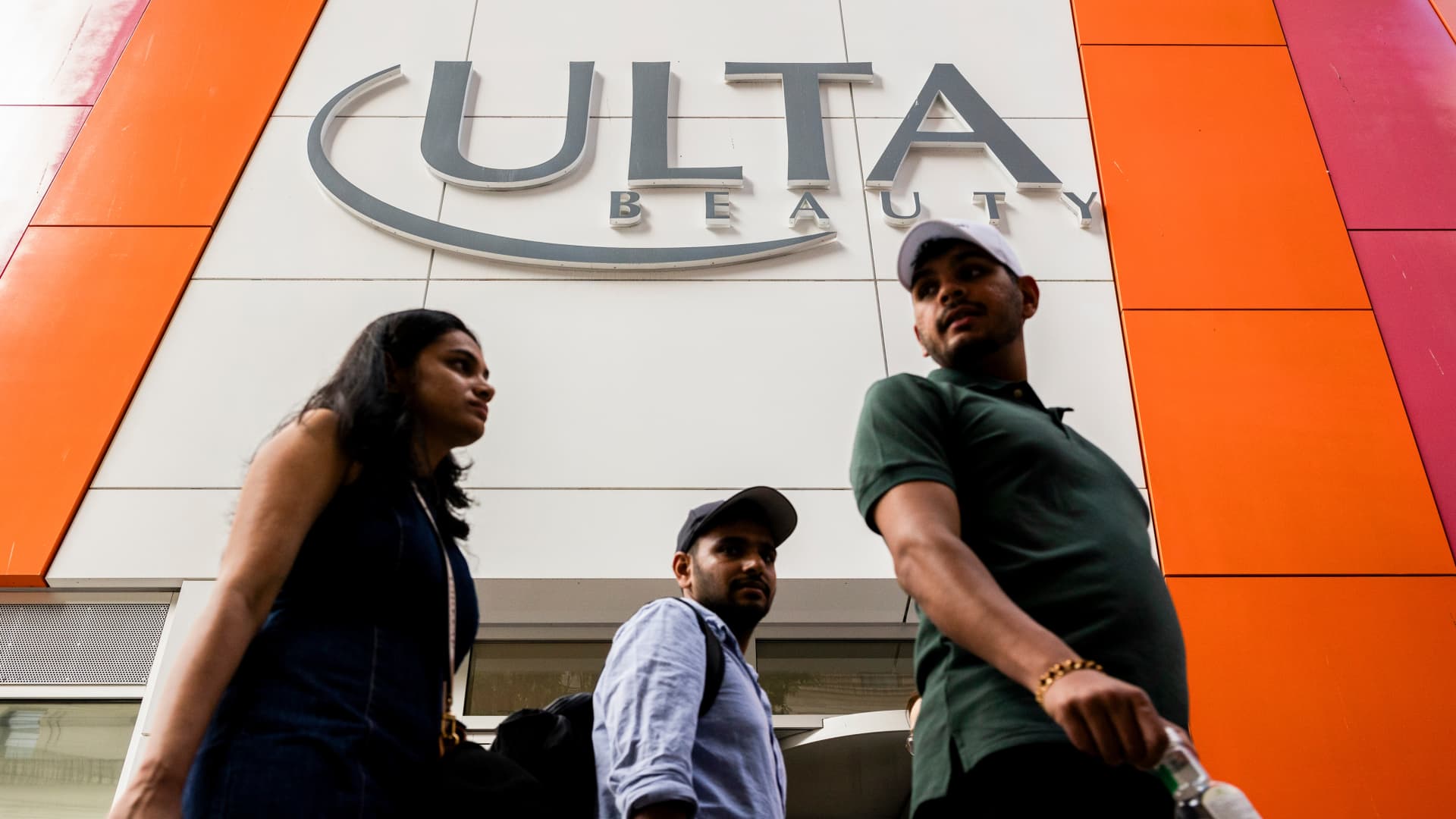
- Advantage of Higher-Income Customers: Deutsche Bank analysts noted that retailers like Ulta Beauty and Costco, which cater to higher-income demographics, have historically shown a positive correlation between sales and rising oil prices, indicating better sales performance in such environments.
- Pressure on Lower-Income Customers: Conversely, retailers like BJ's Wholesale Club and Burlington Stores, which primarily serve lower-income customers, exhibit negative sales correlations with rising gas prices, highlighting a trend where lower-income consumers reduce spending as fuel costs increase.
- Inventory Management Strategy: Despite the risks associated with rising input costs, many global brands, including Amer Sports and Birkenstock, maintain over 200 days of finished goods inventory, which helps mitigate near-term margin pressures and ensures market stability amid supply chain disruptions.
See More

Casey's Q3 Earnings Exceed Expectations with 49.8% EPS Growth
- Earnings Beat: Casey's Q3 earnings report reveals a remarkable 49.8% year-over-year increase in EPS, showcasing the company's robust performance and bolstering investor confidence.
- Quality Rank Surge: The strong earnings growth has propelled Casey's Quality Rank to 90.63, indicating enhanced competitiveness and market recognition within the industry.
- Strong Stock Momentum: Following the earnings report, Casey's stock has demonstrated strong momentum, attracting increased investor interest and potentially driving further price appreciation.
- Optimistic Market Outlook: The significant improvement in earnings not only enhances short-term stock performance but also lays a solid foundation for future growth, highlighting Casey's sustained competitive advantage in the industry.
See More

Three Long-Term Growth Stocks to Consider


- MercadoLibre's Growth Potential: Since 2007, MercadoLibre has achieved an annualized total return of 25%, with 100 million active buyers and 61 million monthly active users significantly impacting the Latin American market; despite a 30% short-term stock price pullback, its extensive ecosystem in e-commerce and fintech offers substantial growth opportunities.
- Casey's General Stores Expansion: With an 18% annual return since 1990, Casey's has doubled its store count to nearly 3,000 since 2010, and plans to open at least 80 new stores by 2026, with two-thirds of its gross profits coming from inside sales, indicating strong growth momentum in the convenience store sector.
- Wingstop's Market Outlook: Since its IPO in 2015, Wingstop has generated a 23% annualized total return; despite facing its first decline in same-store sales, it plans to increase its store count by 15% in 2026, with average unit volumes rising from $1.1 million to $2.1 million, showcasing significant profitability improvements.
- Long-Term Investment Opportunities: Although these three stocks have experienced short-term volatility, their long-term growth potential and market positions make them attractive investment choices, especially during current market adjustments, providing investors with opportunities to buy quality stocks.
See More

U.S. Stocks Decline as Oil Prices Surge


- Market Downward Pressure: As of March 19, 2026, all three major U.S. indices fell below their 200-day moving averages, indicating investor concerns about economic prospects, particularly as oil prices surged due to strikes on Gulf energy hubs, leading to accelerated equity sell-offs.
- High Leverage Risks: With the Fed's hawkish dot plot signaling only one rate cut this year, investor confidence in high-beta growth stocks has waned, prompting a shift towards low-leverage stocks that are better positioned to withstand interest rate volatility and geopolitical shocks.
- Low-Leverage Stock Recommendations: Analysts recommend low-leverage stocks such as Nu Holdings, Casey’s General Stores, Astec Industries, HNI Corp, and Blue Bird, which are more resilient in the current economic climate and capable of providing stable investment returns.
- Financial Health Metrics: Investors should focus on financial metrics like the debt-to-equity ratio to identify low-leverage stocks, ensuring they can maintain profitability during economic downturns and avoid financial crises associated with high leverage.
See More
Restaurant Brands International Shows Positive Outlook
- Brand Diversity: Restaurant Brands International operates 33,000 restaurants across 125 markets under four major brands—Popeye's, Burger King, Tim Hortons, and Firehouse Subs—with over 95% being franchised, showcasing strong market penetration and brand value.
- Financial Growth Expectations: The upcoming May quarter is projected to achieve 6% revenue growth, 35% EBIT growth, and 10% EPS growth, indicating robust performance and enhanced profitability in international markets.
- International Expansion Strategy: The company plans to open 1,800 net new restaurants annually by 2028, with over 1,400 coming from outside North America, which will further boost overall royalty income and profitability, strengthening its competitive position globally.
- Management Changes: New Executive Chairman Patrick Doyle, leveraging his success at Domino's Pizza, aims to improve Burger King's store economics and execution, with early signs of positive same-store sales in the U.S., suggesting that management strategies are beginning to take effect.
See More
Restaurant Brands International Shows Strong Growth Potential
- Brand Diversity: Restaurant Brands International operates four major brands—Popeye's, Burger King, Tim Hortons, and Firehouse Subs—across 33,000 restaurants, with over 95% being franchised, showcasing strong market coverage and brand influence.
- Financial Growth Expectations: The upcoming May quarter is projected to achieve 6% revenue growth, 35% EBIT growth, and 10% EPS growth, indicating robust performance and profitability improvements in international markets.
- International Expansion Strategy: The company aims to open 1,800 new restaurants annually by 2028, with the majority coming from international markets, which will further enhance the overall royalty rate and increase revenue stability and sustainability.
- Management Transformation: New Executive Chairman Patrick Doyle leverages his successful experience at Domino's Pizza to drive the
See More
Analysis of Retail Sector Impact from Rising Oil Prices
- Impact of Rising Oil Prices: Brent crude futures have surged above $110 per barrel due to the ongoing Middle East conflict, with diesel prices exceeding $5 per gallon for the first time since 2022, potentially imposing secondary effects on the U.S. retail sector and increasing household budget pressures.
- Advantage of Higher-Income Customers: Deutsche Bank analysts noted that retailers like Ulta Beauty and Costco, which cater to higher-income demographics, have historically shown a positive correlation between sales and rising oil prices, indicating better sales performance in such environments.
- Pressure on Lower-Income Customers: Conversely, retailers like BJ's Wholesale Club and Burlington Stores, which primarily serve lower-income customers, exhibit negative sales correlations with rising gas prices, highlighting a trend where lower-income consumers reduce spending as fuel costs increase.
- Inventory Management Strategy: Despite the risks associated with rising input costs, many global brands, including Amer Sports and Birkenstock, maintain over 200 days of finished goods inventory, which helps mitigate near-term margin pressures and ensures market stability amid supply chain disruptions.
See More
Casey's Q3 Earnings Exceed Expectations with 49.8% EPS Growth
- Earnings Beat: Casey's Q3 earnings report reveals a remarkable 49.8% year-over-year increase in EPS, showcasing the company's robust performance and bolstering investor confidence.
- Quality Rank Surge: The strong earnings growth has propelled Casey's Quality Rank to 90.63, indicating enhanced competitiveness and market recognition within the industry.
- Strong Stock Momentum: Following the earnings report, Casey's stock has demonstrated strong momentum, attracting increased investor interest and potentially driving further price appreciation.
- Optimistic Market Outlook: The significant improvement in earnings not only enhances short-term stock performance but also lays a solid foundation for future growth, highlighting Casey's sustained competitive advantage in the industry.
See More
Three Long-Term Growth Stocks to Consider
- MercadoLibre's Growth Potential: Since 2007, MercadoLibre has achieved an annualized total return of 25%, with 100 million active buyers and 61 million monthly active users significantly impacting the Latin American market; despite a 30% short-term stock price pullback, its extensive ecosystem in e-commerce and fintech offers substantial growth opportunities.
- Casey's General Stores Expansion: With an 18% annual return since 1990, Casey's has doubled its store count to nearly 3,000 since 2010, and plans to open at least 80 new stores by 2026, with two-thirds of its gross profits coming from inside sales, indicating strong growth momentum in the convenience store sector.
- Wingstop's Market Outlook: Since its IPO in 2015, Wingstop has generated a 23% annualized total return; despite facing its first decline in same-store sales, it plans to increase its store count by 15% in 2026, with average unit volumes rising from $1.1 million to $2.1 million, showcasing significant profitability improvements.
- Long-Term Investment Opportunities: Although these three stocks have experienced short-term volatility, their long-term growth potential and market positions make them attractive investment choices, especially during current market adjustments, providing investors with opportunities to buy quality stocks.
See More
U.S. Stocks Decline as Oil Prices Surge
- Market Downward Pressure: As of March 19, 2026, all three major U.S. indices fell below their 200-day moving averages, indicating investor concerns about economic prospects, particularly as oil prices surged due to strikes on Gulf energy hubs, leading to accelerated equity sell-offs.
- High Leverage Risks: With the Fed's hawkish dot plot signaling only one rate cut this year, investor confidence in high-beta growth stocks has waned, prompting a shift towards low-leverage stocks that are better positioned to withstand interest rate volatility and geopolitical shocks.
- Low-Leverage Stock Recommendations: Analysts recommend low-leverage stocks such as Nu Holdings, Casey’s General Stores, Astec Industries, HNI Corp, and Blue Bird, which are more resilient in the current economic climate and capable of providing stable investment returns.
- Financial Health Metrics: Investors should focus on financial metrics like the debt-to-equity ratio to identify low-leverage stocks, ensuring they can maintain profitability during economic downturns and avoid financial crises associated with high leverage.
See More