Carvana Soars Following Its First 5-for-1 Stock Split.
Written by Emily J. Thompson, Senior Investment Analyst
Updated: Mar 13 2026
0mins

Should l Buy AN?
Source: Barron's
- Stock Split Approval: Carvana's board has approved a 5-for-1 stock split.
- Accessibility for Investors: The split aims to make shares more affordable for individual investors and employees.
Trade with 70% Backtested Accuracy
Stop guessing "Should I Buy AN?" and start using high-conviction signals backed by rigorous historical data.
Sign up today to access powerful investing tools and make smarter, data-driven decisions.
Analyst Views on AN
Wall Street analysts forecast AN stock price to rise
5 Analyst Rating
4 Buy
1 Hold
0 Sell
Strong Buy
Current: 203.380

Low
230.00
Averages
248.60
High
300.00
Current: 203.380
Low
230.00
Averages
248.60
High
300.00
About AN
AutoNation, Inc., through its subsidiaries, is an automotive retailer in the United States. Its segments include Domestic, Import, Premium Luxury, and AutoNation Finance. The Domestic segment is comprised of retail automotive franchises that sell new vehicles manufactured by Ford, General Motors, and Stellantis. The Import segment is primarily comprised of retail automotive franchises that sell new vehicles manufactured by Toyota, Honda, Hyundai, and Subaru. The Premium Luxury segment is primarily comprised of retail automotive franchises that sell new vehicles manufactured by Mercedes-Benz, BMW, Lexus, Audi, and Jaguar Land Rover. The franchises in each of its Domestic, Import, and Premium Luxury segments also sell used vehicles, parts and automotive services, and automotive finance and insurance products. The AutoNation Finance segment is comprised of its captive auto finance company, which provides indirect financing to qualified retail customers on vehicles it sells.
About the author

Emily J. Thompson
Emily J. Thompson, a Chartered Financial Analyst (CFA) with 12 years in investment research, graduated with honors from the Wharton School. Specializing in industrial and technology stocks, she provides in-depth analysis for Intellectia’s earnings and market brief reports.

US Navy Seizes Iranian Cargo Ship, Sparking Market Concerns


- Navy Seizure Incident: President Trump announced the U.S. Navy seized an Iranian cargo ship, leading to a cautious market sentiment as investor concerns about Middle Eastern tensions rise, causing oil prices to increase and potentially impacting consumer spending.
- Oil Price Warning: The Energy Secretary warned that gas prices could remain above $3 per gallon until next year, which would negatively affect consumers already feeling the pinch of high costs, further impacting economic recovery.
- Tech and Finance Intersection: Kevin Warsh, Trump's nominee for Federal Reserve Chair, is set for a Senate confirmation hearing, and his close ties to Silicon Valley could change the interaction between tech giants and the Fed, influencing future monetary policy.
- Automotive Dealer Consolidation Trend: Data shows that the top 150 auto dealers in the U.S. increased their market share from 21.2% a decade ago to 27%, reflecting the rise of mega-dealers and the struggles of smaller competitors, potentially leading to significant industry structural changes.
See More

US Navy Seizes Iranian Cargo Ship, Market Sentiment Shifts


- Navy Seizure Incident: President Trump announced that the U.S. Navy seized an Iranian cargo ship in the Gulf of Oman, shifting market sentiment to a defensive stance as investor concerns about Middle Eastern tensions rise, leading to higher oil prices and downward pressure on stock futures.
- Oil Price Warning: Amid fears of escalating tensions in the Middle East, oil prices are rising, with the Energy Secretary warning that gas prices could remain above $3 per gallon until next year, further straining consumers already facing higher costs.
- Tech Ties and Fed: Kevin Warsh, Trump's nominee for the Federal Reserve chair, will face confirmation hearings tomorrow, with his close ties to Silicon Valley raising questions about potential access for tech moguls to the Fed, a point of significant market interest.
- Dealer Consolidation: Data shows that the top 150 car dealerships in the U.S. increased their market share from 21.2% a decade ago to 27%, reflecting a trend of consolidation that benefits larger dealers like Lithia Motors and AutoNation.
See More
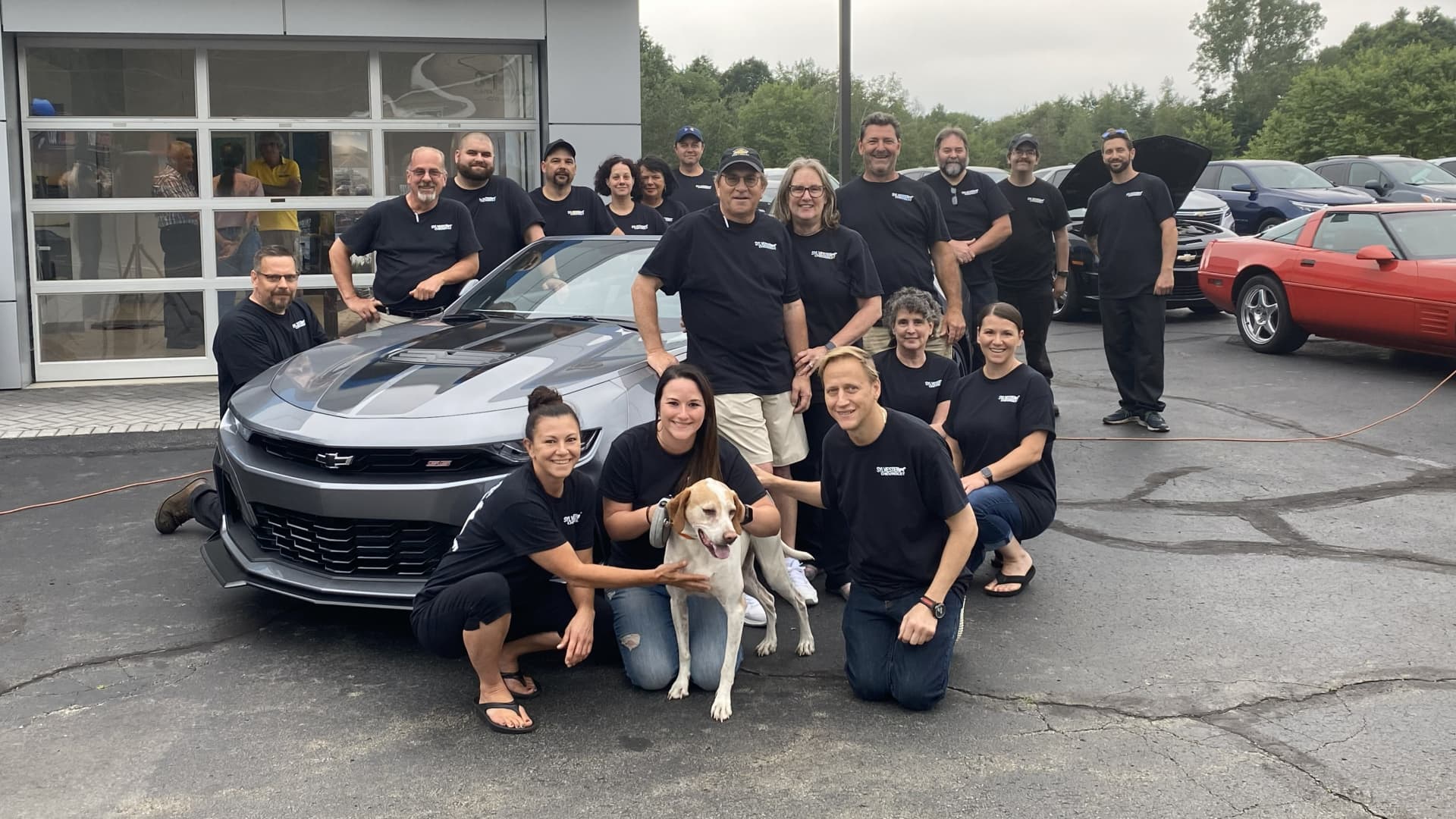
Family-Owned Dealership Sale Highlights Industry Consolidation Trends

- Family Business Sale: Derek Sylvester's family decided to sell Sylvester Chevrolet, a dealership they operated for 50 years in Pennsylvania, to a New York dealer group, highlighting the challenges faced by small dealers in a rapidly changing automotive retail landscape.
- Accelerating Industry Consolidation: According to NADA, the percentage of dealers owning 1 to 5 stores has decreased from 94.4% to 90.5%, indicating a rise in medium-sized dealerships and accelerating consolidation, particularly among those owning 6 to 25 stores.
- Increased Market Competition: Traditional dealers are facing heightened competitive pressures due to rapid advancements in electric vehicles and technologies like AI, prompting many small dealers to consider selling or merging to maintain competitiveness and profitability.
- Investor Interest: Major dealers like Lithia Motors and AutoNation have market caps exceeding $6 billion, drawing increased attention from investors, indicating the ongoing profitability potential and future growth opportunities within the automotive dealership sector.
See More

Strait of Hormuz Reopening Boosts Retail Stocks


- Energy Crisis Threat Reduced: The reopening of the Strait of Hormuz significantly mitigates the risk of a global energy crisis, leading to a surge in several stocks during the afternoon session, particularly benefiting the retail sector as lower oil prices decrease transportation costs, directly enhancing net margins.
- Increased Consumer Spending Expectations: With more cash in consumers' pockets, investors anticipate a rise in spending on non-essential goods, especially in apparel and home electronics, which will further drive sales growth and market share for retailers.
- Supply Chain Stability Enhanced: The de-escalation of conflict stabilizes global supply chains, easing the
See More

Amazon Autos Expands, Threatening Traditional Auto Listings


- Online Car Buying Trend: According to Allied Market Research, online car buying is expected to triple by the end of the decade, indicating a significant shift in consumer acceptance that could transform traditional auto sales models.
- Amazon's Market Strategy: Amazon Autos is rapidly expanding from a niche pilot to a broad vehicle marketplace, aiming to enhance online sales capabilities through partnerships with dealerships, thereby shortening sales cycles and improving efficiency, while dealers retain control over transactions.
- Changing Competitive Landscape: Amazon's entry poses a threat to companies focused on vehicle listings and dealership leads, such as Cars.com and CarGurus, as these companies, despite their strong brand presence, may struggle against Amazon's vast consumer reach.
- Dealers' Role: While Amazon is not yet selling cars directly or taking a cut from dealership transactions, its platform allows consumers to complete transactions online more easily, which could have profound implications for traditional dealerships and auto sales models in the future.
See More

Amazon Autos Rapidly Expands into Marketplace
- Market Expansion Plan: Amazon Autos is rapidly transitioning from a pilot program to a broad vehicle marketplace, with online car buying expected to triple by the end of this decade, indicating significant market potential and strategic value.
- Collaboration with Dealers: Rather than taking a cut from transactions, Amazon collaborates with dealerships to enhance their online presence and shorten sales cycles, thereby improving overall operational efficiency and strengthening dealers' competitive positions.
- Threat to Competitors: Amazon's entry poses a serious threat to vehicle listing and lead-generation companies like Cars.com and CarGurus, although it has yet to fully replicate Carvana's nationwide inventory and distribution capabilities.
- Shifts in Consumer Behavior: As consumers increasingly prefer online car buying, Amazon's model may transform traditional purchasing processes, with dealerships still controlling transactions and pricing, but Amazon's extensive reach will position it significantly in future markets.
See More
US Navy Seizes Iranian Cargo Ship, Sparking Market Concerns
- Navy Seizure Incident: President Trump announced the U.S. Navy seized an Iranian cargo ship, leading to a cautious market sentiment as investor concerns about Middle Eastern tensions rise, causing oil prices to increase and potentially impacting consumer spending.
- Oil Price Warning: The Energy Secretary warned that gas prices could remain above $3 per gallon until next year, which would negatively affect consumers already feeling the pinch of high costs, further impacting economic recovery.
- Tech and Finance Intersection: Kevin Warsh, Trump's nominee for Federal Reserve Chair, is set for a Senate confirmation hearing, and his close ties to Silicon Valley could change the interaction between tech giants and the Fed, influencing future monetary policy.
- Automotive Dealer Consolidation Trend: Data shows that the top 150 auto dealers in the U.S. increased their market share from 21.2% a decade ago to 27%, reflecting the rise of mega-dealers and the struggles of smaller competitors, potentially leading to significant industry structural changes.
See More
US Navy Seizes Iranian Cargo Ship, Market Sentiment Shifts
- Navy Seizure Incident: President Trump announced that the U.S. Navy seized an Iranian cargo ship in the Gulf of Oman, shifting market sentiment to a defensive stance as investor concerns about Middle Eastern tensions rise, leading to higher oil prices and downward pressure on stock futures.
- Oil Price Warning: Amid fears of escalating tensions in the Middle East, oil prices are rising, with the Energy Secretary warning that gas prices could remain above $3 per gallon until next year, further straining consumers already facing higher costs.
- Tech Ties and Fed: Kevin Warsh, Trump's nominee for the Federal Reserve chair, will face confirmation hearings tomorrow, with his close ties to Silicon Valley raising questions about potential access for tech moguls to the Fed, a point of significant market interest.
- Dealer Consolidation: Data shows that the top 150 car dealerships in the U.S. increased their market share from 21.2% a decade ago to 27%, reflecting a trend of consolidation that benefits larger dealers like Lithia Motors and AutoNation.
See More
Family-Owned Dealership Sale Highlights Industry Consolidation Trends
- Family Business Sale: Derek Sylvester's family decided to sell Sylvester Chevrolet, a dealership they operated for 50 years in Pennsylvania, to a New York dealer group, highlighting the challenges faced by small dealers in a rapidly changing automotive retail landscape.
- Accelerating Industry Consolidation: According to NADA, the percentage of dealers owning 1 to 5 stores has decreased from 94.4% to 90.5%, indicating a rise in medium-sized dealerships and accelerating consolidation, particularly among those owning 6 to 25 stores.
- Increased Market Competition: Traditional dealers are facing heightened competitive pressures due to rapid advancements in electric vehicles and technologies like AI, prompting many small dealers to consider selling or merging to maintain competitiveness and profitability.
- Investor Interest: Major dealers like Lithia Motors and AutoNation have market caps exceeding $6 billion, drawing increased attention from investors, indicating the ongoing profitability potential and future growth opportunities within the automotive dealership sector.
See More
Strait of Hormuz Reopening Boosts Retail Stocks
- Energy Crisis Threat Reduced: The reopening of the Strait of Hormuz significantly mitigates the risk of a global energy crisis, leading to a surge in several stocks during the afternoon session, particularly benefiting the retail sector as lower oil prices decrease transportation costs, directly enhancing net margins.
- Increased Consumer Spending Expectations: With more cash in consumers' pockets, investors anticipate a rise in spending on non-essential goods, especially in apparel and home electronics, which will further drive sales growth and market share for retailers.
- Supply Chain Stability Enhanced: The de-escalation of conflict stabilizes global supply chains, easing the
See More
Amazon Autos Expands, Threatening Traditional Auto Listings
- Online Car Buying Trend: According to Allied Market Research, online car buying is expected to triple by the end of the decade, indicating a significant shift in consumer acceptance that could transform traditional auto sales models.
- Amazon's Market Strategy: Amazon Autos is rapidly expanding from a niche pilot to a broad vehicle marketplace, aiming to enhance online sales capabilities through partnerships with dealerships, thereby shortening sales cycles and improving efficiency, while dealers retain control over transactions.
- Changing Competitive Landscape: Amazon's entry poses a threat to companies focused on vehicle listings and dealership leads, such as Cars.com and CarGurus, as these companies, despite their strong brand presence, may struggle against Amazon's vast consumer reach.
- Dealers' Role: While Amazon is not yet selling cars directly or taking a cut from dealership transactions, its platform allows consumers to complete transactions online more easily, which could have profound implications for traditional dealerships and auto sales models in the future.
See More
Amazon Autos Rapidly Expands into Marketplace
- Market Expansion Plan: Amazon Autos is rapidly transitioning from a pilot program to a broad vehicle marketplace, with online car buying expected to triple by the end of this decade, indicating significant market potential and strategic value.
- Collaboration with Dealers: Rather than taking a cut from transactions, Amazon collaborates with dealerships to enhance their online presence and shorten sales cycles, thereby improving overall operational efficiency and strengthening dealers' competitive positions.
- Threat to Competitors: Amazon's entry poses a serious threat to vehicle listing and lead-generation companies like Cars.com and CarGurus, although it has yet to fully replicate Carvana's nationwide inventory and distribution capabilities.
- Shifts in Consumer Behavior: As consumers increasingly prefer online car buying, Amazon's model may transform traditional purchasing processes, with dealerships still controlling transactions and pricing, but Amazon's extensive reach will position it significantly in future markets.
See More