Campbell's Company Rebrands to Expand Sauce Portfolio
Written by Emily J. Thompson, Senior Investment Analyst
Updated: Mar 19 2026
0mins
Should l Buy CPB?
Source: seekingalpha
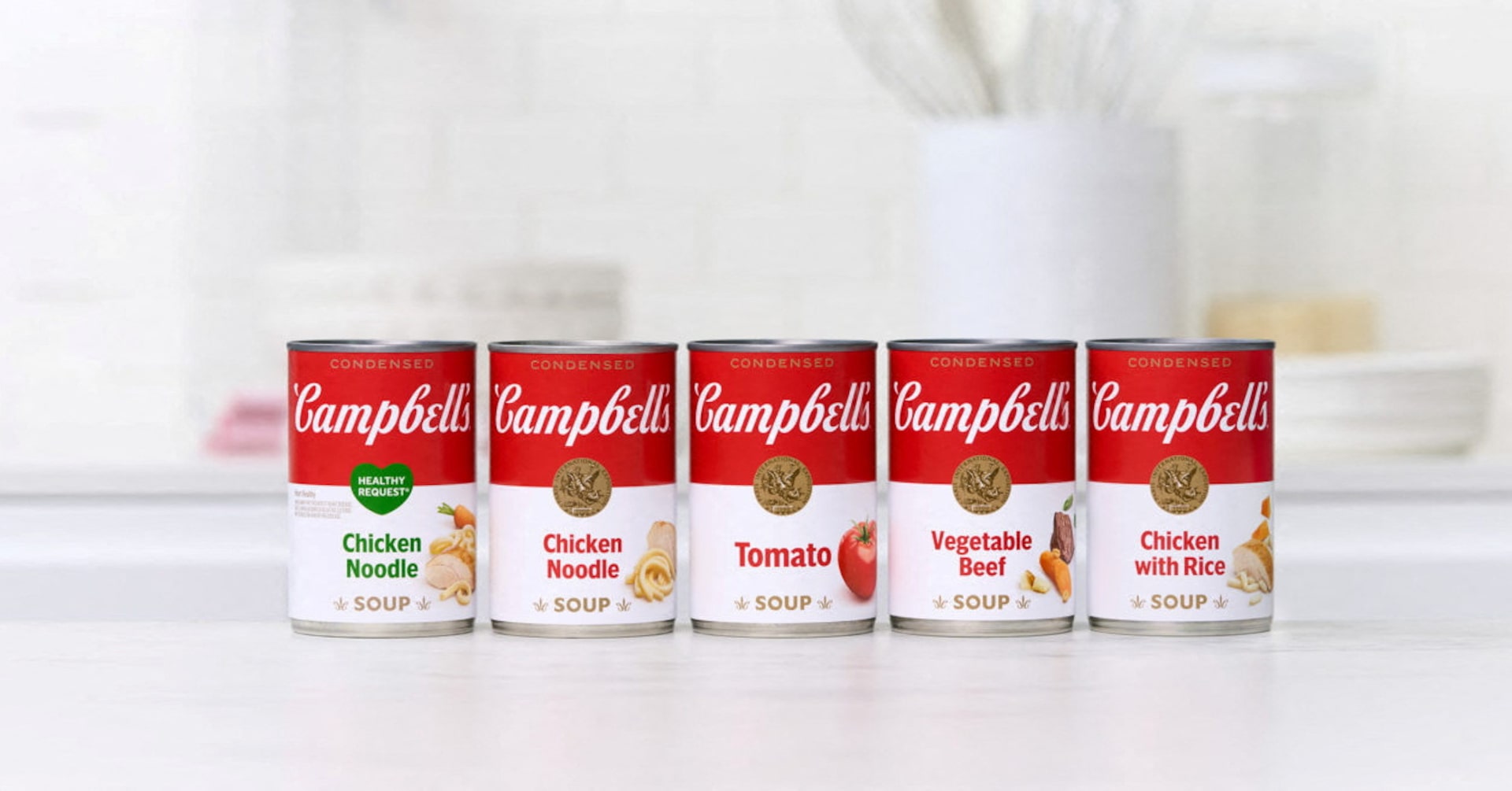
- Brand Strategy Shift: Campbell's Company plans to continue using its brand name for products beyond soup, marking an evolution in its branding strategy, with a line of packaged sauces set to launch this June to solidify its market position.
- Product Line Expansion: The new sauces, including garlic, creamy lemon, butter chicken, and Thai curry, will feature the iconic red and white packaging, aimed at attracting consumers and enhancing brand recognition to drive sales growth.
- Market Positioning Adjustment: Since 2024, Campbell's has dropped 'Soup' from its corporate name, rebranding as 'The Campbell's Company' to reflect growth potential in sauces, snacks, and beverages, particularly with brands like Rao's and Prego.
- Poor Stock Performance: Despite the strategic shift, Campbell's shares have fallen 45% year-to-date, currently trading near a 52-week low, indicating market concerns regarding its future growth prospects.
Trade with 70% Backtested Accuracy
Stop guessing "Should I Buy CPB?" and start using high-conviction signals backed by rigorous historical data.
Sign up today to access powerful investing tools and make smarter, data-driven decisions.
Analyst Views on CPB
Wall Street analysts forecast CPB stock price to rise
15 Analyst Rating
2 Buy
10 Hold
3 Sell
Hold
Current: 20.940

Low
27.00
Averages
31.07
High
38.00
Current: 20.940
Low
27.00
Averages
31.07
High
38.00
About CPB
The Campbell's Company, formerly Campbell Soup Company, provides affordable food and beverages. The Company is focused on brand powerhouse, across two divisions: Meals & Beverages and Snacks. The Company’s portfolio of approximately 16 brands includes Campbell’s, Cape Cod, Chunky, Goldfish, Kettle Brand, Lance, Late July, Pace, Pacific Foods, Pepperidge Farm, Prego, Rao’s, Snack Factory Pretzel Crisps, Snyder’s of Hanover, Swanson and V8. It offers nutritious, convenient food for Canadian families. Its North American Foodservice division offers food, recipes, and tailored solutions for a wide range of segments, including healthcare facilities, restaurants and specialty coffee shops, schools, vending and micro-markets, and lodging throughout North America. Pacific Foods is a producer of organic broth and soup. Offering a wide range of tasty organic and plant-based options, soups include Creamy Roasted Red Pepper & Tomato and new ready-to-serve canned soups.
About the author

Emily J. Thompson
Emily J. Thompson, a Chartered Financial Analyst (CFA) with 12 years in investment research, graduated with honors from the Wharton School. Specializing in industrial and technology stocks, she provides in-depth analysis for Intellectia’s earnings and market brief reports.
CAMPBELL'S CO: PIPER SANDLER LOWERS TARGET PRICE FROM $25 TO $22
- Target Price Adjustment: Campbell's has reduced its target price for Piper Sandler from $25 to $22.
- Market Impact: This adjustment reflects changes in market conditions and expectations for Campbell's performance.
See More

Campbell's Faces Risk of S&P 500 Demotion
- Earnings Miss: Campbell's reported adjusted EPS of $0.51 for Q2 FY2026, falling short of the $0.57 estimate by 11%, while net sales dropped 5% to $2.56 billion, indicating significant challenges in a competitive market.
- Guidance Downgrade: Management lowered full-year adjusted EPS guidance to $2.15-$2.25 from $2.55, with projected organic net sales declining by 1%-2%, reflecting a concerning trend of stagnation in growth.
- Market Cap Erosion: The stock price has plummeted over 40% in the past year, resulting in a market cap of approximately $6.9 billion, making it the second lowest in the S&P 500, raising concerns about potential removal from the index, especially after four companies were recently demoted for similar reasons.
- Brand Strength vs. Challenges: While Campbell's boasts a valuable brand portfolio including Goldfish and V8, the critical question remains whether management can stabilize the business quickly enough to prevent further market cap erosion, with no clear catalysts on the horizon.
See More

Campbell's Faces Risk of S&P 500 Demotion
- Earnings Decline: Campbell's reported adjusted EPS of $0.51 for Q2 2026, missing the $0.57 estimate by 11%, while net sales fell 5% to $2.56 billion, indicating ongoing operational challenges.
- Guidance Cut: Management lowered full-year adjusted EPS guidance to $2.15-$2.25 from a previous high of $2.55, reflecting a pessimistic outlook on future performance amid declining sales.
- Market Share Erosion: The snacks division's operating earnings dropped to $67 million on $914 million in revenue, resulting in a 7.3% operating margin that is insufficient to justify the acquisition, highlighting integration issues.
- Stock Price Plunge: Over the past year, Campbell's stock has fallen more than 40%, with a market cap of approximately $6.9 billion, making it the second-lowest in the S&P 500 and raising concerns about its continued inclusion in the index.
See More

Analysis of Short Interest in Consumer Staples Sector
- Leading Short Interest: As of the end of March, Brown-Forman (BF.B) tops the list of shorted stocks in the consumer staples sector with 16.67% of shares sold short, indicating significant market skepticism regarding demand trends for premium alcohol, which could adversely affect its sales outlook.
- Other Shorted Stocks: Following closely are Campbell's Company (CPB) and Boston Beer Company (SAM) with short interests of 13.34% and 11.90%, respectively, reflecting a lack of investor confidence that may lead to increased stock price volatility.
- Least Shorted Stocks: In contrast, Smithfield Foods (SFD) boasts the lowest short interest at 0.85%, showcasing strong investor confidence in its stability, which may attract more conservative investors seeking reliable returns.
- Market Trends: Overall, the short interest landscape in the consumer staples sector suggests that while some companies face demand uncertainties, defensive stocks remain favored, potentially performing well amid future market fluctuations.
See More

Conagra Stock Downgraded, Plummets Over 18%

- Rating Downgrade Impact: Analyst Chris Carey from Wells Fargo downgraded Conagra's rating from equal weight to underweight, leading to a more than 18% drop in stock price last month, reflecting a pessimistic outlook on the company's future performance.
- Increased Financial Pressure: Carey highlighted Conagra's high leverage and significant payouts for its high-yield dividend, which remains at $0.35 per share, yielding 8.9%, but also results in a high payout ratio that could jeopardize financial stability.
- Intensified Market Competition: As consumer preferences shift towards fresher foods, Conagra faces challenges in maintaining competitiveness, particularly with its core brands like Birds Eye and Hebrew National under pressure in the modern market, making brand refreshment increasingly urgent.
- Divergent Analyst Views: While UBS analyst Peter Grom maintains a neutral rating with a $20 price target for Conagra, he acknowledges that current market conditions are not ideal, suggesting that investors should carefully consider the company's future growth potential before making decisions.
See More

Analyst Downgrade Sends Conagra Stock Down Over 18%
- Downgrade Impact: Analyst Chris Carey from Wells Fargo downgraded Conagra's rating from equal weight to underweight, resulting in a more than 18% drop in stock price last month, reflecting market concerns about the overall outlook for the food industry.
- Increased Financial Pressure: Carey highlighted that Conagra's high leverage and significant payouts for its high-yield dividend are straining its finances, particularly amid sluggish consumption trends and ongoing inflation, which could jeopardize the company's long-term stability.
- Changing Competitive Landscape: While Conagra has thrived on comfort food, modern consumers are increasingly favoring fresher options, posing challenges for the company as it competes against other food brands in a shifting market.
- Dividend Appeal vs. Risk: Conagra declared a quarterly dividend of $0.35 per share, yielding 8.9%, but with a payout ratio of 8.86%, there are concerns about potential dividend cuts in the future, prompting investors to exercise caution.
See More
CAMPBELL'S CO: PIPER SANDLER LOWERS TARGET PRICE FROM $25 TO $22
- Target Price Adjustment: Campbell's has reduced its target price for Piper Sandler from $25 to $22.
- Market Impact: This adjustment reflects changes in market conditions and expectations for Campbell's performance.
See More
Campbell's Faces Risk of S&P 500 Demotion
- Earnings Miss: Campbell's reported adjusted EPS of $0.51 for Q2 FY2026, falling short of the $0.57 estimate by 11%, while net sales dropped 5% to $2.56 billion, indicating significant challenges in a competitive market.
- Guidance Downgrade: Management lowered full-year adjusted EPS guidance to $2.15-$2.25 from $2.55, with projected organic net sales declining by 1%-2%, reflecting a concerning trend of stagnation in growth.
- Market Cap Erosion: The stock price has plummeted over 40% in the past year, resulting in a market cap of approximately $6.9 billion, making it the second lowest in the S&P 500, raising concerns about potential removal from the index, especially after four companies were recently demoted for similar reasons.
- Brand Strength vs. Challenges: While Campbell's boasts a valuable brand portfolio including Goldfish and V8, the critical question remains whether management can stabilize the business quickly enough to prevent further market cap erosion, with no clear catalysts on the horizon.
See More
Campbell's Faces Risk of S&P 500 Demotion
- Earnings Decline: Campbell's reported adjusted EPS of $0.51 for Q2 2026, missing the $0.57 estimate by 11%, while net sales fell 5% to $2.56 billion, indicating ongoing operational challenges.
- Guidance Cut: Management lowered full-year adjusted EPS guidance to $2.15-$2.25 from a previous high of $2.55, reflecting a pessimistic outlook on future performance amid declining sales.
- Market Share Erosion: The snacks division's operating earnings dropped to $67 million on $914 million in revenue, resulting in a 7.3% operating margin that is insufficient to justify the acquisition, highlighting integration issues.
- Stock Price Plunge: Over the past year, Campbell's stock has fallen more than 40%, with a market cap of approximately $6.9 billion, making it the second-lowest in the S&P 500 and raising concerns about its continued inclusion in the index.
See More
Analysis of Short Interest in Consumer Staples Sector
- Leading Short Interest: As of the end of March, Brown-Forman (BF.B) tops the list of shorted stocks in the consumer staples sector with 16.67% of shares sold short, indicating significant market skepticism regarding demand trends for premium alcohol, which could adversely affect its sales outlook.
- Other Shorted Stocks: Following closely are Campbell's Company (CPB) and Boston Beer Company (SAM) with short interests of 13.34% and 11.90%, respectively, reflecting a lack of investor confidence that may lead to increased stock price volatility.
- Least Shorted Stocks: In contrast, Smithfield Foods (SFD) boasts the lowest short interest at 0.85%, showcasing strong investor confidence in its stability, which may attract more conservative investors seeking reliable returns.
- Market Trends: Overall, the short interest landscape in the consumer staples sector suggests that while some companies face demand uncertainties, defensive stocks remain favored, potentially performing well amid future market fluctuations.
See More
Conagra Stock Downgraded, Plummets Over 18%
- Rating Downgrade Impact: Analyst Chris Carey from Wells Fargo downgraded Conagra's rating from equal weight to underweight, leading to a more than 18% drop in stock price last month, reflecting a pessimistic outlook on the company's future performance.
- Increased Financial Pressure: Carey highlighted Conagra's high leverage and significant payouts for its high-yield dividend, which remains at $0.35 per share, yielding 8.9%, but also results in a high payout ratio that could jeopardize financial stability.
- Intensified Market Competition: As consumer preferences shift towards fresher foods, Conagra faces challenges in maintaining competitiveness, particularly with its core brands like Birds Eye and Hebrew National under pressure in the modern market, making brand refreshment increasingly urgent.
- Divergent Analyst Views: While UBS analyst Peter Grom maintains a neutral rating with a $20 price target for Conagra, he acknowledges that current market conditions are not ideal, suggesting that investors should carefully consider the company's future growth potential before making decisions.
See More
Analyst Downgrade Sends Conagra Stock Down Over 18%
- Downgrade Impact: Analyst Chris Carey from Wells Fargo downgraded Conagra's rating from equal weight to underweight, resulting in a more than 18% drop in stock price last month, reflecting market concerns about the overall outlook for the food industry.
- Increased Financial Pressure: Carey highlighted that Conagra's high leverage and significant payouts for its high-yield dividend are straining its finances, particularly amid sluggish consumption trends and ongoing inflation, which could jeopardize the company's long-term stability.
- Changing Competitive Landscape: While Conagra has thrived on comfort food, modern consumers are increasingly favoring fresher options, posing challenges for the company as it competes against other food brands in a shifting market.
- Dividend Appeal vs. Risk: Conagra declared a quarterly dividend of $0.35 per share, yielding 8.9%, but with a payout ratio of 8.86%, there are concerns about potential dividend cuts in the future, prompting investors to exercise caution.
See More