Biden officials say Americans have scored $1 billion in EV tax credits this year
Written by Emily J. Thompson, Senior Investment Analyst
Updated: Jun 12 2024
0mins


Should l Buy TSLA?
Source: MarketWatch
- Buyers of Electric Vehicles and Tax Credit: Buyers of electric vehicles can now get a federal tax credit at the time of purchase since Jan. 1, thanks to new guidance from the Biden administration.
- Opportunity for Discounts: Shoppers have the chance to take up to $7,500 off the upfront cost of a new EV or up to $4,000 off a used EV.
- Treasury Department Announcement: The Treasury Department announced this new opportunity on Wednesday.
- Subscription Requirement: To continue reading more about this topic, readers are required to subscribe or sign in.
Trade with 70% Backtested Accuracy
Stop guessing "Should I Buy TSLA?" and start using high-conviction signals backed by rigorous historical data.
Sign up today to access powerful investing tools and make smarter, data-driven decisions.
Analyst Views on TSLA
Wall Street analysts forecast TSLA stock price to rise
30 Analyst Rating
12 Buy
11 Hold
7 Sell
Hold
Current: 398.730

Low
25.28
Averages
401.93
High
600.00
Current: 398.730
Low
25.28
Averages
401.93
High
600.00
About TSLA
Tesla, Inc. designs, develops, manufactures, sells and leases high-performance fully electric vehicles and energy generation and storage systems, and offers services related to its products. Its segments include automotive, and energy generation and storage. The automotive segment includes the design, development, manufacturing, sales and leasing of high-performance fully electric vehicles, and sales of automotive regulatory credits. It also includes sales of used vehicles, non-warranty maintenance services and collisions, part sales, paid supercharging, insurance services revenue and retail merchandise sales. The energy generation and storage segment include the design, manufacture, installation, sales and leasing of solar energy generation and energy storage products and related services and sales of solar energy systems incentives. Its consumer vehicles include the Model 3, Y, S, X and Cybertruck. Its lithium-ion battery energy storage products include Powerwall and Megapack.
About the author

Emily J. Thompson
Emily J. Thompson, a Chartered Financial Analyst (CFA) with 12 years in investment research, graduated with honors from the Wharton School. Specializing in industrial and technology stocks, she provides in-depth analysis for Intellectia’s earnings and market brief reports.
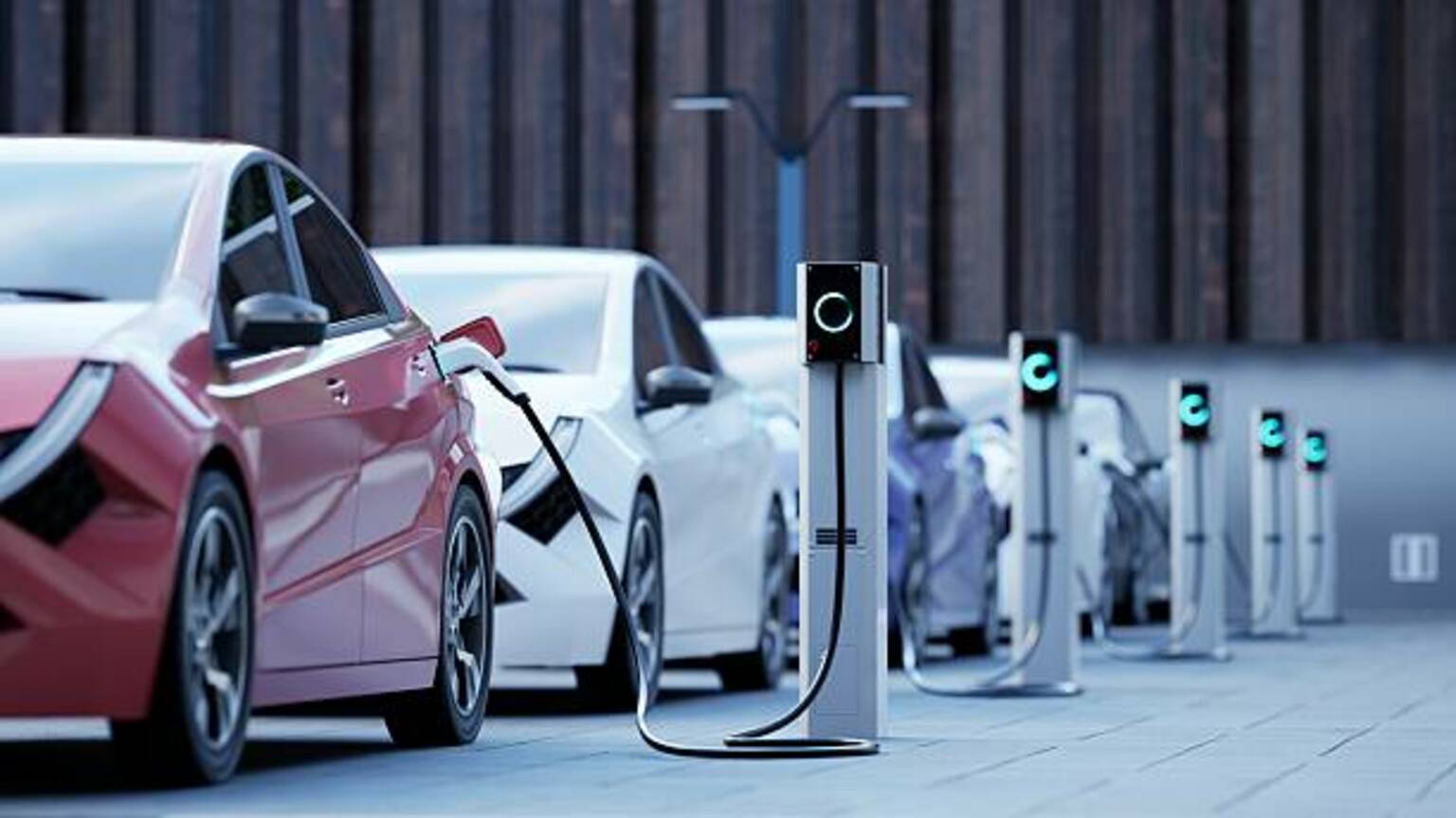
Tesla Recalls Over 218,800 Vehicles Due to Camera Issue

- Large Recall Scale: Tesla is recalling over 218,800 vehicles in the U.S. due to a rearview camera image issue, affecting 2024-2025 Model 3 and Model S, as well as 2023-2025 Model X and Model Y, highlighting ongoing challenges in quality control.
- Significant Safety Risk: The delay in rearview camera image appearance could impair driver visibility, increasing the risk of collisions, which may lead to decreased consumer confidence in Tesla's safety standards.
- Software Update Solution: Tesla typically resolves most issues through free over-the-air software updates, and this recall may again test its ability to respond quickly and provide customer service, although frequent recalls could impact brand image.
- Historical Recall Trends: Rearview camera faults have been a recurring recall category for Tesla in recent years, reflecting ongoing challenges in technological reliability that could negatively affect future sales and market share.
See More
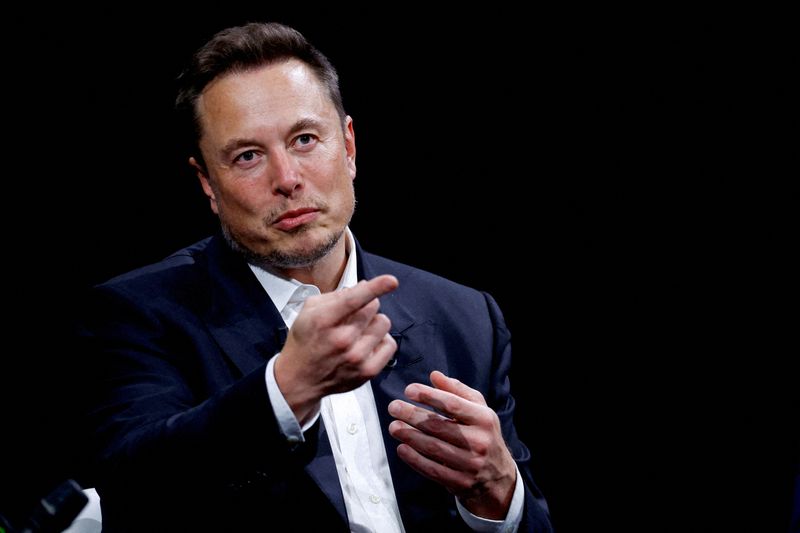
Musk v. Altman Trial Enters Second Week

- Witness Testimony: Former OpenAI board member Shivon Zilis testified about her close relationship with Musk and her role at OpenAI, highlighting extensive discussions on corporate structure that could influence OpenAI's future direction.
- Lawsuit Background: Musk filed a lawsuit against OpenAI and CEO Altman in 2024, alleging they failed to uphold initial nonprofit commitments and sought to restore the company's charitable mission, a case that could have significant implications for AI industry regulation and development.
- Corporate Structure Dispute: Zilis confirmed Musk's proposal to merge OpenAI with Tesla and offer Altman a board seat, indicating Musk's desire for control over OpenAI and its strategic implications for the company's future.
- Emergence of Competitors: Musk founded a competing AI company, xAI, in 2023 and merged it with SpaceX, demonstrating his ongoing interest in the AI sector and intensifying market competition, which may threaten OpenAI's market position.
See More
Analysis of AI Investment Opportunities

- Palantir's Impressive Performance: Palantir reported an 85% year-over-year revenue increase in Q1 2026, reaching $1.6 billion, showcasing strong results across both commercial and government sectors, solidifying its status as a hot tech stock.
- Tesla's Slowing Growth: While Tesla's revenue grew 16% to $22.4 billion in Q1 2026, this growth rate is significantly lower than Palantir's, with the company primarily focused on electric vehicles and future robotaxi and humanoid robot projects yet to generate substantial revenue.
- Valuation Risks: Both companies face high valuation risks, with Palantir trading at a P/E ratio of 350 and Tesla at 150, indicating that investor expectations are extremely high, and any earnings report could quickly impact their valuations.
- Investment Choice Analysis: In terms of investment selection, Palantir appears to be the better option due to its strong relationship with the U.S. government and significant revenue from its AI platform, while Tesla relies more on future hopes and expectations, necessitating cautious evaluation by investors.
See More
SpaceX IPO Could Spark Transformation in Self-Driving Technology

- Valuation Expectations: SpaceX is set to go public with a valuation between $1.5 trillion and $2 trillion, aiming to raise $50 billion to $75 billion in fresh capital through its IPO, which will significantly bolster the company's growth prospects.
- Retail Investor Participation: Founder Elon Musk intends to reserve up to 30% of shares for retail investors, allowing the general public easy access to invest in SpaceX, thereby enhancing market engagement and public awareness.
- Rivian's Potential Gains: Rivian, a direct competitor to Tesla, is expected to benefit from the SpaceX IPO, particularly in its investments in self-driving technology and artificial intelligence, which could accelerate its market growth.
- Increased Industry Competition: Following the SpaceX IPO, Tesla's self-driving ambitions will likely accelerate, prompting competitors like Alphabet and Uber to ramp up their investments, further intensifying competition and technological advancements in the electric vehicle market.
See More
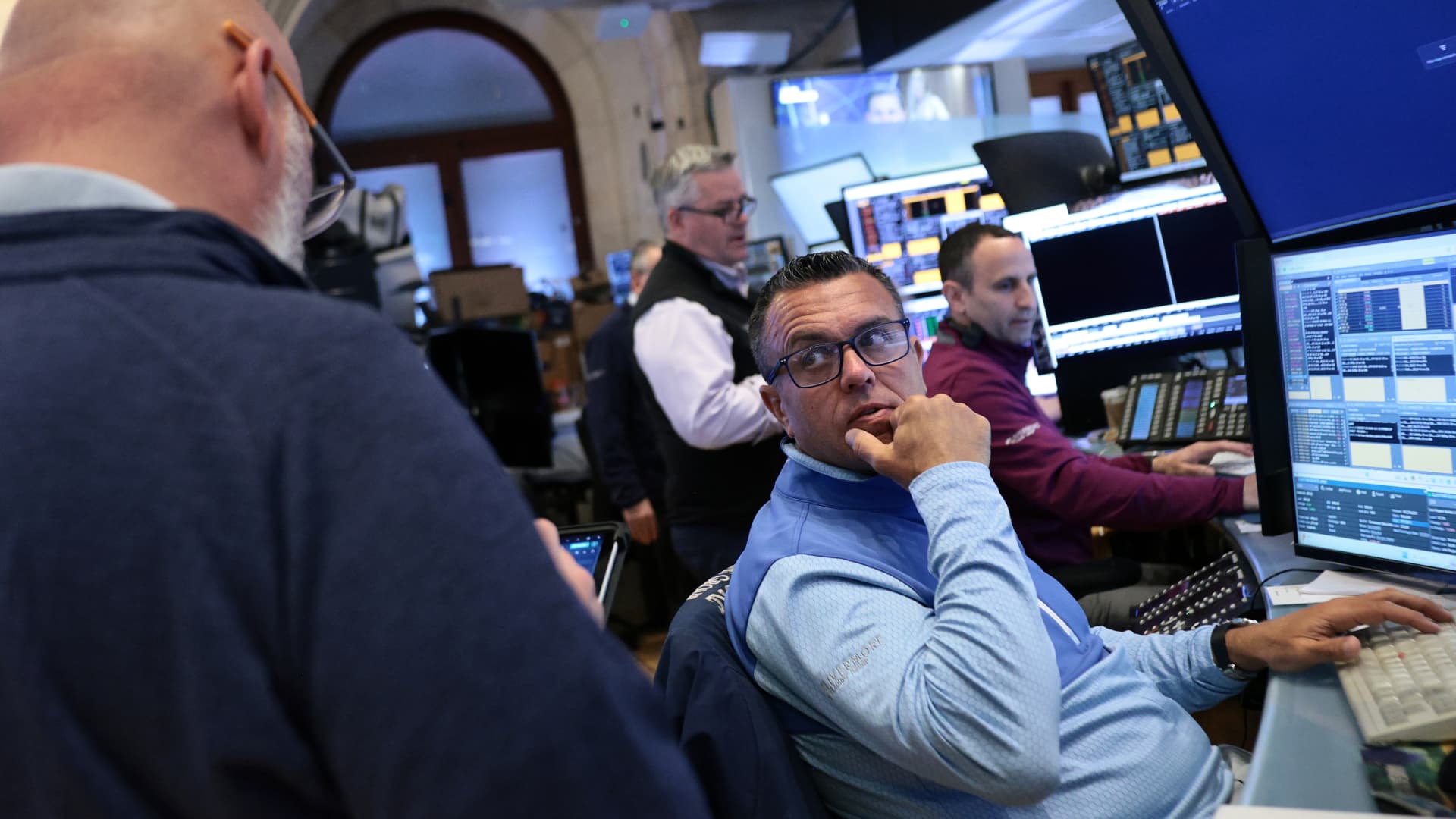
S&P 500 Hits New Records Amid Narrow Market Participation

- Market Records: The S&P 500 posted fresh intraday and closing records on Wednesday as investors increased stock market exposure amid signs of a potential deal between Iran and the U.S., indicating improved market sentiment.
- Low Participation: Only 22% of S&P 500 constituents outperformed the benchmark over the past 30 days, marking the lowest participation rate in three decades, which could hinder the sustainability of future rallies.
- Tech Dominance: The rally has been largely driven by the 'Magnificent Seven' tech stocks, including Meta, Microsoft, and Apple, as investor enthusiasm for artificial intelligence continues to propel their strong performance.
- Future Outlook: Despite the narrow nature of the current rally, analysts believe that market conditions are increasingly supportive of broader participation from other stocks and sectors, suggesting that a rotation beyond the largest index constituents may be necessary to sustain the next upward leg.
See More

Tesla Reports 36% Sales Rebound in April Amid Competitive Challenges
- Sales Rebound: Tesla's sales of China-made electric vehicles reached 79,478 units in April, marking a 36% year-over-year increase, indicating demand stabilization in a highly competitive market, especially after losing market share in 2025.
- Consecutive Growth: April marks Tesla's sixth consecutive month of sales growth, suggesting a strengthening recovery in the Chinese market, despite fierce competition from lower-priced Chinese EV manufacturers.
- Ongoing Challenges: Despite the year-over-year sales increase, Tesla's sales fell 7.2% from March, indicating that the market environment remains challenging, particularly with new model launches and increasing pricing pressures.
- Future Outlook: Tesla expects to receive full approval for its Full Self-Driving system in China by the third quarter, a development that could significantly impact future sales growth, prompting investors to monitor the company's ability to sustain growth amid intensifying competition.
See More
Tesla Recalls Over 218,800 Vehicles Due to Camera Issue
- Large Recall Scale: Tesla is recalling over 218,800 vehicles in the U.S. due to a rearview camera image issue, affecting 2024-2025 Model 3 and Model S, as well as 2023-2025 Model X and Model Y, highlighting ongoing challenges in quality control.
- Significant Safety Risk: The delay in rearview camera image appearance could impair driver visibility, increasing the risk of collisions, which may lead to decreased consumer confidence in Tesla's safety standards.
- Software Update Solution: Tesla typically resolves most issues through free over-the-air software updates, and this recall may again test its ability to respond quickly and provide customer service, although frequent recalls could impact brand image.
- Historical Recall Trends: Rearview camera faults have been a recurring recall category for Tesla in recent years, reflecting ongoing challenges in technological reliability that could negatively affect future sales and market share.
See More
Musk v. Altman Trial Enters Second Week
- Witness Testimony: Former OpenAI board member Shivon Zilis testified about her close relationship with Musk and her role at OpenAI, highlighting extensive discussions on corporate structure that could influence OpenAI's future direction.
- Lawsuit Background: Musk filed a lawsuit against OpenAI and CEO Altman in 2024, alleging they failed to uphold initial nonprofit commitments and sought to restore the company's charitable mission, a case that could have significant implications for AI industry regulation and development.
- Corporate Structure Dispute: Zilis confirmed Musk's proposal to merge OpenAI with Tesla and offer Altman a board seat, indicating Musk's desire for control over OpenAI and its strategic implications for the company's future.
- Emergence of Competitors: Musk founded a competing AI company, xAI, in 2023 and merged it with SpaceX, demonstrating his ongoing interest in the AI sector and intensifying market competition, which may threaten OpenAI's market position.
See More
Analysis of AI Investment Opportunities
- Palantir's Impressive Performance: Palantir reported an 85% year-over-year revenue increase in Q1 2026, reaching $1.6 billion, showcasing strong results across both commercial and government sectors, solidifying its status as a hot tech stock.
- Tesla's Slowing Growth: While Tesla's revenue grew 16% to $22.4 billion in Q1 2026, this growth rate is significantly lower than Palantir's, with the company primarily focused on electric vehicles and future robotaxi and humanoid robot projects yet to generate substantial revenue.
- Valuation Risks: Both companies face high valuation risks, with Palantir trading at a P/E ratio of 350 and Tesla at 150, indicating that investor expectations are extremely high, and any earnings report could quickly impact their valuations.
- Investment Choice Analysis: In terms of investment selection, Palantir appears to be the better option due to its strong relationship with the U.S. government and significant revenue from its AI platform, while Tesla relies more on future hopes and expectations, necessitating cautious evaluation by investors.
See More
SpaceX IPO Could Spark Transformation in Self-Driving Technology
- Valuation Expectations: SpaceX is set to go public with a valuation between $1.5 trillion and $2 trillion, aiming to raise $50 billion to $75 billion in fresh capital through its IPO, which will significantly bolster the company's growth prospects.
- Retail Investor Participation: Founder Elon Musk intends to reserve up to 30% of shares for retail investors, allowing the general public easy access to invest in SpaceX, thereby enhancing market engagement and public awareness.
- Rivian's Potential Gains: Rivian, a direct competitor to Tesla, is expected to benefit from the SpaceX IPO, particularly in its investments in self-driving technology and artificial intelligence, which could accelerate its market growth.
- Increased Industry Competition: Following the SpaceX IPO, Tesla's self-driving ambitions will likely accelerate, prompting competitors like Alphabet and Uber to ramp up their investments, further intensifying competition and technological advancements in the electric vehicle market.
See More
S&P 500 Hits New Records Amid Narrow Market Participation
- Market Records: The S&P 500 posted fresh intraday and closing records on Wednesday as investors increased stock market exposure amid signs of a potential deal between Iran and the U.S., indicating improved market sentiment.
- Low Participation: Only 22% of S&P 500 constituents outperformed the benchmark over the past 30 days, marking the lowest participation rate in three decades, which could hinder the sustainability of future rallies.
- Tech Dominance: The rally has been largely driven by the 'Magnificent Seven' tech stocks, including Meta, Microsoft, and Apple, as investor enthusiasm for artificial intelligence continues to propel their strong performance.
- Future Outlook: Despite the narrow nature of the current rally, analysts believe that market conditions are increasingly supportive of broader participation from other stocks and sectors, suggesting that a rotation beyond the largest index constituents may be necessary to sustain the next upward leg.
See More
Tesla Reports 36% Sales Rebound in April Amid Competitive Challenges
- Sales Rebound: Tesla's sales of China-made electric vehicles reached 79,478 units in April, marking a 36% year-over-year increase, indicating demand stabilization in a highly competitive market, especially after losing market share in 2025.
- Consecutive Growth: April marks Tesla's sixth consecutive month of sales growth, suggesting a strengthening recovery in the Chinese market, despite fierce competition from lower-priced Chinese EV manufacturers.
- Ongoing Challenges: Despite the year-over-year sales increase, Tesla's sales fell 7.2% from March, indicating that the market environment remains challenging, particularly with new model launches and increasing pricing pressures.
- Future Outlook: Tesla expects to receive full approval for its Full Self-Driving system in China by the third quarter, a development that could significantly impact future sales growth, prompting investors to monitor the company's ability to sustain growth amid intensifying competition.
See More