Bath & Body Works Partners with Amazon for Direct Sales
Written by Emily J. Thompson, Senior Investment Analyst
Updated: Feb 20 2026
0mins


Source: CNBC
- Direct Sales Model: Bath & Body Works launches its first authorized brand storefront on Amazon, directly reaching consumers and leveraging Amazon's logistics network to enhance product accessibility, which is expected to significantly increase market share in online sales channels.
- Market Share Competition: According to Euromonitor, Amazon holds a 47% share of the U.S. beauty market, and Bath & Body Works' new strategy aims to strengthen brand competitiveness, particularly against Sephora's 9% market share.
- Innovative Growth Strategy: New CEO Daniel Heaf outlines a consumer-first growth plan focused on innovative products and brand revitalization to achieve sustainable profitability, with the Amazon partnership seen as the first milestone in this strategy.
- Lower Shopping Threshold: Bath & Body Works reduces its website's free shipping threshold from $100 to $50 to enhance consumer shopping experience, while also increasing competitiveness through Amazon's Prime eligibility, despite acknowledging the challenge of competing with Amazon's delivery speed.
Trade with 70% Backtested Accuracy
Stop guessing "Should I Buy FDX?" and start using high-conviction signals backed by rigorous historical data.
Sign up today to access powerful investing tools and make smarter, data-driven decisions.
Analyst Views on FDX
Wall Street analysts forecast FDX stock price to fall
20 Analyst Rating
13 Buy
6 Hold
1 Sell
Moderate Buy
Current: 377.000

Low
210.00
Averages
315.05
High
365.00
Current: 377.000
Low
210.00
Averages
315.05
High
365.00
About FDX
FedEx Corporation provides customers and businesses with a portfolio of transportation, e-commerce, and business services. The Company offers integrated business solutions utilizing its flexible and efficient global network. Its segments include Federal Express, FedEx Freight, and Corporate, other, and eliminations. Federal Express segment includes express transportation, small-package ground delivery, and freight transportation, and it also operates combined sales, marketing, administrative, and information-technology functions in shared service operations for United States customers. FedEx Freight segment includes FedEx Freight (LTL freight transportation) and FedEx Custom Critical (time-critical transportation). Corporate, other, and elimination segments include FedEx Dataworks, Inc. (FedEx Dataworks), FedEx Office and Print Services, Inc. (FedEx Office), and FedEx Logistics, Inc. (FedEx Logistics). FedEx Logistics offers customs brokerage, specialty transportation, and others.
About the author

Emily J. Thompson
Emily J. Thompson, a Chartered Financial Analyst (CFA) with 12 years in investment research, graduated with honors from the Wharton School. Specializing in industrial and technology stocks, she provides in-depth analysis for Intellectia’s earnings and market brief reports.

FedEx Freight Unveils Independent Growth Strategy Ahead of Spinoff

- Financial Framework Launch: FedEx Freight introduces a medium-term financial framework projecting a revenue growth of 4-6% CAGR and adjusted operating income growth of 10-12% CAGR, reflecting strong confidence in future profitability.
- Strategic Priorities: The company will focus on network optimization, advancing technology capabilities, and financial value creation, aiming to drive sustainable long-term value growth and enhance market competitiveness through an efficient operating model and differentiated commercial strategies.
- Spinoff Plans: FedEx Freight is set to complete its spinoff from FedEx on June 1, 2026, with plans to list on the New York Stock Exchange, marking a new chapter as an independent company and boosting investor confidence.
- Investor Day Event: The company will host its inaugural Investor Day at the New York Stock Exchange, showcasing its unique value proposition and financial model as the largest LTL carrier in North America, aimed at attracting investor interest in its future growth potential.
See More
Inflation Soars Amid Iran War Impact

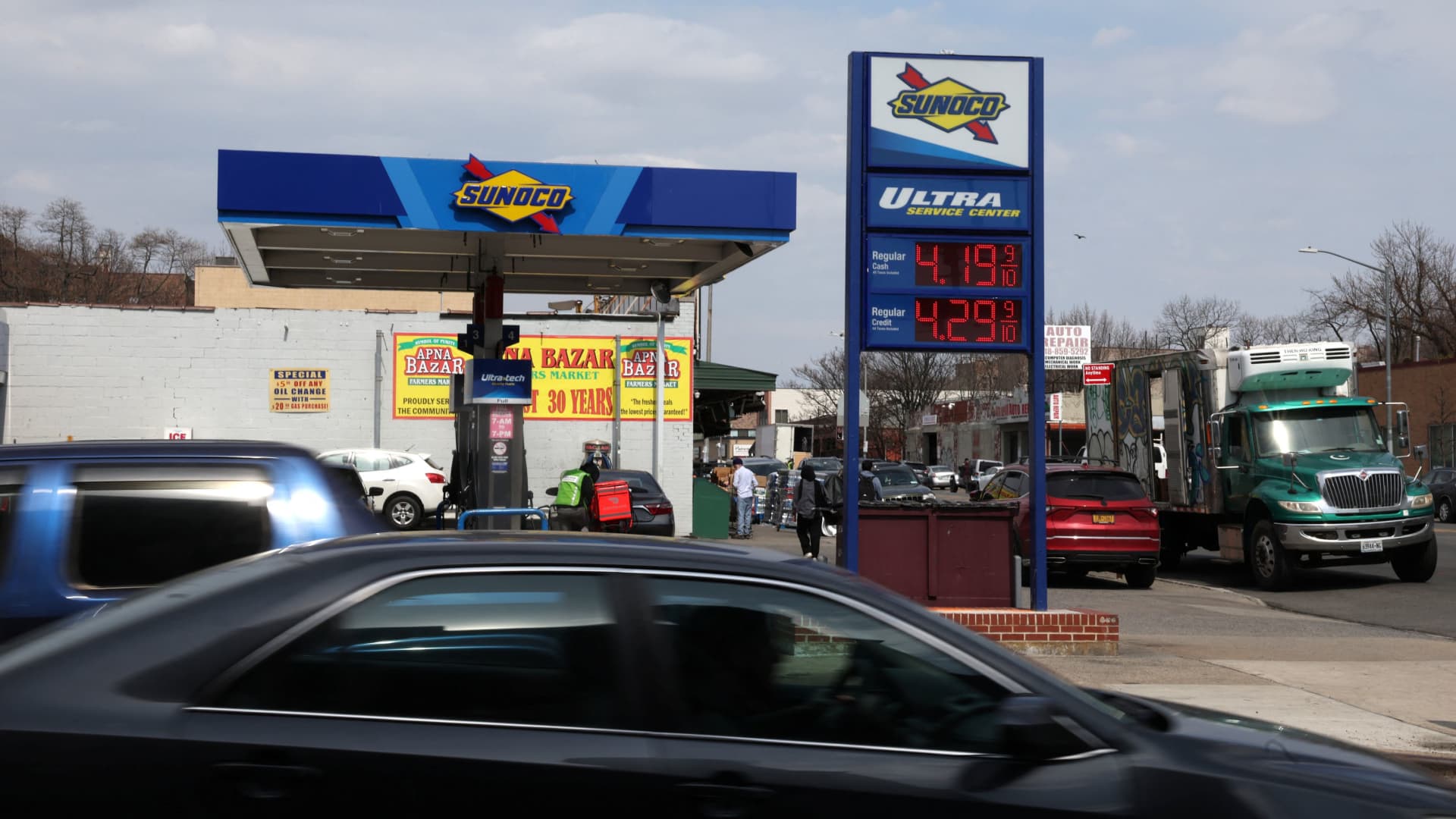
- Rising Inflation Data: The U.S. Bureau of Labor Statistics reported a 3.3% year-over-year increase in the Consumer Price Index for March, up from 2.4% in February, indicating significant economic pressure on consumers due to the Iran war, which may lead to increased household spending burdens.
- Surge in Oil Prices: Oil prices spiked to $118 per barrel by the end of March due to Iran's blockade of the Strait of Hormuz, up from $70 before the conflict, and while prices have since declined to around $96, the elevated levels suggest ongoing energy cost pressures.
- Airfare Increases: Airlines have raised ticket prices due to rising fuel costs, with international fares increasing by 14.9% over the past year; for instance, round-trip tickets from the U.S. to Rome rose from $846 to $1,165, highlighting the widespread impact of high oil prices on travel costs.
- Food Price Pressures: Food prices increased by 2.7% year-over-year, with rising diesel prices driving up transportation costs, further elevating food prices, particularly for specific categories like beef and coffee, which may exacerbate the cost of living for consumers.
See More
Fragile U.S.-Iran Ceasefire Tested Amid Oil Price Volatility


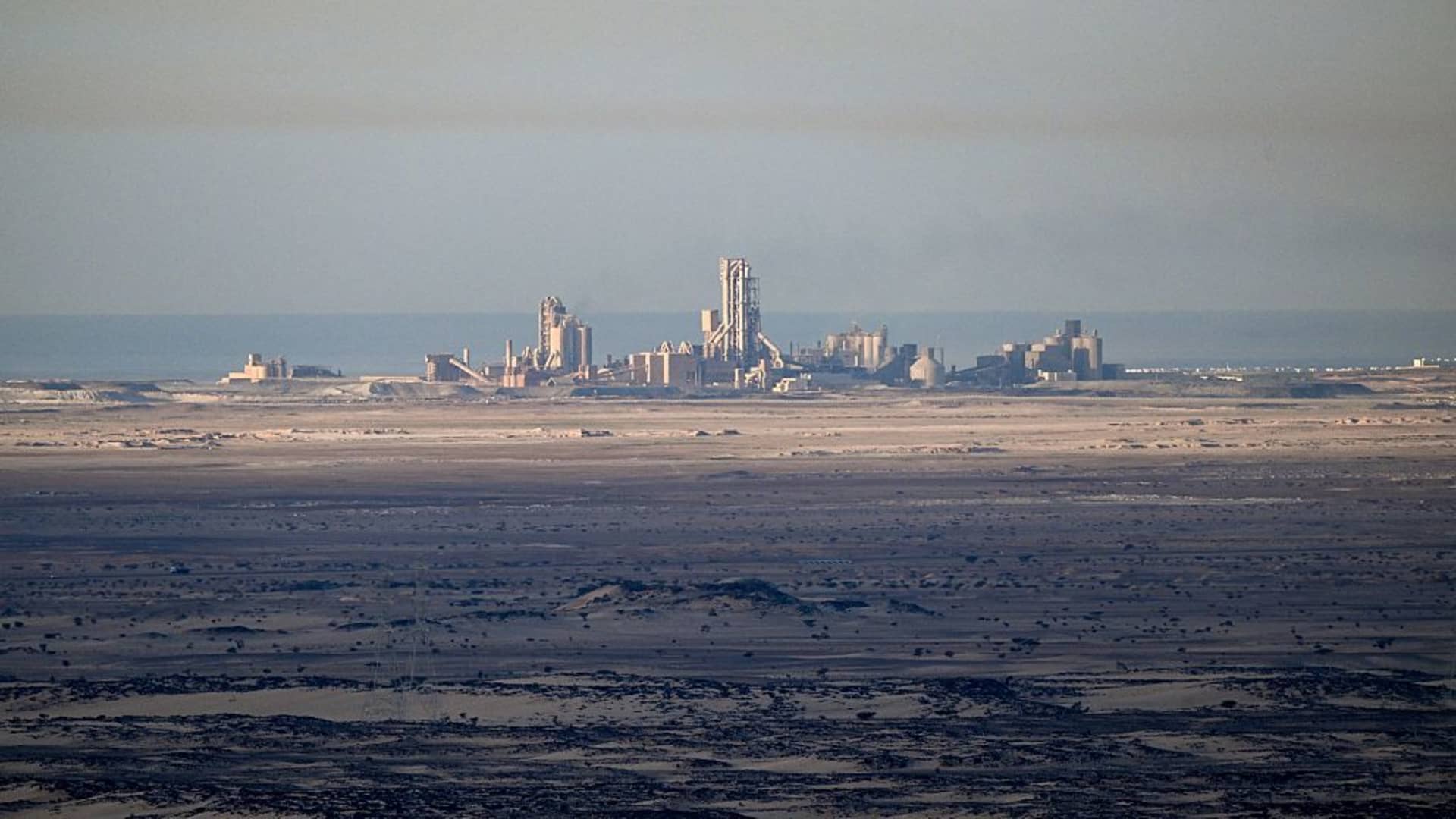
- Oil Price Fluctuations: Iran's attack on Saudi Arabia's Red Sea pipeline has cut throughput by 700,000 barrels per day, causing oil prices to hover below $100 per barrel, which exacerbates uncertainty in global markets.
- Ceasefire Negotiations Tension: U.S. and Iranian negotiators are set to meet in Pakistan, and despite heated rhetoric, there remains a willingness to maintain the ceasefire, which could impact future energy supply and price stability.
- Global Economic Impact: China's factory-gate prices have risen for the first time in over three years, indicating the war's disruption of global energy markets, potentially leading to increased inflationary pressures for the Federal Reserve.
- Political Landscape Attention: The British Prime Minister expressed frustration over energy price volatility, highlighting the influence of international politics on domestic economies, which underscores the far-reaching effects of global political dynamics on markets.
See More

Closure of Strait of Hormuz Triggers Global Energy Crisis
- Market Reaction: Oil prices surged above $100 per barrel due to the closure of the Strait of Hormuz, reflecting market concerns over tight energy supplies that could lead to a global economic slowdown.
- Transport Restrictions: The CEO of Abu Dhabi National Oil Co. confirmed that the Strait of Hormuz is not open to shipping, with traffic being restricted, which will further exacerbate international oil price volatility and impact the global energy supply chain.
- Geopolitical Tensions: Iran's plan to charge shipping companies cryptocurrency tolls for passage through the Strait could provoke strong international backlash, increasing the risk of regional conflict.
- Emergency Measures Escalate: Japan is reportedly considering releasing about 20 days' worth of oil reserves as early as May to address the global supply crisis, demonstrating the urgency and strategic responses of governments facing energy shortages.
See More

US Postal Service Proposes New Price Increases

- Stamp Price Increase: The US Postal Service has proposed raising the cost of a First-Class Mail Forever stamp from 78 cents to 82 cents, which, if approved, would take effect on July 12, resulting in an overall mailing service price increase of approximately 4.8%.
- Domestic Mailing Fee Adjustments: Under the proposal, the cost of sending a one-ounce letter will rise by four cents, while metered letters will increase from 74 cents to 78 cents, and domestic postcard rates will climb from 61 cents to 65 cents, with international postcards and one-ounce international letters both increasing by five cents.
- Ongoing Financial Pressure: This rate request reflects the persistent financial challenges and rising operating costs faced by the Postal Service, which is relying on its regulatory authority to adjust prices as part of its efforts to maintain operations and fulfill its universal service mandate.
- Dependence on Postage Revenue: Unlike many federal entities, the Postal Service does not receive regular taxpayer funding for operating expenses and primarily depends on revenue from postage and related services, and even with the proposed increases, US mailing prices will remain comparatively low by international standards.
See More

FedEx Pilots Reach Tentative Agreement After Long Negotiations
- Significant Pay Increase: The tentative agreement with the Air Line Pilots Association will see FedEx pilots receive nearly a 40% hourly pay increase this year, followed by annual raises of 3% starting in 2028, which will significantly enhance pilot compensation and job satisfaction.
- Compensation Mechanism: The contract also includes retroactive compensation, with captains eligible for up to $150,000 and first officers up to $102,500 to offset missed raises during negotiations, further strengthening the financial security of pilots.
- Broad Coverage: This agreement will cover over 5,000 pilots, who are central to FedEx's global delivery capabilities, suggesting that ratification could stabilize operations and ensure service continuity for the company.
- Complex Negotiation Process: The agreement comes after nearly five years of uneven negotiations, including a tentative deal in 2023 that was rejected by pilots, indicating that the ratification of this agreement is crucial for resolving the long-standing labor issues.
See More
FedEx Freight Unveils Independent Growth Strategy Ahead of Spinoff
- Financial Framework Launch: FedEx Freight introduces a medium-term financial framework projecting a revenue growth of 4-6% CAGR and adjusted operating income growth of 10-12% CAGR, reflecting strong confidence in future profitability.
- Strategic Priorities: The company will focus on network optimization, advancing technology capabilities, and financial value creation, aiming to drive sustainable long-term value growth and enhance market competitiveness through an efficient operating model and differentiated commercial strategies.
- Spinoff Plans: FedEx Freight is set to complete its spinoff from FedEx on June 1, 2026, with plans to list on the New York Stock Exchange, marking a new chapter as an independent company and boosting investor confidence.
- Investor Day Event: The company will host its inaugural Investor Day at the New York Stock Exchange, showcasing its unique value proposition and financial model as the largest LTL carrier in North America, aimed at attracting investor interest in its future growth potential.
See More
Inflation Soars Amid Iran War Impact
- Rising Inflation Data: The U.S. Bureau of Labor Statistics reported a 3.3% year-over-year increase in the Consumer Price Index for March, up from 2.4% in February, indicating significant economic pressure on consumers due to the Iran war, which may lead to increased household spending burdens.
- Surge in Oil Prices: Oil prices spiked to $118 per barrel by the end of March due to Iran's blockade of the Strait of Hormuz, up from $70 before the conflict, and while prices have since declined to around $96, the elevated levels suggest ongoing energy cost pressures.
- Airfare Increases: Airlines have raised ticket prices due to rising fuel costs, with international fares increasing by 14.9% over the past year; for instance, round-trip tickets from the U.S. to Rome rose from $846 to $1,165, highlighting the widespread impact of high oil prices on travel costs.
- Food Price Pressures: Food prices increased by 2.7% year-over-year, with rising diesel prices driving up transportation costs, further elevating food prices, particularly for specific categories like beef and coffee, which may exacerbate the cost of living for consumers.
See More
Fragile U.S.-Iran Ceasefire Tested Amid Oil Price Volatility
- Oil Price Fluctuations: Iran's attack on Saudi Arabia's Red Sea pipeline has cut throughput by 700,000 barrels per day, causing oil prices to hover below $100 per barrel, which exacerbates uncertainty in global markets.
- Ceasefire Negotiations Tension: U.S. and Iranian negotiators are set to meet in Pakistan, and despite heated rhetoric, there remains a willingness to maintain the ceasefire, which could impact future energy supply and price stability.
- Global Economic Impact: China's factory-gate prices have risen for the first time in over three years, indicating the war's disruption of global energy markets, potentially leading to increased inflationary pressures for the Federal Reserve.
- Political Landscape Attention: The British Prime Minister expressed frustration over energy price volatility, highlighting the influence of international politics on domestic economies, which underscores the far-reaching effects of global political dynamics on markets.
See More
Closure of Strait of Hormuz Triggers Global Energy Crisis
- Market Reaction: Oil prices surged above $100 per barrel due to the closure of the Strait of Hormuz, reflecting market concerns over tight energy supplies that could lead to a global economic slowdown.
- Transport Restrictions: The CEO of Abu Dhabi National Oil Co. confirmed that the Strait of Hormuz is not open to shipping, with traffic being restricted, which will further exacerbate international oil price volatility and impact the global energy supply chain.
- Geopolitical Tensions: Iran's plan to charge shipping companies cryptocurrency tolls for passage through the Strait could provoke strong international backlash, increasing the risk of regional conflict.
- Emergency Measures Escalate: Japan is reportedly considering releasing about 20 days' worth of oil reserves as early as May to address the global supply crisis, demonstrating the urgency and strategic responses of governments facing energy shortages.
See More
US Postal Service Proposes New Price Increases
- Stamp Price Increase: The US Postal Service has proposed raising the cost of a First-Class Mail Forever stamp from 78 cents to 82 cents, which, if approved, would take effect on July 12, resulting in an overall mailing service price increase of approximately 4.8%.
- Domestic Mailing Fee Adjustments: Under the proposal, the cost of sending a one-ounce letter will rise by four cents, while metered letters will increase from 74 cents to 78 cents, and domestic postcard rates will climb from 61 cents to 65 cents, with international postcards and one-ounce international letters both increasing by five cents.
- Ongoing Financial Pressure: This rate request reflects the persistent financial challenges and rising operating costs faced by the Postal Service, which is relying on its regulatory authority to adjust prices as part of its efforts to maintain operations and fulfill its universal service mandate.
- Dependence on Postage Revenue: Unlike many federal entities, the Postal Service does not receive regular taxpayer funding for operating expenses and primarily depends on revenue from postage and related services, and even with the proposed increases, US mailing prices will remain comparatively low by international standards.
See More
FedEx Pilots Reach Tentative Agreement After Long Negotiations
- Significant Pay Increase: The tentative agreement with the Air Line Pilots Association will see FedEx pilots receive nearly a 40% hourly pay increase this year, followed by annual raises of 3% starting in 2028, which will significantly enhance pilot compensation and job satisfaction.
- Compensation Mechanism: The contract also includes retroactive compensation, with captains eligible for up to $150,000 and first officers up to $102,500 to offset missed raises during negotiations, further strengthening the financial security of pilots.
- Broad Coverage: This agreement will cover over 5,000 pilots, who are central to FedEx's global delivery capabilities, suggesting that ratification could stabilize operations and ensure service continuity for the company.
- Complex Negotiation Process: The agreement comes after nearly five years of uneven negotiations, including a tentative deal in 2023 that was rejected by pilots, indicating that the ratification of this agreement is crucial for resolving the long-standing labor issues.
See More