Barclays Begins Coverage of Penske Automotive Group with Overweight Rating and Sets Price Target at $195
Written by Emily J. Thompson, Senior Investment Analyst
Updated: Nov 12 2025
0mins
Should l Buy PAG?
Source: Benzinga
Real-time Intelligence: Benzinga Pro offers the fastest news alerts to help traders stay informed and make timely decisions in the stock market.
Exclusive Content: Subscribers gain access to unique stories and insights generated by Benzinga reporters, enhancing their trading strategies.
Community of Traders: Over 10,000 serious traders are part of the Benzinga Pro community, sharing knowledge and resources to improve their market performance.
Market Winning Tools: The platform is designed to provide traders with the tools and information necessary to succeed in their trading endeavors.
Trade with 70% Backtested Accuracy
Stop guessing "Should I Buy PAG?" and start using high-conviction signals backed by rigorous historical data.
Sign up today to access powerful investing tools and make smarter, data-driven decisions.
Analyst Views on PAG
Wall Street analysts forecast PAG stock price to rise
5 Analyst Rating
4 Buy
1 Hold
0 Sell
Strong Buy
Current: 162.820

Low
175.00
Averages
187.00
High
195.00
Current: 162.820
Low
175.00
Averages
187.00
High
195.00
About PAG
Penske Automotive Group, Inc. is a diversified international transportation services company. The Company operates dealerships in the United States, the United Kingdom, Canada, Germany, Italy, Japan and Australia. It also distributes and retails commercial vehicles, diesel and gas engines, power systems, and related parts and services principally in Australia and New Zealand. Additionally, it owns 28.9% of Penske Transportation Solutions (PTS). Its segments include Retail Automotive, Retail Commercial Truck, Other and Non-Automotive Investments. Retail Automotive segment consists of its retail automotive dealership operations. Retail Commercial Truck consists of its retail commercial truck dealership operations in the United States and Canada. Other segment consists of its commercial vehicle and power systems distribution operations. Non-Automotive Investments segment consists of its equity method investments in non-automotive operations which includes its investment in PTS and others.
About the author

Emily J. Thompson
Emily J. Thompson, a Chartered Financial Analyst (CFA) with 12 years in investment research, graduated with honors from the Wharton School. Specializing in industrial and technology stocks, she provides in-depth analysis for Intellectia’s earnings and market brief reports.

PVA Celebrates 80th Anniversary with Over $12 Million in Donations

- Donation Milestone: PVA received a $1.08 million donation from Penske Automotive Group, bringing the total raised since their partnership began in 2015 to over $12 million, significantly enhancing PVA's capacity to support veterans with spinal cord injuries.
- Importance of Partnership: Robert Thomas, National President of PVA, emphasized that Penske's support helps redefine possibilities for veterans with spinal cord injuries, illustrating how collaboration between corporations and nonprofits can create opportunities and remove barriers.
- Historical Achievements: Since its founding in 1946, PVA has achieved significant milestones, including the passage of the Americans with Disabilities Act and funding research that led to the development of the first non-addictive pain medication in over a decade, showcasing its leadership in disability rights and medical research.
- Future Outlook: PVA plans to expand its service offerings, leveraging this donation to further enhance support for veterans, ensuring they receive the care and resources they deserve, thereby improving their quality of life.
See More
PVA Celebrates 80th Anniversary with Over $12 Million Support
- Donation Milestone: PVA announced a $1.08 million donation from Penske Automotive Group, bringing the total raised since 2015 to over $12 million, significantly enhancing its capacity to serve veterans with spinal cord injuries.
- Importance of Partnership: PVA's National President Robert Thomas emphasized that Penske's support helps redefine possibilities for veterans with spinal cord injuries, highlighting the strategic significance of this partnership in improving veterans' quality of life.
- Historical Milestones: As PVA celebrates its 80th anniversary, it reflects on significant achievements since 1946 in disability rights and spinal cord injury research, including the passage of the Americans with Disabilities Act, underscoring its vital role in society.
- Future Commitment: PVA is committed to continuing to provide necessary resources and support for veterans with spinal cord injuries, ensuring they receive the care and opportunities they deserve, thereby enhancing its impact and service quality in the future.
See More

Strait of Hormuz Reopening Boosts Retail Stocks

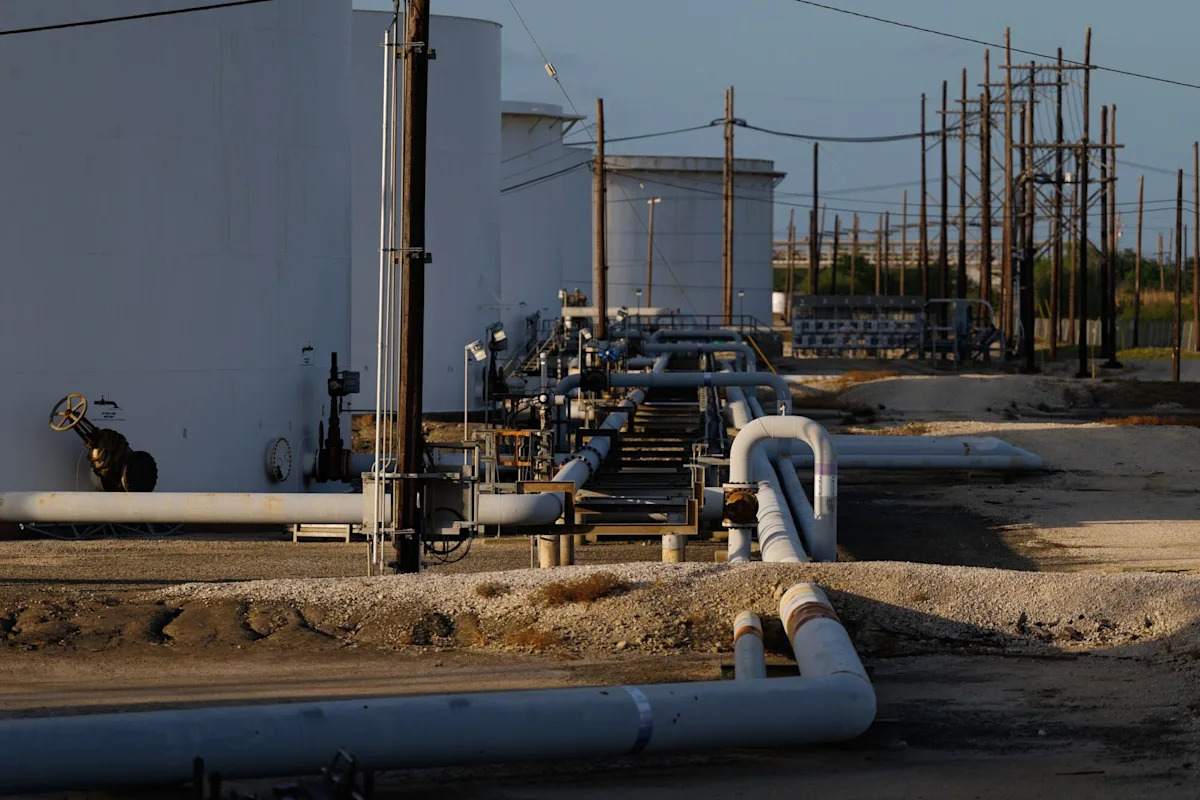
- Energy Crisis Threat Reduced: The reopening of the Strait of Hormuz significantly mitigates the risk of a global energy crisis, leading to a surge in several stocks during the afternoon session, particularly benefiting the retail sector as lower oil prices decrease transportation costs, directly enhancing net margins.
- Increased Consumer Spending Expectations: With more cash in consumers' pockets, investors anticipate a rise in spending on non-essential goods, especially in apparel and home electronics, which will further drive sales growth and market share for retailers.
- Supply Chain Stability Enhanced: The de-escalation of conflict stabilizes global supply chains, easing the
See More
Penske Automotive Group Announces Earnings Release Date
- Earnings Release Schedule: Penske Automotive Group will release its financial results for the three months ended March 31, 2026, on the morning of April 29, 2026, emphasizing the company's commitment to transparency and timely information dissemination.
- Investor Conference Call: A conference call will be held at 2:00 PM Eastern Time on the same day, allowing investors to dial in and engage directly, which enhances market confidence and investor relations.
- Global Business Overview: Operating in multiple countries including the U.S., U.K., and Germany, Penske Automotive employs over 27,700 people, showcasing its robust presence and market coverage in the international transportation services sector.
- Transportation Solutions: The company holds a 28.9% stake in Penske Transportation Solutions, managing approximately 400,000 trucks and providing innovative transportation and supply chain solutions, further solidifying its leadership position in the North American market.
See More
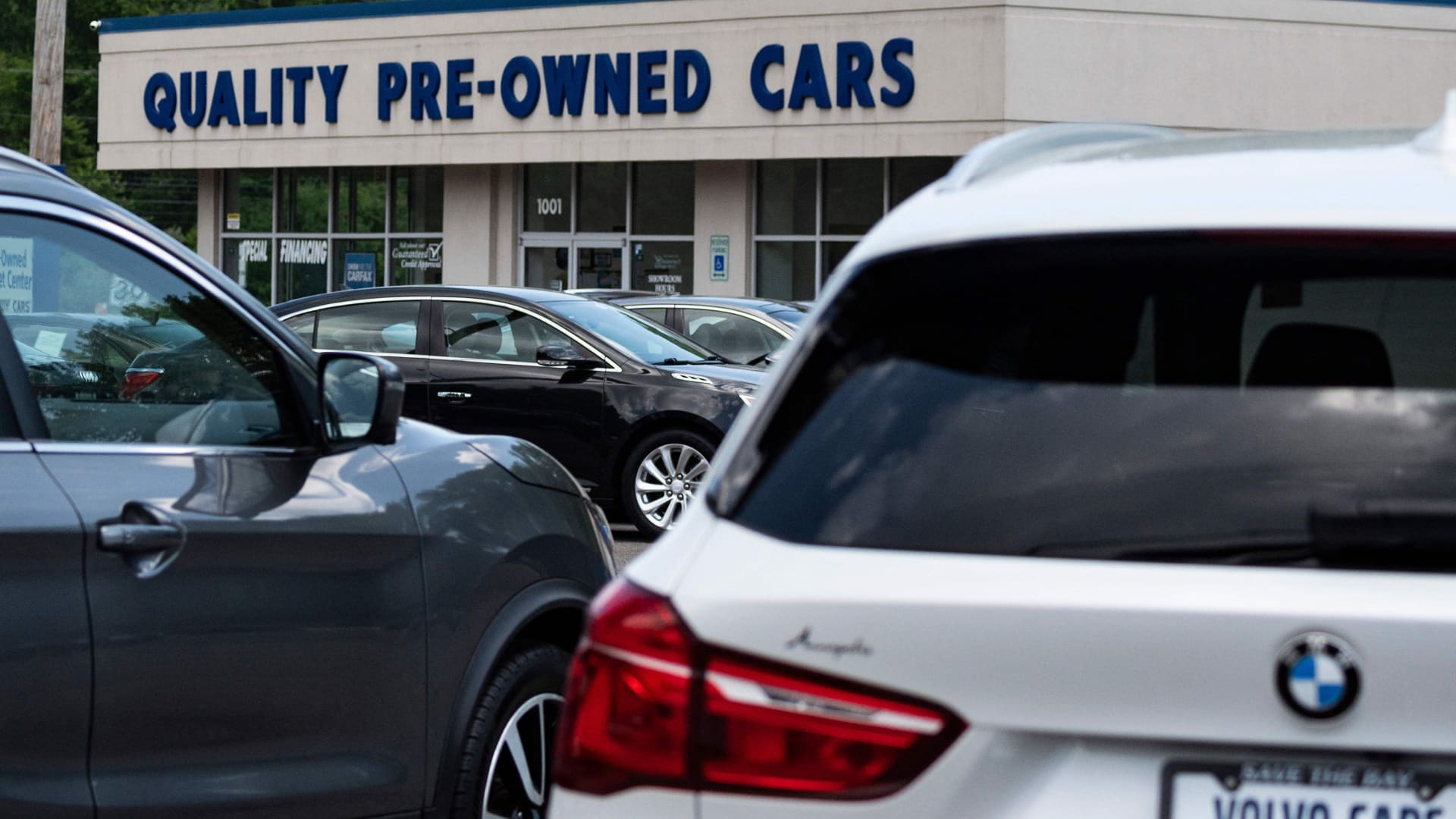
Used Vehicle Demand Remains Strong Amid Price Increases


- Price Increase Trend: Cox Automotive's Manheim Used Vehicle Value Index indicates a 6.2% year-over-year increase in used vehicle prices, reaching the highest level since summer 2023, reflecting strong market demand and tight supply conditions.
- Tight Inventory: As of March, the days' supply of used vehicles fell below 40 days, marking the lowest point since 2026, indicating increased inventory pressure faced by dealers and consumers that may impact future sales strategies.
- Sales Forecast Adjustment: Cox raised its 2023 used vehicle sales forecast from 20.3 million to 20.4 million, although a slight decline in sales is expected in the second half of the year, reflecting the ongoing demand for used vehicles amid complex market dynamics.
- Shifting Consumer Preferences: With high new vehicle prices, more U.S. consumers are opting for used vehicles, and Cox anticipates the new vehicle market will reach approximately 15.8 million units this year, further driving growth in the used vehicle market.
See More
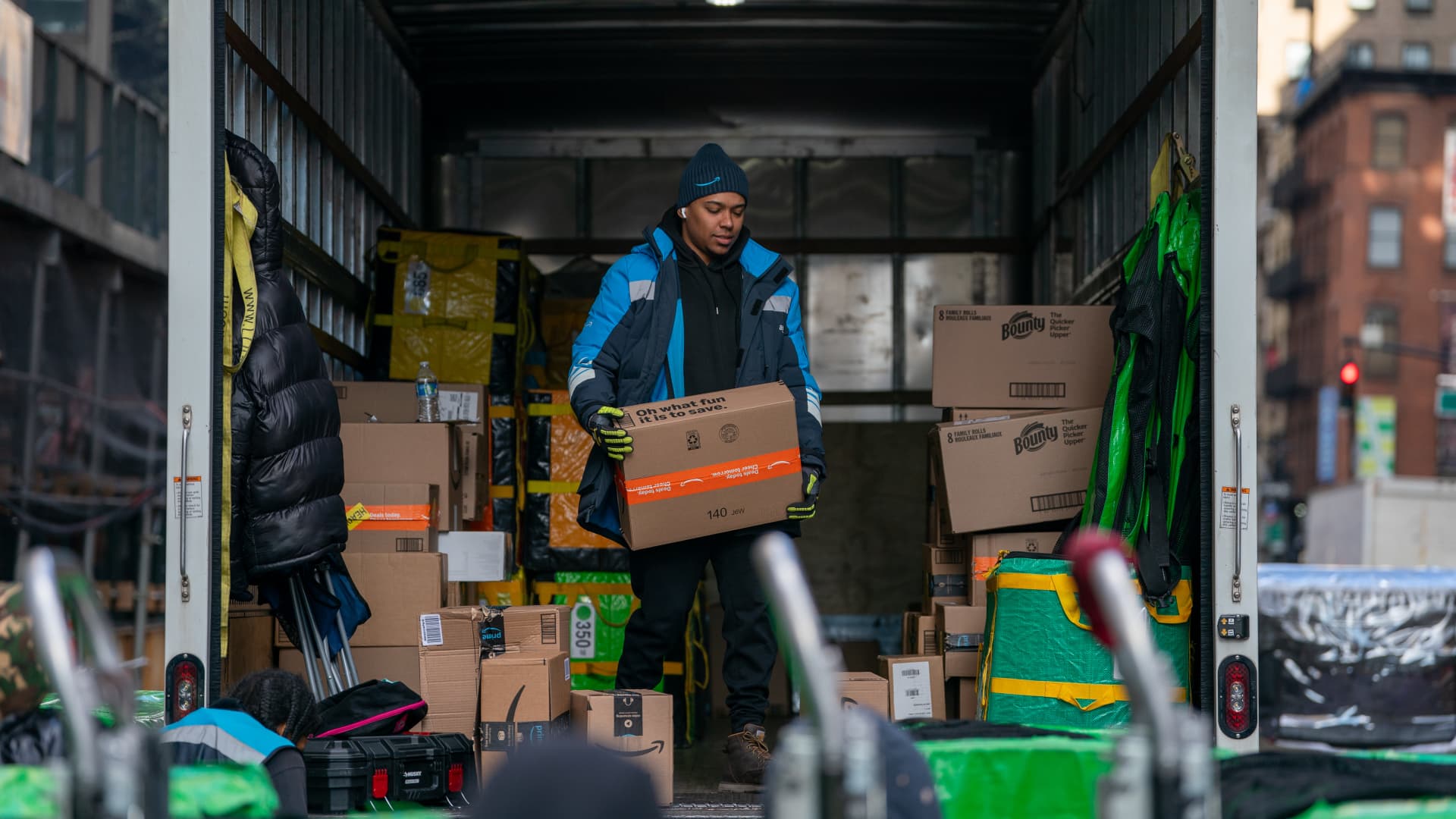
Amazon's Contract Negotiations with USPS Collapse


- Contract Negotiation Breakdown: Amazon's contract renewal negotiations with the USPS fell apart when the Postal Service abruptly walked away, leading Amazon to plan a reduction of at least two-thirds in package volumes, which could significantly impact its logistics costs and service capabilities.
- Threat to Long-term Partnership: Amazon indicated that it had been negotiating for over a year to establish a long-term agreement, but the breakdown in talks jeopardizes its future reliance on USPS for package deliveries, potentially affecting customer delivery experiences.
- USPS Financial Crisis: The USPS Postmaster General warned during a congressional hearing that without congressional assistance, the Postal Service would run out of cash in less than 12 months, highlighting the urgency of its financial situation and the potential impact on its partnership with Amazon.
- Rural Delivery Network Expansion: Amazon has committed to investing approximately $4 billion by the end of 2026 to triple the size of its rural delivery network, indicating its strategic focus on the rural market, which is typically serviced by USPS, and demonstrating Amazon's ambition to capture market share.
See More
PVA Celebrates 80th Anniversary with Over $12 Million in Donations
- Donation Milestone: PVA received a $1.08 million donation from Penske Automotive Group, bringing the total raised since their partnership began in 2015 to over $12 million, significantly enhancing PVA's capacity to support veterans with spinal cord injuries.
- Importance of Partnership: Robert Thomas, National President of PVA, emphasized that Penske's support helps redefine possibilities for veterans with spinal cord injuries, illustrating how collaboration between corporations and nonprofits can create opportunities and remove barriers.
- Historical Achievements: Since its founding in 1946, PVA has achieved significant milestones, including the passage of the Americans with Disabilities Act and funding research that led to the development of the first non-addictive pain medication in over a decade, showcasing its leadership in disability rights and medical research.
- Future Outlook: PVA plans to expand its service offerings, leveraging this donation to further enhance support for veterans, ensuring they receive the care and resources they deserve, thereby improving their quality of life.
See More
PVA Celebrates 80th Anniversary with Over $12 Million Support
- Donation Milestone: PVA announced a $1.08 million donation from Penske Automotive Group, bringing the total raised since 2015 to over $12 million, significantly enhancing its capacity to serve veterans with spinal cord injuries.
- Importance of Partnership: PVA's National President Robert Thomas emphasized that Penske's support helps redefine possibilities for veterans with spinal cord injuries, highlighting the strategic significance of this partnership in improving veterans' quality of life.
- Historical Milestones: As PVA celebrates its 80th anniversary, it reflects on significant achievements since 1946 in disability rights and spinal cord injury research, including the passage of the Americans with Disabilities Act, underscoring its vital role in society.
- Future Commitment: PVA is committed to continuing to provide necessary resources and support for veterans with spinal cord injuries, ensuring they receive the care and opportunities they deserve, thereby enhancing its impact and service quality in the future.
See More
Strait of Hormuz Reopening Boosts Retail Stocks
- Energy Crisis Threat Reduced: The reopening of the Strait of Hormuz significantly mitigates the risk of a global energy crisis, leading to a surge in several stocks during the afternoon session, particularly benefiting the retail sector as lower oil prices decrease transportation costs, directly enhancing net margins.
- Increased Consumer Spending Expectations: With more cash in consumers' pockets, investors anticipate a rise in spending on non-essential goods, especially in apparel and home electronics, which will further drive sales growth and market share for retailers.
- Supply Chain Stability Enhanced: The de-escalation of conflict stabilizes global supply chains, easing the
See More
Penske Automotive Group Announces Earnings Release Date
- Earnings Release Schedule: Penske Automotive Group will release its financial results for the three months ended March 31, 2026, on the morning of April 29, 2026, emphasizing the company's commitment to transparency and timely information dissemination.
- Investor Conference Call: A conference call will be held at 2:00 PM Eastern Time on the same day, allowing investors to dial in and engage directly, which enhances market confidence and investor relations.
- Global Business Overview: Operating in multiple countries including the U.S., U.K., and Germany, Penske Automotive employs over 27,700 people, showcasing its robust presence and market coverage in the international transportation services sector.
- Transportation Solutions: The company holds a 28.9% stake in Penske Transportation Solutions, managing approximately 400,000 trucks and providing innovative transportation and supply chain solutions, further solidifying its leadership position in the North American market.
See More
Used Vehicle Demand Remains Strong Amid Price Increases
- Price Increase Trend: Cox Automotive's Manheim Used Vehicle Value Index indicates a 6.2% year-over-year increase in used vehicle prices, reaching the highest level since summer 2023, reflecting strong market demand and tight supply conditions.
- Tight Inventory: As of March, the days' supply of used vehicles fell below 40 days, marking the lowest point since 2026, indicating increased inventory pressure faced by dealers and consumers that may impact future sales strategies.
- Sales Forecast Adjustment: Cox raised its 2023 used vehicle sales forecast from 20.3 million to 20.4 million, although a slight decline in sales is expected in the second half of the year, reflecting the ongoing demand for used vehicles amid complex market dynamics.
- Shifting Consumer Preferences: With high new vehicle prices, more U.S. consumers are opting for used vehicles, and Cox anticipates the new vehicle market will reach approximately 15.8 million units this year, further driving growth in the used vehicle market.
See More
Amazon's Contract Negotiations with USPS Collapse
- Contract Negotiation Breakdown: Amazon's contract renewal negotiations with the USPS fell apart when the Postal Service abruptly walked away, leading Amazon to plan a reduction of at least two-thirds in package volumes, which could significantly impact its logistics costs and service capabilities.
- Threat to Long-term Partnership: Amazon indicated that it had been negotiating for over a year to establish a long-term agreement, but the breakdown in talks jeopardizes its future reliance on USPS for package deliveries, potentially affecting customer delivery experiences.
- USPS Financial Crisis: The USPS Postmaster General warned during a congressional hearing that without congressional assistance, the Postal Service would run out of cash in less than 12 months, highlighting the urgency of its financial situation and the potential impact on its partnership with Amazon.
- Rural Delivery Network Expansion: Amazon has committed to investing approximately $4 billion by the end of 2026 to triple the size of its rural delivery network, indicating its strategic focus on the rural market, which is typically serviced by USPS, and demonstrating Amazon's ambition to capture market share.
See More