Asian Banks Tighten AI Tool Checks Amid Cybersecurity Concerns
Written by Emily J. Thompson, Senior Investment Analyst
Updated: Apr 30 2026
0mins

Source: Newsfilter
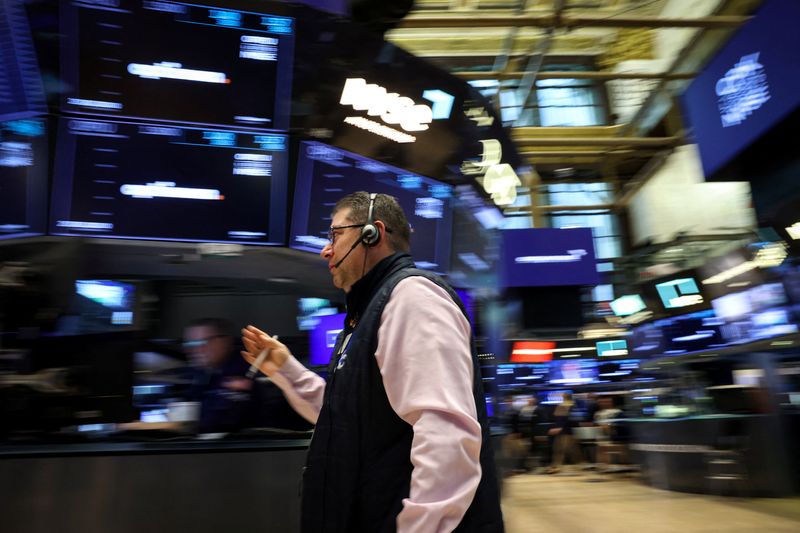
- Escalating Cybersecurity Risks: As the latest AI models raise concerns about hackers exploiting vulnerabilities for larger cyberattacks, major banks across Asia, including those in Singapore, are tightening checks on these tools, reflecting a heightened focus on cybersecurity.
- New Model Launch: Anthropic's Claude Mythos Preview has garnered attention in the cybersecurity space, with major banks like JPMorgan Chase participating as launch partners, indicating a balance between exploring new technologies and managing associated risks.
- Market Response: The CEO of DBS Group noted that while AI tools could accelerate attackers' ability to find system weaknesses, banks can also leverage these tools to enhance their defenses, emphasizing the positive role of AI in banking operations.
- Responsible AI Use: Banks like OCBC and UOB are committed to rigorous assessments before deploying AI solutions, ensuring compliance with existing cybersecurity controls, which reflects a cautious and responsible approach to technological innovation in the financial sector.
Trade with 70% Backtested Accuracy
Stop guessing "Should I Buy JPM?" and start using high-conviction signals backed by rigorous historical data.
Sign up today to access powerful investing tools and make smarter, data-driven decisions.
Analyst Views on JPM
Wall Street analysts forecast JPM stock price to rise
19 Analyst Rating
11 Buy
7 Hold
1 Sell
Moderate Buy
Current: 314.900

Low
260.00
Averages
341.38
High
400.00
Current: 314.900
Low
260.00
Averages
341.38
High
400.00
About JPM
JPMorgan Chase & Co. is a financial holding company. The Company is engaged in investment banking, financial services for consumers and small businesses, commercial banking, financial transaction processing and asset management. The Company operates through three segments: Consumer & Community Banking (CCB), Commercial & Investment Bank (CIB), and Asset & Wealth Management (AWM). Its CCB segment offers products and services to consumers and small businesses through bank branches, ATMs, digital and telephone banking. Its CIB segment consists of banking and payments and markets and securities services, and offers a suite of investment banking, lending, payments, market-making, financing, custody and securities products and services to a global base of corporate and institutional clients. AWM segment offers investment and wealth management solutions. It offers multi-asset investment management solutions, retirement products and services, brokerage, custody, estate planning, and others.
About the author

Emily J. Thompson
Emily J. Thompson, a Chartered Financial Analyst (CFA) with 12 years in investment research, graduated with honors from the Wharton School. Specializing in industrial and technology stocks, she provides in-depth analysis for Intellectia’s earnings and market brief reports.
JPMorgan Chase Launches New Banking App Targeting Gen Z

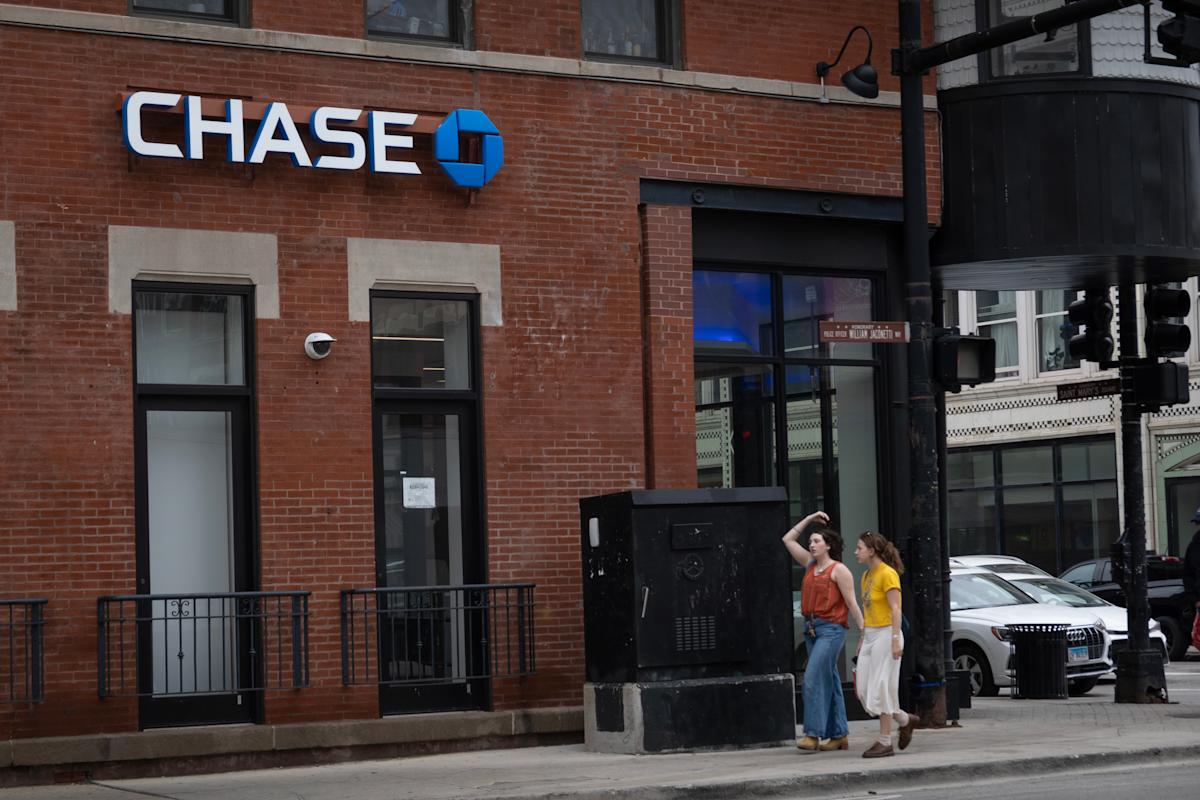
- Response to Young Demands: JPMorgan Chase is launching a new banking app that waives service fees and simplifies account opening for 17-year-olds, aiming to meet the expectations of 30 million young adults, thereby enhancing its customer base and market competitiveness.
- Generational Economic Engine: A JPMorgan study of 4,415 young adults aged 18-24 reveals that 64% cannot save, indicating financial concerns among this generation, prompting banks to adjust strategies to attract this crucial economic demographic.
- Challenges for Traditional Banks: While young adults value a good app, the survey shows that about 50% still prioritize in-person services, indicating that traditional banks must offer a more comprehensive service experience to compete with fintech companies.
- Market Competition Pressure: CEO Jamie Dimon emphasizes that banks cannot ignore the needs of younger customers in the face of competition from AI and fintech, necessitating proactive adaptation to maintain market share.
See More

Wall Street Banks Push for Capital Relief Ahead of Elections

- Capital Relief Push: Wall Street banks are advocating for reduced capital requirements on credit card lines, which is expected to decrease the capital reserves of major banks by approximately 4.8%, alleviating the negative economic impact of current regulations.
- Unused Credit Line Implications: The proposal mandates banks to hold capital against 10% of unused credit lines, potentially forcing banks to cut credit card limits, thereby affecting consumer credit availability.
- GSIB Controversy: Globally Systemically Important Banks (GSIBs) are pushing for updates to the calculation of their capital surcharges to more accurately reflect their size relative to the global economy, which could significantly reduce these surcharges.
- Regulatory Environment Shift: Ahead of the upcoming midterm elections, banks are eager to secure more lenient regulatory policies to avoid potentially stricter regulations in the future, highlighting the industry's acute awareness of policy changes.
See More

Social Media Influencers Transform India's Food and Beverage Market


- Health Beverage Transformation: PepsiCo reports that over 50% of its beverage portfolio in India consists of low- to no-sugar options, with plans to increase this to 90%, reflecting a significant shift towards healthier consumer preferences in the market.
- Consumer Awareness Rise: Social media influencers are urging consumers to read labels, leading brands like Dabur and Mondelez to reduce sugar content; Dabur has cut sugar by 21% in its juices by 2023 and aims for an additional 20% reduction, highlighting the strong demand for healthier products.
- Rise of D2C Brands: The growth of social media is facilitating the rise of direct-to-consumer brands in India, posing a threat to traditional companies that fail to adapt, as experts indicate this trend will be a crucial lever for future personal care and food brands.
- Strengthened Food Safety Regulations: India's food safety regulator has banned certain beverages from using
See More

Anthropic CEO Discusses 80-Fold Growth Amid Demand Surge

- Significant Revenue Growth: Anthropic reported an 80-fold increase in revenue and usage in Q1, driven by the strong market demand for its Claude AI models, which has created challenges in maintaining compute capacity despite initial plans for 10-fold growth.
- Compute Capacity Expansion: The agreement with Elon Musk's SpaceX grants Anthropic access to over 300 megawatts of compute capacity, which will help alleviate infrastructure strain and enable the company to meet user demand more effectively, enhancing reliability and performance.
- Funding Plans: Anthropic is in talks with investors to raise funds at a valuation of $900 billion, which, if successful, would surpass OpenAI, reflecting the market's high regard for its technology and future prospects.
- Government Relations Challenges: Despite navigating a contentious relationship with the U.S. government and the Pentagon, which has labeled it a supply chain risk, Anthropic continues to grow rapidly, indicating its significant importance and influence in the AI sector.
See More
JPMorgan Fails to Settle Sexual Assault Lawsuit
- Settlement Attempt: JPMorgan Chase attempted to settle with a former investment banker by offering $1 million, which was rejected, indicating significant disagreement between the parties regarding the resolution of the case.
- Lawsuit Allegations: The plaintiff alleges that Lorna Hajdini, a leveraged finance executive, coerced him into non-consensual sexual acts and subjected him to racial slurs, which, if proven, could severely damage the bank's reputation.
- Internal Investigation Findings: JPMorgan's internal investigation found no merit to the claims, although the complainant refused to participate, potentially impacting the bank's legal standing and public image.
- Legal Implications: The re-filing of this lawsuit and its serious allegations may expose JPMorgan to greater legal risks and potential financial losses, while also affecting employee morale and investor confidence.
See More

Financial Stocks Advance in Late Wednesday Trading


- Financial Stocks Rally: Financial stocks showed an upward trend in late Wednesday trading, indicating a gradual recovery of market confidence in the financial sector, which could lead to higher stock prices for related companies.
- Improved Market Sentiment: Increased investor interest in financial stocks may stem from optimistic expectations regarding economic recovery, further enhancing overall market activity and promoting capital inflow into the financial sector.
- Rising Trading Volume: As financial stocks advanced, trading volume also increased, reflecting heightened investor attention towards the financial industry, which may lead to intensified price volatility in the short term.
- Optimistic Industry Outlook: The rise in financial stocks may signal increased investor confidence in future economic growth, particularly against the backdrop of improving interest rate policies and economic indicators, potentially attracting more investors to the market.
See More
JPMorgan Chase Launches New Banking App Targeting Gen Z
- Response to Young Demands: JPMorgan Chase is launching a new banking app that waives service fees and simplifies account opening for 17-year-olds, aiming to meet the expectations of 30 million young adults, thereby enhancing its customer base and market competitiveness.
- Generational Economic Engine: A JPMorgan study of 4,415 young adults aged 18-24 reveals that 64% cannot save, indicating financial concerns among this generation, prompting banks to adjust strategies to attract this crucial economic demographic.
- Challenges for Traditional Banks: While young adults value a good app, the survey shows that about 50% still prioritize in-person services, indicating that traditional banks must offer a more comprehensive service experience to compete with fintech companies.
- Market Competition Pressure: CEO Jamie Dimon emphasizes that banks cannot ignore the needs of younger customers in the face of competition from AI and fintech, necessitating proactive adaptation to maintain market share.
See More
Wall Street Banks Push for Capital Relief Ahead of Elections
- Capital Relief Push: Wall Street banks are advocating for reduced capital requirements on credit card lines, which is expected to decrease the capital reserves of major banks by approximately 4.8%, alleviating the negative economic impact of current regulations.
- Unused Credit Line Implications: The proposal mandates banks to hold capital against 10% of unused credit lines, potentially forcing banks to cut credit card limits, thereby affecting consumer credit availability.
- GSIB Controversy: Globally Systemically Important Banks (GSIBs) are pushing for updates to the calculation of their capital surcharges to more accurately reflect their size relative to the global economy, which could significantly reduce these surcharges.
- Regulatory Environment Shift: Ahead of the upcoming midterm elections, banks are eager to secure more lenient regulatory policies to avoid potentially stricter regulations in the future, highlighting the industry's acute awareness of policy changes.
See More
Social Media Influencers Transform India's Food and Beverage Market
- Health Beverage Transformation: PepsiCo reports that over 50% of its beverage portfolio in India consists of low- to no-sugar options, with plans to increase this to 90%, reflecting a significant shift towards healthier consumer preferences in the market.
- Consumer Awareness Rise: Social media influencers are urging consumers to read labels, leading brands like Dabur and Mondelez to reduce sugar content; Dabur has cut sugar by 21% in its juices by 2023 and aims for an additional 20% reduction, highlighting the strong demand for healthier products.
- Rise of D2C Brands: The growth of social media is facilitating the rise of direct-to-consumer brands in India, posing a threat to traditional companies that fail to adapt, as experts indicate this trend will be a crucial lever for future personal care and food brands.
- Strengthened Food Safety Regulations: India's food safety regulator has banned certain beverages from using
See More
Anthropic CEO Discusses 80-Fold Growth Amid Demand Surge
- Significant Revenue Growth: Anthropic reported an 80-fold increase in revenue and usage in Q1, driven by the strong market demand for its Claude AI models, which has created challenges in maintaining compute capacity despite initial plans for 10-fold growth.
- Compute Capacity Expansion: The agreement with Elon Musk's SpaceX grants Anthropic access to over 300 megawatts of compute capacity, which will help alleviate infrastructure strain and enable the company to meet user demand more effectively, enhancing reliability and performance.
- Funding Plans: Anthropic is in talks with investors to raise funds at a valuation of $900 billion, which, if successful, would surpass OpenAI, reflecting the market's high regard for its technology and future prospects.
- Government Relations Challenges: Despite navigating a contentious relationship with the U.S. government and the Pentagon, which has labeled it a supply chain risk, Anthropic continues to grow rapidly, indicating its significant importance and influence in the AI sector.
See More
JPMorgan Fails to Settle Sexual Assault Lawsuit
- Settlement Attempt: JPMorgan Chase attempted to settle with a former investment banker by offering $1 million, which was rejected, indicating significant disagreement between the parties regarding the resolution of the case.
- Lawsuit Allegations: The plaintiff alleges that Lorna Hajdini, a leveraged finance executive, coerced him into non-consensual sexual acts and subjected him to racial slurs, which, if proven, could severely damage the bank's reputation.
- Internal Investigation Findings: JPMorgan's internal investigation found no merit to the claims, although the complainant refused to participate, potentially impacting the bank's legal standing and public image.
- Legal Implications: The re-filing of this lawsuit and its serious allegations may expose JPMorgan to greater legal risks and potential financial losses, while also affecting employee morale and investor confidence.
See More
Financial Stocks Advance in Late Wednesday Trading
- Financial Stocks Rally: Financial stocks showed an upward trend in late Wednesday trading, indicating a gradual recovery of market confidence in the financial sector, which could lead to higher stock prices for related companies.
- Improved Market Sentiment: Increased investor interest in financial stocks may stem from optimistic expectations regarding economic recovery, further enhancing overall market activity and promoting capital inflow into the financial sector.
- Rising Trading Volume: As financial stocks advanced, trading volume also increased, reflecting heightened investor attention towards the financial industry, which may lead to intensified price volatility in the short term.
- Optimistic Industry Outlook: The rise in financial stocks may signal increased investor confidence in future economic growth, particularly against the backdrop of improving interest rate policies and economic indicators, potentially attracting more investors to the market.
See More