Apple's Quiet Ally Confirms the Surge in Hardware Demand


AI Market Growth: Foxconn reported a significant 29.7% year-over-year revenue increase, driven by strong demand for AI hardware, indicating that the AI boom is a current reality rather than a future event.
Foxconn's Role: As the world's largest contract electronics manufacturer, Foxconn's financial results reflect the growing global demand for high-end technology, particularly in AI servers, which are essential for the AI revolution.
TSMC's Importance: Taiwan Semiconductor Manufacturing Company (TSMC) plays a critical role in the AI hardware supply chain, accounting for a significant portion of the global semiconductor market, which is vital for AI applications.
Apple's Position: Apple remains a key player in the AI hardware market, leveraging its strong demand for advanced components to drive future growth, particularly in personal computing and integrated AI systems.
Trade with 70% Backtested Accuracy
Analyst Views on AAPL

About AAPL
About the author


OpenAI Launches Pro ChatGPT Subscription Tier to Compete with Anthropic

- New Subscription Tier: OpenAI announced the launch of a $100 per month Pro ChatGPT subscription tier on Wednesday, which offers five times the Codex usage compared to the $20 Plus tier, aiming to cater to high-effort coding needs and enhance its competitive edge in the AI coding assistant market.
- User Growth Strategy: With Codex reaching three million weekly users, OpenAI plans to reset usage limits for every million new users, a strategy expected to drive user growth and increase the platform's market share.
- Significant Revenue Growth: As of February, Codex's run-rate revenue exceeded $2.5 billion, reflecting over 100% growth since the beginning of 2026, indicating strong market demand for AI coding tools and OpenAI's profitability potential.
- Product Diversification: The introduction of the Pro tier brings the total number of ChatGPT subscription tiers to five, further enriching user options, as OpenAI aims to attract more users and enhance customer loyalty through varied service levels.
TSMC Reports Record Revenue in Q1 Driven by AI Chip Demand

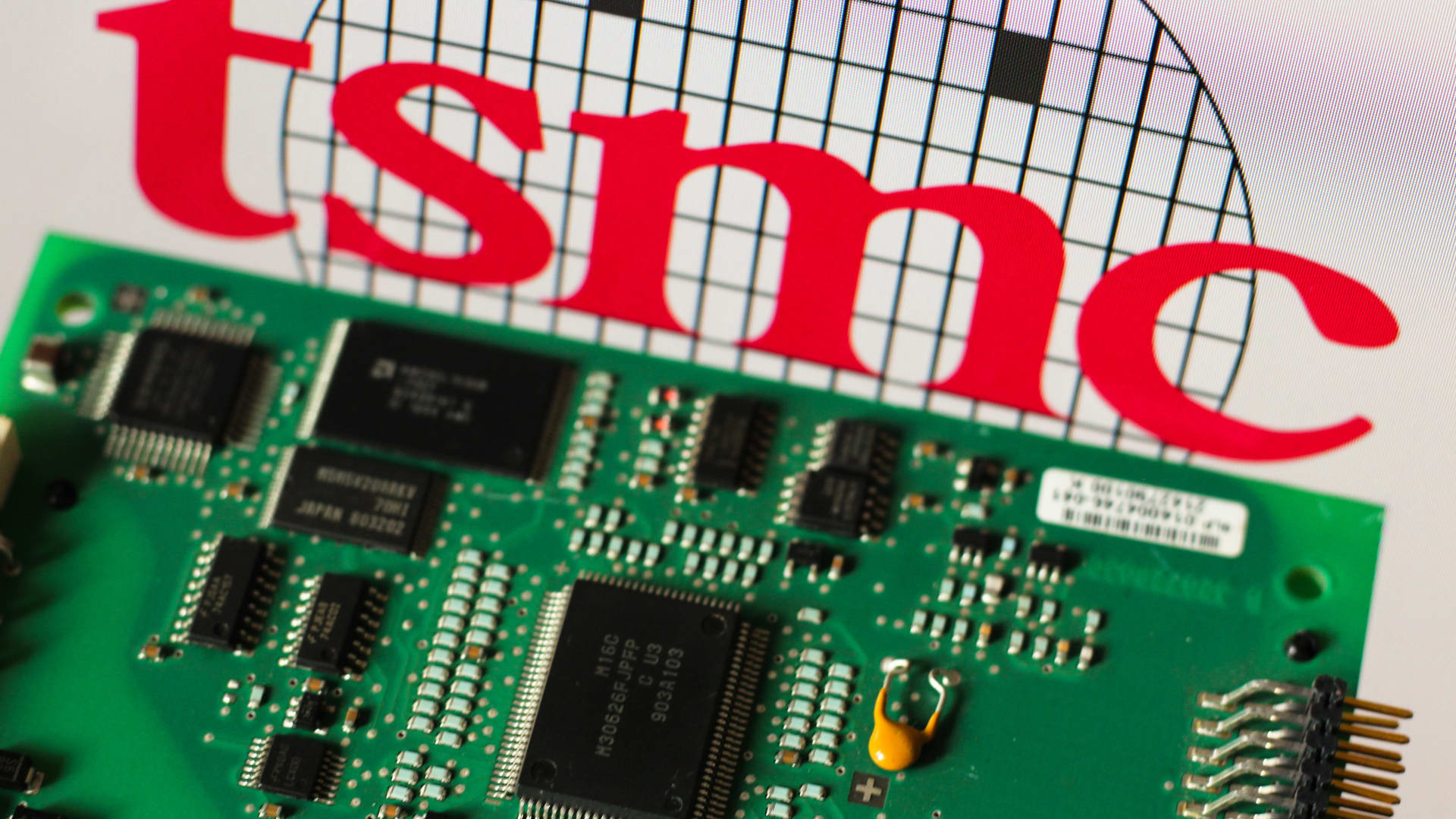
- Record Revenue: TSMC reported a record revenue of NT$1.13 trillion (approximately $35.6 billion) for Q1 2023, surpassing analyst expectations of NT$1.12 trillion, reflecting a robust 35% year-on-year growth driven by strong market demand.
- AI Chip Demand: Despite challenges in the smartphone and PC markets due to memory shortages, the sustained demand for AI chips has been a key driver of TSMC's performance, with analysts predicting the company will easily exceed its 30% annual growth target.
- Price Increases Impact Sales: TSMC's decision to raise prices for its most advanced chips is seen as a significant factor behind the first-quarter sales beat, with analysts forecasting gross margins of 64% for the quarter, indicating strong profitability.
- Intensifying Market Competition: As more companies begin designing their own chips, TSMC, being one of the few capable of manufacturing cutting-edge chips, is poised to benefit from the substantial investments in AI infrastructure, solidifying its competitive position in the market.

TSMC Reports Record Q1 Revenue Driven by AI Demand

- Significant Revenue Growth: TSMC reported Q1 revenue of NT$1.13 trillion ($35.6 billion), a 35% year-on-year increase that surpassed analyst expectations of NT$1.12 trillion, highlighting the company's robust performance in the semiconductor market.
- Strong AI Chip Demand: Despite challenges in the smartphone and PC markets due to memory shortages, demand for AI chips has driven TSMC's performance, with analysts predicting it will easily exceed its 30% annual growth target, indicating that ongoing investments in AI are yielding returns.
- Price Increases Boost Performance: TSMC has raised prices for its most advanced chips, which is seen as a key factor behind the first-quarter sales beat, with analysts forecasting a gross margin of 64% for Q1, further solidifying its market position.
- Intensifying Market Competition: As more companies begin designing their own chips, TSMC's role as a manufacturer becomes increasingly critical, particularly in the AI inference space, and it is expected to continue benefiting from rising investments and demand in the industry.

EU Imposes Over $7B in Fines on U.S. Tech Giants

- Total Fines: Since 2024, the EU has imposed over €6 billion (approximately $7 billion) in fines on U.S. tech companies, reflecting a stringent enforcement of antitrust and competition laws that could impact these companies' market strategies and innovation capabilities.
- Key Fine Cases: In March 2024, Apple was fined €1.84 billion for abusing its dominant market position; in November 2024, Meta faced a €797 million fine for improper practices; in September 2025, Google was fined €2.9 billion for anti-competitive behavior, indicating significant financial repercussions and potential adjustments in their business models.
- Policy Impact: The EU's tough stance is perceived as a threat to innovation, particularly amid escalating tensions between the U.S. government and tech firms, which may prompt these companies to reassess their operational strategies in the European market.
- Future Regulatory Trends: The EU is investigating Snap for compliance and imposing interim measures on Meta, demonstrating an increasing regulatory focus on the Digital Services Act and online child safety, which could have far-reaching implications for the entire industry.

Apple to Close First Unionized Retail Store in U.S.
- Closure Reason: Apple plans to close its first unionized retail store in Towson, Maryland, in June 2026, citing “worsening conditions” at the mall and the exit of other retailers, indicating the company's strategic response to a challenging retail environment.
- Union Reaction: The International Association of Machinists & Aerospace Workers (IAM) expressed outrage over Apple's decision, claiming it could harm unionized employees and is exploring legal options, highlighting the strong opposition from the union against the company's actions.
- Employee Placement Policy: Apple stated that despite the store closure, employees will be able to apply for other roles within the company in accordance with its policies and union agreements, demonstrating a sense of responsibility in managing employee transitions.
- Union Agreement Dispute: IAM criticized Apple's assertion that the collective bargaining agreement prevents relocation as false, raising concerns about the company's motives behind the closure, which reflects the ongoing tension and potential legal disputes between the union and the company.

Bill Gates' Wealth and Investment Strategy


- Wealth Management of Philanthropy: Bill Gates' foundation manages a stock portfolio worth approximately $36 billion, primarily invested in Berkshire Hathaway (25.4%), providing substantial financial support for addressing global health and poverty issues.
- Berkshire Hathaway's Performance: Despite a decline in Berkshire Hathaway's stock price following Warren Buffett's resignation, the company maintains liquid assets totaling $373 billion, demonstrating resilience amid market fluctuations, while new CEO Abel actively seeks investment opportunities to enhance shareholder value.
- WM's Expansion and Growth: WM has driven its adjusted operating margin from 15.1% to 17.1% through the acquisition of Stericycle, rebranded as WM Healthcare Solutions, and expects a 29% growth in free cash flow in 2026, showcasing strong growth potential in the waste management sector.
- Canadian National Railway's Challenges and Opportunities: Despite tariff pressures, Canadian National Railway achieved a 2% revenue increase by boosting grain shipments and intermodal opportunities, with management planning to reduce capital expenditures to support stock buybacks, anticipating improvements in operating ratios and revenue in the future.
OpenAI Launches Pro ChatGPT Subscription Tier to Compete with Anthropic
- New Subscription Tier: OpenAI announced the launch of a $100 per month Pro ChatGPT subscription tier on Wednesday, which offers five times the Codex usage compared to the $20 Plus tier, aiming to cater to high-effort coding needs and enhance its competitive edge in the AI coding assistant market.
- User Growth Strategy: With Codex reaching three million weekly users, OpenAI plans to reset usage limits for every million new users, a strategy expected to drive user growth and increase the platform's market share.
- Significant Revenue Growth: As of February, Codex's run-rate revenue exceeded $2.5 billion, reflecting over 100% growth since the beginning of 2026, indicating strong market demand for AI coding tools and OpenAI's profitability potential.
- Product Diversification: The introduction of the Pro tier brings the total number of ChatGPT subscription tiers to five, further enriching user options, as OpenAI aims to attract more users and enhance customer loyalty through varied service levels.
TSMC Reports Record Revenue in Q1 Driven by AI Chip Demand
- Record Revenue: TSMC reported a record revenue of NT$1.13 trillion (approximately $35.6 billion) for Q1 2023, surpassing analyst expectations of NT$1.12 trillion, reflecting a robust 35% year-on-year growth driven by strong market demand.
- AI Chip Demand: Despite challenges in the smartphone and PC markets due to memory shortages, the sustained demand for AI chips has been a key driver of TSMC's performance, with analysts predicting the company will easily exceed its 30% annual growth target.
- Price Increases Impact Sales: TSMC's decision to raise prices for its most advanced chips is seen as a significant factor behind the first-quarter sales beat, with analysts forecasting gross margins of 64% for the quarter, indicating strong profitability.
- Intensifying Market Competition: As more companies begin designing their own chips, TSMC, being one of the few capable of manufacturing cutting-edge chips, is poised to benefit from the substantial investments in AI infrastructure, solidifying its competitive position in the market.
TSMC Reports Record Q1 Revenue Driven by AI Demand
- Significant Revenue Growth: TSMC reported Q1 revenue of NT$1.13 trillion ($35.6 billion), a 35% year-on-year increase that surpassed analyst expectations of NT$1.12 trillion, highlighting the company's robust performance in the semiconductor market.
- Strong AI Chip Demand: Despite challenges in the smartphone and PC markets due to memory shortages, demand for AI chips has driven TSMC's performance, with analysts predicting it will easily exceed its 30% annual growth target, indicating that ongoing investments in AI are yielding returns.
- Price Increases Boost Performance: TSMC has raised prices for its most advanced chips, which is seen as a key factor behind the first-quarter sales beat, with analysts forecasting a gross margin of 64% for Q1, further solidifying its market position.
- Intensifying Market Competition: As more companies begin designing their own chips, TSMC's role as a manufacturer becomes increasingly critical, particularly in the AI inference space, and it is expected to continue benefiting from rising investments and demand in the industry.
EU Imposes Over $7B in Fines on U.S. Tech Giants
- Total Fines: Since 2024, the EU has imposed over €6 billion (approximately $7 billion) in fines on U.S. tech companies, reflecting a stringent enforcement of antitrust and competition laws that could impact these companies' market strategies and innovation capabilities.
- Key Fine Cases: In March 2024, Apple was fined €1.84 billion for abusing its dominant market position; in November 2024, Meta faced a €797 million fine for improper practices; in September 2025, Google was fined €2.9 billion for anti-competitive behavior, indicating significant financial repercussions and potential adjustments in their business models.
- Policy Impact: The EU's tough stance is perceived as a threat to innovation, particularly amid escalating tensions between the U.S. government and tech firms, which may prompt these companies to reassess their operational strategies in the European market.
- Future Regulatory Trends: The EU is investigating Snap for compliance and imposing interim measures on Meta, demonstrating an increasing regulatory focus on the Digital Services Act and online child safety, which could have far-reaching implications for the entire industry.
Apple to Close First Unionized Retail Store in U.S.
- Closure Reason: Apple plans to close its first unionized retail store in Towson, Maryland, in June 2026, citing “worsening conditions” at the mall and the exit of other retailers, indicating the company's strategic response to a challenging retail environment.
- Union Reaction: The International Association of Machinists & Aerospace Workers (IAM) expressed outrage over Apple's decision, claiming it could harm unionized employees and is exploring legal options, highlighting the strong opposition from the union against the company's actions.
- Employee Placement Policy: Apple stated that despite the store closure, employees will be able to apply for other roles within the company in accordance with its policies and union agreements, demonstrating a sense of responsibility in managing employee transitions.
- Union Agreement Dispute: IAM criticized Apple's assertion that the collective bargaining agreement prevents relocation as false, raising concerns about the company's motives behind the closure, which reflects the ongoing tension and potential legal disputes between the union and the company.
Bill Gates' Wealth and Investment Strategy
- Wealth Management of Philanthropy: Bill Gates' foundation manages a stock portfolio worth approximately $36 billion, primarily invested in Berkshire Hathaway (25.4%), providing substantial financial support for addressing global health and poverty issues.
- Berkshire Hathaway's Performance: Despite a decline in Berkshire Hathaway's stock price following Warren Buffett's resignation, the company maintains liquid assets totaling $373 billion, demonstrating resilience amid market fluctuations, while new CEO Abel actively seeks investment opportunities to enhance shareholder value.
- WM's Expansion and Growth: WM has driven its adjusted operating margin from 15.1% to 17.1% through the acquisition of Stericycle, rebranded as WM Healthcare Solutions, and expects a 29% growth in free cash flow in 2026, showcasing strong growth potential in the waste management sector.
- Canadian National Railway's Challenges and Opportunities: Despite tariff pressures, Canadian National Railway achieved a 2% revenue increase by boosting grain shipments and intermodal opportunities, with management planning to reduce capital expenditures to support stock buybacks, anticipating improvements in operating ratios and revenue in the future.