Analysis of Investment Opportunities in Defensive Sectors
Written by Emily J. Thompson, Senior Investment Analyst
Updated: Mar 16 2026
0mins


Should l Buy COST?
Source: NASDAQ.COM
- Tax Refund Impact: The tax bill passed last year reduced individual taxes by $129 billion for 2025, resulting in an increase in the average tax refund from $3,450 to $3,800 this year, which is expected to stimulate consumer spending and drive economic recovery.
- Defensive Sector Performance: Amid heightened market volatility, stocks in defensive sectors such as consumer staples, healthcare, and utilities have outperformed the broader market, particularly discount retailers like Costco, Target, and Walmart, which continue to attract consumers during economic downturns.
- Healthcare Investment Potential: Companies like Johnson & Johnson and CVS provide essential medical supplies and services, maintaining strong demand even in adverse economic conditions, highlighting their investment value in uncertain markets.
- Utility Stability: Utility companies such as American Water Works, Brookfield Infrastructure, and NextEra Energy offer essential services that remain in demand regardless of economic fluctuations, making them a safe choice for investors seeking stability.
Trade with 70% Backtested Accuracy
Stop guessing "Should I Buy COST?" and start using high-conviction signals backed by rigorous historical data.
Sign up today to access powerful investing tools and make smarter, data-driven decisions.
Analyst Views on COST
Wall Street analysts forecast COST stock price to rise
24 Analyst Rating
19 Buy
4 Hold
1 Sell
Strong Buy
Current: 999.890

Low
769.00
Averages
1061
High
1205
Current: 999.890
Low
769.00
Averages
1061
High
1205
About COST
Costco Wholesale Corporation (Costco) operates membership warehouses and e-commerce sites that offer a selection of nationally branded and private-label products in a wide range of categories. The Company buys the majority of its merchandise directly from suppliers and route it to cross-docking consolidation points (depots) or directly to its warehouses. It operates 891 warehouses, including 614 in the United States and Puerto Rico, 108 in Canada, 40 in Mexico, 35 in Japan, 29 in the United Kingdom, 19 in Korea, 15 in Australia, 14 in Taiwan, seven in China, five in Spain, two in France, and one each in Iceland, New Zealand and Sweden. It also operates e-commerce sites in the United States, Canada, the United Kingdom, Mexico, Korea, Taiwan, Japan and Australia. The Company provides wide selection of merchandise, plus the convenience of specialty departments and exclusive member services.
About the author

Emily J. Thompson
Emily J. Thompson, a Chartered Financial Analyst (CFA) with 12 years in investment research, graduated with honors from the Wharton School. Specializing in industrial and technology stocks, she provides in-depth analysis for Intellectia’s earnings and market brief reports.

Costco Remains Resilient Amid Middle East Conflict
- Membership Model Advantage: Costco's membership model reduces the importance of retail sales, with most profits coming from membership fees, maintaining a customer retention rate of around 90%, which ensures stable foot traffic amid economic uncertainty.
- Oil Price Buffer: While high oil prices increase shipping costs, Costco's gasoline sales attract more customers during price spikes, boosting profits in its fuel division and driving additional traffic to its stores.
- Sales Growth in Staples: Costco's comparable sales, adjusted for gas prices, increased by 6.4% in the first 31 weeks of the fiscal year, outperforming nearly all other retailers, demonstrating its strong performance and competitive edge during economic turmoil.
- High Valuation Reflects Market Confidence: With a price-to-earnings ratio of 52, nearly double that of the S&P 500, Costco, although not typically viewed as a growth stock, continues to deliver strong results, maintaining high demand among investors.
See More

Costco Demonstrates Resilience Amid Market Turmoil
- Market Volatility Response: With Iran's closure of the Strait of Hormuz, market volatility has intensified, yet Costco (NASDAQ: COST) has shown remarkable resilience, with only a 4% drop in March compared to the S&P 500's maximum decline, highlighting its stability in uncertain environments.
- Membership Model Advantage: Costco's membership model reduces the importance of retail sales, with membership fees contributing most of its profits, maintaining a retention rate of around 90%, which allows it to attract customers frequently even during economic turmoil.
- Oil Price Impact Mitigation: Although high oil prices can increase shipping costs, Costco benefits from selling gasoline, which not only generates additional profits but also attracts more customers during price spikes, further driving store traffic and sales growth.
- Strong Sales Performance: Costco's comparable sales (adjusted) increased by 6.4% in the first 31 weeks of the fiscal year, outperforming nearly all other retailers, and despite a price-to-earnings ratio of 52—nearly double that of the S&P 500—it demonstrates significant growth potential amid economic uncertainty.
See More
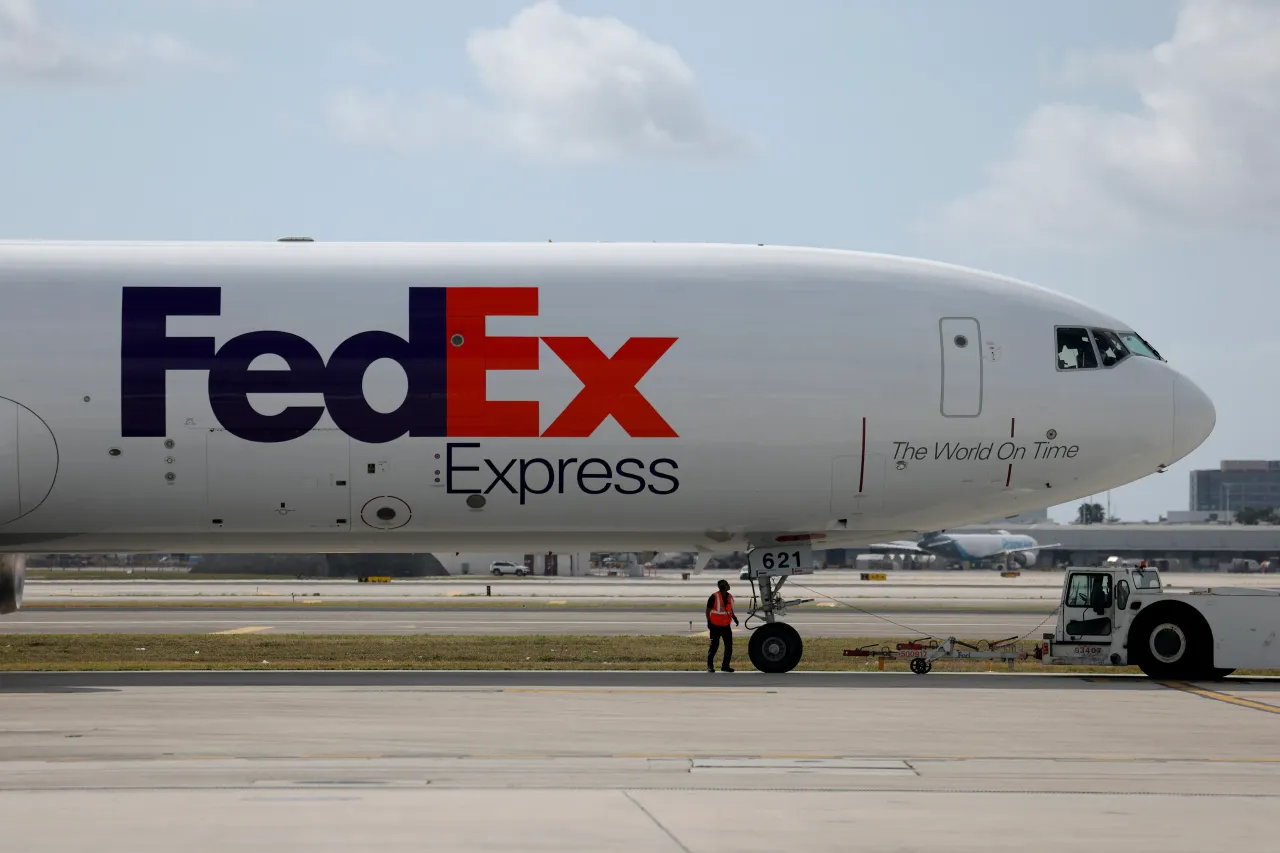
Trump Administration Initiates $166 Billion Tariff Refunds Following Supreme Court Ruling

- Tariff Refund Initiation: The Trump administration is set to initiate $166 billion in tariff refunds following a Supreme Court ruling, impacting over 53 million shipments and potentially alleviating financial pressure on importers.
- Lawsuit Surge: Major U.S. importers, including FedEx, Costco, and UPS, are facing lawsuits from consumers seeking compensation for increased costs due to tariffs, which could negatively affect these companies' market performance.
- Market Reaction: Following the acceptance of tariff refund claims, FedEx shares surged to record highs, gaining 35% year-to-date, while Costco shares also rose 17%, indicating a positive market response to the refund news.
- Retailer Strategies: FedEx has committed to returning tariff refunds to customers, while Costco plans to pass on refunds through lower prices and better values, showcasing differing strategies among retailers in response to tariff pressures.
See More

Costco and FedEx Face Legal Pressure Over Tariff Refunds
- Increase in Legal Suits: With the U.S. Supreme Court striking down a batch of tariffs, billions in tariff refunds are set to flow back to U.S. businesses, leading to legal pressure on Costco and FedEx as consumers argue they should share in these refunds, highlighting market concerns over corporate pricing strategies.
- Refund Application Process: Despite the substantial refund amounts, companies must file claims through a new government system, which has just begun, potentially taking months to process and impacting companies' cash flow and short-term financial performance.
- Strategic Differences Between Costco and FedEx: FedEx has stated it will directly return tariff refunds to customers, while Costco opts for a strategy of lowering prices and enhancing value over time, indicating a divergence that could affect brand perception and competitive positioning in the market.
- Consumer Impact: As businesses may have absorbed some tariff costs or passed them on through higher prices, the question of refund allocation has sparked widespread discussion, likely leading to more lawsuits in the future, which could influence corporate operational strategies and market dynamics.
See More
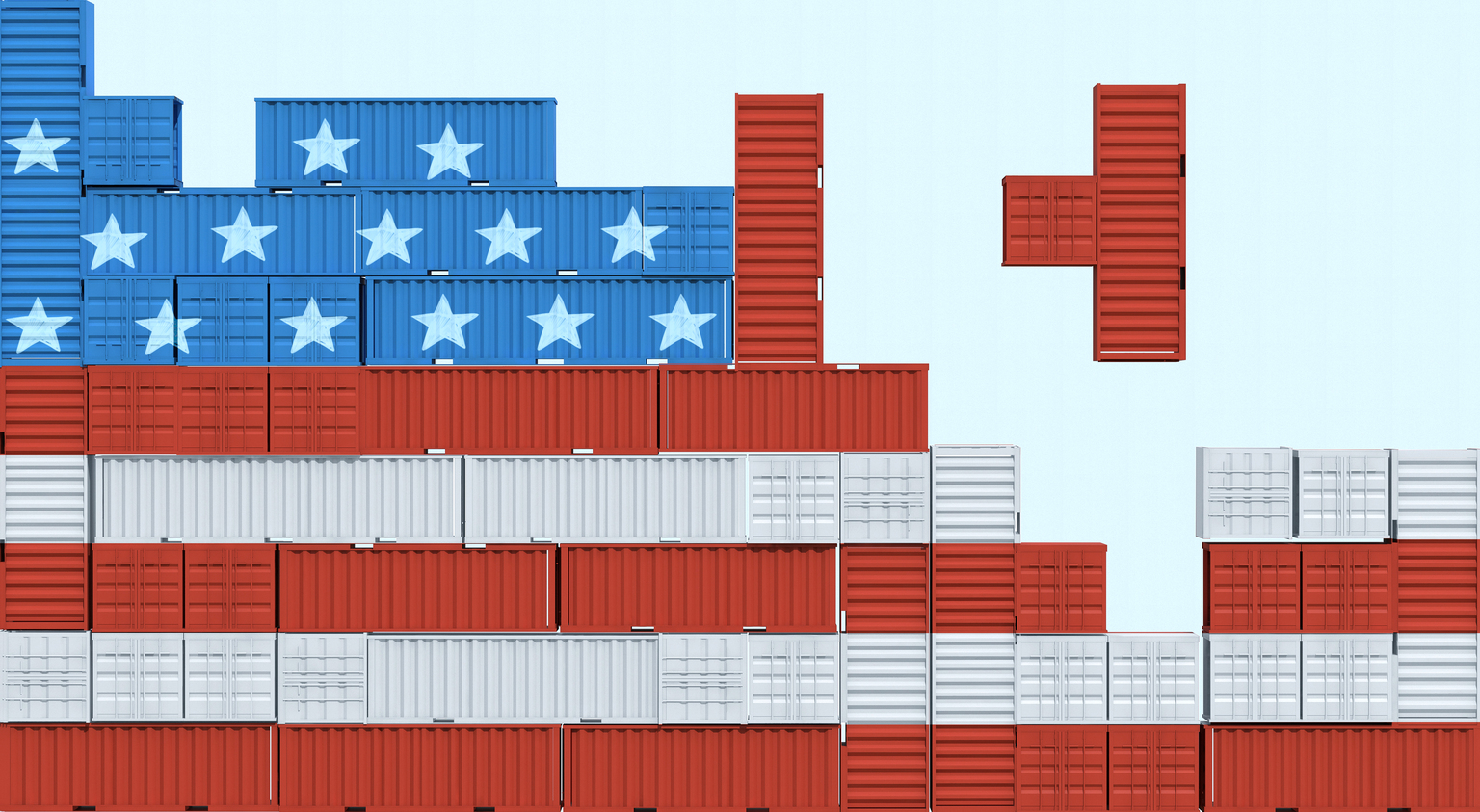
US Supreme Court Strikes Down IEEPA Tariffs, Billions in Refunds Expected
- Refund System Launch: The US Supreme Court's February decision to strike down Trump's IEEPA tariffs is expected to lead to refunds of up to $166-$175 billion for approximately 330,000 importers, requiring businesses to apply through the new CAPE system, indicating government support for importers.
- Simplified Application Process: The CAPE system will process claims via the ACE Portal of U.S. Customs and Border Protection, with Phase 1 focusing on straightforward cases, and refunds expected to be issued electronically within 60 to 90 days, enhancing liquidity for businesses.
- Ongoing Trade Dispute: The Trump administration is seeking to reinstate IEEPA tariffs under different legal frameworks, leveraging Sections 122 and 301 of the Trade Act of 1974 and Section 232 of the Trade Expansion Act of 1962 to increase negotiation leverage, highlighting ongoing trade policy uncertainty.
- Consumer Impact: While some businesses absorbed tariff costs, consumers have no refund mechanism, leading to class action lawsuits against companies like Costco and FedEx; FedEx plans to return refunds to customers, while Costco aims to provide value through lower prices, reflecting differing corporate strategies in response to tariff refunds.
See More

Consumer Staples Companies Resilient to Market Volatility

- Coca-Cola's Global Reach: Coca-Cola boasts over 200 beverage varieties consumed at 2.2 billion servings daily, with a stellar adjusted operating margin of 31.2% supporting its 64 consecutive years of dividend growth, showcasing strong brand power and profitability, although its total return of 123% over the past decade lags behind the S&P 500's 300%.
- Costco's Steady Growth: With 924 locations worldwide, Costco's low prices and membership model enable it to achieve consistent same-store sales growth amid economic fluctuations, delivering a total return of 182% over the past five years, significantly outperforming the S&P 500, despite a high P/E ratio of 51.5 indicating strong market favor.
- Procter & Gamble's Resilience: Procter & Gamble's essential products like laundry detergent and toothpaste maintain steady demand during downturns, with only a 3.3% revenue dip during the 2009 recession and consistent quarterly growth during the pandemic, highlighted by 136 years of uninterrupted dividends and a total return of 127% over the past decade.
- Walmart's Market Dominance: Walmart generated $706 billion in net sales for fiscal 2026 with 10,900 stores globally, achieving a 4.5% same-store sales increase and 53 years of dividend growth, demonstrating strong competitive strength in recessions, although its current P/E of 45.7 suggests a high valuation.
See More
Costco Remains Resilient Amid Middle East Conflict
- Membership Model Advantage: Costco's membership model reduces the importance of retail sales, with most profits coming from membership fees, maintaining a customer retention rate of around 90%, which ensures stable foot traffic amid economic uncertainty.
- Oil Price Buffer: While high oil prices increase shipping costs, Costco's gasoline sales attract more customers during price spikes, boosting profits in its fuel division and driving additional traffic to its stores.
- Sales Growth in Staples: Costco's comparable sales, adjusted for gas prices, increased by 6.4% in the first 31 weeks of the fiscal year, outperforming nearly all other retailers, demonstrating its strong performance and competitive edge during economic turmoil.
- High Valuation Reflects Market Confidence: With a price-to-earnings ratio of 52, nearly double that of the S&P 500, Costco, although not typically viewed as a growth stock, continues to deliver strong results, maintaining high demand among investors.
See More
Costco Demonstrates Resilience Amid Market Turmoil
- Market Volatility Response: With Iran's closure of the Strait of Hormuz, market volatility has intensified, yet Costco (NASDAQ: COST) has shown remarkable resilience, with only a 4% drop in March compared to the S&P 500's maximum decline, highlighting its stability in uncertain environments.
- Membership Model Advantage: Costco's membership model reduces the importance of retail sales, with membership fees contributing most of its profits, maintaining a retention rate of around 90%, which allows it to attract customers frequently even during economic turmoil.
- Oil Price Impact Mitigation: Although high oil prices can increase shipping costs, Costco benefits from selling gasoline, which not only generates additional profits but also attracts more customers during price spikes, further driving store traffic and sales growth.
- Strong Sales Performance: Costco's comparable sales (adjusted) increased by 6.4% in the first 31 weeks of the fiscal year, outperforming nearly all other retailers, and despite a price-to-earnings ratio of 52—nearly double that of the S&P 500—it demonstrates significant growth potential amid economic uncertainty.
See More
Trump Administration Initiates $166 Billion Tariff Refunds Following Supreme Court Ruling
- Tariff Refund Initiation: The Trump administration is set to initiate $166 billion in tariff refunds following a Supreme Court ruling, impacting over 53 million shipments and potentially alleviating financial pressure on importers.
- Lawsuit Surge: Major U.S. importers, including FedEx, Costco, and UPS, are facing lawsuits from consumers seeking compensation for increased costs due to tariffs, which could negatively affect these companies' market performance.
- Market Reaction: Following the acceptance of tariff refund claims, FedEx shares surged to record highs, gaining 35% year-to-date, while Costco shares also rose 17%, indicating a positive market response to the refund news.
- Retailer Strategies: FedEx has committed to returning tariff refunds to customers, while Costco plans to pass on refunds through lower prices and better values, showcasing differing strategies among retailers in response to tariff pressures.
See More
Costco and FedEx Face Legal Pressure Over Tariff Refunds
- Increase in Legal Suits: With the U.S. Supreme Court striking down a batch of tariffs, billions in tariff refunds are set to flow back to U.S. businesses, leading to legal pressure on Costco and FedEx as consumers argue they should share in these refunds, highlighting market concerns over corporate pricing strategies.
- Refund Application Process: Despite the substantial refund amounts, companies must file claims through a new government system, which has just begun, potentially taking months to process and impacting companies' cash flow and short-term financial performance.
- Strategic Differences Between Costco and FedEx: FedEx has stated it will directly return tariff refunds to customers, while Costco opts for a strategy of lowering prices and enhancing value over time, indicating a divergence that could affect brand perception and competitive positioning in the market.
- Consumer Impact: As businesses may have absorbed some tariff costs or passed them on through higher prices, the question of refund allocation has sparked widespread discussion, likely leading to more lawsuits in the future, which could influence corporate operational strategies and market dynamics.
See More
US Supreme Court Strikes Down IEEPA Tariffs, Billions in Refunds Expected
- Refund System Launch: The US Supreme Court's February decision to strike down Trump's IEEPA tariffs is expected to lead to refunds of up to $166-$175 billion for approximately 330,000 importers, requiring businesses to apply through the new CAPE system, indicating government support for importers.
- Simplified Application Process: The CAPE system will process claims via the ACE Portal of U.S. Customs and Border Protection, with Phase 1 focusing on straightforward cases, and refunds expected to be issued electronically within 60 to 90 days, enhancing liquidity for businesses.
- Ongoing Trade Dispute: The Trump administration is seeking to reinstate IEEPA tariffs under different legal frameworks, leveraging Sections 122 and 301 of the Trade Act of 1974 and Section 232 of the Trade Expansion Act of 1962 to increase negotiation leverage, highlighting ongoing trade policy uncertainty.
- Consumer Impact: While some businesses absorbed tariff costs, consumers have no refund mechanism, leading to class action lawsuits against companies like Costco and FedEx; FedEx plans to return refunds to customers, while Costco aims to provide value through lower prices, reflecting differing corporate strategies in response to tariff refunds.
See More
Consumer Staples Companies Resilient to Market Volatility
- Coca-Cola's Global Reach: Coca-Cola boasts over 200 beverage varieties consumed at 2.2 billion servings daily, with a stellar adjusted operating margin of 31.2% supporting its 64 consecutive years of dividend growth, showcasing strong brand power and profitability, although its total return of 123% over the past decade lags behind the S&P 500's 300%.
- Costco's Steady Growth: With 924 locations worldwide, Costco's low prices and membership model enable it to achieve consistent same-store sales growth amid economic fluctuations, delivering a total return of 182% over the past five years, significantly outperforming the S&P 500, despite a high P/E ratio of 51.5 indicating strong market favor.
- Procter & Gamble's Resilience: Procter & Gamble's essential products like laundry detergent and toothpaste maintain steady demand during downturns, with only a 3.3% revenue dip during the 2009 recession and consistent quarterly growth during the pandemic, highlighted by 136 years of uninterrupted dividends and a total return of 127% over the past decade.
- Walmart's Market Dominance: Walmart generated $706 billion in net sales for fiscal 2026 with 10,900 stores globally, achieving a 4.5% same-store sales increase and 53 years of dividend growth, demonstrating strong competitive strength in recessions, although its current P/E of 45.7 suggests a high valuation.
See More