Amazon Web Services Faces Ongoing Challenges in the Middle East
Written by Emily J. Thompson, Senior Investment Analyst
Updated: 5 days ago
0mins


Should l Buy AMZN?
Source: CNBC
- Data Center Damage: Amazon Web Services (AWS) reported damage to its data centers in Bahrain and the UAE due to drone strikes, resulting in multiple services remaining unavailable, which impacts business operations for clients in the region and highlights the direct threat of geopolitical risks to cloud services.
- Rising Energy Costs: The ongoing conflict has led to increased energy prices, particularly affecting data centers housing chips for generative AI models, which may impact AWS's profit margins and future investment decisions as operational costs rise significantly.
- Global Economic Impact: AWS CEO Matt Garman noted that the blockade of the Strait of Hormuz has caused major disruptions to the global economy, especially for industries reliant on energy, indicating the widespread implications of geopolitical events on the tech sector.
- Middle East Investment Outlook: Despite the challenges, Garman expressed optimism about long-term investments in the Middle East, emphasizing the region's entrepreneurial spirit and willingness to invest, suggesting that AWS remains confident in future growth opportunities in this market.
Trade with 70% Backtested Accuracy
Stop guessing "Should I Buy AMZN?" and start using high-conviction signals backed by rigorous historical data.
Sign up today to access powerful investing tools and make smarter, data-driven decisions.
Analyst Views on AMZN
Wall Street analysts forecast AMZN stock price to rise
44 Analyst Rating
41 Buy
3 Hold
0 Sell
Strong Buy
Current: 233.650

Low
175.00
Averages
280.01
High
325.00
Current: 233.650
Low
175.00
Averages
280.01
High
325.00
About AMZN
Amazon.com, Inc. provides a range of products and services to customers. The products offered through its stores include merchandise and content it has purchased for resale and products offered by third-party sellers. The Company’s segments include North America, International and Amazon Web Services (AWS). It serves consumers through its online and physical stores and focuses on selection, price, and convenience. Customers access its offerings through its websites, mobile apps, Alexa, devices, streaming, and physically visiting its stores. It also manufactures and sells electronic devices, including Kindle, Fire tablet, Fire TV, Echo, Ring, Blink, and eero, and develops and produces media content. It serves developers and enterprises of all sizes, including start-ups, government agencies, and academic institutions, through AWS, which offers a set of on-demand technology services, including compute, storage, database, analytics, and machine learning, and other services.
About the author

Emily J. Thompson
Emily J. Thompson, a Chartered Financial Analyst (CFA) with 12 years in investment research, graduated with honors from the Wharton School. Specializing in industrial and technology stocks, she provides in-depth analysis for Intellectia’s earnings and market brief reports.
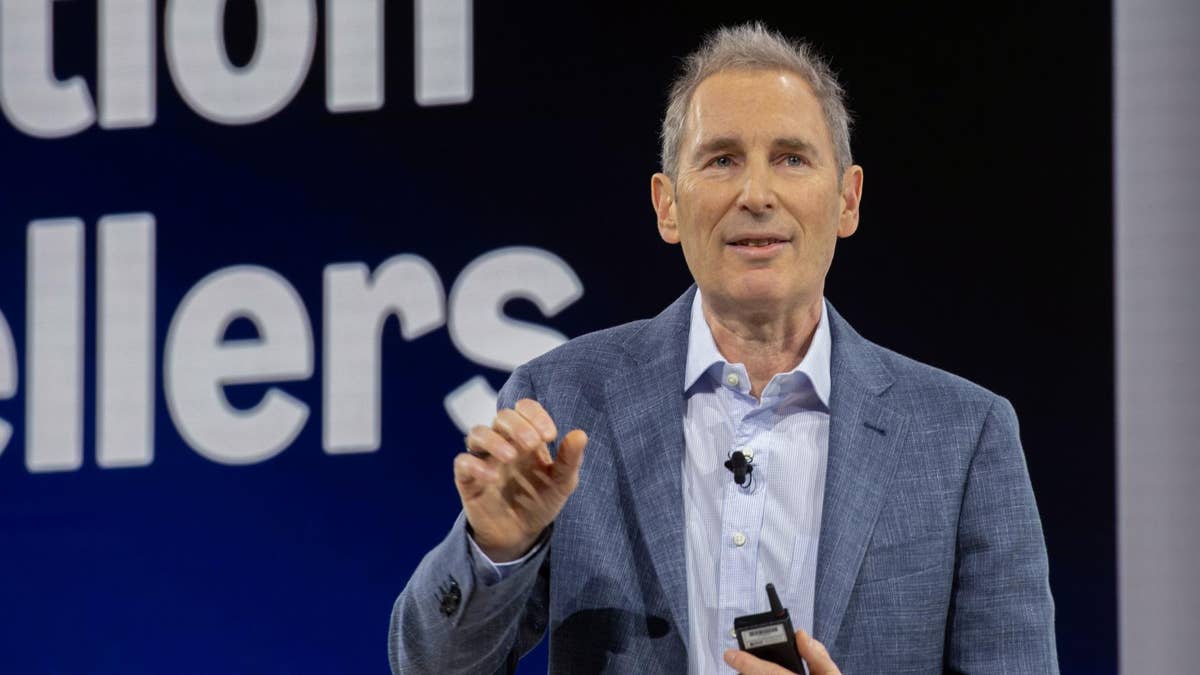
Amazon's AI and Chip Business Revenue Surge

- AWS AI Revenue Milestone: Amazon disclosed for the first time that AWS's AI revenue run rate exceeds $15 billion, representing about 10% of AWS's total annualized revenue of approximately $142 billion, marking a significant growth milestone that boosts investor confidence.
- Chip Business Growth: Amazon's chip business, including Graviton and Trainium, has an annual revenue run rate above $20 billion, growing at triple-digit rates year-over-year, with Trainium chips experiencing high demand and significant reservations, solidifying AWS's competitive position.
- Massive Capital Expenditure Plan: Amazon plans to invest approximately $200 billion in capital expenditures in 2026, primarily for AI, chips, and infrastructure, with Jassy emphasizing that these investments are based on substantial customer commitments expected to monetize in 2027 and 2028.
- Improved Market Sentiment: Analysts have become more constructive on Amazon, reiterating a buy rating and a $300 price target, noting that Trainium and Graviton chips provide AWS with a structural advantage, indicating that while the company is in a heavy spending cycle, the benefits are starting to materialize.
See More
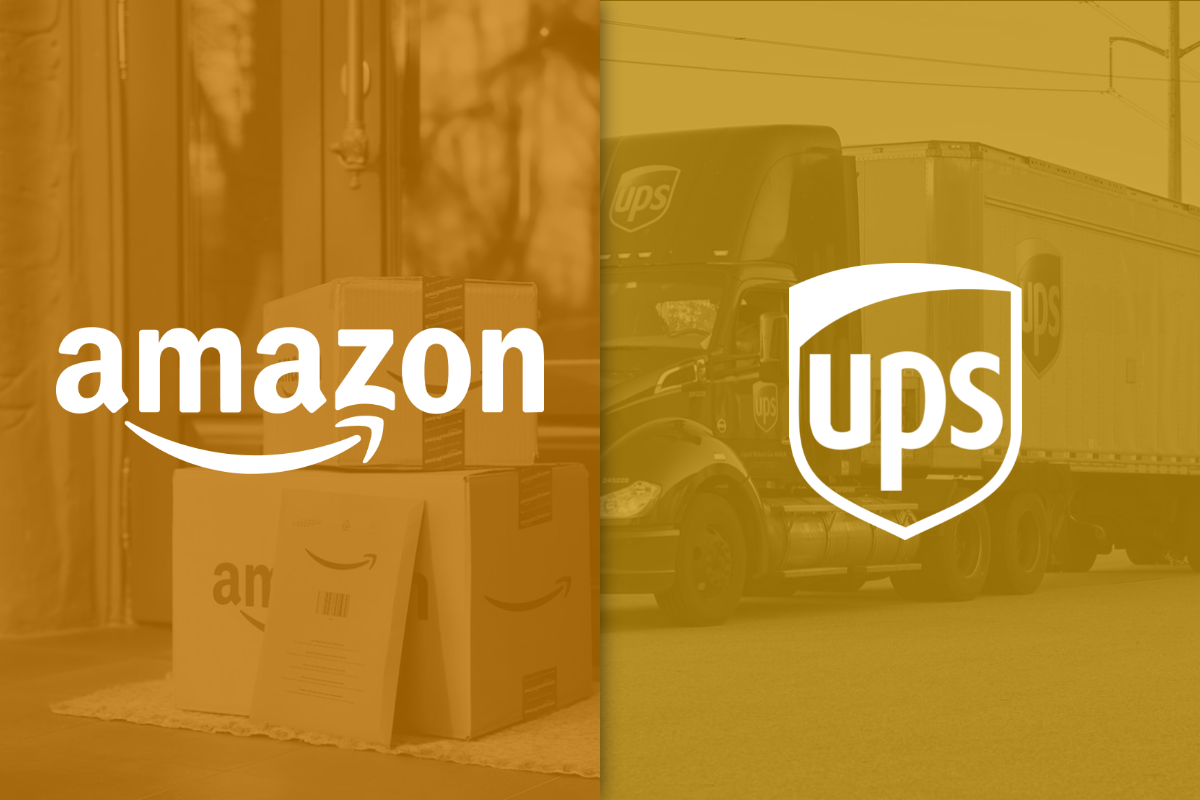
USPS Strikes Package Delivery Deal with Amazon

- Deal Announcement: The United States Postal Service (USPS) has secured a deal with Amazon to deliver approximately 1 billion packages annually, significantly boosting USPS's volume and enhancing its competitive position in the e-commerce logistics market.
- UPS Relationship Shift: United Parcel Service (UPS) is reducing its relationship with Amazon, planning to cut daily deliveries by about 1 million packages by 2025, and aims to reduce 2 million by the end of June, allowing UPS to focus on higher-margin customer segments.
- Profit-First Strategy: This strategic shift by UPS aims to eliminate low-margin Amazon deliveries, redirecting focus towards healthcare logistics and small to medium-sized business clients, which, despite potential short-term revenue dips, will enhance overall profitability in the long run.
- Revenue Outlook: UPS anticipates a modest revenue increase of 1.1% in 2026 compared to last year's $88.7 billion, reflecting a conservative growth outlook that emphasizes profit expansion over mere revenue growth.
See More

UPS Cuts Package Deliveries for Amazon by 2 Million Daily
- Delivery Reduction: UPS plans to cut its daily package deliveries for Amazon by 2 million, indicating a strategic shift away from low-margin business, which may lead to a short-term revenue decline.
- Profit Focus: By shifting its focus to healthcare logistics and small to medium-sized businesses, UPS aims to enhance its long-term profitability, as these segments offer higher margins compared to Amazon deliveries.
- Market Competition: In contrast to UPS, the USPS has struck a deal with Amazon to deliver around 1 billion packages annually, highlighting increased competition in the logistics market, which could impact UPS's market share.
- Revenue Outlook: Although UPS expects its revenue in 2026 to rise only 1.1% from last year's $88.7 billion, the company prioritizes margin expansion over revenue growth, reflecting confidence in its future profitability.
See More
Amazon Moves to Settle Landmark Driver Case
- Settlement Proposal: The NLRB has proposed a settlement with Amazon, where the company would pay two weeks' wages to up to 84 former delivery drivers without admitting wrongdoing or being classified as a joint employer, thus mitigating potential legal liabilities.
- Reduced Legal Risks: If approved, this settlement would eliminate significant allegations against Amazon, averting a landmark ruling that could have established the company as a joint employer of drivers for its delivery service partners, thereby lowering future legal risks.
- Union Negotiation Obligations: The NLRB argued that Amazon acted as a 'joint employer' for the delivery drivers, implying that the company was obligated to negotiate with the union, and its refusal to do so was deemed illegal, which could have serious implications for labor relations.
- Background of Government Investigation: The NLRB's investigation into Amazon has been ongoing since 2024, accusing the company of violating the rights of delivery drivers, while Amazon has denied all allegations, labeling the government's inquiry as a 'fishing expedition.'
See More

Amazon's AI Chip Business Poised for Growth

- Cloud Revenue Surge: Amazon Web Services (AWS) contributed nearly 60% of operating income in the latest fiscal year, achieving an annual revenue run rate of $142 billion, which underscores its dominant position in the cloud computing market and enhances Amazon's profitability.
- Chip Demand Explosion: The in-house developed Trainium2 chip is nearly sold out, while the recently launched Trainium3 is almost fully subscribed, indicating that the annual revenue run rate for this chip business will exceed $20 billion, reflecting strong market demand for cost-effective AI chips.
- Competitive Pressure: Amazon's potential future sales of chips to third parties could pressure Nvidia to accelerate its innovation pace to maintain market share, even though AWS does not directly compete with Nvidia in the premium chip market.
- Investor Confidence Boost: While Amazon's chip business may capture some market share, Nvidia is still viewed as a strong long-term investment due to its extensive customer base and proven innovation capabilities, leading investors to remain optimistic about its future performance.
See More

Amazon's Cloud Computing Business Thrives
- Cloud Revenue Surge: Amazon's cloud division, AWS, has reached an annual revenue run rate of $142 billion, accounting for nearly 60% of the company's operating income, indicating a significant enhancement in its market dominance and profitability.
- Chip Demand Explosion: The demand for Amazon's in-house developed Trainium2 chips is nearly sold out, while the newly launched Trainium3 is almost fully subscribed, with the chip business projected to exceed $20 billion in annual revenue, reflecting robust market demand.
- Potential Market Competition: Amazon's CEO Andy Jassy indicated that the company may sell chips to third parties in the future, predicting that such a move could lead to an annual revenue run rate of $50 billion, which would exert pressure on competitors like Nvidia.
- Increased Innovation Pressure: Although AWS does not directly compete with Nvidia, the emergence of Amazon's chip business will compel Nvidia to accelerate its innovation pace to maintain market share, making it crucial for investors to monitor the long-term implications of this dynamic on Nvidia.
See More
Amazon's AI and Chip Business Revenue Surge
- AWS AI Revenue Milestone: Amazon disclosed for the first time that AWS's AI revenue run rate exceeds $15 billion, representing about 10% of AWS's total annualized revenue of approximately $142 billion, marking a significant growth milestone that boosts investor confidence.
- Chip Business Growth: Amazon's chip business, including Graviton and Trainium, has an annual revenue run rate above $20 billion, growing at triple-digit rates year-over-year, with Trainium chips experiencing high demand and significant reservations, solidifying AWS's competitive position.
- Massive Capital Expenditure Plan: Amazon plans to invest approximately $200 billion in capital expenditures in 2026, primarily for AI, chips, and infrastructure, with Jassy emphasizing that these investments are based on substantial customer commitments expected to monetize in 2027 and 2028.
- Improved Market Sentiment: Analysts have become more constructive on Amazon, reiterating a buy rating and a $300 price target, noting that Trainium and Graviton chips provide AWS with a structural advantage, indicating that while the company is in a heavy spending cycle, the benefits are starting to materialize.
See More
USPS Strikes Package Delivery Deal with Amazon
- Deal Announcement: The United States Postal Service (USPS) has secured a deal with Amazon to deliver approximately 1 billion packages annually, significantly boosting USPS's volume and enhancing its competitive position in the e-commerce logistics market.
- UPS Relationship Shift: United Parcel Service (UPS) is reducing its relationship with Amazon, planning to cut daily deliveries by about 1 million packages by 2025, and aims to reduce 2 million by the end of June, allowing UPS to focus on higher-margin customer segments.
- Profit-First Strategy: This strategic shift by UPS aims to eliminate low-margin Amazon deliveries, redirecting focus towards healthcare logistics and small to medium-sized business clients, which, despite potential short-term revenue dips, will enhance overall profitability in the long run.
- Revenue Outlook: UPS anticipates a modest revenue increase of 1.1% in 2026 compared to last year's $88.7 billion, reflecting a conservative growth outlook that emphasizes profit expansion over mere revenue growth.
See More
UPS Cuts Package Deliveries for Amazon by 2 Million Daily
- Delivery Reduction: UPS plans to cut its daily package deliveries for Amazon by 2 million, indicating a strategic shift away from low-margin business, which may lead to a short-term revenue decline.
- Profit Focus: By shifting its focus to healthcare logistics and small to medium-sized businesses, UPS aims to enhance its long-term profitability, as these segments offer higher margins compared to Amazon deliveries.
- Market Competition: In contrast to UPS, the USPS has struck a deal with Amazon to deliver around 1 billion packages annually, highlighting increased competition in the logistics market, which could impact UPS's market share.
- Revenue Outlook: Although UPS expects its revenue in 2026 to rise only 1.1% from last year's $88.7 billion, the company prioritizes margin expansion over revenue growth, reflecting confidence in its future profitability.
See More
Amazon Moves to Settle Landmark Driver Case
- Settlement Proposal: The NLRB has proposed a settlement with Amazon, where the company would pay two weeks' wages to up to 84 former delivery drivers without admitting wrongdoing or being classified as a joint employer, thus mitigating potential legal liabilities.
- Reduced Legal Risks: If approved, this settlement would eliminate significant allegations against Amazon, averting a landmark ruling that could have established the company as a joint employer of drivers for its delivery service partners, thereby lowering future legal risks.
- Union Negotiation Obligations: The NLRB argued that Amazon acted as a 'joint employer' for the delivery drivers, implying that the company was obligated to negotiate with the union, and its refusal to do so was deemed illegal, which could have serious implications for labor relations.
- Background of Government Investigation: The NLRB's investigation into Amazon has been ongoing since 2024, accusing the company of violating the rights of delivery drivers, while Amazon has denied all allegations, labeling the government's inquiry as a 'fishing expedition.'
See More
Amazon's AI Chip Business Poised for Growth
- Cloud Revenue Surge: Amazon Web Services (AWS) contributed nearly 60% of operating income in the latest fiscal year, achieving an annual revenue run rate of $142 billion, which underscores its dominant position in the cloud computing market and enhances Amazon's profitability.
- Chip Demand Explosion: The in-house developed Trainium2 chip is nearly sold out, while the recently launched Trainium3 is almost fully subscribed, indicating that the annual revenue run rate for this chip business will exceed $20 billion, reflecting strong market demand for cost-effective AI chips.
- Competitive Pressure: Amazon's potential future sales of chips to third parties could pressure Nvidia to accelerate its innovation pace to maintain market share, even though AWS does not directly compete with Nvidia in the premium chip market.
- Investor Confidence Boost: While Amazon's chip business may capture some market share, Nvidia is still viewed as a strong long-term investment due to its extensive customer base and proven innovation capabilities, leading investors to remain optimistic about its future performance.
See More
Amazon's Cloud Computing Business Thrives
- Cloud Revenue Surge: Amazon's cloud division, AWS, has reached an annual revenue run rate of $142 billion, accounting for nearly 60% of the company's operating income, indicating a significant enhancement in its market dominance and profitability.
- Chip Demand Explosion: The demand for Amazon's in-house developed Trainium2 chips is nearly sold out, while the newly launched Trainium3 is almost fully subscribed, with the chip business projected to exceed $20 billion in annual revenue, reflecting robust market demand.
- Potential Market Competition: Amazon's CEO Andy Jassy indicated that the company may sell chips to third parties in the future, predicting that such a move could lead to an annual revenue run rate of $50 billion, which would exert pressure on competitors like Nvidia.
- Increased Innovation Pressure: Although AWS does not directly compete with Nvidia, the emergence of Amazon's chip business will compel Nvidia to accelerate its innovation pace to maintain market share, making it crucial for investors to monitor the long-term implications of this dynamic on Nvidia.
See More