Alphabet Partners with Marvell to Develop AI Chips
Written by Emily J. Thompson, Senior Investment Analyst
Updated: 20 hours ago
0mins



Should l Buy GOOG?
Source: Yahoo Finance
- AI Chip Collaboration: Alphabet is in talks with Marvell to develop two new chips aimed at enhancing efficiency in handling AI workloads, indicating Google's ongoing investment and competitive intent in the AI chip sector.
- Memory Processing Unit: One of the chips will be a memory processing unit designed to work alongside Google's tensor processing units (TPUs), aimed at optimizing AI computing performance and enhancing the competitiveness of Google Cloud services.
- Inference Task Focus: The other new TPU will be specifically designed for inference tasks, signaling Google's ambition to challenge Nvidia's dominance in the AI infrastructure market through its proprietary silicon technology, thereby solidifying its market share.
- Cost and Scale Effects: As enterprise demand for AI services continues to rise, Google's efficient chips will help lower operational costs and accelerate the scaling of AI services, with the memory chip expected to enter the design phase by 2027 before moving into testing.
Trade with 70% Backtested Accuracy
Stop guessing "Should I Buy GOOG?" and start using high-conviction signals backed by rigorous historical data.
Sign up today to access powerful investing tools and make smarter, data-driven decisions.
Analyst Views on GOOG
Wall Street analysts forecast GOOG stock price to fall
15 Analyst Rating
14 Buy
1 Hold
0 Sell
Strong Buy
Current: 339.400

Low
255.00
Averages
336.08
High
400.00
Current: 339.400
Low
255.00
Averages
336.08
High
400.00
About GOOG
Alphabet Inc. is a holding company. The Company's segments include Google Services, Google Cloud, and Other Bets. The Google Services segment includes products and services such as ads, Android, Chrome, devices, Google Maps, Google Play, Search, and YouTube. The Google Cloud segment includes infrastructure and platform services, collaboration tools, and other services for enterprise customers. Its Other Bets segment is engaged in the sale of healthcare-related services and Internet services. Its Google Cloud provides enterprise-ready cloud services, including Google Cloud Platform and Google Workspace. Google Cloud Platform provides access to solutions such as artificial intelligence (AI) offerings, including its AI infrastructure, Vertex AI platform, and Gemini for Google Cloud; cybersecurity, and data and analytics. Google Workspace includes cloud-based communication and collaboration tools for enterprises, such as Calendar, Gmail, Docs, Drive, and Meet.
About the author

Emily J. Thompson
Emily J. Thompson, a Chartered Financial Analyst (CFA) with 12 years in investment research, graduated with honors from the Wharton School. Specializing in industrial and technology stocks, she provides in-depth analysis for Intellectia’s earnings and market brief reports.

SpaceX IPO Set to Earn Alphabet $122.2 Billion


- Staggering ROI: Alphabet's $900 million investment in SpaceX in 2015 is projected to yield approximately $122.2 billion from its 6.11% stake in the upcoming IPO, representing a nearly 136x return and a compound annual growth rate of about 56.3%, showcasing the remarkable success of this investment.
- Market Valuation Surge: SpaceX plans to go public in the coming months at a valuation nearing $2 trillion, which will not only further enrich Elon Musk but also provide Alphabet with substantial financial gains, positioning it as one of the largest IPOs in history.
- Strategic Partnership Enhancement: The collaboration between SpaceX's Starlink unit and Google Cloud will deepen Alphabet's market position, as Starlink provides internet services to numerous regions worldwide, thereby increasing the usage of Google Cloud applications and driving overall business growth for Alphabet.
- Multiple Revenue Potential: The capital raised from the SpaceX IPO will support Starlink's expansion, increasing global internet users and subsequently boosting the user base for Google Search and YouTube, while also solidifying Alphabet's leadership in cloud computing and AI sectors.
See More
Buffett Retires, Abel Takes Over as CEO of Berkshire Hathaway


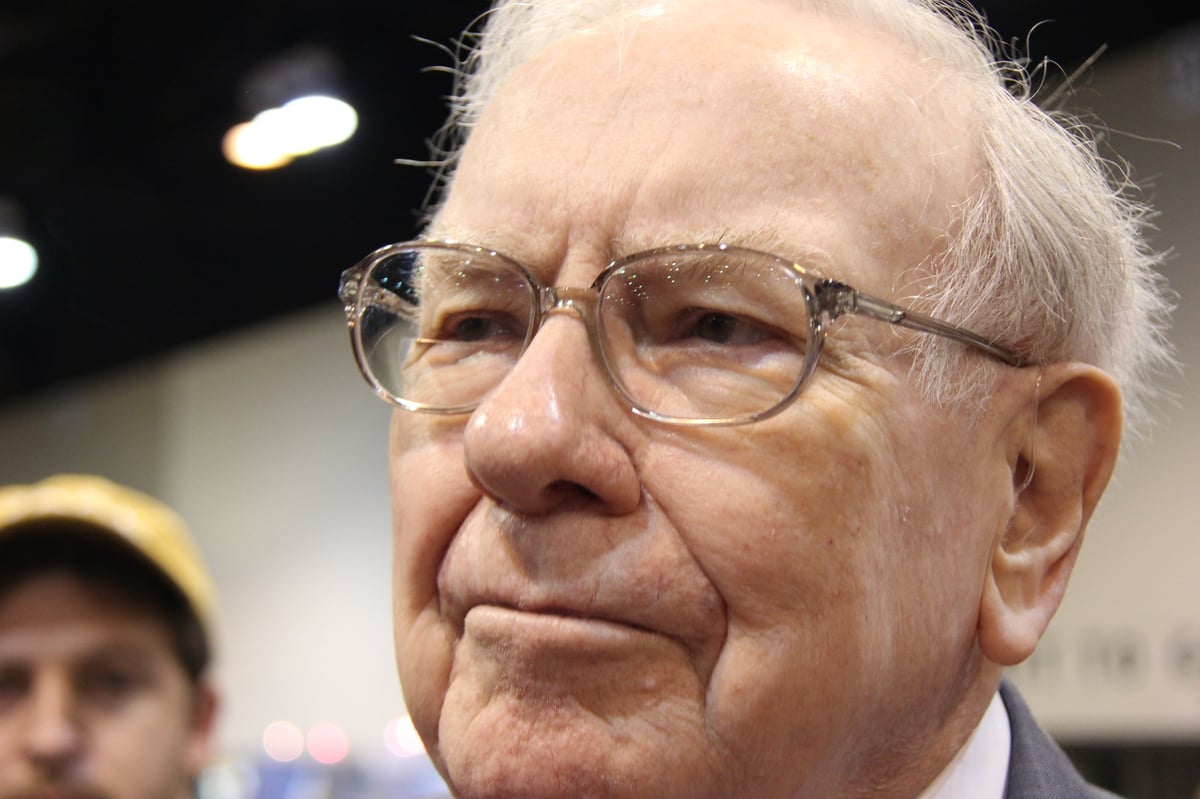
- Leadership Transition: Warren Buffett retired on December 31, 2025, with Greg Abel stepping in to manage Berkshire Hathaway's $320 billion investment portfolio, marking a significant new era for the company.
- Investment Concentration: Abel's portfolio is heavily weighted, with 10 core holdings accounting for nearly 79% of assets, including Apple at $60 billion, highlighting the company's focus on high-quality assets and long-term growth potential.
- Sustainable Competitive Advantages: Among the 20 billion-dollar investments Abel oversees, many companies like Visa and Sirius XM operate as legal monopolies, ensuring stable revenue streams and risk resilience, reflecting Berkshire's investment strategy.
- Smaller Holdings Adjustment: Abel also manages 18 relatively smaller investments, with significant reductions like the 77% cut in Amazon's stake, indicating a focus on optimizing the portfolio and potentially paving the way for future trading opportunities.
See More

Alphabet Set to Reap Huge Profits from SpaceX Investment
- Significant Investment Returns: Alphabet's $900 million investment in SpaceX in 2015 is set to yield approximately $122.2 billion as SpaceX approaches a $2 trillion IPO valuation, resulting in a nearly 136x return and a compound annual growth rate of about 56.3%.
- Strategic Gains: The partnership between SpaceX's Starlink and Google Cloud allows Alphabet to enhance its cloud service user base by installing ground stations, which will drive increased global internet usage and subsequently boost users of Google Search and YouTube.
- Market Position Strengthened: With the successful IPO of SpaceX, Alphabet not only secures substantial financial gains but also enhances its competitive edge in cloud computing and smart devices through the expansion of Starlink, solidifying its leadership in the tech industry.
- Future Growth Potential: Alphabet's investment is viewed as its best deal since acquiring YouTube in 2006, expected to provide ongoing growth opportunities, particularly as mobile device usage rises in emerging markets.
See More

Warren Buffett Retires, Greg Abel Takes Over as CEO of Berkshire Hathaway
- Leadership Transition: Warren Buffett retired as CEO on December 31, 2025, with Greg Abel taking over the management of a $320 billion investment portfolio, marking a new era for Berkshire Hathaway, although Buffett remains as chairman of the board.
- Investment Philosophy Continuity: Abel shares a similar investment philosophy with Buffett, emphasizing value investing and sustainable competitive advantages, particularly by allocating a significant portion of the company's capital to their best ideas.
- Core Holdings Concentration: The ten core positions account for nearly 79% of Berkshire's invested assets, all of which pay dividends and engage in share repurchases, demonstrating strong capital return capabilities, with Abel's management style reflected in these choices.
- Smaller Investment Dynamics: Abel oversees 18 smaller holdings ranging from $5 million to approximately $692 million, many of which are being reduced or removed from the portfolio, indicating a dynamic adjustment strategy in response to market conditions.
See More

Comparative Outlook on Microsoft and Meta's Earnings Reports


- Microsoft's Strong Earnings: In Q2 of fiscal 2026, Microsoft reported adjusted earnings per share of $4.14, a 24% year-over-year increase that exceeded analyst expectations, highlighting the robust appeal of its cloud computing business despite intense AI competition.
- Intensifying Competitive Challenges: The rapid advancement of generative and agentic AI poses significant challenges to Microsoft's core software business, compelling the company to make substantial investments to maintain its technological edge against giants like Alphabet and Amazon.
- Meta's Vast User Base: Meta boasts nearly 3.6 billion daily active users across its social media platforms, creating a powerful network effect; the application of AI enhances user engagement, leading to a nearly 24% year-over-year revenue growth in the latest quarter.
- Capital Expenditure Plans: Meta anticipates capital expenditures between $115 billion and $135 billion for 2026, and despite the hefty spending, CEO Mark Zuckerberg remains optimistic about the long-term returns from investments in personal superintelligence and infrastructure development.
See More

Microsoft and Meta Earnings Preview: AI-Driven Growth
- Microsoft's Strong Earnings: In its second quarter of fiscal 2026, Microsoft reported non-GAAP earnings per share of $4.14, a 24% year-over-year increase that exceeded analyst expectations, highlighting the robust appeal of its cloud computing business despite intense AI competition.
- Meta's Impressive Revenue Growth: Meta's revenue surged nearly 24% year-over-year to nearly $60 billion in its most recent quarter, indicating the effectiveness of its strategy to leverage AI for optimizing content and advertising algorithms, which enhances user engagement and ad impressions.
- Significant Capital Expenditure Increase: Both companies are signaling a substantial rise in capital expenditures for 2026, with Meta projecting between $115 billion and $135 billion, which may pressure free cash flow, although CEO Zuckerberg remains optimistic about long-term returns.
- Intensifying Market Competition: Microsoft faces competition from giants like Alphabet and Amazon in software sales, while Meta capitalizes on its network effect with 3.6 billion daily active users, using AI to enhance profitability on its social media platforms, showcasing differing investment appeals.
See More
SpaceX IPO Set to Earn Alphabet $122.2 Billion
- Staggering ROI: Alphabet's $900 million investment in SpaceX in 2015 is projected to yield approximately $122.2 billion from its 6.11% stake in the upcoming IPO, representing a nearly 136x return and a compound annual growth rate of about 56.3%, showcasing the remarkable success of this investment.
- Market Valuation Surge: SpaceX plans to go public in the coming months at a valuation nearing $2 trillion, which will not only further enrich Elon Musk but also provide Alphabet with substantial financial gains, positioning it as one of the largest IPOs in history.
- Strategic Partnership Enhancement: The collaboration between SpaceX's Starlink unit and Google Cloud will deepen Alphabet's market position, as Starlink provides internet services to numerous regions worldwide, thereby increasing the usage of Google Cloud applications and driving overall business growth for Alphabet.
- Multiple Revenue Potential: The capital raised from the SpaceX IPO will support Starlink's expansion, increasing global internet users and subsequently boosting the user base for Google Search and YouTube, while also solidifying Alphabet's leadership in cloud computing and AI sectors.
See More
Buffett Retires, Abel Takes Over as CEO of Berkshire Hathaway
- Leadership Transition: Warren Buffett retired on December 31, 2025, with Greg Abel stepping in to manage Berkshire Hathaway's $320 billion investment portfolio, marking a significant new era for the company.
- Investment Concentration: Abel's portfolio is heavily weighted, with 10 core holdings accounting for nearly 79% of assets, including Apple at $60 billion, highlighting the company's focus on high-quality assets and long-term growth potential.
- Sustainable Competitive Advantages: Among the 20 billion-dollar investments Abel oversees, many companies like Visa and Sirius XM operate as legal monopolies, ensuring stable revenue streams and risk resilience, reflecting Berkshire's investment strategy.
- Smaller Holdings Adjustment: Abel also manages 18 relatively smaller investments, with significant reductions like the 77% cut in Amazon's stake, indicating a focus on optimizing the portfolio and potentially paving the way for future trading opportunities.
See More
Alphabet Set to Reap Huge Profits from SpaceX Investment
- Significant Investment Returns: Alphabet's $900 million investment in SpaceX in 2015 is set to yield approximately $122.2 billion as SpaceX approaches a $2 trillion IPO valuation, resulting in a nearly 136x return and a compound annual growth rate of about 56.3%.
- Strategic Gains: The partnership between SpaceX's Starlink and Google Cloud allows Alphabet to enhance its cloud service user base by installing ground stations, which will drive increased global internet usage and subsequently boost users of Google Search and YouTube.
- Market Position Strengthened: With the successful IPO of SpaceX, Alphabet not only secures substantial financial gains but also enhances its competitive edge in cloud computing and smart devices through the expansion of Starlink, solidifying its leadership in the tech industry.
- Future Growth Potential: Alphabet's investment is viewed as its best deal since acquiring YouTube in 2006, expected to provide ongoing growth opportunities, particularly as mobile device usage rises in emerging markets.
See More
Warren Buffett Retires, Greg Abel Takes Over as CEO of Berkshire Hathaway
- Leadership Transition: Warren Buffett retired as CEO on December 31, 2025, with Greg Abel taking over the management of a $320 billion investment portfolio, marking a new era for Berkshire Hathaway, although Buffett remains as chairman of the board.
- Investment Philosophy Continuity: Abel shares a similar investment philosophy with Buffett, emphasizing value investing and sustainable competitive advantages, particularly by allocating a significant portion of the company's capital to their best ideas.
- Core Holdings Concentration: The ten core positions account for nearly 79% of Berkshire's invested assets, all of which pay dividends and engage in share repurchases, demonstrating strong capital return capabilities, with Abel's management style reflected in these choices.
- Smaller Investment Dynamics: Abel oversees 18 smaller holdings ranging from $5 million to approximately $692 million, many of which are being reduced or removed from the portfolio, indicating a dynamic adjustment strategy in response to market conditions.
See More
Comparative Outlook on Microsoft and Meta's Earnings Reports
- Microsoft's Strong Earnings: In Q2 of fiscal 2026, Microsoft reported adjusted earnings per share of $4.14, a 24% year-over-year increase that exceeded analyst expectations, highlighting the robust appeal of its cloud computing business despite intense AI competition.
- Intensifying Competitive Challenges: The rapid advancement of generative and agentic AI poses significant challenges to Microsoft's core software business, compelling the company to make substantial investments to maintain its technological edge against giants like Alphabet and Amazon.
- Meta's Vast User Base: Meta boasts nearly 3.6 billion daily active users across its social media platforms, creating a powerful network effect; the application of AI enhances user engagement, leading to a nearly 24% year-over-year revenue growth in the latest quarter.
- Capital Expenditure Plans: Meta anticipates capital expenditures between $115 billion and $135 billion for 2026, and despite the hefty spending, CEO Mark Zuckerberg remains optimistic about the long-term returns from investments in personal superintelligence and infrastructure development.
See More
Microsoft and Meta Earnings Preview: AI-Driven Growth
- Microsoft's Strong Earnings: In its second quarter of fiscal 2026, Microsoft reported non-GAAP earnings per share of $4.14, a 24% year-over-year increase that exceeded analyst expectations, highlighting the robust appeal of its cloud computing business despite intense AI competition.
- Meta's Impressive Revenue Growth: Meta's revenue surged nearly 24% year-over-year to nearly $60 billion in its most recent quarter, indicating the effectiveness of its strategy to leverage AI for optimizing content and advertising algorithms, which enhances user engagement and ad impressions.
- Significant Capital Expenditure Increase: Both companies are signaling a substantial rise in capital expenditures for 2026, with Meta projecting between $115 billion and $135 billion, which may pressure free cash flow, although CEO Zuckerberg remains optimistic about long-term returns.
- Intensifying Market Competition: Microsoft faces competition from giants like Alphabet and Amazon in software sales, while Meta capitalizes on its network effect with 3.6 billion daily active users, using AI to enhance profitability on its social media platforms, showcasing differing investment appeals.
See More