AeroVironment Launches New Laser Weapon System to Counter Drones
Written by Emily J. Thompson, Senior Investment Analyst
Updated: 6 days ago
0mins
Should l Buy AVAV?
Source: seekingalpha
- System Introduction: AeroVironment unveiled the Locust X3 high-energy laser weapon system on Tuesday, aimed at countering drones and other unmanned threats, although its shares fell 2.3% during midday trading in New York, indicating a lukewarm market response.
- Technical Specifications: The system features a laser output ranging from 20 kilowatts to over 35 kilowatts, along with automated software for detection, tracking, and targeting, allowing integration across various environments including ground vehicles, fixed installations, and maritime platforms, enhancing operational flexibility.
- Cost Efficiency: Compared to conventional interceptors, the laser system offers a relatively low cost per engagement and operates without the need for physical ammunition reloads, with analysts noting that this feature is increasingly relevant as militaries face the growing use of low-cost drones and swarm tactics.
- Strategic Implications: The launch of the Locust X3 system signifies AeroVironment's deeper commitment to counter-drone and directed-energy technologies, aligning with the trend of increased defense spending, which is expected to bolster the company's competitiveness in the defense market.
Trade with 70% Backtested Accuracy
Stop guessing "Should I Buy AVAV?" and start using high-conviction signals backed by rigorous historical data.
Sign up today to access powerful investing tools and make smarter, data-driven decisions.
Analyst Views on AVAV
Wall Street analysts forecast AVAV stock price to rise
13 Analyst Rating
13 Buy
0 Hold
0 Sell
Strong Buy
Current: 184.430

Low
315.00
Averages
390.75
High
450.00
Current: 184.430
Low
315.00
Averages
390.75
High
450.00
About AVAV
AeroVironment, Inc. is a defense technology provider delivering integrated capabilities across air, land, sea, space, and cyber. The Company develops and deploys autonomous systems, precision strike systems, counter-UAS technologies, space-based platforms, directed energy systems, and cyber and electronic warfare capabilities. The Company’s segments include Autonomous Systems (AxS) and Space, Cyber, and Directed Energy (SCDE). The AxS segment focuses on the design, development, production, delivery, and support of intelligent, multi-domain robotic systems, including uncrewed aircraft systems (UAS) and ground robot systems. It includes the Company’s former Uncrewed Systems, Loitering Munitions Systems, and MacCready Works segments as well as Radio Frequency and Kinetic Counter-UAS Electronic Warfare Systems and others. The SCDE segment focuses on advanced technologies in the space domain providing space-based and ground-based platforms, cyber capabilities, and directed energy systems.
About the author

Emily J. Thompson
Emily J. Thompson, a Chartered Financial Analyst (CFA) with 12 years in investment research, graduated with honors from the Wharton School. Specializing in industrial and technology stocks, she provides in-depth analysis for Intellectia’s earnings and market brief reports.
AeroVironment Secures $117M US Army UAV Contract

- Significant Contract Value: AeroVironment has secured a $117 million contract with the US Army to deliver P550 long-range reconnaissance UAVs, further solidifying its position among defense contractors.
- Technical Support: The contract encompasses the delivery of unmanned aerial systems, battery chargers, ground control stations, launchers, and training materials, showcasing the company's technological prowess and market demand in the unmanned systems sector.
- Optimistic Market Outlook: BTIG analysts reiterated a Buy rating on AeroVironment with a price target of $330, reflecting confidence in the company's future growth potential, particularly in the Autonomous Systems segment.
- Strategic Development: AeroVironment's management is optimistic about scaling its one-way platform to levels comparable to the Switchblade UAV by the end of the decade, indicating proactive positioning in technological innovation and market competition.
See More

2026 Economic Outlook and Uber Developments


- GDP Growth Slowdown: The GDP growth rate for Q1 2026 is only 0.7%, significantly lower than the previous estimate of 1.4%, indicating a sluggish economic recovery that may dampen investor confidence and negatively impact stock market performance.
- Rising Inflation Pressure: With inflation exceeding 3% in January, combined with slowing GDP growth, concerns about stagflation may arise, leading to reduced consumer spending and threatening corporate profitability.
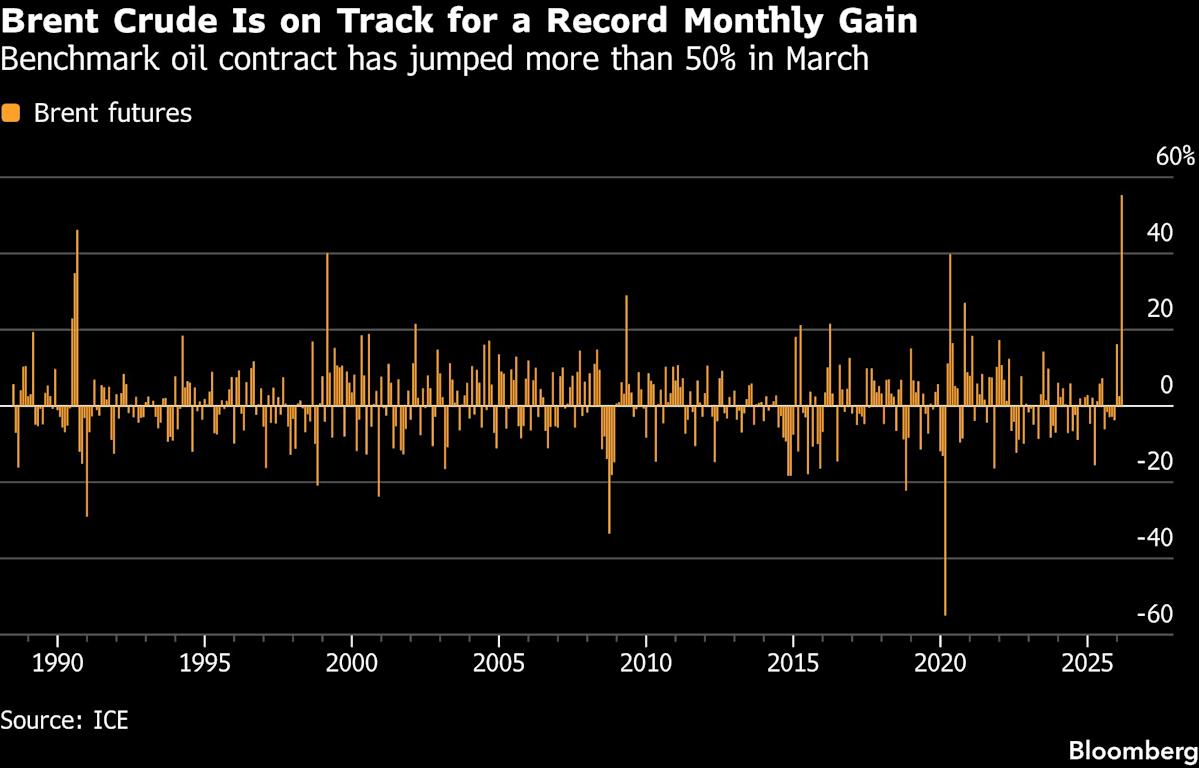
- Surge in Oil Prices: West Texas Intermediate crude oil prices have surged from $57 on January 2 to $93, even exceeding $100 at times, increasing consumer energy expenditure pressure and potentially suppressing spending in other areas.
- Uber's Autonomous Driving Partnerships: Uber has recently formed partnerships with several companies, including Waymo and Lucid, indicating its proactive positioning in the autonomous driving sector, which may lay the groundwork for future market share growth.
See More

2026 Economic Outlook and Oil Price Fluctuations
- GDP Growth Slowdown: The GDP growth rate for Q1 2026 is only 0.7%, significantly lower than the previous estimate of 1.4%, indicating economic stagnation that may heighten investor concerns about future economic prospects.
- High Inflation Pressure: With inflation exceeding 3% in January, combined with low growth, market fears of stagflation are rising, which could negatively impact consumer spending and business investment decisions, further dragging down economic recovery.
- Surging Oil Prices Impact: As of the recording date, West Texas Intermediate crude oil prices have reached $93 per barrel, a significant increase from $57 on January 2, which may force consumers to cut back on other expenditures due to rising energy costs, affecting overall economic activity.
- Geopolitical Risks: The rise in oil prices is primarily driven by geopolitical conflicts rather than demand growth, particularly due to uncertainties surrounding Iran, which could lead to a more pessimistic economic outlook, necessitating close monitoring of related developments.
See More
Iran War Drives Transformation in Defense Technology


- Cost-Effectiveness Demand: Defense Secretary's warning against using $2 million missiles to shoot down $20,000 drones highlights the urgent need for defense tech companies to accelerate the development of low-cost drones to meet modern warfare demands.
- Market Opportunities: The U.S. Department of Defense consumed $5.6 billion in munitions within two days of the Iran war outbreak, indicating a pressing need for new drone and counter-drone technologies, which is rapidly boosting valuations and market shares of related startups.
- Accelerated Technological Innovation: The U.S. has introduced the Low-cost Uncrewed Combat Attack System (LUCAS), priced at approximately $35,000, which is becoming a key technology in countering Iranian drone threats and is expected to attract more defense budget allocations.
- Intensified Industry Competition: Although spending in the defense tech sector accounted for less than 1% of contract dollars in 2025, startups like Anduril and Palantir have secured multi-billion dollar contracts, reflecting strong market demand for high-tech solutions.
See More

Iran War Drives Surge in U.S. Defense Tech Demand

- Drone Technology Deployment: The U.S. has deployed the Low-cost Uncrewed Combat Attack System (LUCAS) in the Iran war, costing approximately $35,000 per unit, marking one of the few new systems emerging and highlighting the urgent demand for low-cost technology that could reshape future combat strategies.
- Surge in Demand: Defense tech startups report skyrocketing demand since the U.S. first struck Iran, with many customers willing to buy out capacity or request ramped-up production, reflecting a strong appetite for innovative technologies in modern warfare.
- Budgetary Challenges: Despite defense tech accounting for less than 1% of contract dollars in 2025, the Trump administration's plan to raise military budgets to $1.5 trillion by 2027 could provide new opportunities for startups in the sector.
- Production Capacity Dilemma: Many defense tech firms face a dilemma over whether to scale production to meet clear demand signals without stable contracts, as the uncertainty surrounding government contracts complicates their expansion strategies.
See More

Global Drone Market Enters Transformative Expansion Phase

- Market Size Surge: According to Barclays' latest report, the global drone market is projected to reach $250 billion by 2035, doubling from approximately $20 billion in 2020, highlighting drones' position as a core growth engine in the tech sector.
- AI Integration: The drone industry is undergoing a transformation labeled as 'Physical AI,' shifting focus from traditional manufacturing to compute, data centers, and software, which is expected to significantly lower long-term operating costs while transforming defense contractors into tech firms.
- New Frontier for Capital Expenditure: While individual drones often cost below $50,000, the broader ecosystem required for deploying autonomous swarms is creating a massive new frontier for capital expenditure, with future scaling increasingly reliant on AI capital expenditure and access to critical minerals.
- Geopolitical Implications: As the drone industry rapidly evolves, the ability to deploy low-cost, high-impact technology at scale is providing strategic advantages for global security, prompting investors to closely monitor the minerals and energy bottlenecks that could influence the pace of innovation.
See More
AeroVironment Secures $117M US Army UAV Contract
- Significant Contract Value: AeroVironment has secured a $117 million contract with the US Army to deliver P550 long-range reconnaissance UAVs, further solidifying its position among defense contractors.
- Technical Support: The contract encompasses the delivery of unmanned aerial systems, battery chargers, ground control stations, launchers, and training materials, showcasing the company's technological prowess and market demand in the unmanned systems sector.
- Optimistic Market Outlook: BTIG analysts reiterated a Buy rating on AeroVironment with a price target of $330, reflecting confidence in the company's future growth potential, particularly in the Autonomous Systems segment.
- Strategic Development: AeroVironment's management is optimistic about scaling its one-way platform to levels comparable to the Switchblade UAV by the end of the decade, indicating proactive positioning in technological innovation and market competition.
See More
2026 Economic Outlook and Uber Developments
- GDP Growth Slowdown: The GDP growth rate for Q1 2026 is only 0.7%, significantly lower than the previous estimate of 1.4%, indicating a sluggish economic recovery that may dampen investor confidence and negatively impact stock market performance.
- Rising Inflation Pressure: With inflation exceeding 3% in January, combined with slowing GDP growth, concerns about stagflation may arise, leading to reduced consumer spending and threatening corporate profitability.
- Surge in Oil Prices: West Texas Intermediate crude oil prices have surged from $57 on January 2 to $93, even exceeding $100 at times, increasing consumer energy expenditure pressure and potentially suppressing spending in other areas.
- Uber's Autonomous Driving Partnerships: Uber has recently formed partnerships with several companies, including Waymo and Lucid, indicating its proactive positioning in the autonomous driving sector, which may lay the groundwork for future market share growth.
See More
2026 Economic Outlook and Oil Price Fluctuations
- GDP Growth Slowdown: The GDP growth rate for Q1 2026 is only 0.7%, significantly lower than the previous estimate of 1.4%, indicating economic stagnation that may heighten investor concerns about future economic prospects.
- High Inflation Pressure: With inflation exceeding 3% in January, combined with low growth, market fears of stagflation are rising, which could negatively impact consumer spending and business investment decisions, further dragging down economic recovery.
- Surging Oil Prices Impact: As of the recording date, West Texas Intermediate crude oil prices have reached $93 per barrel, a significant increase from $57 on January 2, which may force consumers to cut back on other expenditures due to rising energy costs, affecting overall economic activity.
- Geopolitical Risks: The rise in oil prices is primarily driven by geopolitical conflicts rather than demand growth, particularly due to uncertainties surrounding Iran, which could lead to a more pessimistic economic outlook, necessitating close monitoring of related developments.
See More
Iran War Drives Transformation in Defense Technology
- Cost-Effectiveness Demand: Defense Secretary's warning against using $2 million missiles to shoot down $20,000 drones highlights the urgent need for defense tech companies to accelerate the development of low-cost drones to meet modern warfare demands.
- Market Opportunities: The U.S. Department of Defense consumed $5.6 billion in munitions within two days of the Iran war outbreak, indicating a pressing need for new drone and counter-drone technologies, which is rapidly boosting valuations and market shares of related startups.
- Accelerated Technological Innovation: The U.S. has introduced the Low-cost Uncrewed Combat Attack System (LUCAS), priced at approximately $35,000, which is becoming a key technology in countering Iranian drone threats and is expected to attract more defense budget allocations.
- Intensified Industry Competition: Although spending in the defense tech sector accounted for less than 1% of contract dollars in 2025, startups like Anduril and Palantir have secured multi-billion dollar contracts, reflecting strong market demand for high-tech solutions.
See More
Iran War Drives Surge in U.S. Defense Tech Demand
- Drone Technology Deployment: The U.S. has deployed the Low-cost Uncrewed Combat Attack System (LUCAS) in the Iran war, costing approximately $35,000 per unit, marking one of the few new systems emerging and highlighting the urgent demand for low-cost technology that could reshape future combat strategies.
- Surge in Demand: Defense tech startups report skyrocketing demand since the U.S. first struck Iran, with many customers willing to buy out capacity or request ramped-up production, reflecting a strong appetite for innovative technologies in modern warfare.
- Budgetary Challenges: Despite defense tech accounting for less than 1% of contract dollars in 2025, the Trump administration's plan to raise military budgets to $1.5 trillion by 2027 could provide new opportunities for startups in the sector.
- Production Capacity Dilemma: Many defense tech firms face a dilemma over whether to scale production to meet clear demand signals without stable contracts, as the uncertainty surrounding government contracts complicates their expansion strategies.
See More
Global Drone Market Enters Transformative Expansion Phase
- Market Size Surge: According to Barclays' latest report, the global drone market is projected to reach $250 billion by 2035, doubling from approximately $20 billion in 2020, highlighting drones' position as a core growth engine in the tech sector.
- AI Integration: The drone industry is undergoing a transformation labeled as 'Physical AI,' shifting focus from traditional manufacturing to compute, data centers, and software, which is expected to significantly lower long-term operating costs while transforming defense contractors into tech firms.
- New Frontier for Capital Expenditure: While individual drones often cost below $50,000, the broader ecosystem required for deploying autonomous swarms is creating a massive new frontier for capital expenditure, with future scaling increasingly reliant on AI capital expenditure and access to critical minerals.
- Geopolitical Implications: As the drone industry rapidly evolves, the ability to deploy low-cost, high-impact technology at scale is providing strategic advantages for global security, prompting investors to closely monitor the minerals and energy bottlenecks that could influence the pace of innovation.
See More