10 Healthcare Stocks with A+ EPS Revision Ratings Attracting Investor Attention
Written by Emily J. Thompson, Senior Investment Analyst
Updated: Jan 16 2026
0mins
Should l Buy CAH?
Source: seekingalpha
- EPS Rating Upgrade: Ten healthcare stocks have received the highest A+ EPS revision rating from analysts, indicating increased confidence in their profitability outlook, which may attract more investor interest.
- List of Companies: Companies such as Cardinal Health (CAH) and HCA Healthcare (HCA) have achieved A+ ratings, showcasing strong earnings expectations that could drive their stock prices higher.
- Market Reaction: As analysts revise their earnings estimates upward for these companies, investors may reassess their portfolios, thereby increasing overall market attention on healthcare stocks.
- Industry Trends: With the earnings season underway, the robust performance of healthcare stocks and positive analyst revisions may signal a sector recovery, further attracting capital inflows into this area.
Trade with 70% Backtested Accuracy
Stop guessing "Should I Buy CAH?" and start using high-conviction signals backed by rigorous historical data.
Sign up today to access powerful investing tools and make smarter, data-driven decisions.
Analyst Views on CAH
Wall Street analysts forecast CAH stock price to rise
11 Analyst Rating
10 Buy
1 Hold
0 Sell
Strong Buy
Current: 213.990

Low
209.00
Averages
225.18
High
244.00
Current: 213.990
Low
209.00
Averages
225.18
High
244.00
About CAH
Cardinal Health, Inc. is a global healthcare services and products company. The Company is engaged in providing customized solutions for hospitals, healthcare systems, pharmacies, ambulatory surgery centers, clinical laboratories, physician offices and patients in the home. The Company also provides pharmaceuticals and medical products. Its segments include Pharmaceutical and Specialty Solutions and Global Medical Products and Distribution (GMPD). The Pharmaceutical and Specialty Solutions segment distributes branded and generic pharmaceuticals, specialty pharmaceuticals and over-the-counter healthcare and consumer products in the United States, as well as it owns urology MSO. Its GMPD segment manufactures, sources and distributes Cardinal Health branded medical, surgical and laboratory products, which are sold in the United States, Canada, Europe, Asia and other markets. The Company connects patients, providers, payers, pharmacists and manufacturers for integrated care coordination.
About the author

Emily J. Thompson
Emily J. Thompson, a Chartered Financial Analyst (CFA) with 12 years in investment research, graduated with honors from the Wharton School. Specializing in industrial and technology stocks, she provides in-depth analysis for Intellectia’s earnings and market brief reports.
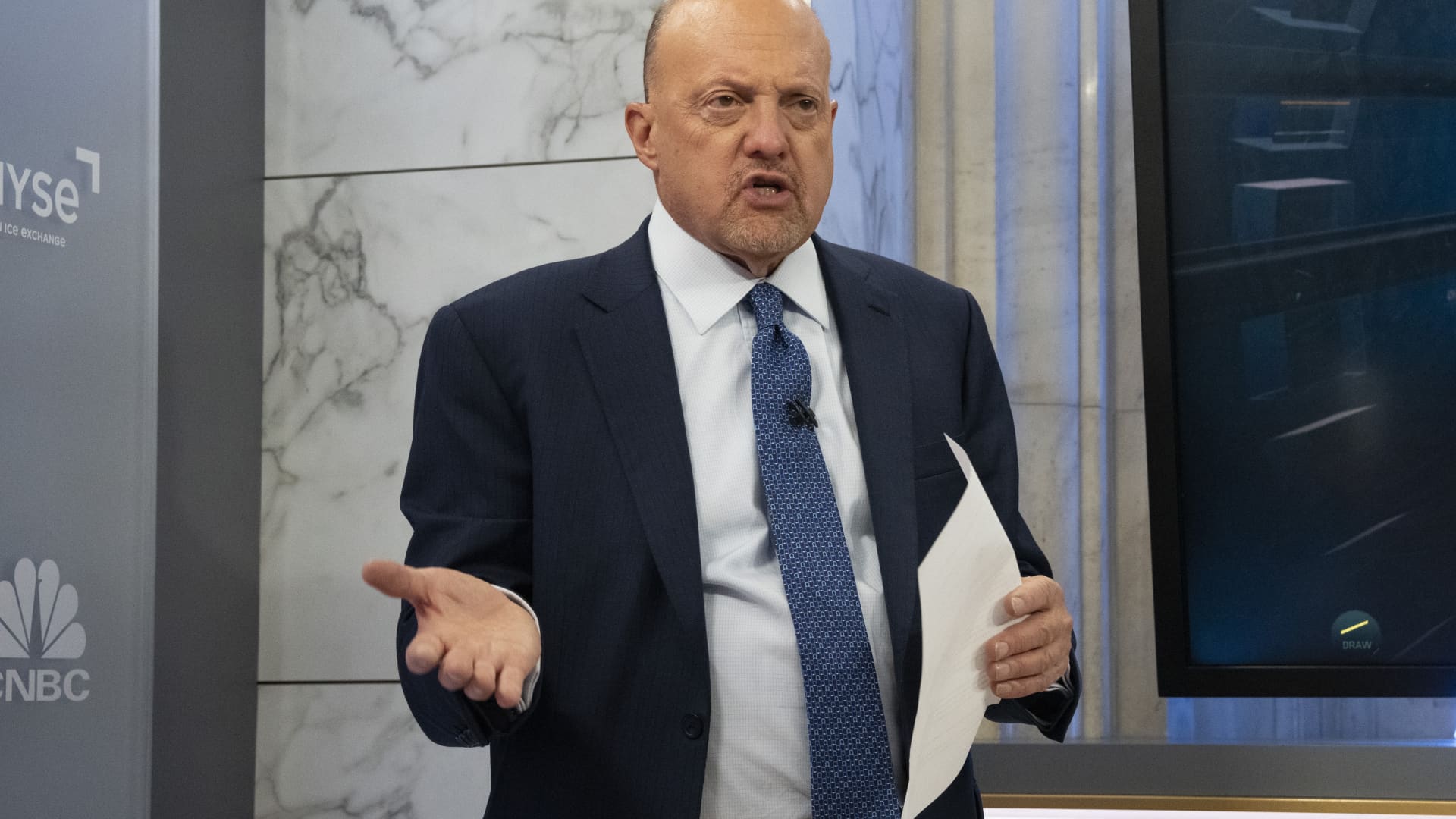
CNBC Investing Club April Meeting Highlights


- Market Rebound Analysis: The S&P 500 index reached a record high in April, marking a significant recovery from the Iran war sell-off, indicating a renewed focus on company fundamentals despite the ongoing conflict, which underscores the importance of investor calmness.
- Nike Investment Reflection: Despite insider buying signals prompting us to increase our stake in Nike last December, we are now skeptical about CEO Elliott Hill's ability to turn the company around, and if next quarter's performance is disappointing, we will consider exiting.
- Amazon Cloud Business Recovery: Amazon's stock rebound highlights the importance of patience, as the market is gradually recognizing the strength of its AWS cloud division and online retail business, which are expected to continue growing in the future.
- Nvidia Market Leadership: Nvidia's leading position in the AI chip sector is paying off, and despite competitive pressures, its advantage in computing power positions it well to maintain market leadership going forward.
See More
Cardinal Health Report: Expanding Advanced Therapies into Community Care

- Therapy Transformation: Cardinal Health's 2026 report indicates that 61 advanced therapies are currently approved in the U.S., with projections suggesting this number could nearly triple by 2030, highlighting the company's strong momentum in driving innovative treatments, particularly in oncology.
- Importance of Collaboration: Survey results reveal that 97% of health system respondents believe partnerships between community practices and health systems are essential for ensuring optimal treatment outcomes, which not only enhances patient experience but also effectively increases health system capacity for emerging innovative therapies.
- Implementation Complexity: Nearly 48% of community respondents reported that preparing to administer advanced therapies typically takes one to two years, reflecting the operational and clinical complexities involved in establishing these programs in community settings, underscoring the need for infrastructure investment and cross-organizational coordination.
- Improved Patient Access: As advanced therapies shift to community settings, patients gain easier access to life-changing treatments, which not only enhances overall patient experience but also provides the company with a strategic advantage in the rapidly evolving healthcare market.
See More

Market Volatility and Amazon's Acquisition Talks


- Market Volatility: Stocks experienced significant declines at the open on Thursday due to President Trump's hawkish remarks on the Iran war, which raised concerns and caused oil prices to surge; however, news of Iran working with Oman on a shipping protocol eased oil price pressures, allowing the S&P 500 to briefly trade higher, reflecting the market's high uncertainty.
- Amazon Acquisition Talks: Amazon is in negotiations to acquire satellite company Globalstar to advance its internet-from-space service, Leo, having launched about 200 low Earth orbit satellites despite competition from SpaceX's Starlink, which has over 10,000 satellites; this move is expected to enhance rural internet access and make Prime membership more attractive.
- Microsoft's AI Investment Lag: A profile on Microsoft CFO Amy Mood highlighted the company's conservative approach to AI spending, which has led to a competitive disadvantage, with the stock down 23% year-to-date; nevertheless, analysts remain optimistic about management's ability to address these challenges, maintaining a $600 price target.
- Rapid Stock Review: Stocks mentioned in Thursday's rapid-fire segment included Brinker, Texas Roadhouse, and Constellation Brands, indicating a focus on diversified investment strategies while emphasizing Jim Cramer's long-term holding approach in specific stocks within his charitable trust.
See More
Cardinal Health Expands Ac-225 Production Capacity Significantly
- Production Capacity Boost: Cardinal Health has added a high-capacity production line at its Center for Theranostics Advancement in Indianapolis, significantly increasing the supply of cGMP-compliant Ac-225 to meet the growing demand for cancer therapies.
- Clinical Trial Support: To date, Cardinal Health's Ac-225 has supported over 15 clinical trials worldwide, reflecting the company's extensive engagement in advancing targeted alpha therapies and enhancing its position in pharmaceutical innovation.
- Market Demand Response: Since announcing routine global production at scale at the end of 2024, Cardinal Health has quadrupled its weekly output, with expectations to continue increasing production capacity in 2026 to meet the rapidly growing demand for targeted alpha therapies.
- Supply Chain Assurance: According to VP Shane Thrasher, expanding Ac-225 production capacity is a critical advancement for the industry and patients, ensuring reliable access to targeted alpha therapies and preparing for larger commercial volumes in the future.
See More
CNBC Investing Club March Meeting Overview

- Energy Stocks Surge: Following the outbreak of war in Iran, energy stocks, particularly fertilizer manufacturers, have shown strong performance, indicating robust market demand that could drive profitability for related companies.
- AWS Growth Acceleration: Amazon's cloud unit AWS is no longer lagging behind Microsoft Azure, thanks to its partnership with Anthropic, with expectations for next quarter's margins to exceed market forecasts, boosting investor confidence.
- Cybersecurity Challenges: CrowdStrike has been affected by turmoil in the software market, but the CEO highlighted the positive impact of AI on cyberattacks, indicating long-term growth potential in the security sector, despite high stock prices.
- Healthcare Sector Risks: Eli Lilly faces pricing pressure from competitor Novo Nordisk, but the company is prepared to counter this by increasing volume, with the upcoming launch of its GLP-1 obesity drug expected to drive growth.
See More

Jim Cramer's Trust Increases Stake in Cardinal Health

- Increased Stake: Jim Cramer's Charitable Trust purchased 25 shares of Cardinal Health at approximately $210, raising its total holdings to 475 shares and increasing its portfolio weighting from 2.5% to 2.6%, reflecting confidence in the company.
- Market Reaction: Cardinal Health's stock has pulled back about 9% since the onset of the conflict with Iran; however, the company is expected to see earnings per share grow approximately 25% in the current fiscal year, indicating strong profitability amid market volatility.
- Product Growth: Sales of GLP-1 medications have provided a significant tailwind to Cardinal's Pharmaceutical and Specialty Solutions business, contributing 6 percentage points to revenue growth in the most recent quarter, further solidifying its market position.
- Board Changes: The sudden retirement of Chairman Gregory Kenny, replaced by current director Patricia Hemingway Hall, may unsettle investors; however, the company clarified that this decision was not related to operational disagreements and maintains confidence in its future financial outlook.
See More
CNBC Investing Club April Meeting Highlights
- Market Rebound Analysis: The S&P 500 index reached a record high in April, marking a significant recovery from the Iran war sell-off, indicating a renewed focus on company fundamentals despite the ongoing conflict, which underscores the importance of investor calmness.
- Nike Investment Reflection: Despite insider buying signals prompting us to increase our stake in Nike last December, we are now skeptical about CEO Elliott Hill's ability to turn the company around, and if next quarter's performance is disappointing, we will consider exiting.
- Amazon Cloud Business Recovery: Amazon's stock rebound highlights the importance of patience, as the market is gradually recognizing the strength of its AWS cloud division and online retail business, which are expected to continue growing in the future.
- Nvidia Market Leadership: Nvidia's leading position in the AI chip sector is paying off, and despite competitive pressures, its advantage in computing power positions it well to maintain market leadership going forward.
See More
Cardinal Health Report: Expanding Advanced Therapies into Community Care
- Therapy Transformation: Cardinal Health's 2026 report indicates that 61 advanced therapies are currently approved in the U.S., with projections suggesting this number could nearly triple by 2030, highlighting the company's strong momentum in driving innovative treatments, particularly in oncology.
- Importance of Collaboration: Survey results reveal that 97% of health system respondents believe partnerships between community practices and health systems are essential for ensuring optimal treatment outcomes, which not only enhances patient experience but also effectively increases health system capacity for emerging innovative therapies.
- Implementation Complexity: Nearly 48% of community respondents reported that preparing to administer advanced therapies typically takes one to two years, reflecting the operational and clinical complexities involved in establishing these programs in community settings, underscoring the need for infrastructure investment and cross-organizational coordination.
- Improved Patient Access: As advanced therapies shift to community settings, patients gain easier access to life-changing treatments, which not only enhances overall patient experience but also provides the company with a strategic advantage in the rapidly evolving healthcare market.
See More
Market Volatility and Amazon's Acquisition Talks
- Market Volatility: Stocks experienced significant declines at the open on Thursday due to President Trump's hawkish remarks on the Iran war, which raised concerns and caused oil prices to surge; however, news of Iran working with Oman on a shipping protocol eased oil price pressures, allowing the S&P 500 to briefly trade higher, reflecting the market's high uncertainty.
- Amazon Acquisition Talks: Amazon is in negotiations to acquire satellite company Globalstar to advance its internet-from-space service, Leo, having launched about 200 low Earth orbit satellites despite competition from SpaceX's Starlink, which has over 10,000 satellites; this move is expected to enhance rural internet access and make Prime membership more attractive.
- Microsoft's AI Investment Lag: A profile on Microsoft CFO Amy Mood highlighted the company's conservative approach to AI spending, which has led to a competitive disadvantage, with the stock down 23% year-to-date; nevertheless, analysts remain optimistic about management's ability to address these challenges, maintaining a $600 price target.
- Rapid Stock Review: Stocks mentioned in Thursday's rapid-fire segment included Brinker, Texas Roadhouse, and Constellation Brands, indicating a focus on diversified investment strategies while emphasizing Jim Cramer's long-term holding approach in specific stocks within his charitable trust.
See More
Cardinal Health Expands Ac-225 Production Capacity Significantly
- Production Capacity Boost: Cardinal Health has added a high-capacity production line at its Center for Theranostics Advancement in Indianapolis, significantly increasing the supply of cGMP-compliant Ac-225 to meet the growing demand for cancer therapies.
- Clinical Trial Support: To date, Cardinal Health's Ac-225 has supported over 15 clinical trials worldwide, reflecting the company's extensive engagement in advancing targeted alpha therapies and enhancing its position in pharmaceutical innovation.
- Market Demand Response: Since announcing routine global production at scale at the end of 2024, Cardinal Health has quadrupled its weekly output, with expectations to continue increasing production capacity in 2026 to meet the rapidly growing demand for targeted alpha therapies.
- Supply Chain Assurance: According to VP Shane Thrasher, expanding Ac-225 production capacity is a critical advancement for the industry and patients, ensuring reliable access to targeted alpha therapies and preparing for larger commercial volumes in the future.
See More
CNBC Investing Club March Meeting Overview
- Energy Stocks Surge: Following the outbreak of war in Iran, energy stocks, particularly fertilizer manufacturers, have shown strong performance, indicating robust market demand that could drive profitability for related companies.
- AWS Growth Acceleration: Amazon's cloud unit AWS is no longer lagging behind Microsoft Azure, thanks to its partnership with Anthropic, with expectations for next quarter's margins to exceed market forecasts, boosting investor confidence.
- Cybersecurity Challenges: CrowdStrike has been affected by turmoil in the software market, but the CEO highlighted the positive impact of AI on cyberattacks, indicating long-term growth potential in the security sector, despite high stock prices.
- Healthcare Sector Risks: Eli Lilly faces pricing pressure from competitor Novo Nordisk, but the company is prepared to counter this by increasing volume, with the upcoming launch of its GLP-1 obesity drug expected to drive growth.
See More
Jim Cramer's Trust Increases Stake in Cardinal Health
- Increased Stake: Jim Cramer's Charitable Trust purchased 25 shares of Cardinal Health at approximately $210, raising its total holdings to 475 shares and increasing its portfolio weighting from 2.5% to 2.6%, reflecting confidence in the company.
- Market Reaction: Cardinal Health's stock has pulled back about 9% since the onset of the conflict with Iran; however, the company is expected to see earnings per share grow approximately 25% in the current fiscal year, indicating strong profitability amid market volatility.
- Product Growth: Sales of GLP-1 medications have provided a significant tailwind to Cardinal's Pharmaceutical and Specialty Solutions business, contributing 6 percentage points to revenue growth in the most recent quarter, further solidifying its market position.
- Board Changes: The sudden retirement of Chairman Gregory Kenny, replaced by current director Patricia Hemingway Hall, may unsettle investors; however, the company clarified that this decision was not related to operational disagreements and maintains confidence in its future financial outlook.
See More