Zacks Industry Outlook Spotlights Procter & Gamble, Church & Dwight, Ollie's Bargain Outlet, and Grocery Outlet
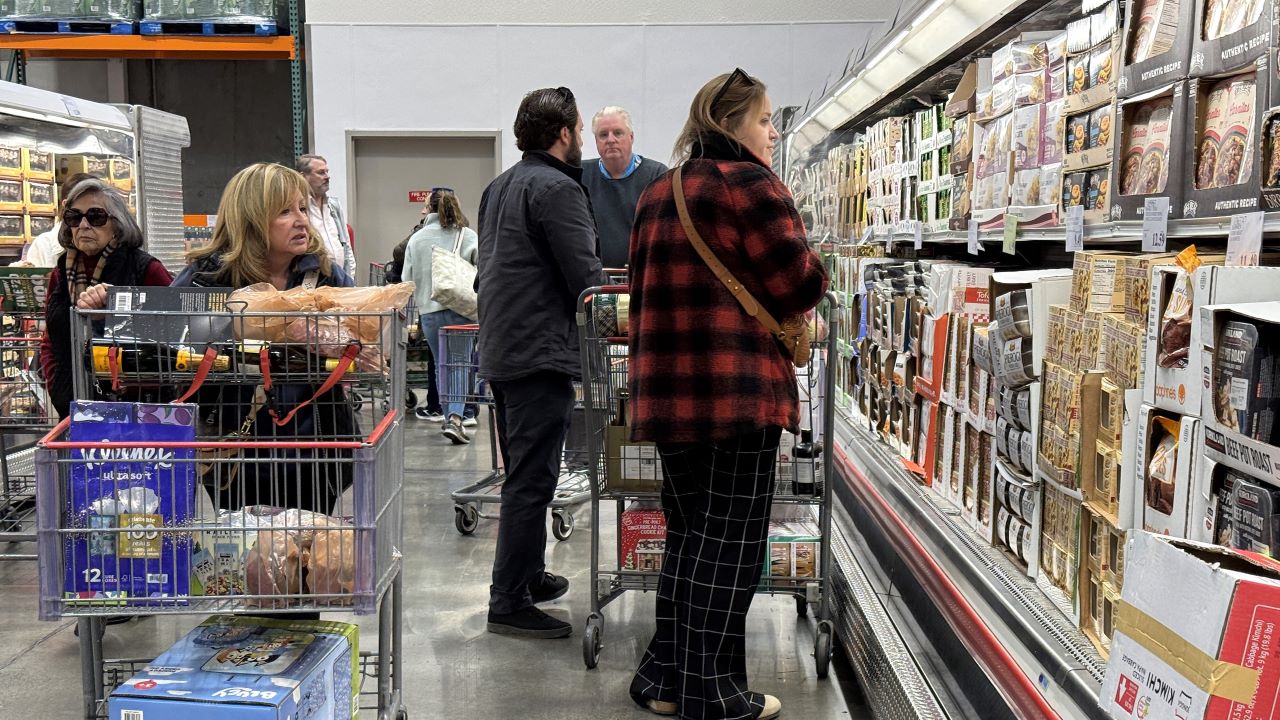
Current Market Challenges: The Consumer Products – Staples industry is facing a tough demand environment due to stretched household budgets, leading consumers to prioritize essentials and opt for lower-priced alternatives, which is impacting volume growth and profit margins.
Cost Pressures and Operational Strategies: Companies are grappling with rising costs in raw materials, labor, and logistics, prompting them to implement pricing actions, productivity programs, and restructuring initiatives to maintain profitability amidst these challenges.
Consumer Spending Volatility: Increased spending volatility, particularly among lower-income households, is affecting sales across the industry as rising living expenses and declining personal savings dampen purchasing power.
Strategic Revenue Optimization: Firms are focusing on e-commerce expansion, innovation, and portfolio optimization to enhance revenue and long-term positioning, while also navigating currency fluctuations that could impact international revenue.
Trade with 70% Backtested Accuracy
Analyst Views on PG

About PG
About the author

Market Volatility Amid Rising Oil Prices

- Oil Price Surge Impact: U.S. oil prices rose over 5% on Wednesday, reaching the high $80s, leading to a broad market decline that reflects concerns over rising energy costs potentially affecting corporate profits and consumer spending.
- Reduced Market Volatility: Despite the oil price increase, the S&P 500 exhibited a significantly tighter trading range, indicating a stabilization in market sentiment as investors reassess risks following multiple conflicting headlines.
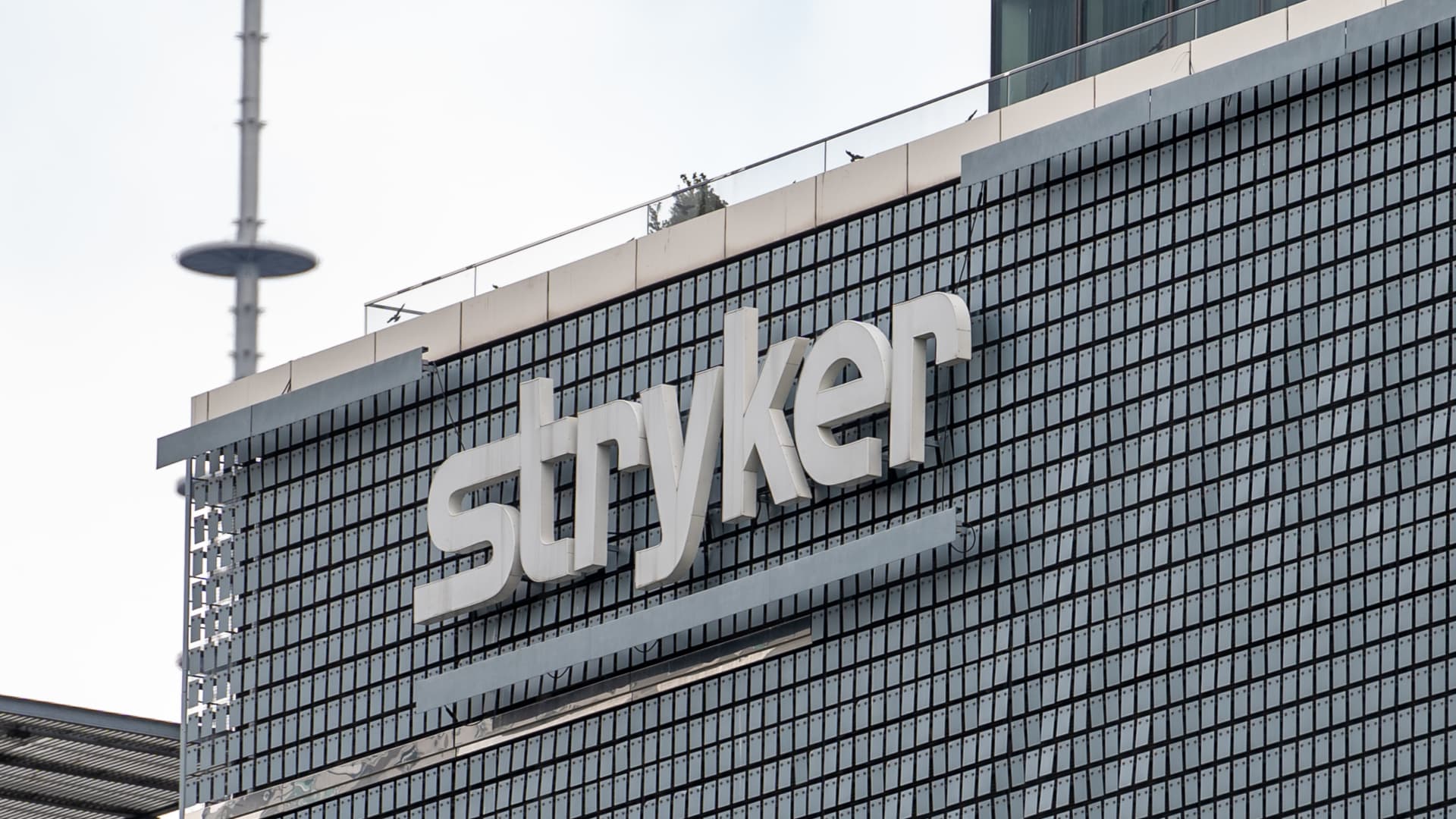
- Increased Cybersecurity Threats: The risk of cyberattacks has escalated due to the Iran war, with medical device company Stryker experiencing a global systems outage potentially linked to an Iranian hacking group, underscoring the necessity for companies to invest in cybersecurity.
- Upcoming Earnings Reports: On Thursday, Dick's Sporting Goods and Dollar General are set to release their quarterly results, with market reactions likely influenced by last week's weak jobs report and housing data.
Market Dynamics and Investment Strategy Recap
- Inflation Data Impact: On Wednesday, the S&P 500 drifted lower as investors weighed key consumer inflation data against the ongoing U.S.-Iran war and volatile oil prices; although the February CPI report met expectations, concerns about future data intensified, particularly regarding the surge in energy prices driven by the war not reflected in current figures.
- Oil Price Volatility and Market Response: The International Energy Agency announced plans to release 400 million barrels of oil from reserves to address supply disruptions, providing temporary market relief, yet oil prices still rose on Wednesday, indicating ongoing market concerns about energy supply, with Jim Cramer noting a strategy to deploy cash during oversold conditions.
- CrowdStrike Stock Outlook: CrowdStrike shares rose roughly 1% in the morning, but Jim argued the stock should be trading significantly higher due to increasing discussions around AI agents and potential security breaches, particularly with the open-source AI agent OpenClaw gaining popularity in China, emphasizing CrowdStrike's technological edge in this area.
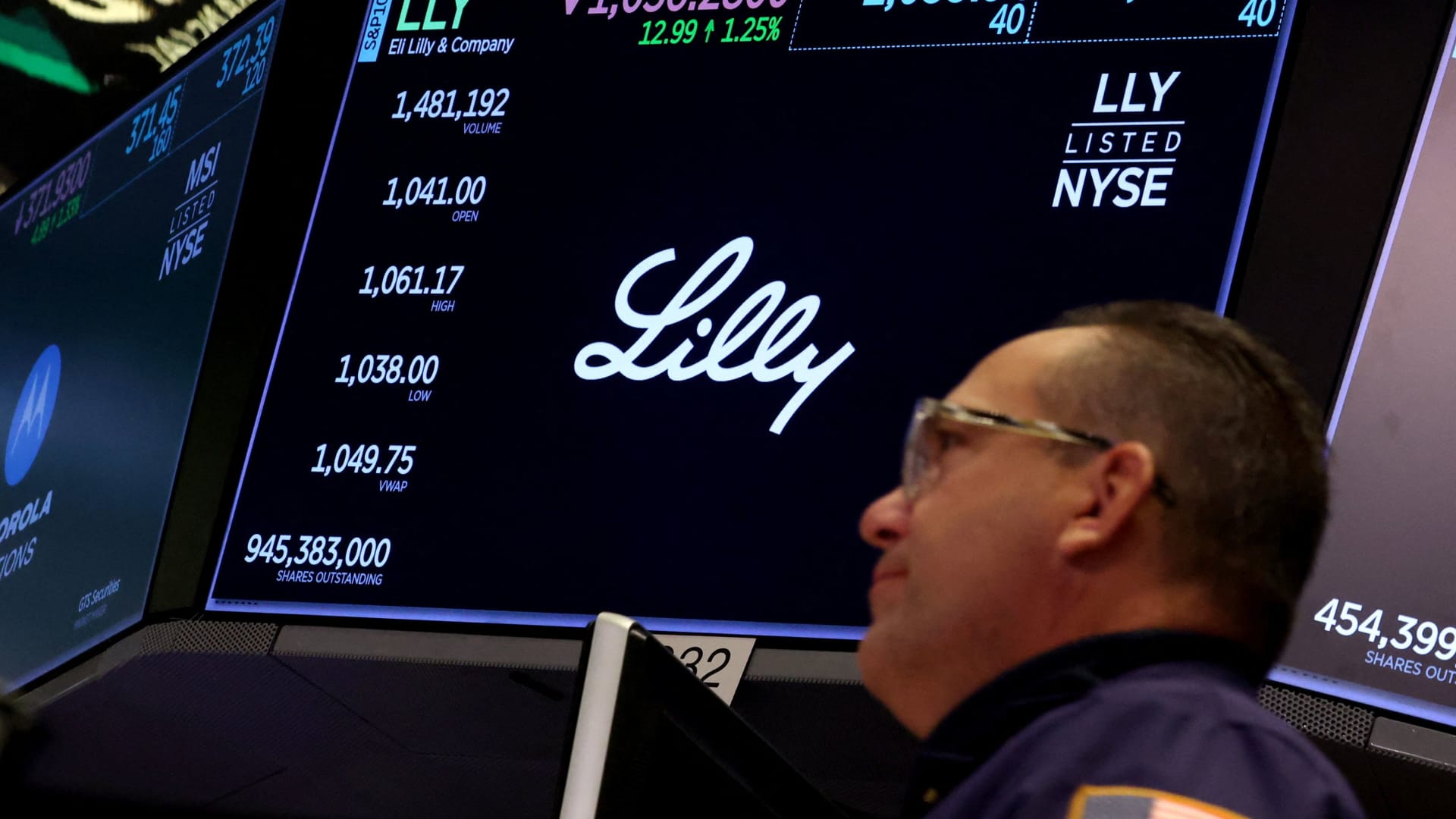
- Eli Lilly Price Target Increase: Wolfe Research raised its price target on Eli Lilly from $1,250 to $1,325, implying about a 32% upside, and while Jim noted investors might overlook this bullish note amid geopolitical uncertainty and inflation concerns, he agreed with the massive market opportunity for Lilly's drug, highlighting that the company is prepared to meet demand with its factories ready.
Jim Cramer Increases Stake in Procter & Gamble
- Increased Stake in PG: Jim Cramer's Charitable Trust purchased 25 shares of Procter & Gamble at approximately $152, raising its total holdings to 450 shares and increasing its portfolio weighting from 1.65% to 1.8%.
- Market Sentiment Improvement: The release of 400 million barrels of oil by the International Energy Agency has improved market sentiment, providing a temporary stabilization for crude markets, although it is not a long-term solution.
- Oversold Technical Indicator: The S&P Short Range Oscillator has dropped below -4% for the first time since April 2025, indicating excessive selling pressure, prompting Cramer to buy PG shares as a potential rebound opportunity.
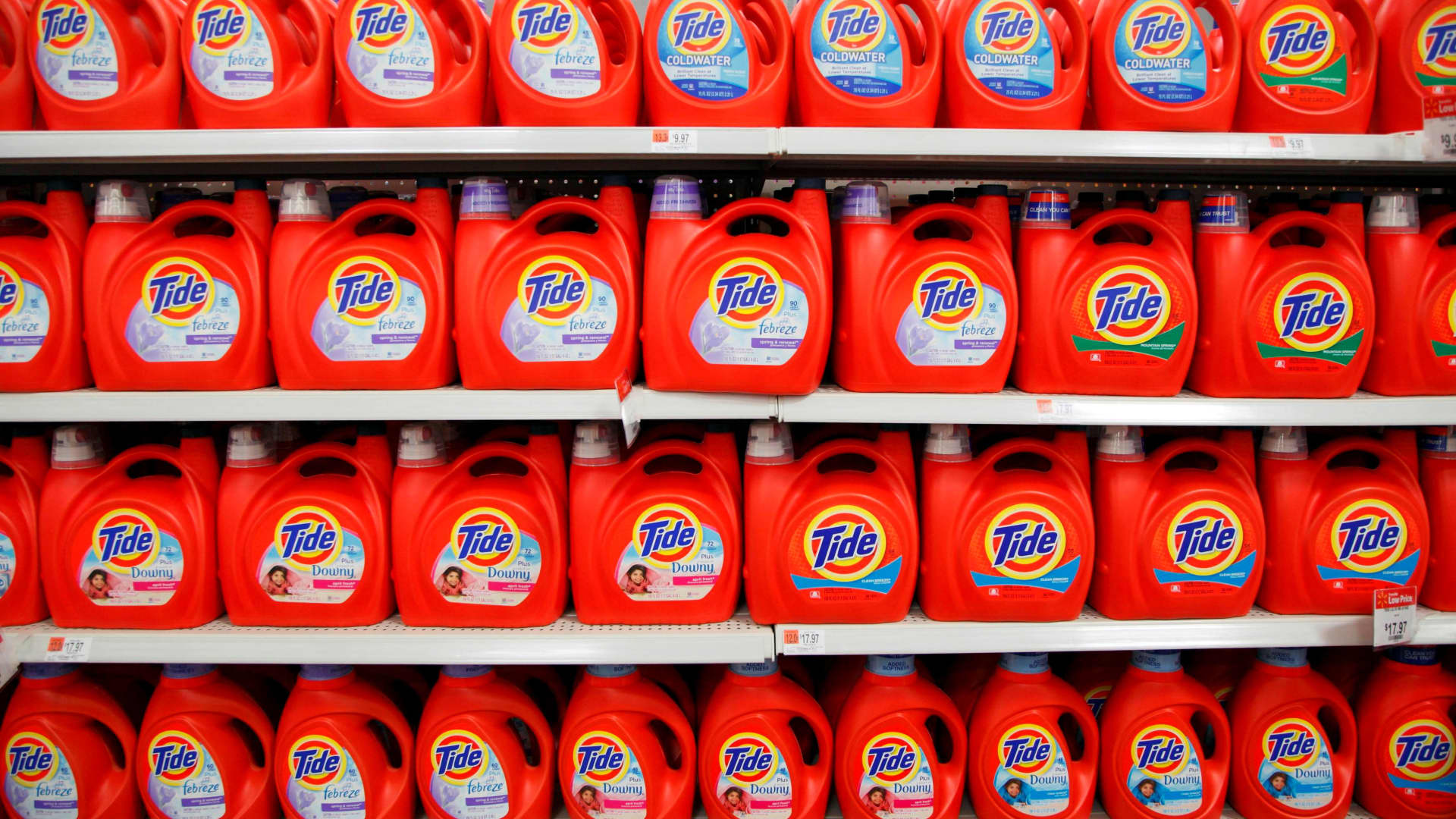
- Consumer Staples Resilience: Procter & Gamble, a consumer brand powerhouse with products like Tide and Crest, is viewed as recession-resistant, making it a strategic choice for Cramer to increase holdings during uncertain economic times.

Procter & Gamble Down 1.7%, Worst Dow Performer Today
- Poor Daily Performance: Procter & Gamble's stock is down 1.7% today, making it the worst performer in the Dow, reflecting market concerns about its short-term outlook, which could impact investor confidence.
- Year-to-Date Review: Despite today's decline, Procter & Gamble has gained 7.0% year-to-date, indicating its relative resilience in the overall market, which may attract long-term investors' interest.
- Other Component Movements: Among other Dow components today, Caterpillar is down 1.1%, while Salesforce is up 1.7%, showcasing the market's varied reactions to different companies, potentially influencing portfolio allocations.
- Market Sentiment Analysis: The decline in Procter & Gamble's stock aligns with overall market sentiment, as investors may be reassessing the investment value in the consumer goods sector while keeping an eye on economic data and corporate earnings.
Coca-Cola and Procter & Gamble: Investment Opportunities in Dividend Kings

- Dividend Yield Comparison: Coca-Cola's dividend yield stands at 2.6%, while Procter & Gamble's is at 2.7%, both exceeding the S&P 500's 1.1%, highlighting their stability and appeal, particularly for conservative investors amid economic uncertainty.
- Industry Leadership: Both Coca-Cola and P&G are leaders in their respective sectors, offering essential consumer goods with high customer loyalty, ensuring stable revenues even during economic downturns, which supports their ongoing dividend growth.
- Attractive Valuation: Coca-Cola's price-to-earnings ratio is currently 25x, slightly below its five-year average of 26x, while P&G's is just under 23x, below its five-year average of around 25x, indicating that both companies are reasonably priced in the current market environment.
- Investment Security: Given the potential for economic recession, investors can rely on the dividend income from these two companies rather than stock price fluctuations, allowing them to maintain confidence during market recoveries and ensuring long-term investment stability.

Analysis of Coca-Cola and Procter & Gamble's Appeal
- Dividend Kings Status: Both Coca-Cola and Procter & Gamble are Dividend Kings with over 50 years of annual dividend increases, indicating their ability to maintain stable cash flows and investment appeal amid economic uncertainty.
- Attractive Dividend Yields: Coca-Cola offers a dividend yield of 2.6% and Procter & Gamble 2.7%, both exceeding the S&P 500's yield of 1.1%, making them more appealing to income-seeking investors.
- Reasonable Valuation Levels: Coca-Cola's price-to-earnings ratio stands at 25x, slightly below its five-year average of 26x, while Procter & Gamble's is just under 23x, below its five-year average of around 25x, indicating both are reasonably priced in the current market.
- Strong Market Foundations: As industry leaders in their respective niches, both companies leverage strong distribution, marketing, and innovation capabilities to sustain growth during economic fluctuations, ensuring continued dividend expansion.
Market Volatility Amid Rising Oil Prices
- Oil Price Surge Impact: U.S. oil prices rose over 5% on Wednesday, reaching the high $80s, leading to a broad market decline that reflects concerns over rising energy costs potentially affecting corporate profits and consumer spending.
- Reduced Market Volatility: Despite the oil price increase, the S&P 500 exhibited a significantly tighter trading range, indicating a stabilization in market sentiment as investors reassess risks following multiple conflicting headlines.
- Increased Cybersecurity Threats: The risk of cyberattacks has escalated due to the Iran war, with medical device company Stryker experiencing a global systems outage potentially linked to an Iranian hacking group, underscoring the necessity for companies to invest in cybersecurity.
- Upcoming Earnings Reports: On Thursday, Dick's Sporting Goods and Dollar General are set to release their quarterly results, with market reactions likely influenced by last week's weak jobs report and housing data.
Market Dynamics and Investment Strategy Recap
- Inflation Data Impact: On Wednesday, the S&P 500 drifted lower as investors weighed key consumer inflation data against the ongoing U.S.-Iran war and volatile oil prices; although the February CPI report met expectations, concerns about future data intensified, particularly regarding the surge in energy prices driven by the war not reflected in current figures.
- Oil Price Volatility and Market Response: The International Energy Agency announced plans to release 400 million barrels of oil from reserves to address supply disruptions, providing temporary market relief, yet oil prices still rose on Wednesday, indicating ongoing market concerns about energy supply, with Jim Cramer noting a strategy to deploy cash during oversold conditions.
- CrowdStrike Stock Outlook: CrowdStrike shares rose roughly 1% in the morning, but Jim argued the stock should be trading significantly higher due to increasing discussions around AI agents and potential security breaches, particularly with the open-source AI agent OpenClaw gaining popularity in China, emphasizing CrowdStrike's technological edge in this area.
- Eli Lilly Price Target Increase: Wolfe Research raised its price target on Eli Lilly from $1,250 to $1,325, implying about a 32% upside, and while Jim noted investors might overlook this bullish note amid geopolitical uncertainty and inflation concerns, he agreed with the massive market opportunity for Lilly's drug, highlighting that the company is prepared to meet demand with its factories ready.
Jim Cramer Increases Stake in Procter & Gamble
- Increased Stake in PG: Jim Cramer's Charitable Trust purchased 25 shares of Procter & Gamble at approximately $152, raising its total holdings to 450 shares and increasing its portfolio weighting from 1.65% to 1.8%.
- Market Sentiment Improvement: The release of 400 million barrels of oil by the International Energy Agency has improved market sentiment, providing a temporary stabilization for crude markets, although it is not a long-term solution.
- Oversold Technical Indicator: The S&P Short Range Oscillator has dropped below -4% for the first time since April 2025, indicating excessive selling pressure, prompting Cramer to buy PG shares as a potential rebound opportunity.
- Consumer Staples Resilience: Procter & Gamble, a consumer brand powerhouse with products like Tide and Crest, is viewed as recession-resistant, making it a strategic choice for Cramer to increase holdings during uncertain economic times.
Procter & Gamble Down 1.7%, Worst Dow Performer Today
- Poor Daily Performance: Procter & Gamble's stock is down 1.7% today, making it the worst performer in the Dow, reflecting market concerns about its short-term outlook, which could impact investor confidence.
- Year-to-Date Review: Despite today's decline, Procter & Gamble has gained 7.0% year-to-date, indicating its relative resilience in the overall market, which may attract long-term investors' interest.
- Other Component Movements: Among other Dow components today, Caterpillar is down 1.1%, while Salesforce is up 1.7%, showcasing the market's varied reactions to different companies, potentially influencing portfolio allocations.
- Market Sentiment Analysis: The decline in Procter & Gamble's stock aligns with overall market sentiment, as investors may be reassessing the investment value in the consumer goods sector while keeping an eye on economic data and corporate earnings.
Coca-Cola and Procter & Gamble: Investment Opportunities in Dividend Kings
- Dividend Yield Comparison: Coca-Cola's dividend yield stands at 2.6%, while Procter & Gamble's is at 2.7%, both exceeding the S&P 500's 1.1%, highlighting their stability and appeal, particularly for conservative investors amid economic uncertainty.
- Industry Leadership: Both Coca-Cola and P&G are leaders in their respective sectors, offering essential consumer goods with high customer loyalty, ensuring stable revenues even during economic downturns, which supports their ongoing dividend growth.
- Attractive Valuation: Coca-Cola's price-to-earnings ratio is currently 25x, slightly below its five-year average of 26x, while P&G's is just under 23x, below its five-year average of around 25x, indicating that both companies are reasonably priced in the current market environment.
- Investment Security: Given the potential for economic recession, investors can rely on the dividend income from these two companies rather than stock price fluctuations, allowing them to maintain confidence during market recoveries and ensuring long-term investment stability.
Analysis of Coca-Cola and Procter & Gamble's Appeal
- Dividend Kings Status: Both Coca-Cola and Procter & Gamble are Dividend Kings with over 50 years of annual dividend increases, indicating their ability to maintain stable cash flows and investment appeal amid economic uncertainty.
- Attractive Dividend Yields: Coca-Cola offers a dividend yield of 2.6% and Procter & Gamble 2.7%, both exceeding the S&P 500's yield of 1.1%, making them more appealing to income-seeking investors.
- Reasonable Valuation Levels: Coca-Cola's price-to-earnings ratio stands at 25x, slightly below its five-year average of 26x, while Procter & Gamble's is just under 23x, below its five-year average of around 25x, indicating both are reasonably priced in the current market.
- Strong Market Foundations: As industry leaders in their respective niches, both companies leverage strong distribution, marketing, and innovation capabilities to sustain growth during economic fluctuations, ensuring continued dividend expansion.