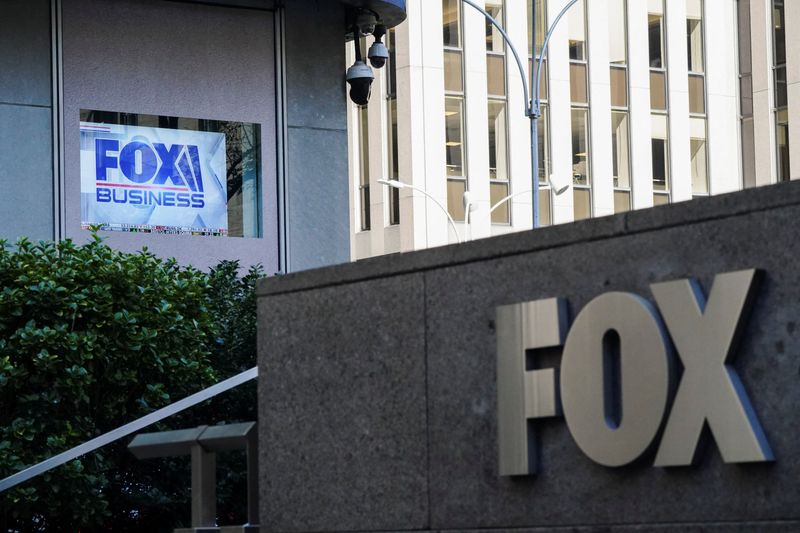
White House Cage Fight Is ‘Going to Happen,’ Says UFC Boss
Written by Emily J. Thompson, Senior Investment Analyst
Updated: Aug 12 2025
0mins


Should l Buy ORCL?
Source: WSJ
Cage Fight Proposal: The president has suggested the idea of a cage fight at the White House, which sounds outrageous but has been confirmed by UFC president Dana White as a real possibility.
Public Reaction: This unusual proposal has sparked discussions and reactions, highlighting the blend of politics and entertainment in contemporary culture.
Trade with 70% Backtested Accuracy
Stop guessing "Should I Buy ORCL?" and start using high-conviction signals backed by rigorous historical data.
Sign up today to access powerful investing tools and make smarter, data-driven decisions.
Analyst Views on ORCL
Wall Street analysts forecast ORCL stock price to rise
34 Analyst Rating
25 Buy
9 Hold
0 Sell
Moderate Buy
Current: 139.660

Low
180.00
Averages
309.59
High
400.00
Current: 139.660
Low
180.00
Averages
309.59
High
400.00
About ORCL
Oracle Corporation offers integrated suites of applications plus secure, autonomous infrastructure in the Oracle Cloud. The Company operates through three businesses: cloud and license, hardware and service. Its cloud and license business is engaged in the sale, marketing and delivery of its enterprise applications and infrastructure technologies through cloud and on-premise deployment models including its cloud services and license support offerings, and its cloud license and on-premise license offerings. Its hardware business provides infrastructure technologies including Oracle Engineered Systems, servers, storage, industry-specific hardware, operating systems, virtualization, management and other hardware-related software to support diverse IT environments. Its services business provides services to customers and partners to help maximize the performance of their investments in Oracle applications and infrastructure technologies.
About the author

Emily J. Thompson
Emily J. Thompson, a Chartered Financial Analyst (CFA) with 12 years in investment research, graduated with honors from the Wharton School. Specializing in industrial and technology stocks, she provides in-depth analysis for Intellectia’s earnings and market brief reports.

AI Stock Pullback Presents Investment Opportunities


- Market Pullback: The S&P 500 has pulled back 7% year-to-date, with AI stocks like Microsoft and Palantir down 26% and nearly 20%, respectively, indicating a market reassessment of these high-valuation stocks that may dampen investor confidence in the short term.
- Investor Sentiment Shift: Despite the AI sector facing a reality check similar to the dot-com bubble of 2000, the strong demand for AI solutions suggests that this pullback could be short-lived, presenting a potential entry point for investors.
- Optimistic Earnings Projections: Analysts expect Nvidia to report earnings of $8.27 per share for the current fiscal year, a 74% increase year-over-year, while Microsoft's revenue growth is projected to exceed 16%, indicating that despite high valuations, future profit potential remains robust.
- Market Repricing Process: Many analysts believe the current price adjustments are more of a
See More

Market Dynamics of Artificial Intelligence Stocks
- Market Pullback Analysis: The S&P 500 has seen a 7% year-to-date decline as AI stocks are perceived as liabilities, with Microsoft down 26% from last year-end, indicating heightened investor concerns over high valuations that may lead to short-term market volatility.
- Optimistic Earnings Projections: Despite facing a price reset, analysts expect Nvidia to report earnings of $8.27 per share for the current fiscal year, a 74% increase year-over-year, suggesting that the market remains optimistic about the profitability of the AI sector, potentially attracting more investor interest.
- Improved Industry Fundamentals: Unlike the dot-com bubble of the late 1990s, current AI companies possess real cash flows and stronger fundamentals, allowing them to remain stable during adjustments and reducing investment risks.
- Emerging Investment Opportunities: Although enthusiasm for AI stocks has waned, the long-term outlook remains positive as the market gains a clearer understanding of these companies' profit potential, presenting savvy investors with opportunities to identify undervalued investments.
See More

Opportunity Amid AI Stock Pullback

- Market Pullback Impact: The S&P 500 has pulled back 7% year-to-date, with AI stocks like Microsoft and Palantir down 26% and nearly 20% respectively, indicating investor concerns over high valuations that may lead to a portfolio reassessment.
- Investor Sentiment Shift: Despite the AI sector undergoing a reality check akin to the 2000 dot-com bubble, the strong demand for AI solutions suggests that this pullback could represent a short-term opportunity rather than a long-term crisis.
- Optimistic Earnings Projections: Analysts forecast Nvidia's earnings per share to reach $8.27 for the current fiscal year, a 74% increase, while Microsoft's revenue growth is expected to exceed 16%, indicating that despite high current valuations, future profit potential remains strong.
- Market Adjustment Signals: The current price
See More
Oracle Corporation Securities Fraud Class Action Lawsuit Filed

- Class Action Initiated: Kessler Topaz Meltzer & Check, LLP has filed a securities fraud class action lawsuit against Oracle Corporation on behalf of investors who purchased securities between June 12, 2025, and December 16, 2025, indicating serious concerns over the company's financial transparency.
- False Statements Allegations: The lawsuit alleges that Oracle misled investors by promoting its AI infrastructure strategy, claiming that capital expenditures would lead to rapid revenue growth, while in reality, spending surged without corresponding revenue increases, exposing investors to significant financial risks.
- Stock Price Decline Impact: On September 24, 2025, Oracle's stock price fell by $5.37, nearly 2%, following warnings from S&P Global Ratings, highlighting market concerns about the company's future revenue dependence on OpenAI, which intensified investor anxiety.
- Funding Withdrawal: On December 17, 2025, Blue Owl Capital withdrew its funding for Oracle's $10 billion data center project, causing the stock to drop another $10.19, approximately 5.4%, reflecting a severe lack of confidence in Oracle's financial health among investors.
See More

Oracle Corporation Class Action Reminder for Investors
- Lawsuit Background: Glancy Prongay Wolke & Rotter LLP reminds investors that April 6, 2026, is the deadline to file a lead plaintiff motion in the class action for those who purchased Oracle securities between June 12 and December 16, 2025, indicating potential claims for losses.
- Stock Price Volatility: On September 25, 2025, Oracle's stock fell 5.6% to $291.33 after analysts warned that future growth was overestimated, reflecting shaken market confidence in the company's AI strategy.
- Financial Shortfalls: Oracle's December 10, 2025, earnings report missed revenue and CapEx estimates, causing a 10.8% drop in stock price to $198.85, highlighting increasing financial pressures on the company.
- Funding Risks: On December 17, 2025, Oracle's primary financial backer, Blue Owl Capital, withdrew from a $10 billion data center funding, leading to a further 5.4% decline in stock price to $178.46, underscoring risks related to spending commitments and rising debt levels.
See More
Multiple Companies Face Class Action Lawsuits

- Class Action Overview: The Law Offices of Frank R. Cruz remind investors of class action lawsuits filed against BlackRock TCP Capital Corp., Oracle Corporation, Paysafe Limited, and Inovio Pharmaceuticals, urging investors to file lead plaintiff motions by the specified deadlines to protect their legal rights.
- BlackRock TCP Capital: During the period from November 6, 2024, to January 23, 2026, the lawsuit alleges that the company failed to timely and appropriately value its investments, leading to understated unrealized losses and overstated net asset value, which misled investors in their decision-making.
- Oracle Corporation: From June 12, 2025, to December 16, 2025, the lawsuit claims that Oracle's AI infrastructure strategy resulted in massive capital expenditure increases without corresponding revenue growth, heightening the company's debt risks and impacting its financial stability.
- Paysafe and Inovio: Paysafe faces allegations during the period from March 4, 2025, to November 12, 2025, for failing to disclose significant reliance on high-risk clients, potentially negatively impacting revenue growth; meanwhile, Inovio is accused of manufacturing deficiencies from October 10, 2023, to December 26, 2025, which may affect the timeliness and success of its FDA application.
See More
AI Stock Pullback Presents Investment Opportunities
- Market Pullback: The S&P 500 has pulled back 7% year-to-date, with AI stocks like Microsoft and Palantir down 26% and nearly 20%, respectively, indicating a market reassessment of these high-valuation stocks that may dampen investor confidence in the short term.
- Investor Sentiment Shift: Despite the AI sector facing a reality check similar to the dot-com bubble of 2000, the strong demand for AI solutions suggests that this pullback could be short-lived, presenting a potential entry point for investors.
- Optimistic Earnings Projections: Analysts expect Nvidia to report earnings of $8.27 per share for the current fiscal year, a 74% increase year-over-year, while Microsoft's revenue growth is projected to exceed 16%, indicating that despite high valuations, future profit potential remains robust.
- Market Repricing Process: Many analysts believe the current price adjustments are more of a
See More
Market Dynamics of Artificial Intelligence Stocks
- Market Pullback Analysis: The S&P 500 has seen a 7% year-to-date decline as AI stocks are perceived as liabilities, with Microsoft down 26% from last year-end, indicating heightened investor concerns over high valuations that may lead to short-term market volatility.
- Optimistic Earnings Projections: Despite facing a price reset, analysts expect Nvidia to report earnings of $8.27 per share for the current fiscal year, a 74% increase year-over-year, suggesting that the market remains optimistic about the profitability of the AI sector, potentially attracting more investor interest.
- Improved Industry Fundamentals: Unlike the dot-com bubble of the late 1990s, current AI companies possess real cash flows and stronger fundamentals, allowing them to remain stable during adjustments and reducing investment risks.
- Emerging Investment Opportunities: Although enthusiasm for AI stocks has waned, the long-term outlook remains positive as the market gains a clearer understanding of these companies' profit potential, presenting savvy investors with opportunities to identify undervalued investments.
See More
Opportunity Amid AI Stock Pullback
- Market Pullback Impact: The S&P 500 has pulled back 7% year-to-date, with AI stocks like Microsoft and Palantir down 26% and nearly 20% respectively, indicating investor concerns over high valuations that may lead to a portfolio reassessment.
- Investor Sentiment Shift: Despite the AI sector undergoing a reality check akin to the 2000 dot-com bubble, the strong demand for AI solutions suggests that this pullback could represent a short-term opportunity rather than a long-term crisis.
- Optimistic Earnings Projections: Analysts forecast Nvidia's earnings per share to reach $8.27 for the current fiscal year, a 74% increase, while Microsoft's revenue growth is expected to exceed 16%, indicating that despite high current valuations, future profit potential remains strong.
- Market Adjustment Signals: The current price
See More
Oracle Corporation Securities Fraud Class Action Lawsuit Filed
- Class Action Initiated: Kessler Topaz Meltzer & Check, LLP has filed a securities fraud class action lawsuit against Oracle Corporation on behalf of investors who purchased securities between June 12, 2025, and December 16, 2025, indicating serious concerns over the company's financial transparency.
- False Statements Allegations: The lawsuit alleges that Oracle misled investors by promoting its AI infrastructure strategy, claiming that capital expenditures would lead to rapid revenue growth, while in reality, spending surged without corresponding revenue increases, exposing investors to significant financial risks.
- Stock Price Decline Impact: On September 24, 2025, Oracle's stock price fell by $5.37, nearly 2%, following warnings from S&P Global Ratings, highlighting market concerns about the company's future revenue dependence on OpenAI, which intensified investor anxiety.
- Funding Withdrawal: On December 17, 2025, Blue Owl Capital withdrew its funding for Oracle's $10 billion data center project, causing the stock to drop another $10.19, approximately 5.4%, reflecting a severe lack of confidence in Oracle's financial health among investors.
See More
Oracle Corporation Class Action Reminder for Investors
- Lawsuit Background: Glancy Prongay Wolke & Rotter LLP reminds investors that April 6, 2026, is the deadline to file a lead plaintiff motion in the class action for those who purchased Oracle securities between June 12 and December 16, 2025, indicating potential claims for losses.
- Stock Price Volatility: On September 25, 2025, Oracle's stock fell 5.6% to $291.33 after analysts warned that future growth was overestimated, reflecting shaken market confidence in the company's AI strategy.
- Financial Shortfalls: Oracle's December 10, 2025, earnings report missed revenue and CapEx estimates, causing a 10.8% drop in stock price to $198.85, highlighting increasing financial pressures on the company.
- Funding Risks: On December 17, 2025, Oracle's primary financial backer, Blue Owl Capital, withdrew from a $10 billion data center funding, leading to a further 5.4% decline in stock price to $178.46, underscoring risks related to spending commitments and rising debt levels.
See More
Multiple Companies Face Class Action Lawsuits
- Class Action Overview: The Law Offices of Frank R. Cruz remind investors of class action lawsuits filed against BlackRock TCP Capital Corp., Oracle Corporation, Paysafe Limited, and Inovio Pharmaceuticals, urging investors to file lead plaintiff motions by the specified deadlines to protect their legal rights.
- BlackRock TCP Capital: During the period from November 6, 2024, to January 23, 2026, the lawsuit alleges that the company failed to timely and appropriately value its investments, leading to understated unrealized losses and overstated net asset value, which misled investors in their decision-making.
- Oracle Corporation: From June 12, 2025, to December 16, 2025, the lawsuit claims that Oracle's AI infrastructure strategy resulted in massive capital expenditure increases without corresponding revenue growth, heightening the company's debt risks and impacting its financial stability.
- Paysafe and Inovio: Paysafe faces allegations during the period from March 4, 2025, to November 12, 2025, for failing to disclose significant reliance on high-risk clients, potentially negatively impacting revenue growth; meanwhile, Inovio is accused of manufacturing deficiencies from October 10, 2023, to December 26, 2025, which may affect the timeliness and success of its FDA application.
See More