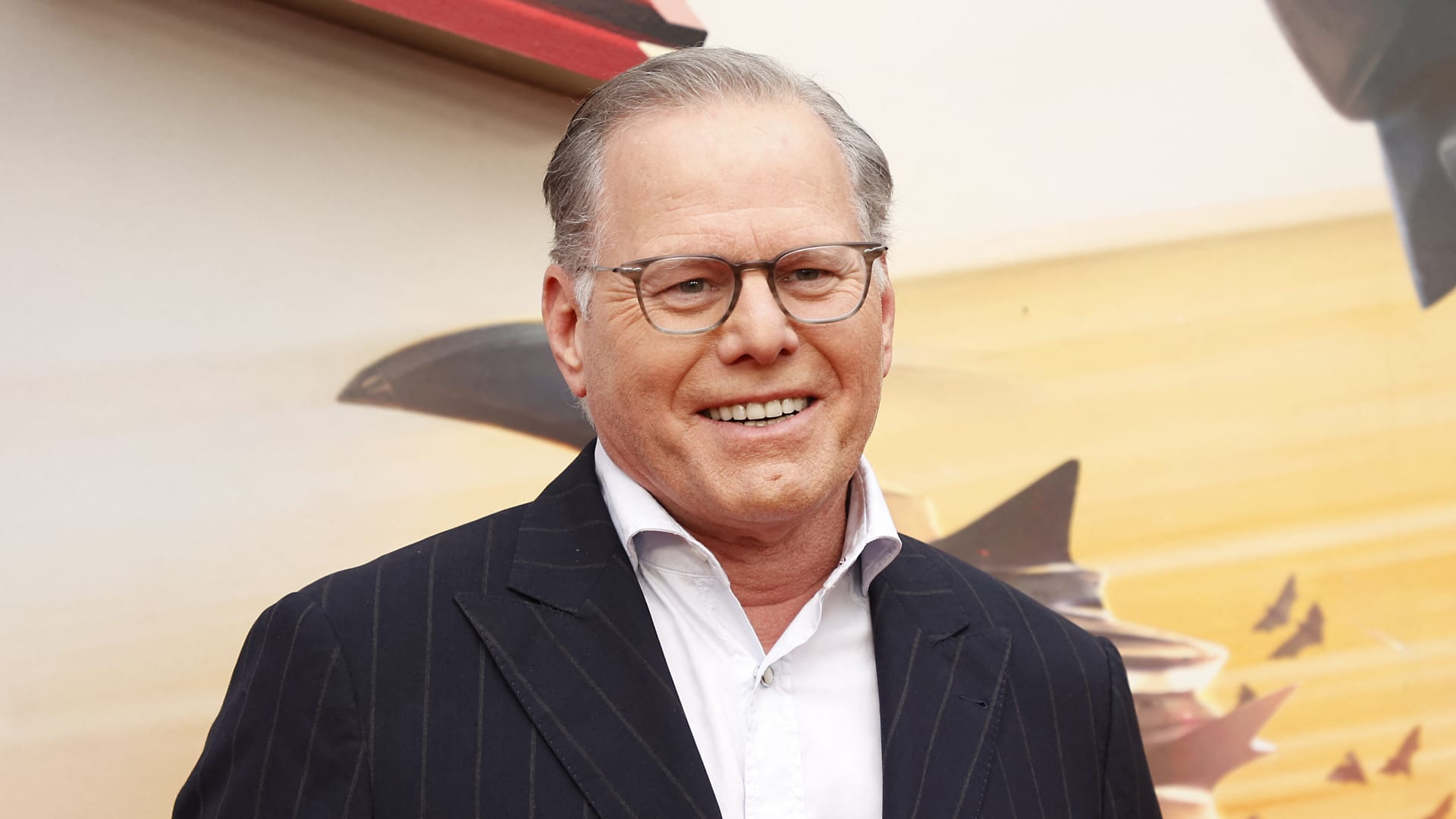
Warner Bros. CEO Zaslav Could Earn $887 Million from Paramount Deal
Written by Emily J. Thompson, Senior Investment Analyst
Updated: 1 hour ago
0mins
Should l Buy WBD?
Source: CNBC
- Potential Payout Amount: Warner Bros. CEO David Zaslav stands to gain over $887 million from the Paramount deal, which includes approximately $500 million in stock awards and $115 million in vested stock awards, highlighting the complexity and incentives of executive compensation structures.
- Tax Implications Analysis: Zaslav's payout includes up to $335 million in 'golden parachute' tax reimbursements, a tax rule designed to limit excessive executive payouts during control changes, yet it may inadvertently incentivize executives to sell companies for higher rewards.
- Transaction Structure Details: Paramount has agreed to cover Zaslav's tax reimbursements, ensuring he is not burdened by tax liabilities post-deal, with the reimbursement declining before the deal closes in 2027, reflecting the company's commitment to protecting executive interests.
- Industry Reactions: Management experts argue that golden parachute rules have not effectively curtailed executive pay but rather led companies and shareholders to incur higher costs for special taxes, exacerbating the incentive mechanisms for executives, resulting in what is termed 'platinum parachutes'.
Trade with 70% Backtested Accuracy
Stop guessing "Should I Buy WBD?" and start using high-conviction signals backed by rigorous historical data.
Sign up today to access powerful investing tools and make smarter, data-driven decisions.
Analyst Views on WBD
Wall Street analysts forecast WBD stock price to fall
14 Analyst Rating
5 Buy
9 Hold
0 Sell
Moderate Buy
Current: 27.630

Low
14.75
Averages
24.98
High
30.00
Current: 27.630
Low
14.75
Averages
24.98
High
30.00
About WBD
Warner Bros. Discovery, Inc. is a global media and entertainment company that creates and distributes a portfolio of branded content across television, film, streaming and gaming. The Company's segments include Studios, Networks and DTC. Studios segment primarily consists of the production and release of feature films for initial exhibition in theaters, production and initial licensing of television programs to its networks/DTC services as well as third parties, distribution of its films and television programs to various third party and internal television and streaming services, distribution through the home entertainment market, and others. Networks segment primarily consists of its domestic and international television networks. DTC segment primarily consists of its premium pay-TV and streaming services. Its brands and products include Discovery Channel, Max, DC, TNT Sports, Eurosport, HBO, HGTV, Food Network, OWN, Investigation Discovery, TLC, Warner Bros., and Cartoon Network.
About the author

Emily J. Thompson
Emily J. Thompson, a Chartered Financial Analyst (CFA) with 12 years in investment research, graduated with honors from the Wharton School. Specializing in industrial and technology stocks, she provides in-depth analysis for Intellectia’s earnings and market brief reports.
Warner Bros. CEO Zaslav Could Earn $887 Million from Paramount Deal


- Potential Payout Amount: Warner Bros. CEO David Zaslav stands to gain over $887 million from the Paramount deal, which includes approximately $500 million in stock awards and $115 million in vested stock awards, highlighting the complexity and incentives of executive compensation structures.
- Tax Implications Analysis: Zaslav's payout includes up to $335 million in 'golden parachute' tax reimbursements, a tax rule designed to limit excessive executive payouts during control changes, yet it may inadvertently incentivize executives to sell companies for higher rewards.
- Transaction Structure Details: Paramount has agreed to cover Zaslav's tax reimbursements, ensuring he is not burdened by tax liabilities post-deal, with the reimbursement declining before the deal closes in 2027, reflecting the company's commitment to protecting executive interests.
- Industry Reactions: Management experts argue that golden parachute rules have not effectively curtailed executive pay but rather led companies and shareholders to incur higher costs for special taxes, exacerbating the incentive mechanisms for executives, resulting in what is termed 'platinum parachutes'.
See More
Zaslav Could Receive Over $800 Million Payout from Paramount Skydance Merger
- Potential Payout Amount: According to SEC filings, Zaslav's payout from the Paramount acquisition is expected to exceed $800 million, including approximately $500 million in stock awards and $115 million in vested stock awards, highlighting the complexity and incentives within executive compensation structures.
- Golden Parachute Clause: The deal includes up to $335 million in potential excise tax reimbursement for Zaslav, a provision designed to limit excessive executive payouts during changes in company control, reflecting ongoing regulatory challenges regarding executive compensation.
- Tax Reimbursement Arrangement: Paramount has agreed to cover Zaslav's excise tax if his other payments trigger it, with the reimbursement declining over time and dropping to zero if the deal closes in 2027, indicating a cautious approach to managing executive pay.
- Executive Compensation Incentives: Management experts argue that golden parachute rules incentivize CEOs to sell their companies for higher rewards, despite potential layoffs and negative impacts on employees, underscoring the inherent inequities in executive compensation structures.
See More

Impact of Netflix's Failed Warner Bros. Acquisition
- Acquisition Intent and Market Reaction: Netflix's intention to acquire Warner Bros. for $83 billion was thwarted by Paramount Skydance, leading to a lukewarm response from investors; however, Netflix's stock has regained about half of its losses, reflecting concerns about its future competitiveness.
- Financial Flexibility Enhanced: By not acquiring Warner, Netflix avoids incurring billions in debt, maintaining financial flexibility that allows for better investments in new ventures like live sports, advertising, and content development, thereby enhancing its market competitiveness.
- Growth Expectations and Analyst Ratings: Despite the failed acquisition, analysts expect Netflix's revenue to grow over 13% this year and nearly 12% next year, with the majority rating its stock as a strong buy and a target price of $113.09, which is 20% above its current price.
- Industry Integration Challenges: The acquisition could have posed significant challenges in integrating different brands and business units, as consumers are already overwhelmed by too many streaming options; Netflix can now focus on organic growth without the potential integration headaches.
See More

Netflix's Strategic Analysis on Abandoning Warner Bros Acquisition
- Acquisition Intent and Market Reaction: Netflix initially aimed to acquire Warner Bros for $83 billion but was outbid by Paramount Skydance; despite shareholder opposition, Netflix's stock has regained about half of its losses, reflecting market concerns about its future competitiveness.
- Financial Burden and Integration Challenges: Had the acquisition succeeded, Netflix would have faced significant debt, as Warner Bros generated just over $20 billion in revenue last year, raising doubts about the cost-effectiveness of the deal and potentially limiting Netflix's future financial flexibility.
- Market Opportunities and Strategic Shift: By abandoning the acquisition, Netflix can focus on organic growth initiatives such as live sports, advertising, and content development, which, while requiring more time, should enhance its market position and profitability in the long run.
- Analyst Expectations and Stock Potential: Although Netflix's stock is down nearly 10% since the acquisition news, analysts expect revenue growth exceeding 13%, with a target price of $113.09, indicating strong market confidence in its future growth prospects.
See More
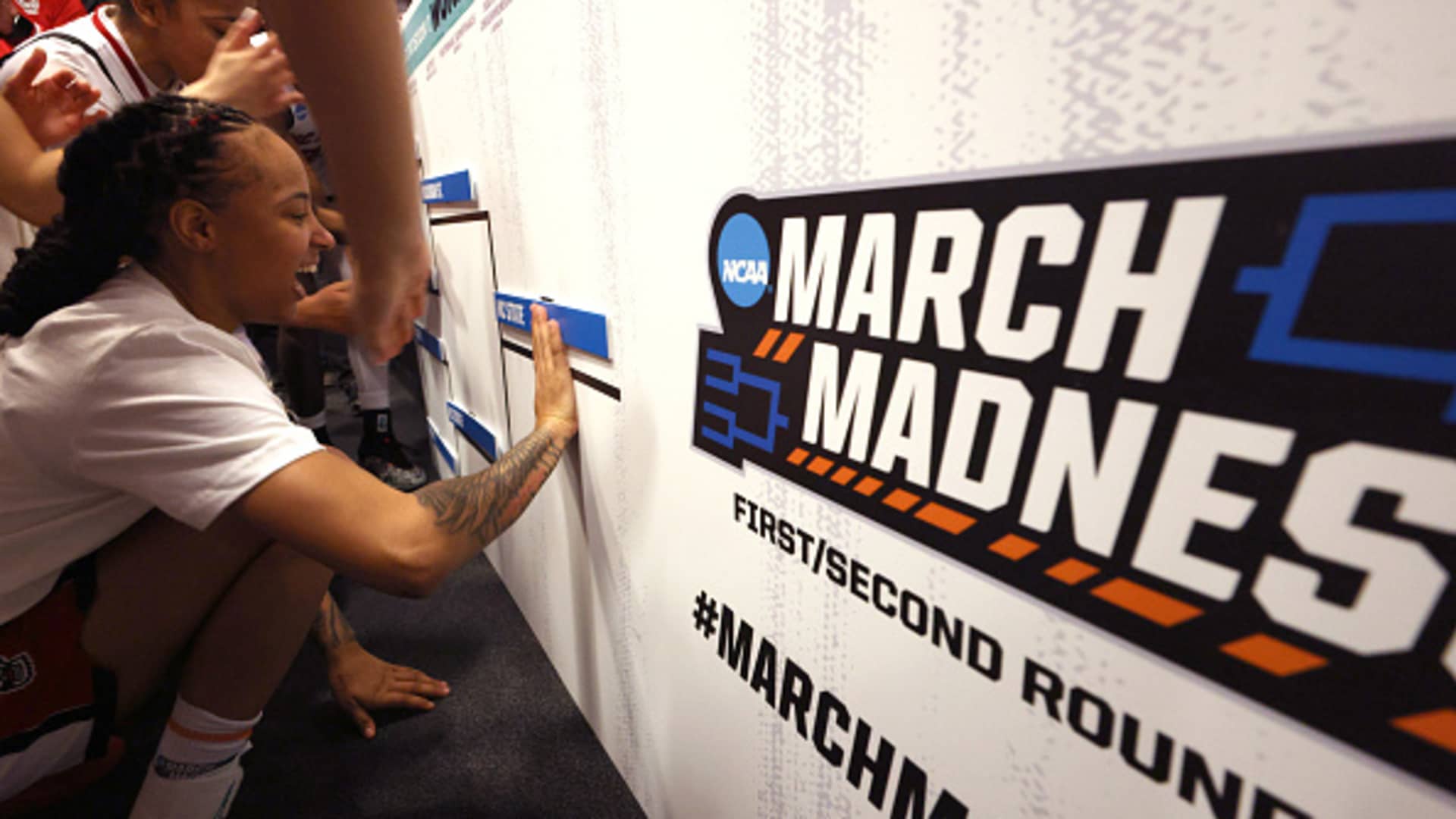
Impact of NIL on Cinderella Stories in March Madness

- NIL's Competitive Impact: With the introduction of NIL (name, image, and likeness) compensation, former coach Jim Boeheim stated that schools need to invest at least $10 million to compete for a national championship, which would require men's basketball to consume 50% of the total budget.
- Disappearance of Cinderella Stories: Successes of mid-major schools like VCU are seen as vital marketing tools; however, Boeheim warns that the influence of NIL may make it increasingly difficult for these schools to replicate past glories, leading to the potential disappearance of Cinderella stories.
- Unequal Funding Distribution: VCU spent about $5 million on men's basketball this season, but under the NIL framework, top players are more likely to transfer to wealthier schools, undermining the competitiveness of mid-major programs.
- Viewership Ratings Paradox: Despite last year's tournament featuring almost no upsets, it achieved the highest ratings since 1993, with CBS Sports President noting that viewers prefer watching powerhouse teams, which may further dim the future of Cinderella stories.
See More

Investment Opportunities in Netflix and Amazon Stocks

- Netflix Shareholder Relief: Despite losing an $111 billion bidding war to Paramount Skydance, Netflix's stock rose, reflecting investor confidence in the company's independent growth, especially with free cash flow hitting $9 billion and revenue growing at 17%, indicating resilience in its business model.
- Amazon's Capital Expenditure Plan: Amazon's $200 billion investment plan for AI data centers by 2026 has made investors uneasy, but history shows that Amazon often achieves innovative breakthroughs following large-scale investments, further solidifying its leadership in the global retail market.
- Market Performance Comparison: Over the past decade, Amazon's stock has risen by 670%, while Netflix's has increased by 845%, and although both stocks have seen declines in the short term, long-term investors can seize current buying opportunities, particularly given the discounts created by market volatility.
- Technology Integration Strategy: Amazon CEO Andy Jassy's consolidation of quantum computing, custom silicon, and AI model development under one executive suggests a future focus on tighter integration of these technologies, potentially leading to greater synergies in cloud computing and AI sectors.
See More
Warner Bros. CEO Zaslav Could Earn $887 Million from Paramount Deal
- Potential Payout Amount: Warner Bros. CEO David Zaslav stands to gain over $887 million from the Paramount deal, which includes approximately $500 million in stock awards and $115 million in vested stock awards, highlighting the complexity and incentives of executive compensation structures.
- Tax Implications Analysis: Zaslav's payout includes up to $335 million in 'golden parachute' tax reimbursements, a tax rule designed to limit excessive executive payouts during control changes, yet it may inadvertently incentivize executives to sell companies for higher rewards.
- Transaction Structure Details: Paramount has agreed to cover Zaslav's tax reimbursements, ensuring he is not burdened by tax liabilities post-deal, with the reimbursement declining before the deal closes in 2027, reflecting the company's commitment to protecting executive interests.
- Industry Reactions: Management experts argue that golden parachute rules have not effectively curtailed executive pay but rather led companies and shareholders to incur higher costs for special taxes, exacerbating the incentive mechanisms for executives, resulting in what is termed 'platinum parachutes'.
See More
Zaslav Could Receive Over $800 Million Payout from Paramount Skydance Merger
- Potential Payout Amount: According to SEC filings, Zaslav's payout from the Paramount acquisition is expected to exceed $800 million, including approximately $500 million in stock awards and $115 million in vested stock awards, highlighting the complexity and incentives within executive compensation structures.
- Golden Parachute Clause: The deal includes up to $335 million in potential excise tax reimbursement for Zaslav, a provision designed to limit excessive executive payouts during changes in company control, reflecting ongoing regulatory challenges regarding executive compensation.
- Tax Reimbursement Arrangement: Paramount has agreed to cover Zaslav's excise tax if his other payments trigger it, with the reimbursement declining over time and dropping to zero if the deal closes in 2027, indicating a cautious approach to managing executive pay.
- Executive Compensation Incentives: Management experts argue that golden parachute rules incentivize CEOs to sell their companies for higher rewards, despite potential layoffs and negative impacts on employees, underscoring the inherent inequities in executive compensation structures.
See More
Impact of Netflix's Failed Warner Bros. Acquisition
- Acquisition Intent and Market Reaction: Netflix's intention to acquire Warner Bros. for $83 billion was thwarted by Paramount Skydance, leading to a lukewarm response from investors; however, Netflix's stock has regained about half of its losses, reflecting concerns about its future competitiveness.
- Financial Flexibility Enhanced: By not acquiring Warner, Netflix avoids incurring billions in debt, maintaining financial flexibility that allows for better investments in new ventures like live sports, advertising, and content development, thereby enhancing its market competitiveness.
- Growth Expectations and Analyst Ratings: Despite the failed acquisition, analysts expect Netflix's revenue to grow over 13% this year and nearly 12% next year, with the majority rating its stock as a strong buy and a target price of $113.09, which is 20% above its current price.
- Industry Integration Challenges: The acquisition could have posed significant challenges in integrating different brands and business units, as consumers are already overwhelmed by too many streaming options; Netflix can now focus on organic growth without the potential integration headaches.
See More
Netflix's Strategic Analysis on Abandoning Warner Bros Acquisition
- Acquisition Intent and Market Reaction: Netflix initially aimed to acquire Warner Bros for $83 billion but was outbid by Paramount Skydance; despite shareholder opposition, Netflix's stock has regained about half of its losses, reflecting market concerns about its future competitiveness.
- Financial Burden and Integration Challenges: Had the acquisition succeeded, Netflix would have faced significant debt, as Warner Bros generated just over $20 billion in revenue last year, raising doubts about the cost-effectiveness of the deal and potentially limiting Netflix's future financial flexibility.
- Market Opportunities and Strategic Shift: By abandoning the acquisition, Netflix can focus on organic growth initiatives such as live sports, advertising, and content development, which, while requiring more time, should enhance its market position and profitability in the long run.
- Analyst Expectations and Stock Potential: Although Netflix's stock is down nearly 10% since the acquisition news, analysts expect revenue growth exceeding 13%, with a target price of $113.09, indicating strong market confidence in its future growth prospects.
See More
Impact of NIL on Cinderella Stories in March Madness
- NIL's Competitive Impact: With the introduction of NIL (name, image, and likeness) compensation, former coach Jim Boeheim stated that schools need to invest at least $10 million to compete for a national championship, which would require men's basketball to consume 50% of the total budget.
- Disappearance of Cinderella Stories: Successes of mid-major schools like VCU are seen as vital marketing tools; however, Boeheim warns that the influence of NIL may make it increasingly difficult for these schools to replicate past glories, leading to the potential disappearance of Cinderella stories.
- Unequal Funding Distribution: VCU spent about $5 million on men's basketball this season, but under the NIL framework, top players are more likely to transfer to wealthier schools, undermining the competitiveness of mid-major programs.
- Viewership Ratings Paradox: Despite last year's tournament featuring almost no upsets, it achieved the highest ratings since 1993, with CBS Sports President noting that viewers prefer watching powerhouse teams, which may further dim the future of Cinderella stories.
See More
Investment Opportunities in Netflix and Amazon Stocks
- Netflix Shareholder Relief: Despite losing an $111 billion bidding war to Paramount Skydance, Netflix's stock rose, reflecting investor confidence in the company's independent growth, especially with free cash flow hitting $9 billion and revenue growing at 17%, indicating resilience in its business model.
- Amazon's Capital Expenditure Plan: Amazon's $200 billion investment plan for AI data centers by 2026 has made investors uneasy, but history shows that Amazon often achieves innovative breakthroughs following large-scale investments, further solidifying its leadership in the global retail market.
- Market Performance Comparison: Over the past decade, Amazon's stock has risen by 670%, while Netflix's has increased by 845%, and although both stocks have seen declines in the short term, long-term investors can seize current buying opportunities, particularly given the discounts created by market volatility.
- Technology Integration Strategy: Amazon CEO Andy Jassy's consolidation of quantum computing, custom silicon, and AI model development under one executive suggests a future focus on tighter integration of these technologies, potentially leading to greater synergies in cloud computing and AI sectors.
See More