War Causes Sharp Decline in Birth Rates in Ukraine and Russia
Written by Emily J. Thompson, Senior Investment Analyst
Updated: Feb 24 2026
0mins

Source: CNBC
- Ukraine's Fertility Rate Plummets: Since Russia's full-scale invasion in February 2022, Ukraine's fertility rate has dropped from 1.22 in 2021 to 1.00 by 2025, with some experts warning it could fall to 0.8-0.9, indicating significant impacts on family expansion and potential future labor shortages.
- Russia's Declining Birth Rate: Russia's fertility rate has also decreased from 1.51 in 2021 to 1.37 in 2025, and despite the Kremlin's initiatives to encourage larger families, the lack of effective results reflects a broader societal insecurity affecting women's decisions to have children.
- Long-term Demographic Consequences of War: The four-year conflict has deterred women in both Ukraine and Russia from having children, leading to greater economic and social pressures in the future, particularly as an aging population increases and the labor market faces significant challenges.
- Resistance to Putin's Birth Policies: Despite various incentives introduced by the Russian government, including cash rewards and tax breaks, the low birth rates persist due to women's feelings of insecurity, raising questions about the effectiveness of these policies in addressing demographic concerns.
Trade with 70% Backtested Accuracy
Stop guessing "Should I Buy NVO?" and start using high-conviction signals backed by rigorous historical data.
Sign up today to access powerful investing tools and make smarter, data-driven decisions.
Analyst Views on NVO
Wall Street analysts forecast NVO stock price to rise
8 Analyst Rating
4 Buy
3 Hold
1 Sell
Moderate Buy
Current: 36.820

Low
42.00
Averages
54.67
High
70.00
Current: 36.820
Low
42.00
Averages
54.67
High
70.00
About NVO
Novo Nordisk A/S is a global healthcare company engaged in diabetes care. The Company is also engaged in the discovery, development, manufacturing and marketing of pharmaceutical products. The Company operates through two business segments: diabetes and obesity care, and biopharmaceuticals. The Company's diabetes and obesity care segment covers insulin, GLP-1, other protein-related products, such as glucagon, protein-related delivery systems and needles, and oral anti-diabetic drugs. The Company's biopharmaceuticals segment covers the therapy areas of hemophilia care, growth hormone therapy and hormone replacement therapy. The Company also offers Saxenda product to treat obesity. It offers a range of products, including NovoLog/NovoRapid; NovoLog Mix/NovoMix; Prandin/NovoNorm; NovoSeven; Norditropin, and Vagifem. As of December 31, 2016, it marketed its products in over 180 countries. Its regional structure consists of two commercial units: North America and International Operations.
About the author

Emily J. Thompson
Emily J. Thompson, a Chartered Financial Analyst (CFA) with 12 years in investment research, graduated with honors from the Wharton School. Specializing in industrial and technology stocks, she provides in-depth analysis for Intellectia’s earnings and market brief reports.
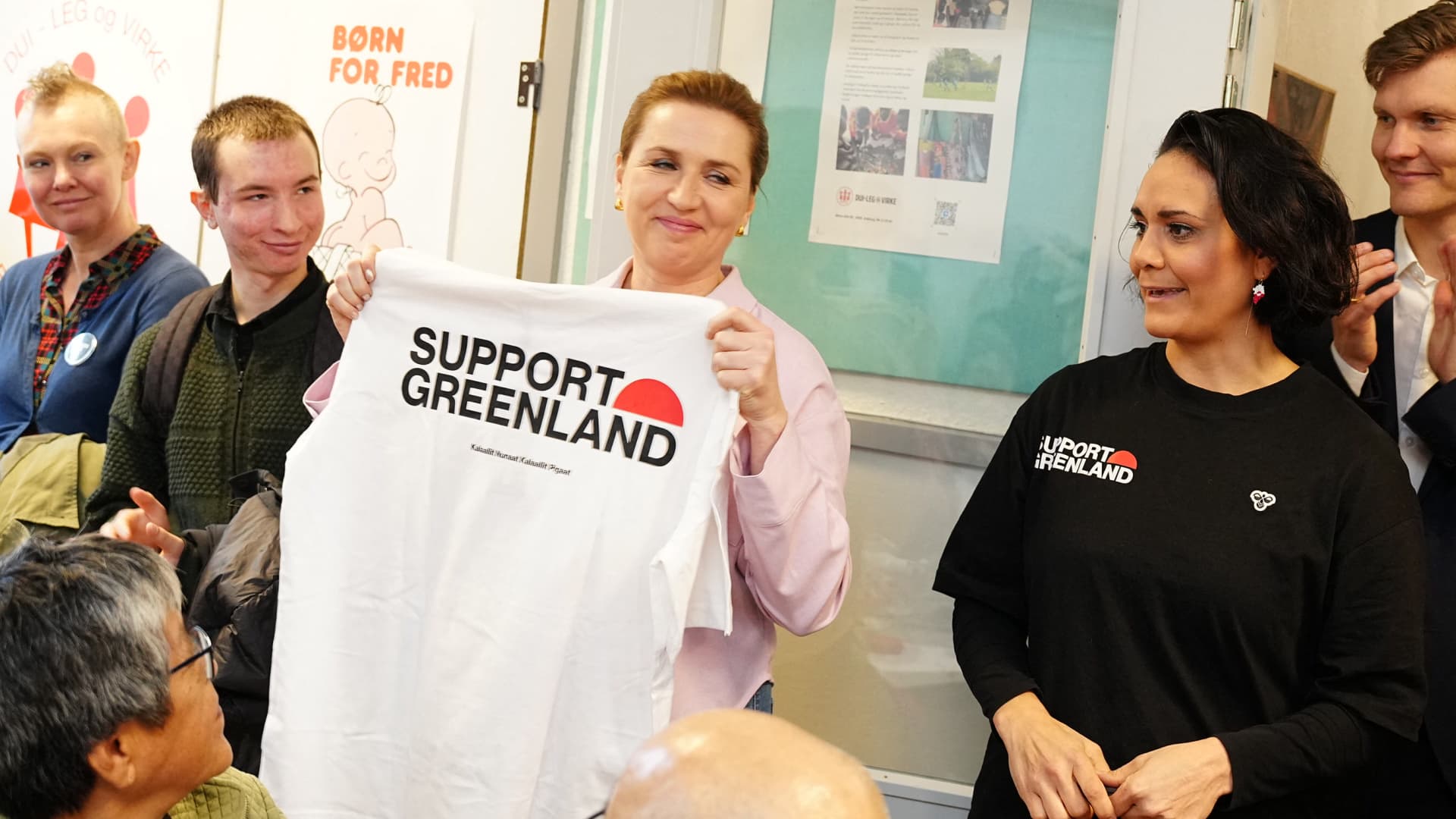
Denmark's Election Results Deal Setback to Frederiksen
- Election Result Analysis: Denmark's Social Democrats secured only 38 seats in the recent election, a significant drop from 50 seats four years ago, marking the party's worst performance since 1903, indicating voter disappointment and dissatisfaction with the government.
- Left Bloc Defeat: Although the left-leaning 'red bloc' captured 84 seats, it fell short of the 90 needed for a majority, while the right-leaning 'blue bloc' obtained 77 seats, creating substantial challenges for future government formation.
- Impact of External Pressures: Frederiksen acknowledged that external shocks, including threats from U.S. President Trump, contributed to a 4 percentage point decline in her party's popularity, reflecting the profound influence of international dynamics on domestic politics.
- Future Negotiation Outlook: With the center-right Moderates winning 14 seats and emerging as potential kingmakers, the coalition talks in the coming weeks will be highly challenging, potentially impacting Denmark's policy direction.
See More

Wegovy HD Approval Boosts Novo Nordisk's Market Position

- Drug Approval: Novo Nordisk's higher-dose weight loss drug Wegovy HD has received regulatory approval, increasing the dosage from 2.4mg to 7.2mg, which is expected to significantly enhance its competitive position in the GLP-1 market and help regain market share.
- Clinical Trial Results: Clinical trials indicate that patients using Wegovy HD lost an average of 20.7% of their body weight, which, while lower than Eli Lilly's Zepbound (22.5%), represents a substantial improvement over the regular Wegovy's average of 15%, thereby providing patients with more flexible options and enhancing Novo Nordisk's market appeal.
- Market Outlook: Despite Novo Nordisk's forecast of a 13% revenue decline by 2026, the launch of Wegovy HD could improve this outlook, especially as the company's stock trades near its 52-week low with a P/E ratio of just 10, reflecting market pessimism about its future.
- Investment Opportunity: For long-term investors, Novo Nordisk's low valuation and over 5% high dividend yield present a compelling investment opportunity, even though it was not included in the current list of top stocks recommended by analysts.
See More
Novo Nordisk's New Drug Approval Boosts Stock Outlook
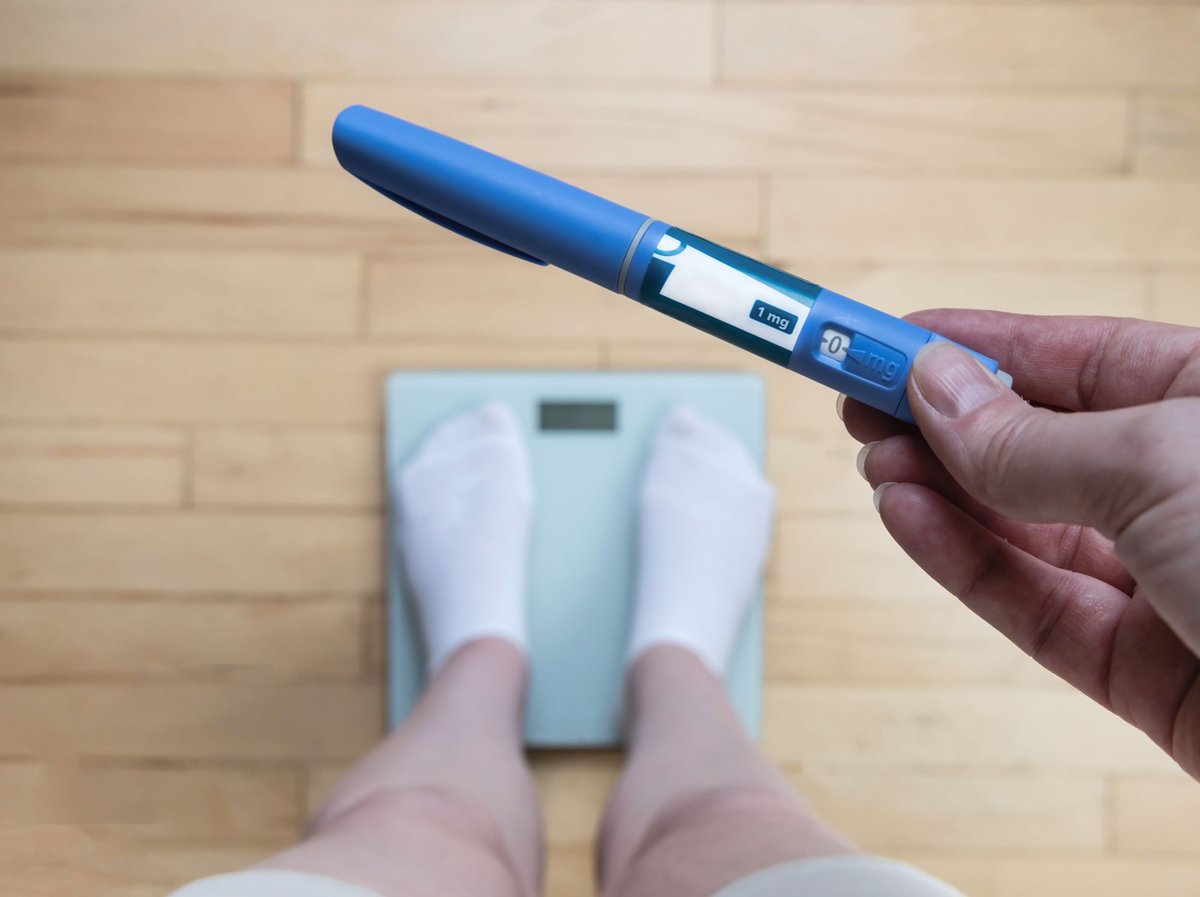
- New Drug Approval: The FDA recently approved Wegovy HD, a higher-dose (7.2 mg) version of Wegovy, which helps patients lose an average of 20.7% of their body weight, although still lower than Eli Lilly's Zepbound (22.5%), it significantly outperforms the regular dose's 15%, enhancing Novo Nordisk's competitive edge.
- Market Share Recovery: The launch of Wegovy HD positions Novo Nordisk to better compete with Eli Lilly in the GLP-1 market, expected to help the company regain market share and improve future financial performance, especially in light of forecasts predicting a 13% revenue decline by 2026.
- Stock Valuation Concerns: Despite the positive news from Wegovy HD's approval, Novo Nordisk's stock remains near its 52-week low, with a price-to-earnings ratio just above 10, indicating that investors are heavily discounting it due to uncertainties and risks ahead, leading to significant undervaluation.
- Long-term Investment Opportunity: For long-term investors, now presents an optimal time to add Novo Nordisk stock to their portfolios, given its low valuation and high dividend yield exceeding 5%, suggesting substantial upside potential in the future.
See More

Global Executives Focus on Opportunities in China Market

- Apple CEO Remarks: At the China Development Forum, Apple CEO Tim Cook highlighted the 'extraordinary' pace of technological progress in China, stating that over 90% of Apple's production is powered by clean energy, demonstrating Apple's ongoing commitment and confidence in the Chinese market.
- Significant Sales Growth: Driven by the iPhone 17 launch, Apple's smartphone sales surged 23% year-on-year in the first nine weeks of 2023, contrasting with a 4% decline in China's overall market, indicating Apple's robust growth potential in a competitive landscape.
- Pharmaceutical Investment Plans: Pharmaceutical giant Eli Lilly announced plans to invest $3 billion in China over the next decade, despite only 3% of its revenue coming from the country last year; the CEO expressed optimism about the potential for its GLP-1 obesity drug in China, reflecting foreign confidence in the market.
- Volkswagen's New Strategy: Volkswagen CEO Oliver Blume stated that the company will launch 20 new models in China this year, despite an 8% drop in passenger car sales last year, emphasizing the importance of a stable market environment for foreign investors and showcasing a long-term commitment to the Chinese market.
See More
Novo Nordisk Advances Next-Gen Obesity Treatments with LX9851 Trial

- Clinical Trial Initiation: Novo Nordisk has announced the initiation of a Phase 1 study for LX9851, an oral non-incretin drug candidate from Lexicon Pharmaceuticals aimed at treating obesity and related metabolic disorders, marking a significant advancement in the company's obesity treatment efforts.
- Milestone Payment Triggered: The start of this trial triggers a second $10 million milestone payment to Lexicon under their licensing agreement signed in March 2025, granting Novo Nordisk exclusive global rights to develop and commercialize the drug, with Lexicon eligible for up to $1 billion in total milestone payments and royalties on future sales.
- Trial Scale and Timeline: The Phase 1 study will evaluate safety and dosing in 96 overweight or obese participants, expected to be completed by early 2027, demonstrating Novo Nordisk's commitment and strategic planning in advancing its drug pipeline.
- Market Reaction and Outlook: While NVO shares fell 1.5%, LXRX's stock rose about 1% in pre-market trading, reflecting market optimism regarding the new drug development and enhancing Novo Nordisk's competitive position in the obesity treatment market.
See More

NASDAQ 100 Pre-Market Indicator Rises by 433.1

- Strong Market Performance: The NASDAQ 100 Pre-Market Indicator rises by 433.1 to 24,331.25, indicating positive investor sentiment that may suggest a strong opening performance.
- Active Stock Trading: ProShares UltraPro QQQ (TQQQ) increases by 2.12 to $45.20 with a trading volume of 23,618,398 shares, representing a 158.29% rise from its 52-week low, reflecting strong demand for tech stocks in the market.
- Optimistic NVIDIA Outlook: NVIDIA (NVDA) climbs by 3.8 to $176.50 with 9,488,230 shares traded, having had 10 upward revisions in earnings forecasts over the past four weeks, indicating market confidence in its future performance with an expected EPS of $1.68 for fiscal 2026.
- NIO Price Recovery: NIO Inc. (NIO) rises by 0.175 to $5.61 with a trading volume of 2,943,318 shares, currently at 85.57% of its target price of $6.55, showing market expectations for its future growth.
See More
Denmark's Election Results Deal Setback to Frederiksen
- Election Result Analysis: Denmark's Social Democrats secured only 38 seats in the recent election, a significant drop from 50 seats four years ago, marking the party's worst performance since 1903, indicating voter disappointment and dissatisfaction with the government.
- Left Bloc Defeat: Although the left-leaning 'red bloc' captured 84 seats, it fell short of the 90 needed for a majority, while the right-leaning 'blue bloc' obtained 77 seats, creating substantial challenges for future government formation.
- Impact of External Pressures: Frederiksen acknowledged that external shocks, including threats from U.S. President Trump, contributed to a 4 percentage point decline in her party's popularity, reflecting the profound influence of international dynamics on domestic politics.
- Future Negotiation Outlook: With the center-right Moderates winning 14 seats and emerging as potential kingmakers, the coalition talks in the coming weeks will be highly challenging, potentially impacting Denmark's policy direction.
See More
Wegovy HD Approval Boosts Novo Nordisk's Market Position
- Drug Approval: Novo Nordisk's higher-dose weight loss drug Wegovy HD has received regulatory approval, increasing the dosage from 2.4mg to 7.2mg, which is expected to significantly enhance its competitive position in the GLP-1 market and help regain market share.
- Clinical Trial Results: Clinical trials indicate that patients using Wegovy HD lost an average of 20.7% of their body weight, which, while lower than Eli Lilly's Zepbound (22.5%), represents a substantial improvement over the regular Wegovy's average of 15%, thereby providing patients with more flexible options and enhancing Novo Nordisk's market appeal.
- Market Outlook: Despite Novo Nordisk's forecast of a 13% revenue decline by 2026, the launch of Wegovy HD could improve this outlook, especially as the company's stock trades near its 52-week low with a P/E ratio of just 10, reflecting market pessimism about its future.
- Investment Opportunity: For long-term investors, Novo Nordisk's low valuation and over 5% high dividend yield present a compelling investment opportunity, even though it was not included in the current list of top stocks recommended by analysts.
See More
Novo Nordisk's New Drug Approval Boosts Stock Outlook
- New Drug Approval: The FDA recently approved Wegovy HD, a higher-dose (7.2 mg) version of Wegovy, which helps patients lose an average of 20.7% of their body weight, although still lower than Eli Lilly's Zepbound (22.5%), it significantly outperforms the regular dose's 15%, enhancing Novo Nordisk's competitive edge.
- Market Share Recovery: The launch of Wegovy HD positions Novo Nordisk to better compete with Eli Lilly in the GLP-1 market, expected to help the company regain market share and improve future financial performance, especially in light of forecasts predicting a 13% revenue decline by 2026.
- Stock Valuation Concerns: Despite the positive news from Wegovy HD's approval, Novo Nordisk's stock remains near its 52-week low, with a price-to-earnings ratio just above 10, indicating that investors are heavily discounting it due to uncertainties and risks ahead, leading to significant undervaluation.
- Long-term Investment Opportunity: For long-term investors, now presents an optimal time to add Novo Nordisk stock to their portfolios, given its low valuation and high dividend yield exceeding 5%, suggesting substantial upside potential in the future.
See More
Global Executives Focus on Opportunities in China Market
- Apple CEO Remarks: At the China Development Forum, Apple CEO Tim Cook highlighted the 'extraordinary' pace of technological progress in China, stating that over 90% of Apple's production is powered by clean energy, demonstrating Apple's ongoing commitment and confidence in the Chinese market.
- Significant Sales Growth: Driven by the iPhone 17 launch, Apple's smartphone sales surged 23% year-on-year in the first nine weeks of 2023, contrasting with a 4% decline in China's overall market, indicating Apple's robust growth potential in a competitive landscape.
- Pharmaceutical Investment Plans: Pharmaceutical giant Eli Lilly announced plans to invest $3 billion in China over the next decade, despite only 3% of its revenue coming from the country last year; the CEO expressed optimism about the potential for its GLP-1 obesity drug in China, reflecting foreign confidence in the market.
- Volkswagen's New Strategy: Volkswagen CEO Oliver Blume stated that the company will launch 20 new models in China this year, despite an 8% drop in passenger car sales last year, emphasizing the importance of a stable market environment for foreign investors and showcasing a long-term commitment to the Chinese market.
See More
Novo Nordisk Advances Next-Gen Obesity Treatments with LX9851 Trial
- Clinical Trial Initiation: Novo Nordisk has announced the initiation of a Phase 1 study for LX9851, an oral non-incretin drug candidate from Lexicon Pharmaceuticals aimed at treating obesity and related metabolic disorders, marking a significant advancement in the company's obesity treatment efforts.
- Milestone Payment Triggered: The start of this trial triggers a second $10 million milestone payment to Lexicon under their licensing agreement signed in March 2025, granting Novo Nordisk exclusive global rights to develop and commercialize the drug, with Lexicon eligible for up to $1 billion in total milestone payments and royalties on future sales.
- Trial Scale and Timeline: The Phase 1 study will evaluate safety and dosing in 96 overweight or obese participants, expected to be completed by early 2027, demonstrating Novo Nordisk's commitment and strategic planning in advancing its drug pipeline.
- Market Reaction and Outlook: While NVO shares fell 1.5%, LXRX's stock rose about 1% in pre-market trading, reflecting market optimism regarding the new drug development and enhancing Novo Nordisk's competitive position in the obesity treatment market.
See More
NASDAQ 100 Pre-Market Indicator Rises by 433.1
- Strong Market Performance: The NASDAQ 100 Pre-Market Indicator rises by 433.1 to 24,331.25, indicating positive investor sentiment that may suggest a strong opening performance.
- Active Stock Trading: ProShares UltraPro QQQ (TQQQ) increases by 2.12 to $45.20 with a trading volume of 23,618,398 shares, representing a 158.29% rise from its 52-week low, reflecting strong demand for tech stocks in the market.
- Optimistic NVIDIA Outlook: NVIDIA (NVDA) climbs by 3.8 to $176.50 with 9,488,230 shares traded, having had 10 upward revisions in earnings forecasts over the past four weeks, indicating market confidence in its future performance with an expected EPS of $1.68 for fiscal 2026.
- NIO Price Recovery: NIO Inc. (NIO) rises by 0.175 to $5.61 with a trading volume of 2,943,318 shares, currently at 85.57% of its target price of $6.55, showing market expectations for its future growth.
See More