Walmart Increases Dividend for 53 Consecutive Years
Written by Emily J. Thompson, Senior Investment Analyst
Updated: 40 minutes ago
0mins
Should l Buy WMT?
Source: NASDAQ.COM
- Dividend Growth Stability: Walmart has increased its dividend for 53 consecutive years despite facing wars, financial crises, and pandemics, demonstrating strong financial resilience and stability, which enhances investor confidence.
- Diversified Revenue Sources: Walmart's global advertising operations generated $6.4 billion in revenue in fiscal 2026, providing additional support for shareholder returns beyond its core retail business, further solidifying its market position.
- Pricing Power Advantage: With 270 million customers visiting weekly, Walmart can exert pricing pressure on suppliers, maintaining low prices and high margins, ensuring profitability even amid tariff and inflationary pressures.
- Membership Driving Sales: The Walmart+ membership service not only generates direct revenue but also increases shopping cart totals, enhancing customer loyalty and is expected to further drive future revenue growth and dividend payment capacity.
Trade with 70% Backtested Accuracy
Stop guessing "Should I Buy WMT?" and start using high-conviction signals backed by rigorous historical data.
Sign up today to access powerful investing tools and make smarter, data-driven decisions.
Analyst Views on WMT
Wall Street analysts forecast WMT stock price to rise
26 Analyst Rating
25 Buy
1 Hold
0 Sell
Strong Buy
Current: 124.820

Low
119.00
Averages
125.75
High
136.00
Current: 124.820
Low
119.00
Averages
125.75
High
136.00
About WMT
Walmart Inc. is a technology-powered omnichannel retailer. The Company is engaged in the operation of retail and wholesale stores and clubs, as well as eCommerce Websites and mobile applications, located throughout the United States (U.S.), Africa, Canada, Central America, Chile, China, India and Mexico. It operates in three reportable segments: Walmart U.S., Walmart International and Sam's Club U.S. The Walmart U.S. segment includes the Company's mass merchandising concept in the U.S., as well as eCommerce, which includes omni-channel initiatives and certain other business offerings such as advertising services. The Walmart International segment consists of the Company's operations outside of the U.S. through its subsidiaries, as well as eCommerce and omni-channel initiatives. The Sam's Club U.S. segment includes the warehouse membership clubs in the U.S., as well as samsclub.com and omni-channel initiatives.
About the author

Emily J. Thompson
Emily J. Thompson, a Chartered Financial Analyst (CFA) with 12 years in investment research, graduated with honors from the Wharton School. Specializing in industrial and technology stocks, she provides in-depth analysis for Intellectia’s earnings and market brief reports.

Walmart to Remodel Nine Stores in New Hampshire

- Store Remodeling Initiative: Walmart plans to remodel nine stores in New Hampshire and open a new pharmacy in Keene, aiming to expand the assortment of healthy foods and trendy items while enhancing both in-store and online shopping experiences.
- Investment and Upgrades: Over the past five years, Walmart has invested more than $82 million in New Hampshire for store upgrades, intending to modernize shopping experiences, improve employee service capabilities, and create local job opportunities.
- Enhanced Customer Experience: The renovations will include wider aisles, modern signage, new digital touchpoints, and improved parking and landscaping, with interactive displays allowing customers to visualize products in their homes.
- Community Contributions: In the past year, Walmart donated $3 million to local nonprofits and provided over 1.8 million pounds of food to combat hunger, demonstrating its commitment to community support.
See More

Walmart Increases Dividend for 53 Consecutive Years
- Dividend Growth Stability: Walmart has increased its dividend for 53 consecutive years despite facing wars, financial crises, and pandemics, demonstrating strong financial resilience and stability, which enhances investor confidence.
- Diversified Revenue Sources: Walmart's global advertising operations generated $6.4 billion in revenue in fiscal 2026, providing additional support for shareholder returns beyond its core retail business, further solidifying its market position.
- Pricing Power Advantage: With 270 million customers visiting weekly, Walmart can exert pricing pressure on suppliers, maintaining low prices and high margins, ensuring profitability even amid tariff and inflationary pressures.
- Membership Driving Sales: The Walmart+ membership service not only generates direct revenue but also increases shopping cart totals, enhancing customer loyalty and is expected to further drive future revenue growth and dividend payment capacity.
See More

Walmart Increases Dividend for 53 Consecutive Years
- Pricing Power Advantage: With 270 million customers visiting weekly, Walmart leverages its strong customer base to exert pricing pressure on suppliers, allowing it to maintain low prices and high margins despite challenges from tariffs and inflation.
- Sustainable Cash Flow: Walmart generates billions in net income annually, supporting shareholder returns through buybacks and dividends; its dividend yield of 0.75% indicates the company is not overextending itself financially.
- Diversified Revenue Streams: Walmart is enhancing revenue through new segments like global advertising, which generated $6.4 billion in fiscal 2026, and Walmart+ memberships that increase shopping cart totals, further boosting income.
- Future Dividend Growth Potential: As long as Walmart's pricing power, revenue generation, and net income remain stable, it is expected to continue increasing its dividend payouts for another 53 years, although its current P/E ratio of 42.3 suggests value investors may want to wait for a better entry point.
See More
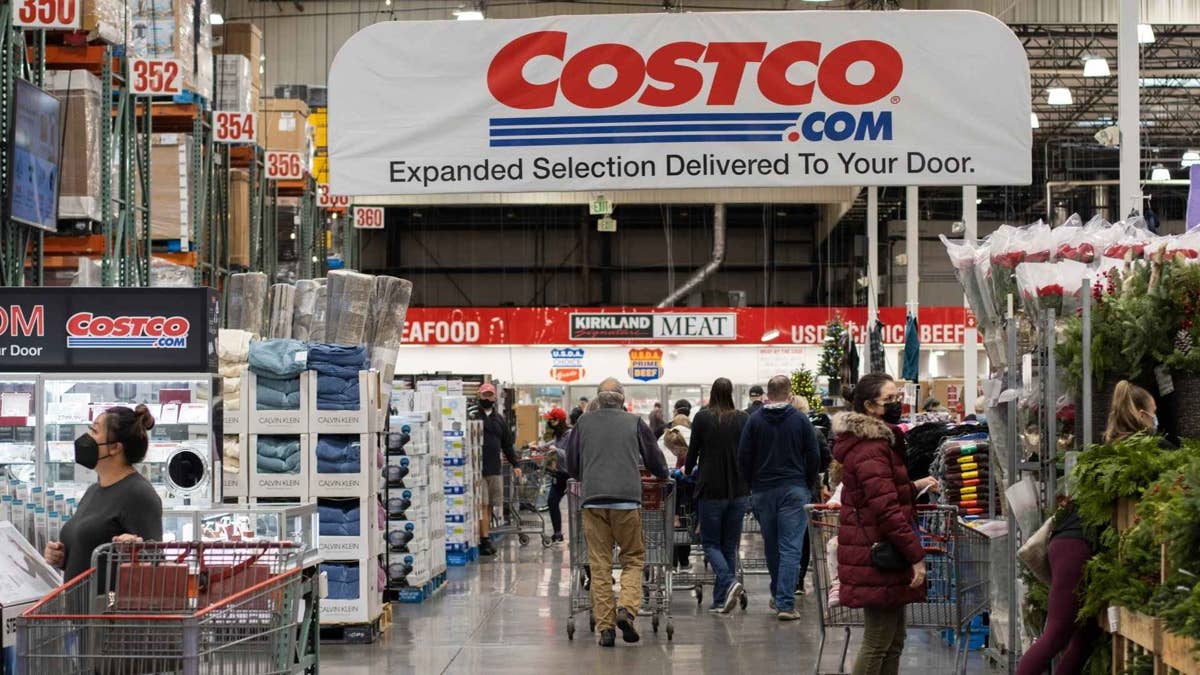
Costco's Low-Price Strategy Drives Membership Growth
- Membership Growth Driver: During strong economic times, Costco's treasure hunt model has attracted more members, with analysts noting that the company continues to deliver compelling value and novelty, thereby enhancing customer shopping consolidation.
- Market Share Increase: Data shows that Costco's market share rose from 7% in the 2020-2021 period to 8.4% in 2024-2025, making it the only retailer in the top 20 to achieve market share growth each year, demonstrating its robust performance in a competitive market.
- Price Competitive Advantage: Costco's grocery prices are 21.4% lower than Walmart's, and it maintains a low-price strategy compared to other major retailers, further solidifying its position as a pricing authority in consumers' minds.
- Commitment to Ongoing Investment: Costco's CEO stated that the company will continue to invest in business expansion while keeping prices low, expecting to achieve good returns through increased member traffic and sales, thereby enhancing its market competitiveness.
See More

Investment Opportunities Amid Inflation Impact

- Walmart's Price Advantage: As one of the largest retailers globally, Walmart is expected to maintain its 'Everyday Low Price' promise despite inflationary pressures, which should help sustain consistent store traffic and revenue growth, leading to strong returns in the coming years.
- Visa's Profit Potential: Visa benefits from inflation as it charges fees on transactions, leading to higher revenue despite potential declines in transaction volume; its vast market potential and deep network effects provide a strong competitive edge during inflationary periods.
- Netflix's Pricing Power: Despite a recent price hike, Netflix continues to see growth in paid subscribers and revenue, leveraging its strong pricing power and content strategy to maintain its leading position in a competitive streaming market.
- Growth in Digital Commerce: Walmart's push into digital commerce is expected to boost revenue and reduce operating costs while enhancing its high-margin advertising business, highlighting its strategic importance in the retail industry's transformation.
See More

Investment Opportunities Amid Inflation
- Walmart's Price Advantage: Despite inflationary pressures, Walmart is expected to maintain its 'Everyday Low Price' guarantee, which should help sustain consistent store traffic and revenue growth, thereby enhancing its competitive edge in the retail market.
- Visa's Revenue Growth: Visa benefits from inflation as it charges fees per transaction, leading to increased revenue; although transaction volumes may decline, its vast addressable market and strong network effects will continue to support profitability.
- Netflix's Pricing Power: Netflix has successfully raised subscription prices while maintaining growth in paid subscribers and revenue, demonstrating its leadership in the streaming market and significant pricing power despite increasing competition.
- Long-Term Investment Potential: Walmart, Visa, and Netflix all exhibit strong long-term growth potential, particularly in an inflationary environment, making them attractive options for risk-averse investors seeking stable dividends and market performance.
See More
Walmart to Remodel Nine Stores in New Hampshire
- Store Remodeling Initiative: Walmart plans to remodel nine stores in New Hampshire and open a new pharmacy in Keene, aiming to expand the assortment of healthy foods and trendy items while enhancing both in-store and online shopping experiences.
- Investment and Upgrades: Over the past five years, Walmart has invested more than $82 million in New Hampshire for store upgrades, intending to modernize shopping experiences, improve employee service capabilities, and create local job opportunities.
- Enhanced Customer Experience: The renovations will include wider aisles, modern signage, new digital touchpoints, and improved parking and landscaping, with interactive displays allowing customers to visualize products in their homes.
- Community Contributions: In the past year, Walmart donated $3 million to local nonprofits and provided over 1.8 million pounds of food to combat hunger, demonstrating its commitment to community support.
See More
Walmart Increases Dividend for 53 Consecutive Years
- Dividend Growth Stability: Walmart has increased its dividend for 53 consecutive years despite facing wars, financial crises, and pandemics, demonstrating strong financial resilience and stability, which enhances investor confidence.
- Diversified Revenue Sources: Walmart's global advertising operations generated $6.4 billion in revenue in fiscal 2026, providing additional support for shareholder returns beyond its core retail business, further solidifying its market position.
- Pricing Power Advantage: With 270 million customers visiting weekly, Walmart can exert pricing pressure on suppliers, maintaining low prices and high margins, ensuring profitability even amid tariff and inflationary pressures.
- Membership Driving Sales: The Walmart+ membership service not only generates direct revenue but also increases shopping cart totals, enhancing customer loyalty and is expected to further drive future revenue growth and dividend payment capacity.
See More
Walmart Increases Dividend for 53 Consecutive Years
- Pricing Power Advantage: With 270 million customers visiting weekly, Walmart leverages its strong customer base to exert pricing pressure on suppliers, allowing it to maintain low prices and high margins despite challenges from tariffs and inflation.
- Sustainable Cash Flow: Walmart generates billions in net income annually, supporting shareholder returns through buybacks and dividends; its dividend yield of 0.75% indicates the company is not overextending itself financially.
- Diversified Revenue Streams: Walmart is enhancing revenue through new segments like global advertising, which generated $6.4 billion in fiscal 2026, and Walmart+ memberships that increase shopping cart totals, further boosting income.
- Future Dividend Growth Potential: As long as Walmart's pricing power, revenue generation, and net income remain stable, it is expected to continue increasing its dividend payouts for another 53 years, although its current P/E ratio of 42.3 suggests value investors may want to wait for a better entry point.
See More
Costco's Low-Price Strategy Drives Membership Growth
- Membership Growth Driver: During strong economic times, Costco's treasure hunt model has attracted more members, with analysts noting that the company continues to deliver compelling value and novelty, thereby enhancing customer shopping consolidation.
- Market Share Increase: Data shows that Costco's market share rose from 7% in the 2020-2021 period to 8.4% in 2024-2025, making it the only retailer in the top 20 to achieve market share growth each year, demonstrating its robust performance in a competitive market.
- Price Competitive Advantage: Costco's grocery prices are 21.4% lower than Walmart's, and it maintains a low-price strategy compared to other major retailers, further solidifying its position as a pricing authority in consumers' minds.
- Commitment to Ongoing Investment: Costco's CEO stated that the company will continue to invest in business expansion while keeping prices low, expecting to achieve good returns through increased member traffic and sales, thereby enhancing its market competitiveness.
See More
Investment Opportunities Amid Inflation Impact
- Walmart's Price Advantage: As one of the largest retailers globally, Walmart is expected to maintain its 'Everyday Low Price' promise despite inflationary pressures, which should help sustain consistent store traffic and revenue growth, leading to strong returns in the coming years.
- Visa's Profit Potential: Visa benefits from inflation as it charges fees on transactions, leading to higher revenue despite potential declines in transaction volume; its vast market potential and deep network effects provide a strong competitive edge during inflationary periods.
- Netflix's Pricing Power: Despite a recent price hike, Netflix continues to see growth in paid subscribers and revenue, leveraging its strong pricing power and content strategy to maintain its leading position in a competitive streaming market.
- Growth in Digital Commerce: Walmart's push into digital commerce is expected to boost revenue and reduce operating costs while enhancing its high-margin advertising business, highlighting its strategic importance in the retail industry's transformation.
See More
Investment Opportunities Amid Inflation
- Walmart's Price Advantage: Despite inflationary pressures, Walmart is expected to maintain its 'Everyday Low Price' guarantee, which should help sustain consistent store traffic and revenue growth, thereby enhancing its competitive edge in the retail market.
- Visa's Revenue Growth: Visa benefits from inflation as it charges fees per transaction, leading to increased revenue; although transaction volumes may decline, its vast addressable market and strong network effects will continue to support profitability.
- Netflix's Pricing Power: Netflix has successfully raised subscription prices while maintaining growth in paid subscribers and revenue, demonstrating its leadership in the streaming market and significant pricing power despite increasing competition.
- Long-Term Investment Potential: Walmart, Visa, and Netflix all exhibit strong long-term growth potential, particularly in an inflationary environment, making them attractive options for risk-averse investors seeking stable dividends and market performance.
See More