Walmart Announces Major Executive Changes Effective February 2026
Written by Emily J. Thompson, Senior Investment Analyst
Updated: Jan 19 2026
0mins
Source: Yahoo Finance
- Executive Appointments: Walmart has announced a series of executive changes, including David Guggina as President and CEO of Walmart US and Seth Dallaire overseeing global enterprise platforms, reflecting the company's emphasis on leadership and internal promotion culture.
- International Leadership: Chris Nicholas will replace Kath McLay as President and CEO of Walmart International, leveraging his extensive experience across multiple countries to drive further growth in Walmart's international operations.
- Strategic Adjustments: The executive changes aim to strengthen Walmart's 'People Led, Tech Powered' operating model, particularly enhancing efficiency in digital, data, and membership-driven retail sectors.
- Leadership Depth: Latrice Watkins has been appointed President and CEO of Sam's Club, showcasing Walmart's commitment to nurturing and utilizing internal talent, thereby reinforcing its competitive advantage in the retail industry.
Trade with 70% Backtested Accuracy
Stop guessing "Should I Buy WMT?" and start using high-conviction signals backed by rigorous historical data.
Sign up today to access powerful investing tools and make smarter, data-driven decisions.
Analyst Views on WMT
Wall Street analysts forecast WMT stock price to rise
26 Analyst Rating
25 Buy
1 Hold
0 Sell
Strong Buy
Current: 121.030

Low
119.00
Averages
125.75
High
136.00
Current: 121.030
Low
119.00
Averages
125.75
High
136.00
About WMT
Walmart Inc. is a technology-powered omnichannel retailer. The Company is engaged in the operation of retail and wholesale stores and clubs, as well as eCommerce Websites and mobile applications, located throughout the United States (U.S.), Africa, Canada, Central America, Chile, China, India and Mexico. It operates in three reportable segments: Walmart U.S., Walmart International and Sam's Club U.S. The Walmart U.S. segment includes the Company's mass merchandising concept in the U.S., as well as eCommerce, which includes omni-channel initiatives and certain other business offerings such as advertising services. The Walmart International segment consists of the Company's operations outside of the U.S. through its subsidiaries, as well as eCommerce and omni-channel initiatives. The Sam's Club U.S. segment includes the warehouse membership clubs in the U.S., as well as samsclub.com and omni-channel initiatives.
About the author

Emily J. Thompson
Emily J. Thompson, a Chartered Financial Analyst (CFA) with 12 years in investment research, graduated with honors from the Wharton School. Specializing in industrial and technology stocks, she provides in-depth analysis for Intellectia’s earnings and market brief reports.
Walmart's Major Summer Sales Event Set to Launch Soon

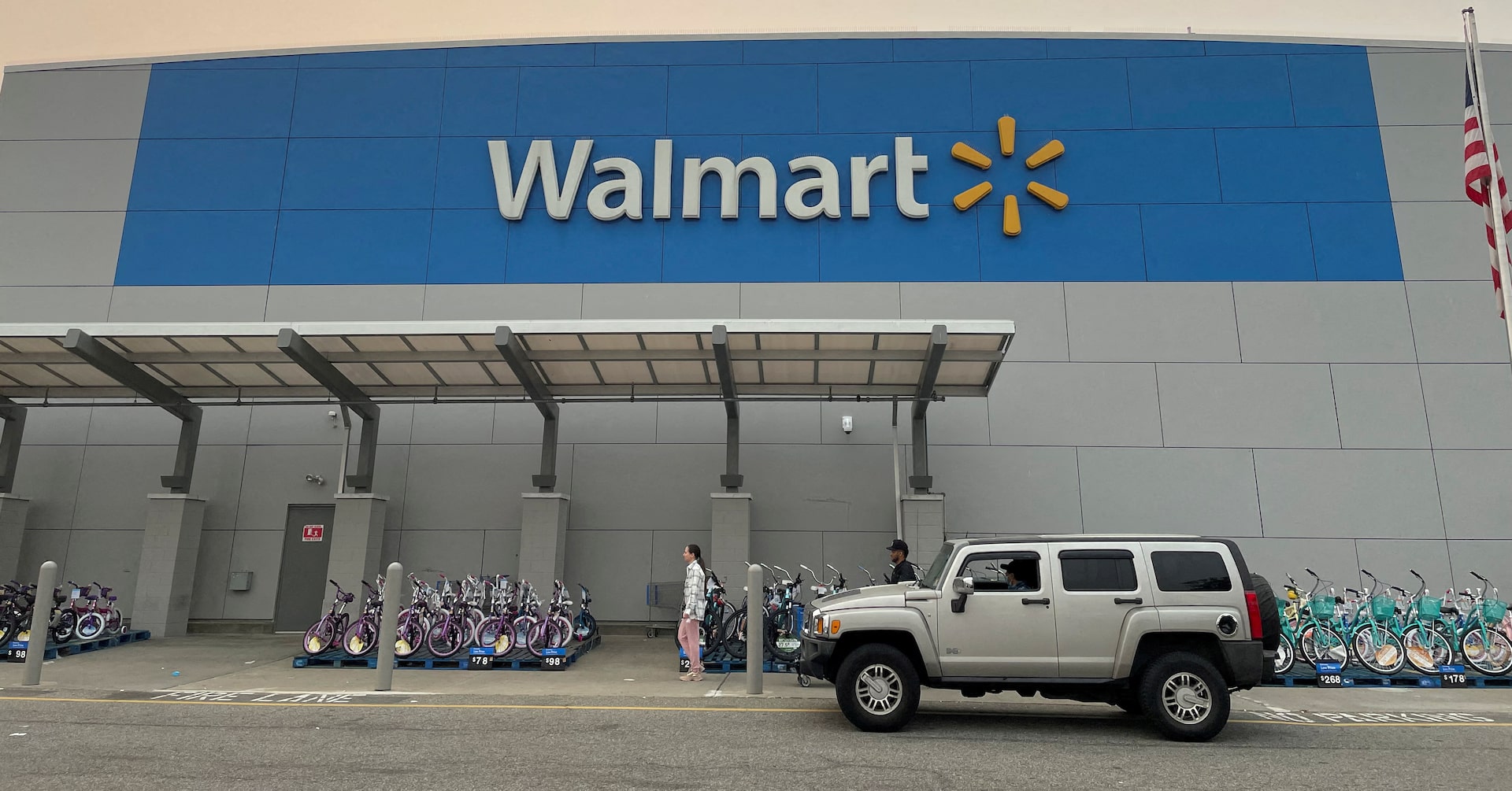
- Event Timing: Walmart's summer sales event, branded as 'Walmart Deals', is scheduled from June 22 to 28, allowing consumers to shop online, via the mobile app, and in stores nationwide, with the online launch at 12:01 a.m. ET on June 22 and in-store sales starting at local opening times, concluding at 11:59 p.m. ET on June 28.
- Member Benefits: Walmart+ members will receive a 24-hour early access window to select online offers, enhancing the shopping experience for members and potentially attracting more consumers to join the membership program, thereby increasing customer loyalty.
- Diverse Product Range: The promotional event will feature markdowns across various categories including electronics, fashion, toys, furniture, skincare, and everyday essentials, with Walmart promoting both national brands and private-label value, aiming to meet diverse consumer needs and enhance market competitiveness.
- Limited Financial Impact: While the event will shift some sales from July to June, both months fall within Walmart's fiscal second quarter, meaning the financial reporting impact will be limited, prompting investors to focus on the long-term sales growth potential.
See More

Tug-of-War Between Market Passion and Rigor


- Market Sentiment Analysis: Jim Cramer highlights the current stock market's struggle between passion and rigor, where many investors oscillate between emotional and rational decision-making, leading to increased volatility and impacting the effectiveness of investment strategies.
- Federal Reserve Policy Outlook: New Chairman Kevin Warsh is set to hold his first press conference on Wednesday, with widespread speculation on whether interest rates will need to be raised once or twice this year; Cramer believes rates should remain unchanged or prepare for cuts in response to declining oil prices and inflationary pressures.
- Economic Disparity: Cramer emphasizes the growing economic divide in the U.S., where the wealthy continue to accumulate wealth through stock appreciation while ordinary citizens struggle with high oil prices and inflation, exacerbating market uncertainty and complicating investment decisions.
- Investment Strategy Advice: Cramer advises investors to maintain a balance of passion and rigor in their portfolios, suggesting that this approach may yield better returns in a high-volatility market, particularly in the current economic climate where moderate speculation could lead to higher profits.
See More

LGBTQ+ Consumers Shift Spending Based on DEI Commitments

- Changing Consumer Trends: According to a survey by the Human Rights Campaign Foundation, 72% of LGBTQ+ consumers report reducing purchases from companies perceived to be scaling back on diversity and inclusion commitments, highlighting consumer sensitivity to corporate social responsibility.
- Brand Loyalty Shifts: The survey indicates that Target, Walmart, and Amazon are viewed as companies losing support, while Costco, Apple, and Kroger gained favor due to their strong DEI policies, reflecting the direct impact of brand image on consumer behavior.
- Significant Economic Impact: The National LGBT Chamber of Commerce estimates that LGBTQ+ consumers represent over $1.7 trillion in economic spending power in the U.S., compelling businesses to take their diversity and inclusion policies seriously to maintain market share.
- Corporate Responses and Challenges: While Amazon claims to continue supporting its employees and diverse customer base, Target faced backlash from both political sides over its DEI policies, leading to reduced sales in summer 2023, illustrating how corporate stances on DEI can significantly affect sales performance.
See More

LGBTQ+ Consumers Shift Brand Loyalties Based on DEI Policies

- Changing Consumer Trends: Research from the Human Rights Campaign Foundation reveals that nearly 72% of LGBTQ+ consumers are reducing purchases from companies perceived to be diminishing their diversity and inclusion commitments, highlighting a significant consumer focus on corporate social responsibility.
- Brand Impact: The survey identifies Target, Walmart, Amazon, Chick-Fil-A, and Home Depot as the companies most frequently linked to reduced spending, indicating that shortcomings in diversity and inclusion policies can lead to customer attrition.
- Rewarding Supportive Brands: Nearly 70% of LGBTQ+ consumers report increasing spending on companies they view as supportive of diversity and inclusion, with Costco, Apple, Ben & Jerry's, Delta Air Lines, and Kroger cited as beneficiaries, demonstrating that corporate social responsibility can effectively enhance customer loyalty.
- Significant Market Potential: The National LGBT Chamber of Commerce estimates that LGBTQ+ consumers contribute over $1.7 trillion to the U.S. economy, suggesting that investments in diversity and inclusion are not only a moral obligation but also a strategic move to capture a substantial market share.
See More

Investment Comparison: Costco vs. Walmart
- Membership Advantage: Costco generates nearly all its profit from membership fees, having raised them for the first time in nearly a decade in 2024, which is expected to enhance revenue and profitability in a fiercely competitive retail market.
- Unique Shopping Experience: Costco attracts high-income consumers with a shopping experience that, despite zero advertising spend, is showcased through numerous social media videos, indicating strong brand loyalty that may underpin future sales growth.
- Walmart's Market Adaptation: Walmart leverages its scale to attract customers with the lowest prices, with 90% of Americans living within 10 miles of a store, and its e-commerce business has seen over 20% growth for five consecutive quarters, demonstrating resilience in competition.
- Valuation and Growth Expectations: Costco's stock trades at a high P/E ratio of 49, while analysts project only 9% to 10% annual earnings growth in the long term, potentially leading to disappointing returns for investors waiting for performance to align with its high valuation.
See More
Comparing Amazon and Alphabet's Cloud Computing Growth

- Cloud Growth Comparison: Google Cloud achieved a 63% year-over-year growth rate in Q1 2025, while Amazon Web Services reported a 28% growth rate, indicating Google's rapid expansion in the cloud sector, which may further solidify its market leadership.
- Margin Differences: Alphabet consistently maintains a net profit margin above 30%, recently nearing 60%, while Amazon's net profit margin hovers around low double digits, highlighting Google's superior profitability and enhancing its flexibility for AI investments and stock buybacks.
- Investment Return Analysis: In Q1 2025, Amazon's net income included $16.8 billion from an early investment in Anthropic, while Google benefited from a $36.9 billion gain from its investment in SpaceX, illustrating differing investment strategies that impact financial performance.
- Market Performance Discrepancy: Over the past year, Amazon's stock rose by 12%, lagging behind the S&P 500, while Alphabet's stock more than doubled, showcasing a significant disparity in market performance that is likely to widen in future quarters.
See More
Walmart's Major Summer Sales Event Set to Launch Soon
- Event Timing: Walmart's summer sales event, branded as 'Walmart Deals', is scheduled from June 22 to 28, allowing consumers to shop online, via the mobile app, and in stores nationwide, with the online launch at 12:01 a.m. ET on June 22 and in-store sales starting at local opening times, concluding at 11:59 p.m. ET on June 28.
- Member Benefits: Walmart+ members will receive a 24-hour early access window to select online offers, enhancing the shopping experience for members and potentially attracting more consumers to join the membership program, thereby increasing customer loyalty.
- Diverse Product Range: The promotional event will feature markdowns across various categories including electronics, fashion, toys, furniture, skincare, and everyday essentials, with Walmart promoting both national brands and private-label value, aiming to meet diverse consumer needs and enhance market competitiveness.
- Limited Financial Impact: While the event will shift some sales from July to June, both months fall within Walmart's fiscal second quarter, meaning the financial reporting impact will be limited, prompting investors to focus on the long-term sales growth potential.
See More
Tug-of-War Between Market Passion and Rigor
- Market Sentiment Analysis: Jim Cramer highlights the current stock market's struggle between passion and rigor, where many investors oscillate between emotional and rational decision-making, leading to increased volatility and impacting the effectiveness of investment strategies.
- Federal Reserve Policy Outlook: New Chairman Kevin Warsh is set to hold his first press conference on Wednesday, with widespread speculation on whether interest rates will need to be raised once or twice this year; Cramer believes rates should remain unchanged or prepare for cuts in response to declining oil prices and inflationary pressures.
- Economic Disparity: Cramer emphasizes the growing economic divide in the U.S., where the wealthy continue to accumulate wealth through stock appreciation while ordinary citizens struggle with high oil prices and inflation, exacerbating market uncertainty and complicating investment decisions.
- Investment Strategy Advice: Cramer advises investors to maintain a balance of passion and rigor in their portfolios, suggesting that this approach may yield better returns in a high-volatility market, particularly in the current economic climate where moderate speculation could lead to higher profits.
See More
LGBTQ+ Consumers Shift Spending Based on DEI Commitments
- Changing Consumer Trends: According to a survey by the Human Rights Campaign Foundation, 72% of LGBTQ+ consumers report reducing purchases from companies perceived to be scaling back on diversity and inclusion commitments, highlighting consumer sensitivity to corporate social responsibility.
- Brand Loyalty Shifts: The survey indicates that Target, Walmart, and Amazon are viewed as companies losing support, while Costco, Apple, and Kroger gained favor due to their strong DEI policies, reflecting the direct impact of brand image on consumer behavior.
- Significant Economic Impact: The National LGBT Chamber of Commerce estimates that LGBTQ+ consumers represent over $1.7 trillion in economic spending power in the U.S., compelling businesses to take their diversity and inclusion policies seriously to maintain market share.
- Corporate Responses and Challenges: While Amazon claims to continue supporting its employees and diverse customer base, Target faced backlash from both political sides over its DEI policies, leading to reduced sales in summer 2023, illustrating how corporate stances on DEI can significantly affect sales performance.
See More
LGBTQ+ Consumers Shift Brand Loyalties Based on DEI Policies
- Changing Consumer Trends: Research from the Human Rights Campaign Foundation reveals that nearly 72% of LGBTQ+ consumers are reducing purchases from companies perceived to be diminishing their diversity and inclusion commitments, highlighting a significant consumer focus on corporate social responsibility.
- Brand Impact: The survey identifies Target, Walmart, Amazon, Chick-Fil-A, and Home Depot as the companies most frequently linked to reduced spending, indicating that shortcomings in diversity and inclusion policies can lead to customer attrition.
- Rewarding Supportive Brands: Nearly 70% of LGBTQ+ consumers report increasing spending on companies they view as supportive of diversity and inclusion, with Costco, Apple, Ben & Jerry's, Delta Air Lines, and Kroger cited as beneficiaries, demonstrating that corporate social responsibility can effectively enhance customer loyalty.
- Significant Market Potential: The National LGBT Chamber of Commerce estimates that LGBTQ+ consumers contribute over $1.7 trillion to the U.S. economy, suggesting that investments in diversity and inclusion are not only a moral obligation but also a strategic move to capture a substantial market share.
See More
Investment Comparison: Costco vs. Walmart
- Membership Advantage: Costco generates nearly all its profit from membership fees, having raised them for the first time in nearly a decade in 2024, which is expected to enhance revenue and profitability in a fiercely competitive retail market.
- Unique Shopping Experience: Costco attracts high-income consumers with a shopping experience that, despite zero advertising spend, is showcased through numerous social media videos, indicating strong brand loyalty that may underpin future sales growth.
- Walmart's Market Adaptation: Walmart leverages its scale to attract customers with the lowest prices, with 90% of Americans living within 10 miles of a store, and its e-commerce business has seen over 20% growth for five consecutive quarters, demonstrating resilience in competition.
- Valuation and Growth Expectations: Costco's stock trades at a high P/E ratio of 49, while analysts project only 9% to 10% annual earnings growth in the long term, potentially leading to disappointing returns for investors waiting for performance to align with its high valuation.
See More
Comparing Amazon and Alphabet's Cloud Computing Growth
- Cloud Growth Comparison: Google Cloud achieved a 63% year-over-year growth rate in Q1 2025, while Amazon Web Services reported a 28% growth rate, indicating Google's rapid expansion in the cloud sector, which may further solidify its market leadership.
- Margin Differences: Alphabet consistently maintains a net profit margin above 30%, recently nearing 60%, while Amazon's net profit margin hovers around low double digits, highlighting Google's superior profitability and enhancing its flexibility for AI investments and stock buybacks.
- Investment Return Analysis: In Q1 2025, Amazon's net income included $16.8 billion from an early investment in Anthropic, while Google benefited from a $36.9 billion gain from its investment in SpaceX, illustrating differing investment strategies that impact financial performance.
- Market Performance Discrepancy: Over the past year, Amazon's stock rose by 12%, lagging behind the S&P 500, while Alphabet's stock more than doubled, showcasing a significant disparity in market performance that is likely to widen in future quarters.
See More