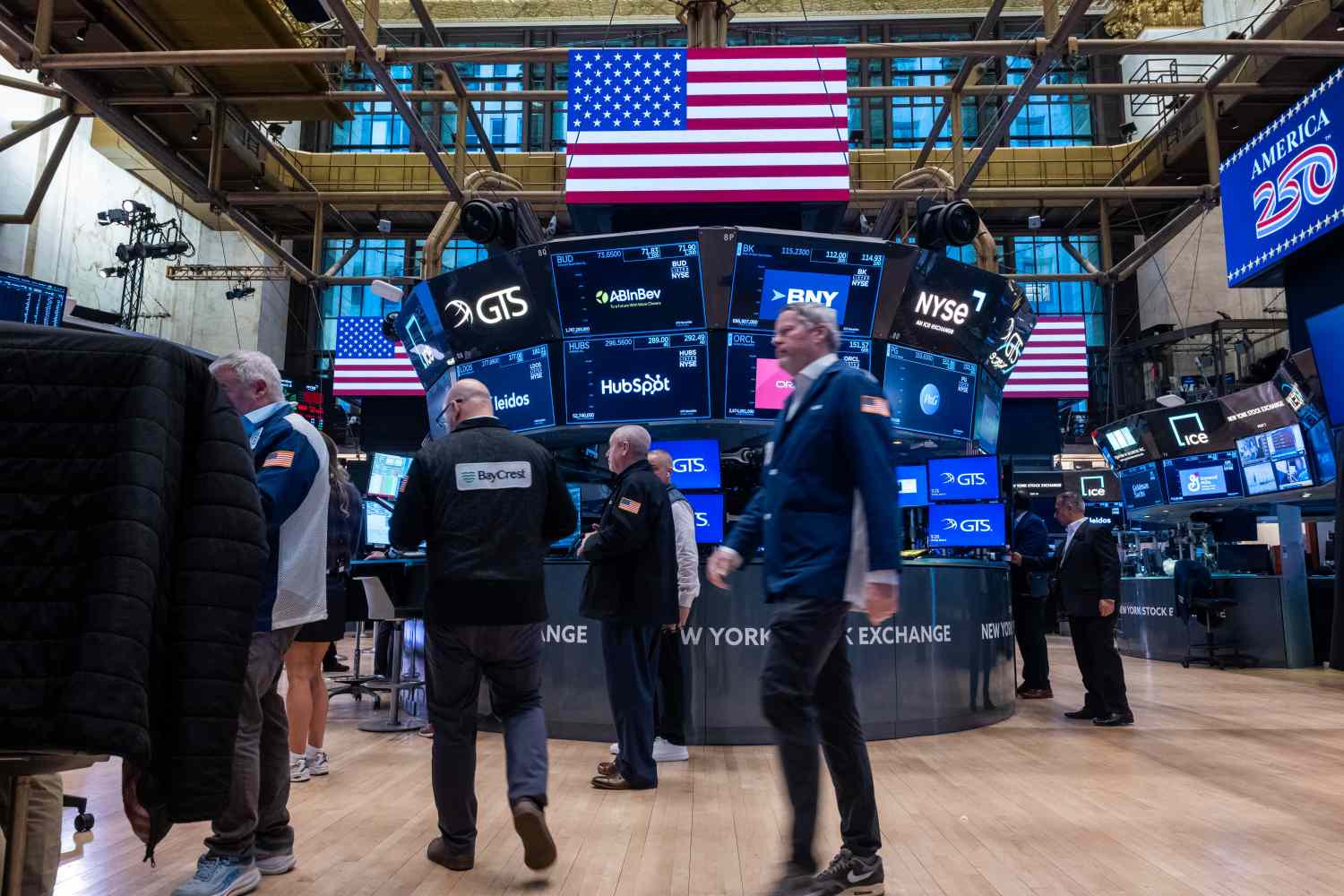
VTI ETF Daily Report — November 21, 2025


VTI Overview: The Vanguard Total Stock Market ETF (VTI) provides extensive exposure to the U.S. equity market with a low expense ratio of 0.03%, making it a cost-effective investment option.
Recent Performance: VTI has experienced a 4.86% decline over the past week but is up 13.3% year-to-date, with notable declines in the Nasdaq Composite and S&P 500 due to market uncertainties.
Top Holdings: The ETF's leading holdings include Nvidia (6.69%), Microsoft (5.98%), and Apple (5.87%), with a three-month average trading volume of 4.02 million shares.
Analyst Consensus: VTI is rated as a Moderate Buy by analysts, with a price target suggesting a potential upside of 25%, while its Smart Score indicates it is likely to perform in line with the broader market.
Trade with 70% Backtested Accuracy
Analyst Views on AAPL

About AAPL
About the author


Apple's MacBook Neo Officially Launched

- Positive Market Reception: Apple's MacBook Neo officially launched on Wednesday, with expected shipments of 4.5 to 5 million units this year despite being in small-volume production, indicating strong market demand, particularly in the education sector.
- Significant Price Advantage: Starting at $599 (or $499 for education), the MacBook Neo effectively fills a gap in Apple's mid-range PC market, likely attracting more price-sensitive consumers and enhancing cross-device engagement within the Apple ecosystem.
- Changing Competitive Landscape: Analysts note that rising memory prices may lead other laptop models to increase prices starting in Q2 2026, making the MacBook Neo more competitive on price and further solidifying its market position.
- Market Share Growth: J.P. Morgan analysts believe the MacBook Neo will significantly increase Apple's computer market share, particularly against Chromebooks and Windows devices, leveraging the A18 Pro chip to ensure smooth product delivery.
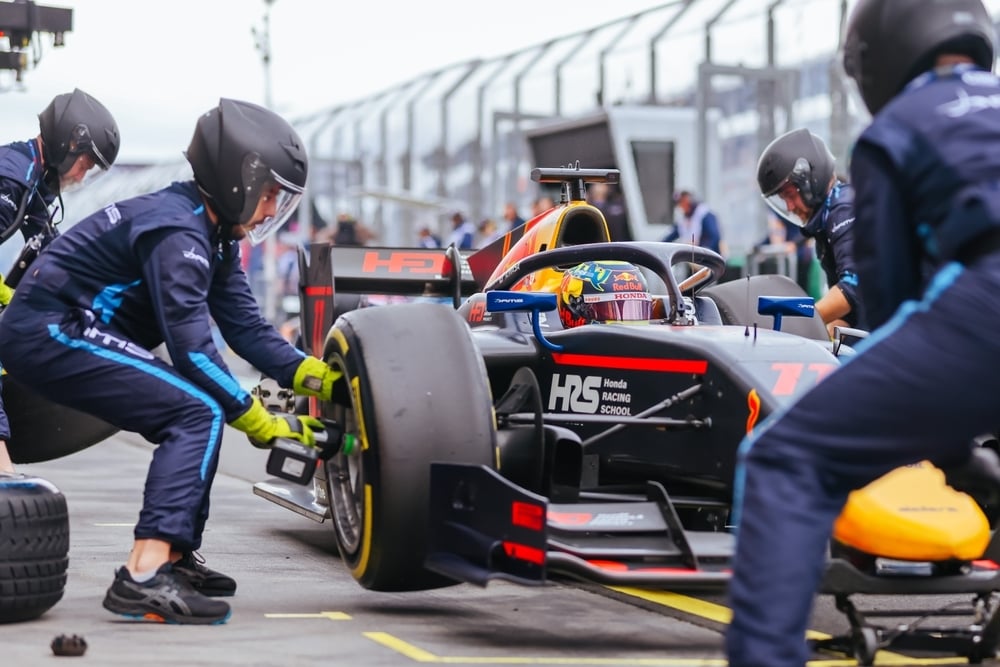
BYD Plans to Enter Formula 1 Racing

- Brand Exposure Strategy: BYD's success in the electric vehicle market has allowed it to surpass Tesla, and it now plans to enhance global brand awareness by participating in Formula 1 racing, particularly in the U.S. and other countries.
- Event Expansion Opportunity: The return of F1 racing in Asia, especially with the Shanghai event, presents BYD with a prime opportunity to increase its influence in the Asian market.
- Investment Challenges: While BYD aims to acquire an existing team or create a new one, the substantial cost of $450 million for a team, along with operational expenses, poses significant challenges that could impact its investment decisions.
- Potential Acquisition Target: BYD may consider acquiring a minority stake in the Alpine team, which is not currently for sale, but opportunities for minority investments could still attract BYD's interest.

Nike Stock Underperforms but Remains a Strong Hold

- Stock Performance Analysis: Nike's stock has declined 5% over the past five trading days and over 12% year-to-date, currently trading below $56, marking its lowest level since initiating a position around $68 last September, reflecting market concerns about its future performance.
- Analyst Rating Adjustment: Barclays upgraded Nike's rating from neutral to buy, acknowledging that while Wall Street's expectations may still be high, the risk-to-reward profile has shifted favorably, making Nike an attractive investment opportunity at this stage.
- North America Focus: Under CEO Elliott Hill's leadership, Nike has improved its performance in North America, cleaned up inventory, and driven impressive growth in its running business, indicating potential for brand revitalization.
- Challenges in China: Declining sales in China have been a major reason for Nike's stock drop, leading analysts to lower fiscal 2027 earnings per share estimates; however, Wells Fargo maintains a buy rating, reflecting confidence in Nike's long-term value.

Qorvo Executive's Stock Sale Raises Eyebrows

- Transaction Overview: On February 17, 2026, Frank P. Stewart directly sold 8,226 shares for approximately $683,000, indicating a significant change in his ownership stake, with post-sale direct holdings dropping to 34,659 shares valued at around $2.9 million.
- Historical Comparison: Over the past two years, Stewart executed only one smaller sale (1,000 shares in September 2023), making this transaction notably larger in both volume and impact, reflecting a shift in his holding strategy.
- Company Financials: As of February 17, 2026, Qorvo's market capitalization stands at $7.2 billion, with a 10.67% increase in stock price over the past year, indicating a gradual recovery in market confidence following a decline since 2021.
- Market Reaction Analysis: Despite Stewart and other executives selling shares recently, he retains over 80% of his holdings, suggesting no loss of confidence in Qorvo, and investors should view this transaction rationally to avoid negative perceptions of the company's outlook.

Buffett Remains Active at Berkshire Hathaway Despite CEO Transition

- Buffett's Ongoing Influence: Although Greg Abel has taken over as CEO of Berkshire Hathaway, Warren Buffett continues to work in the office five days a week, demonstrating his enduring influence and guidance within the company.
- Apple's Core Position: Apple Inc. (AAPL) remains a significant 23% of Berkshire's equity portfolio, despite having sold a portion of its stake in recent years, with Abel indicating that Apple will continue to be a core holding, reflecting its resilience in the tech sector and investor confidence.
- Oil Market Opportunities: Amid rising tensions in the Middle East, oil prices have surged to around $100 per barrel, benefiting Chevron (CVX), whose stock has increased over 23% this year, indicating strong investment potential for oil companies in uncertain market conditions.
- Shareholder Return Strategy: Chevron repurchased $12 billion in stock last year and plans to maintain this trajectory while offering a healthy 3.75% dividend yield, showcasing the company's strong performance in capital management and shareholder returns.

Apple Faces Challenge from Microsoft and Alphabet

- Market Position Shift: After a recent rally, Apple (AAPL) has regained its status as the second-largest company globally, but it is expected to be surpassed by Microsoft (MSFT) and Alphabet (GOOGL) by 2028, highlighting its lag in the AI race and lack of innovation.
- Lackluster Growth: Although Apple has shown revenue growth in the most recent quarter, its overall growth remains weak, and if it cannot sustain a mid-teens growth rate by 2026, market concerns about its future may intensify.
- Competitive Advantage Comparison: Microsoft and Alphabet are experiencing significant growth in cloud computing, achieving revenue increases of 17% and 18% respectively, while Apple's growth rate lags behind these competitors, indicating its shortcomings in technological innovation and market responsiveness.
- Valuation Discrepancy: Apple's price-to-earnings ratio stands at 33, significantly higher than that of Microsoft and Alphabet, despite the latter two having higher net incomes and faster growth rates, suggesting that investors may need to reassess Apple's market value.
Apple's MacBook Neo Officially Launched
- Positive Market Reception: Apple's MacBook Neo officially launched on Wednesday, with expected shipments of 4.5 to 5 million units this year despite being in small-volume production, indicating strong market demand, particularly in the education sector.
- Significant Price Advantage: Starting at $599 (or $499 for education), the MacBook Neo effectively fills a gap in Apple's mid-range PC market, likely attracting more price-sensitive consumers and enhancing cross-device engagement within the Apple ecosystem.
- Changing Competitive Landscape: Analysts note that rising memory prices may lead other laptop models to increase prices starting in Q2 2026, making the MacBook Neo more competitive on price and further solidifying its market position.
- Market Share Growth: J.P. Morgan analysts believe the MacBook Neo will significantly increase Apple's computer market share, particularly against Chromebooks and Windows devices, leveraging the A18 Pro chip to ensure smooth product delivery.
BYD Plans to Enter Formula 1 Racing
- Brand Exposure Strategy: BYD's success in the electric vehicle market has allowed it to surpass Tesla, and it now plans to enhance global brand awareness by participating in Formula 1 racing, particularly in the U.S. and other countries.
- Event Expansion Opportunity: The return of F1 racing in Asia, especially with the Shanghai event, presents BYD with a prime opportunity to increase its influence in the Asian market.
- Investment Challenges: While BYD aims to acquire an existing team or create a new one, the substantial cost of $450 million for a team, along with operational expenses, poses significant challenges that could impact its investment decisions.
- Potential Acquisition Target: BYD may consider acquiring a minority stake in the Alpine team, which is not currently for sale, but opportunities for minority investments could still attract BYD's interest.
Nike Stock Underperforms but Remains a Strong Hold
- Stock Performance Analysis: Nike's stock has declined 5% over the past five trading days and over 12% year-to-date, currently trading below $56, marking its lowest level since initiating a position around $68 last September, reflecting market concerns about its future performance.
- Analyst Rating Adjustment: Barclays upgraded Nike's rating from neutral to buy, acknowledging that while Wall Street's expectations may still be high, the risk-to-reward profile has shifted favorably, making Nike an attractive investment opportunity at this stage.
- North America Focus: Under CEO Elliott Hill's leadership, Nike has improved its performance in North America, cleaned up inventory, and driven impressive growth in its running business, indicating potential for brand revitalization.
- Challenges in China: Declining sales in China have been a major reason for Nike's stock drop, leading analysts to lower fiscal 2027 earnings per share estimates; however, Wells Fargo maintains a buy rating, reflecting confidence in Nike's long-term value.
Qorvo Executive's Stock Sale Raises Eyebrows
- Transaction Overview: On February 17, 2026, Frank P. Stewart directly sold 8,226 shares for approximately $683,000, indicating a significant change in his ownership stake, with post-sale direct holdings dropping to 34,659 shares valued at around $2.9 million.
- Historical Comparison: Over the past two years, Stewart executed only one smaller sale (1,000 shares in September 2023), making this transaction notably larger in both volume and impact, reflecting a shift in his holding strategy.
- Company Financials: As of February 17, 2026, Qorvo's market capitalization stands at $7.2 billion, with a 10.67% increase in stock price over the past year, indicating a gradual recovery in market confidence following a decline since 2021.
- Market Reaction Analysis: Despite Stewart and other executives selling shares recently, he retains over 80% of his holdings, suggesting no loss of confidence in Qorvo, and investors should view this transaction rationally to avoid negative perceptions of the company's outlook.
Buffett Remains Active at Berkshire Hathaway Despite CEO Transition
- Buffett's Ongoing Influence: Although Greg Abel has taken over as CEO of Berkshire Hathaway, Warren Buffett continues to work in the office five days a week, demonstrating his enduring influence and guidance within the company.
- Apple's Core Position: Apple Inc. (AAPL) remains a significant 23% of Berkshire's equity portfolio, despite having sold a portion of its stake in recent years, with Abel indicating that Apple will continue to be a core holding, reflecting its resilience in the tech sector and investor confidence.
- Oil Market Opportunities: Amid rising tensions in the Middle East, oil prices have surged to around $100 per barrel, benefiting Chevron (CVX), whose stock has increased over 23% this year, indicating strong investment potential for oil companies in uncertain market conditions.
- Shareholder Return Strategy: Chevron repurchased $12 billion in stock last year and plans to maintain this trajectory while offering a healthy 3.75% dividend yield, showcasing the company's strong performance in capital management and shareholder returns.
Apple Faces Challenge from Microsoft and Alphabet
- Market Position Shift: After a recent rally, Apple (AAPL) has regained its status as the second-largest company globally, but it is expected to be surpassed by Microsoft (MSFT) and Alphabet (GOOGL) by 2028, highlighting its lag in the AI race and lack of innovation.
- Lackluster Growth: Although Apple has shown revenue growth in the most recent quarter, its overall growth remains weak, and if it cannot sustain a mid-teens growth rate by 2026, market concerns about its future may intensify.
- Competitive Advantage Comparison: Microsoft and Alphabet are experiencing significant growth in cloud computing, achieving revenue increases of 17% and 18% respectively, while Apple's growth rate lags behind these competitors, indicating its shortcomings in technological innovation and market responsiveness.
- Valuation Discrepancy: Apple's price-to-earnings ratio stands at 33, significantly higher than that of Microsoft and Alphabet, despite the latter two having higher net incomes and faster growth rates, suggesting that investors may need to reassess Apple's market value.