Vistra Corp Receives Upgrade to Investment Grade Credit Rating
Written by Emily J. Thompson, Senior Investment Analyst
Updated: 1 hour ago
0mins
Should l Buy VST?
Source: Newsfilter
- Credit Rating Upgrade: Fitch Ratings has upgraded Vistra's long-term issuer default rating to BBB-, marking a significant improvement in the company's credit profile and further solidifying its investment-grade status.
- Strategic Execution Recognition: This upgrade reflects the consistent execution of Vistra's strategy and focus on balance sheet strength, as noted by CEO Jim Burke, who emphasized that it enhances financial flexibility and supports long-term value creation.
- Robust Financial Performance: The company has sustained free cash flow generation across various market conditions, significantly strengthening its credit profile through disciplined capital allocation and reduced balance sheet leverage, which enhances earnings visibility and stability.
- Market Access Advantage: The investment-grade ratings are expected to improve Vistra's access to capital markets and reduce borrowing costs over time, thereby supporting the company's long-term growth initiatives.
Trade with 70% Backtested Accuracy
Stop guessing "Should I Buy VST?" and start using high-conviction signals backed by rigorous historical data.
Sign up today to access powerful investing tools and make smarter, data-driven decisions.
Analyst Views on VST
Wall Street analysts forecast VST stock price to rise
11 Analyst Rating
11 Buy
0 Hold
0 Sell
Strong Buy
Current: 161.990

Low
217.00
Averages
240.09
High
287.00
Current: 161.990
Low
217.00
Averages
240.09
High
287.00
About VST
Vistra Corp. is an integrated retail electricity and power generation company that provides essential resources to customers, businesses, and communities from California to Maine. It operates a reliable power generation fleet of natural gas, nuclear, coal, solar, and battery energy storage facilities while taking an innovative, customer-centric approach to its retail business. Its segments include Retail, Texas, East, West, and Asset Closure. The Retail segment is engaged in retail sales of electricity and natural gas to residential, commercial and industrial customers. The Texas and East segments are engaged in electricity generation, wholesale energy sales and purchases, commodity risk management activities, fuel procurement, and logistics management. The West segment represents results from the CAISO market, including its battery ESS projects at its Moss Landing power plant site. The Asset Closure segment is engaged in the decommissioning and reclamation of retired plants and mines.
About the author

Emily J. Thompson
Emily J. Thompson, a Chartered Financial Analyst (CFA) with 12 years in investment research, graduated with honors from the Wharton School. Specializing in industrial and technology stocks, she provides in-depth analysis for Intellectia’s earnings and market brief reports.

Vistra Corp Receives Upgrade to Investment Grade Credit Rating

- Credit Rating Upgrade: Fitch Ratings has upgraded Vistra's long-term issuer default rating to BBB-, marking a significant improvement in the company's credit profile and further solidifying its investment-grade status.
- Strategic Execution Recognition: This upgrade reflects the consistent execution of Vistra's strategy and focus on balance sheet strength, as noted by CEO Jim Burke, who emphasized that it enhances financial flexibility and supports long-term value creation.
- Robust Financial Performance: The company has sustained free cash flow generation across various market conditions, significantly strengthening its credit profile through disciplined capital allocation and reduced balance sheet leverage, which enhances earnings visibility and stability.
- Market Access Advantage: The investment-grade ratings are expected to improve Vistra's access to capital markets and reduce borrowing costs over time, thereby supporting the company's long-term growth initiatives.
See More
Vistra Corp Receives Upgrade to Investment Grade Credit Rating
- Credit Rating Upgrade: Fitch Ratings has upgraded Vistra's long-term issuer default rating to BBB-, marking a significant improvement in the company's credit profile and further solidifying its financial stability.
- Strategic Execution Impact: This upgrade is based on the company's enhanced business profile, strong credit metrics, and supportive capital allocation, reflecting the consistency in executing its strategic initiatives.
- Market Access Advantage: Vistra anticipates that achieving investment-grade ratings will enhance its access to capital markets and, over time, reduce borrowing costs, thereby improving the company's financial flexibility.
- Long-term Value Creation: CEO Jim Burke stated that the investment-grade ratings will support the company's long-term value creation strategy, ensuring its competitiveness and sustainability in the energy market.
See More

IWP Stock Price Analysis and ETF Dynamics

- Price Fluctuation Analysis: IWP's 52-week low is $99.85 and high is $145.5992, with the current trading price at $132.85, indicating significant price volatility that may influence investor buying decisions.
- Technical Analysis Tool: Comparing the current stock price to the 200-day moving average can provide valuable insights for investors, helping to assess market trends and potential buying opportunities.
- ETF Trading Mechanism: Exchange-traded funds (ETFs) trade like stocks, where investors buy and sell 'units' that can be created or destroyed based on demand, impacting the liquidity and market performance of the ETF.
- Inflows and Outflows Monitoring: Weekly monitoring of changes in ETF shares outstanding highlights notable inflows (new units created) or outflows (old units destroyed), which directly affects the underlying assets held by the ETF and can influence the prices of related stocks.
See More

Nvidia Projects $1 Trillion in AI Chip Orders by 2027


- Surging Order Expectations: CEO Jensen Huang announced at the developer conference that Nvidia anticipates orders between Blackwell and Vera Rubin to reach $1 trillion by 2027, significantly up from last year's $500 billion forecast, indicating robust market demand for AI chips.
- Sustained Revenue Growth: Nvidia expects a year-over-year revenue surge of 77% this quarter, reaching approximately $78 billion, and has reported 11 consecutive quarters of revenue growth exceeding 55%, underscoring its leadership position and the ongoing rise in market demand for AI technologies.
- New Product Launch: Huang unveiled the Groq 3 Language Processing Unit (LPU), the first chip from the startup Nvidia acquired for $20 billion, expected to ship in Q3, aimed at enhancing GPU performance and strengthening competitive positioning in the market.
- Future Architecture Plans: Nvidia showcased the Kyber prototype, the next major rack architecture following Vera Rubin, set to launch in 2027, integrating 144 GPUs to boost density and reduce latency, further solidifying its technological edge in AI computing.
See More

Impact of U.S.-Iran War on Middle East Security


- Geoeconomic Escalation: Iran has pivoted to geographic and economic horizontal escalation in response to military pressure from the U.S. and Israel, despite being outmatched in direct military engagement, which could lead to long-term instability in the Middle East and impact investors' risk assessments.
- Closure of Strait of Hormuz: Iran has effectively closed the Strait of Hormuz, making it untraversable despite the U.S. Navy sinking part of the Iranian fleet, leading to a lack of commercial insurance and potentially profound implications for global oil prices and supply chains.
- Expansion of Proxy Wars: Israel's territorial threats in southern Lebanon allow Iran to engage in proxy wars across two theaters, draining Western resources without needing to win conventional battles, thereby exacerbating regional tensions and affecting global markets.
- Nuclear Investment Outlook: The ongoing conflict may accelerate nations' demand for nuclear energy, prompting investors to focus on uranium mining companies like Cameco (CCJ) to capitalize on potential future supply shortages and price increases.
See More
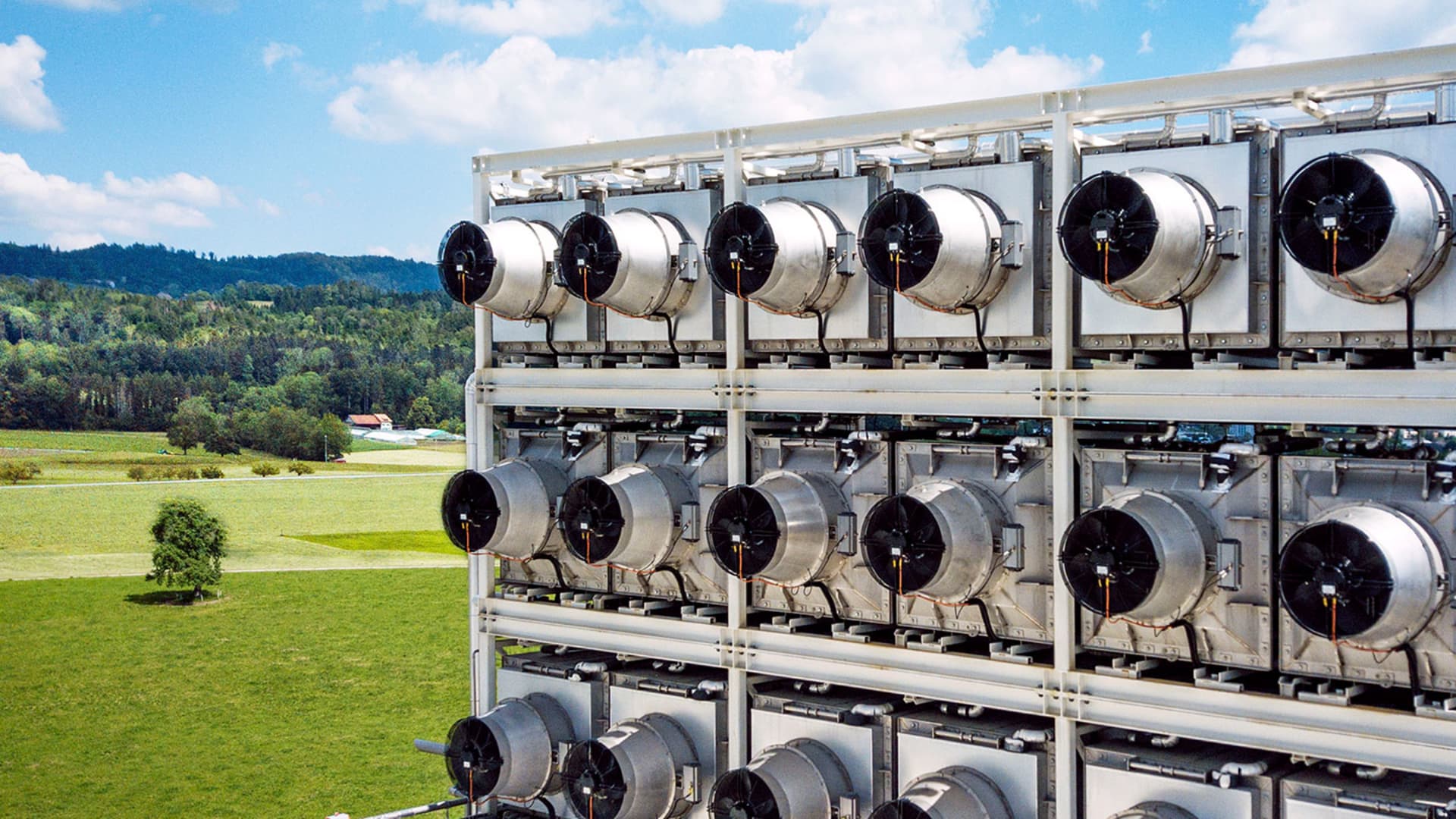
Big Tech's Surge in Carbon Credit Purchases Amid AI Boom

- Surge in Carbon Credit Purchases: Since the launch of ChatGPT in 2022, Amazon, Google, Meta, and Microsoft have ramped up their permanent carbon credit purchases from 14,200 to 11.92 million in 2023, indicating a strong commitment to net-zero goals despite sustainability concerns raised by AI's energy consumption.
- Future Spending Expectations: These tech giants are projected to spend nearly $700 billion on AI infrastructure in 2023, driving sustained demand for carbon credits and reflecting a focus on long-term climate strategies, even as achieving net-zero emissions poses significant challenges.
- Microsoft's Market Leadership: Microsoft stands out with a notable increase in carbon credit purchases, reaching 5 million in 2023, a 247% rise from 2022, and is expected to grow to 21.9 million in 2024, showcasing its pioneering role in the carbon removal market.
- Sustainability Strategy: While Big Tech's active carbon credit purchases are evident, experts highlight a contradiction with their aspirations to build more sustainable infrastructure, emphasizing the need for more effective long-term solutions to address climate change.
See More
Vistra Corp Receives Upgrade to Investment Grade Credit Rating
- Credit Rating Upgrade: Fitch Ratings has upgraded Vistra's long-term issuer default rating to BBB-, marking a significant improvement in the company's credit profile and further solidifying its investment-grade status.
- Strategic Execution Recognition: This upgrade reflects the consistent execution of Vistra's strategy and focus on balance sheet strength, as noted by CEO Jim Burke, who emphasized that it enhances financial flexibility and supports long-term value creation.
- Robust Financial Performance: The company has sustained free cash flow generation across various market conditions, significantly strengthening its credit profile through disciplined capital allocation and reduced balance sheet leverage, which enhances earnings visibility and stability.
- Market Access Advantage: The investment-grade ratings are expected to improve Vistra's access to capital markets and reduce borrowing costs over time, thereby supporting the company's long-term growth initiatives.
See More
Vistra Corp Receives Upgrade to Investment Grade Credit Rating
- Credit Rating Upgrade: Fitch Ratings has upgraded Vistra's long-term issuer default rating to BBB-, marking a significant improvement in the company's credit profile and further solidifying its financial stability.
- Strategic Execution Impact: This upgrade is based on the company's enhanced business profile, strong credit metrics, and supportive capital allocation, reflecting the consistency in executing its strategic initiatives.
- Market Access Advantage: Vistra anticipates that achieving investment-grade ratings will enhance its access to capital markets and, over time, reduce borrowing costs, thereby improving the company's financial flexibility.
- Long-term Value Creation: CEO Jim Burke stated that the investment-grade ratings will support the company's long-term value creation strategy, ensuring its competitiveness and sustainability in the energy market.
See More
IWP Stock Price Analysis and ETF Dynamics
- Price Fluctuation Analysis: IWP's 52-week low is $99.85 and high is $145.5992, with the current trading price at $132.85, indicating significant price volatility that may influence investor buying decisions.
- Technical Analysis Tool: Comparing the current stock price to the 200-day moving average can provide valuable insights for investors, helping to assess market trends and potential buying opportunities.
- ETF Trading Mechanism: Exchange-traded funds (ETFs) trade like stocks, where investors buy and sell 'units' that can be created or destroyed based on demand, impacting the liquidity and market performance of the ETF.
- Inflows and Outflows Monitoring: Weekly monitoring of changes in ETF shares outstanding highlights notable inflows (new units created) or outflows (old units destroyed), which directly affects the underlying assets held by the ETF and can influence the prices of related stocks.
See More
Nvidia Projects $1 Trillion in AI Chip Orders by 2027
- Surging Order Expectations: CEO Jensen Huang announced at the developer conference that Nvidia anticipates orders between Blackwell and Vera Rubin to reach $1 trillion by 2027, significantly up from last year's $500 billion forecast, indicating robust market demand for AI chips.
- Sustained Revenue Growth: Nvidia expects a year-over-year revenue surge of 77% this quarter, reaching approximately $78 billion, and has reported 11 consecutive quarters of revenue growth exceeding 55%, underscoring its leadership position and the ongoing rise in market demand for AI technologies.
- New Product Launch: Huang unveiled the Groq 3 Language Processing Unit (LPU), the first chip from the startup Nvidia acquired for $20 billion, expected to ship in Q3, aimed at enhancing GPU performance and strengthening competitive positioning in the market.
- Future Architecture Plans: Nvidia showcased the Kyber prototype, the next major rack architecture following Vera Rubin, set to launch in 2027, integrating 144 GPUs to boost density and reduce latency, further solidifying its technological edge in AI computing.
See More
Impact of U.S.-Iran War on Middle East Security
- Geoeconomic Escalation: Iran has pivoted to geographic and economic horizontal escalation in response to military pressure from the U.S. and Israel, despite being outmatched in direct military engagement, which could lead to long-term instability in the Middle East and impact investors' risk assessments.
- Closure of Strait of Hormuz: Iran has effectively closed the Strait of Hormuz, making it untraversable despite the U.S. Navy sinking part of the Iranian fleet, leading to a lack of commercial insurance and potentially profound implications for global oil prices and supply chains.
- Expansion of Proxy Wars: Israel's territorial threats in southern Lebanon allow Iran to engage in proxy wars across two theaters, draining Western resources without needing to win conventional battles, thereby exacerbating regional tensions and affecting global markets.
- Nuclear Investment Outlook: The ongoing conflict may accelerate nations' demand for nuclear energy, prompting investors to focus on uranium mining companies like Cameco (CCJ) to capitalize on potential future supply shortages and price increases.
See More
Big Tech's Surge in Carbon Credit Purchases Amid AI Boom
- Surge in Carbon Credit Purchases: Since the launch of ChatGPT in 2022, Amazon, Google, Meta, and Microsoft have ramped up their permanent carbon credit purchases from 14,200 to 11.92 million in 2023, indicating a strong commitment to net-zero goals despite sustainability concerns raised by AI's energy consumption.
- Future Spending Expectations: These tech giants are projected to spend nearly $700 billion on AI infrastructure in 2023, driving sustained demand for carbon credits and reflecting a focus on long-term climate strategies, even as achieving net-zero emissions poses significant challenges.
- Microsoft's Market Leadership: Microsoft stands out with a notable increase in carbon credit purchases, reaching 5 million in 2023, a 247% rise from 2022, and is expected to grow to 21.9 million in 2024, showcasing its pioneering role in the carbon removal market.
- Sustainability Strategy: While Big Tech's active carbon credit purchases are evident, experts highlight a contradiction with their aspirations to build more sustainable infrastructure, emphasizing the need for more effective long-term solutions to address climate change.
See More