Visa Launches Scan to Pay, Enabling Effortless QR Payments for Millions of Merchants Across Asia Pacific
Visa's QR Payment Expansion: Visa has launched its Scan to Pay solution, enhancing QR payment acceptance across Asia Pacific, allowing millions of merchants to accept payments through popular digital wallets and apps.
Consumer Benefits: The Visa Pay solution offers consumers a seamless payment experience with more choices and flexibility, ensuring secure transactions whether shopping locally or internationally.
Merchant Advantages: Merchants can reach a broader customer base, reduce payment processing costs, and streamline operations by leveraging existing QR infrastructure, ultimately driving business growth.
Event Participation: Visa will showcase its payment innovations at the Singapore Fintech Festival from November 12-14, 2025, highlighting its commitment to shaping secure and global payment experiences.
Trade with 70% Backtested Accuracy
Analyst Views on V

About V
About the author


SpaceX Targets $2 Trillion Valuation for IPO This Summer

- Historical IPO Performance: Analyzing inflation-adjusted data reveals that the past five largest IPOs (Saudi Aramco, NTT DoCoMo, Alibaba, Enel, and Visa) have shown mixed results, with Visa outperforming significantly at a five-year return of 1,912%, while Saudi Aramco has declined since its debut, highlighting the risks associated with large IPOs.
- Market Expectations and Valuation: Although large IPOs often come with high market enthusiasm, historical data indicates that high valuations at IPO can limit future growth potential; if SpaceX launches at a $2 trillion valuation, it may face challenges similar to those of Aramco, given that its revenue is only 15% of Aramco's.
- Investor Strategy Recommendations: Historical patterns suggest that investors typically experience drawdowns after large IPOs, thus for those intending to hold SpaceX shares, waiting for post-IPO adjustments may be a wiser strategy to avoid entering at inflated valuations.
- Future Growth Potential Considerations: While SpaceX's IPO could become the largest public offering in history, investors must carefully assess the growth expectations behind its massive valuation to mitigate potential losses from market overheating.
Visa's Blue-Chip Advantage in Sustained Growth
- Market Dominance: In Q2 FY2023, Visa processed 66.1 billion payments with a total volume of $3.87 trillion, significantly surpassing Mastercard's 43.8 billion payments and $2.7 trillion, showcasing Visa's unmatched scale and market dominance in the payment processing industry.
- High Profitability Metrics: Visa reported an operating margin of 64.4% and a net profit margin of 53.6%, both exceeding Mastercard's 60.8% and 46.4%, indicating that Visa maintains the highest margins in the industry, with costs not rising significantly as transaction volumes increase.
- Value-Added Services Growth: Visa's value-added services (VAS) segment grew by 27% year-over-year, accounting for 30% of total revenue, which not only provides new revenue streams but also highlights Visa's potential for business expansion beyond payment processing, with the CEO calling it a

Amazon, Visa, and Eli Lilly: Top Stocks for Long-Term Investment

- Amazon's Growth Potential: Amazon's AWS achieved a 28% year-over-year growth rate in Q1, signing new agreements with industry leaders like OpenAI, indicating strong growth potential in cloud computing that is expected to further boost company profits.
- Visa's Transaction Volume Growth: Visa processed 66 billion transactions in the recent quarter, a 9% year-over-year increase, and achieved a 17% total revenue growth through AI-driven value-added services, showcasing its strong competitive position in the global payment network.
- Eli Lilly's R&D Investment: Eli Lilly's R&D spending surged 112% over the past five years to $14 billion, driving a 160% year-over-year increase in product revenue in areas like obesity and diabetes, highlighting its strong momentum in innovative treatments.
- Optimistic Market Outlook: Analysts expect Eli Lilly's earnings to grow at an annualized rate of 21%, while its stock trades at a forward P/E of just 26, indicating that investors can acquire long-term growth potential at a reasonable price.

SpaceX IPO Set to Make History with Potential $2 Trillion Valuation


- Market Performance: SpaceX's stock closed at $634.05 on Forge Global, reflecting a 215% increase over the past year and valuing the company at $1.51 trillion, indicating strong market demand.
- Funding Goals: The IPO is projected to target a valuation between $1.75 trillion and $2 trillion, aiming to raise $75 billion, which would make it one of the largest IPOs in history, surpassing Saudi Aramco's $29.4 billion.
- Historical Lessons: Despite SpaceX's leadership in AI and the space economy, historical data shows that many high-valuation IPOs perform poorly post-listing, with an average decline of about 10% over six months, urging caution among investors.
- Sales Data: SpaceX reported sales between $15 billion and $16 billion last year, yet its projected price-to-sales ratio is expected to exceed 30, suggesting potential bubble risks, which may lead retail investors chasing the IPO to face disappointment.
Trump's Business Delegation for Summit with China

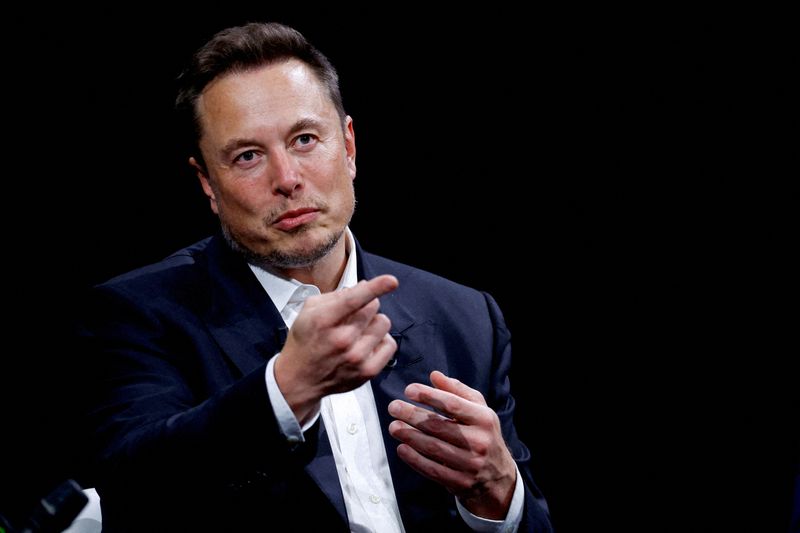
- Delegation Composition: Trump's business delegation for the summit includes over a dozen CEOs from companies like Tesla, BlackRock, and Illumina, aiming to address long-standing business issues with China, highlighting U.S. firms' commitment to the Chinese market.
- Tangible Demands: Companies participating in the summit are required to present a 'tangible ask' to secure concrete outcomes during or after the meeting, reflecting the urgency and expectations of U.S. businesses regarding U.S.-China relations.
- Regulatory Approval Challenges: Meta faces a directive from China's state planner to unwind its $2 billion acquisition of an AI startup, illustrating the increasing regulatory pressures on U.S. tech investments in China, with firms hoping the summit will yield policy support to navigate these challenges.
- Payment Market Opportunities: Mastercard and Visa aim to leverage the summit to enhance their positions in China's payment market, with Mastercard already approved for yuan transaction clearing, while Visa seeks 100% ownership of a future joint venture, indicating strong aspirations for market entry.
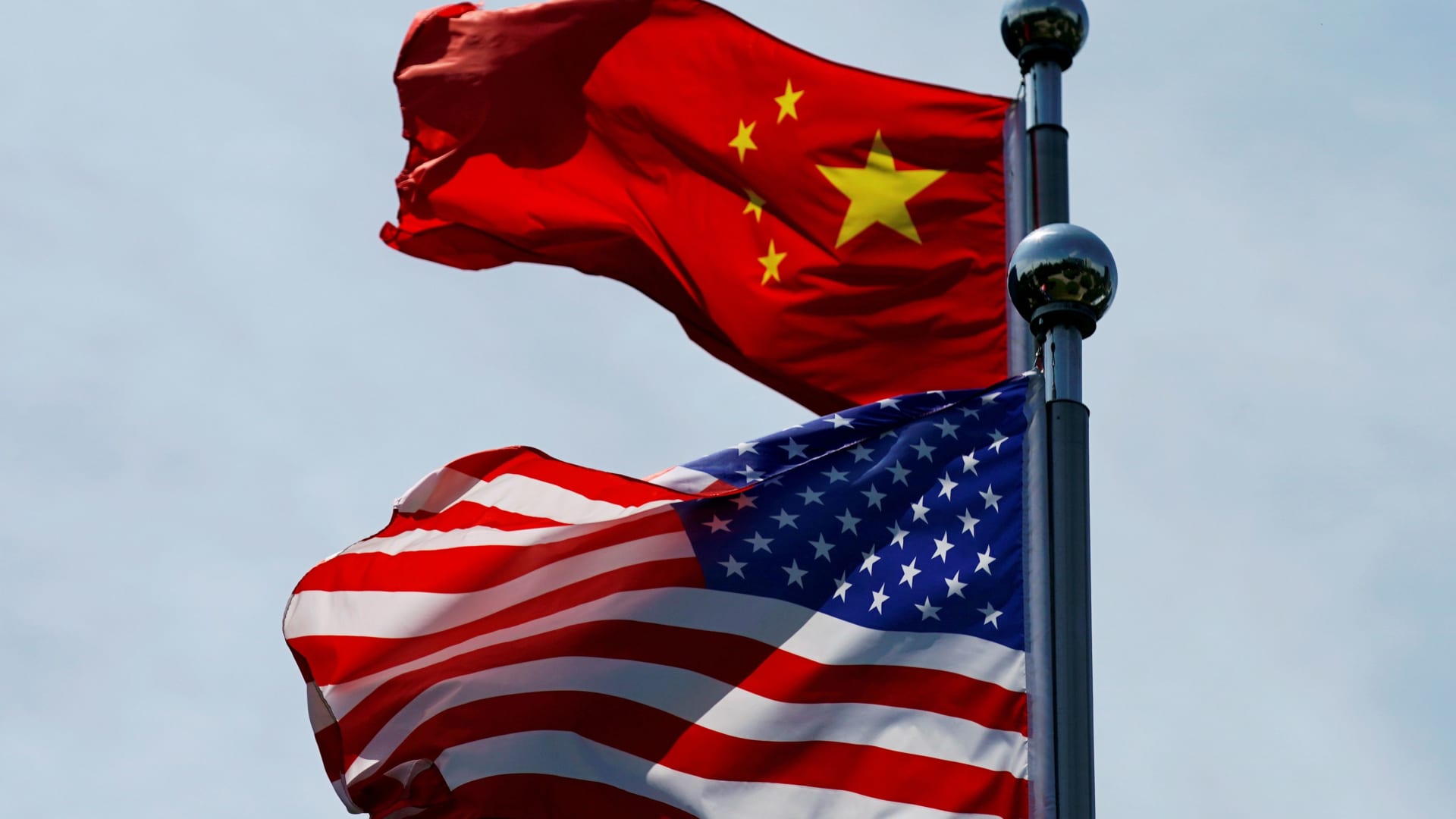
US-China Trade Talks and Summit Agenda

- US-China Trade Talks: US Treasury Secretary Scott Bessent is set to meet with Chinese Vice Premier He Lifeng in South Korea from Tuesday to Wednesday, aiming to pave the way for the upcoming Trump-Xi summit, highlighting the urgency and complexity of trade relations between the two nations.
- Summit Agenda: Trump is expected to arrive in Beijing on Wednesday evening, with a bilateral meeting with Xi scheduled for the following morning, followed by a tour of the Temple of Heaven and a state banquet, underscoring the importance both leaders place on strengthening bilateral ties.
- Key Issues: The summit will focus on the Iran-Hormuz crisis, with analysts suggesting that it is more about preventing escalation of tensions rather than establishing deep cooperation mechanisms, which is crucial for global economic stability.
- Future Outlook: Xi is anticipated to visit the US later this year, and the outcomes of this week's meeting will lay the groundwork for future high-level exchanges between the two countries, particularly in trade and geopolitical interactions that will continue to attract global attention.
SpaceX Targets $2 Trillion Valuation for IPO This Summer
- Historical IPO Performance: Analyzing inflation-adjusted data reveals that the past five largest IPOs (Saudi Aramco, NTT DoCoMo, Alibaba, Enel, and Visa) have shown mixed results, with Visa outperforming significantly at a five-year return of 1,912%, while Saudi Aramco has declined since its debut, highlighting the risks associated with large IPOs.
- Market Expectations and Valuation: Although large IPOs often come with high market enthusiasm, historical data indicates that high valuations at IPO can limit future growth potential; if SpaceX launches at a $2 trillion valuation, it may face challenges similar to those of Aramco, given that its revenue is only 15% of Aramco's.
- Investor Strategy Recommendations: Historical patterns suggest that investors typically experience drawdowns after large IPOs, thus for those intending to hold SpaceX shares, waiting for post-IPO adjustments may be a wiser strategy to avoid entering at inflated valuations.
- Future Growth Potential Considerations: While SpaceX's IPO could become the largest public offering in history, investors must carefully assess the growth expectations behind its massive valuation to mitigate potential losses from market overheating.
Visa's Blue-Chip Advantage in Sustained Growth
- Market Dominance: In Q2 FY2023, Visa processed 66.1 billion payments with a total volume of $3.87 trillion, significantly surpassing Mastercard's 43.8 billion payments and $2.7 trillion, showcasing Visa's unmatched scale and market dominance in the payment processing industry.
- High Profitability Metrics: Visa reported an operating margin of 64.4% and a net profit margin of 53.6%, both exceeding Mastercard's 60.8% and 46.4%, indicating that Visa maintains the highest margins in the industry, with costs not rising significantly as transaction volumes increase.
- Value-Added Services Growth: Visa's value-added services (VAS) segment grew by 27% year-over-year, accounting for 30% of total revenue, which not only provides new revenue streams but also highlights Visa's potential for business expansion beyond payment processing, with the CEO calling it a
Amazon, Visa, and Eli Lilly: Top Stocks for Long-Term Investment
- Amazon's Growth Potential: Amazon's AWS achieved a 28% year-over-year growth rate in Q1, signing new agreements with industry leaders like OpenAI, indicating strong growth potential in cloud computing that is expected to further boost company profits.
- Visa's Transaction Volume Growth: Visa processed 66 billion transactions in the recent quarter, a 9% year-over-year increase, and achieved a 17% total revenue growth through AI-driven value-added services, showcasing its strong competitive position in the global payment network.
- Eli Lilly's R&D Investment: Eli Lilly's R&D spending surged 112% over the past five years to $14 billion, driving a 160% year-over-year increase in product revenue in areas like obesity and diabetes, highlighting its strong momentum in innovative treatments.
- Optimistic Market Outlook: Analysts expect Eli Lilly's earnings to grow at an annualized rate of 21%, while its stock trades at a forward P/E of just 26, indicating that investors can acquire long-term growth potential at a reasonable price.
SpaceX IPO Set to Make History with Potential $2 Trillion Valuation
- Market Performance: SpaceX's stock closed at $634.05 on Forge Global, reflecting a 215% increase over the past year and valuing the company at $1.51 trillion, indicating strong market demand.
- Funding Goals: The IPO is projected to target a valuation between $1.75 trillion and $2 trillion, aiming to raise $75 billion, which would make it one of the largest IPOs in history, surpassing Saudi Aramco's $29.4 billion.
- Historical Lessons: Despite SpaceX's leadership in AI and the space economy, historical data shows that many high-valuation IPOs perform poorly post-listing, with an average decline of about 10% over six months, urging caution among investors.
- Sales Data: SpaceX reported sales between $15 billion and $16 billion last year, yet its projected price-to-sales ratio is expected to exceed 30, suggesting potential bubble risks, which may lead retail investors chasing the IPO to face disappointment.
Trump's Business Delegation for Summit with China
- Delegation Composition: Trump's business delegation for the summit includes over a dozen CEOs from companies like Tesla, BlackRock, and Illumina, aiming to address long-standing business issues with China, highlighting U.S. firms' commitment to the Chinese market.
- Tangible Demands: Companies participating in the summit are required to present a 'tangible ask' to secure concrete outcomes during or after the meeting, reflecting the urgency and expectations of U.S. businesses regarding U.S.-China relations.
- Regulatory Approval Challenges: Meta faces a directive from China's state planner to unwind its $2 billion acquisition of an AI startup, illustrating the increasing regulatory pressures on U.S. tech investments in China, with firms hoping the summit will yield policy support to navigate these challenges.
- Payment Market Opportunities: Mastercard and Visa aim to leverage the summit to enhance their positions in China's payment market, with Mastercard already approved for yuan transaction clearing, while Visa seeks 100% ownership of a future joint venture, indicating strong aspirations for market entry.
US-China Trade Talks and Summit Agenda
- US-China Trade Talks: US Treasury Secretary Scott Bessent is set to meet with Chinese Vice Premier He Lifeng in South Korea from Tuesday to Wednesday, aiming to pave the way for the upcoming Trump-Xi summit, highlighting the urgency and complexity of trade relations between the two nations.
- Summit Agenda: Trump is expected to arrive in Beijing on Wednesday evening, with a bilateral meeting with Xi scheduled for the following morning, followed by a tour of the Temple of Heaven and a state banquet, underscoring the importance both leaders place on strengthening bilateral ties.
- Key Issues: The summit will focus on the Iran-Hormuz crisis, with analysts suggesting that it is more about preventing escalation of tensions rather than establishing deep cooperation mechanisms, which is crucial for global economic stability.
- Future Outlook: Xi is anticipated to visit the US later this year, and the outcomes of this week's meeting will lay the groundwork for future high-level exchanges between the two countries, particularly in trade and geopolitical interactions that will continue to attract global attention.