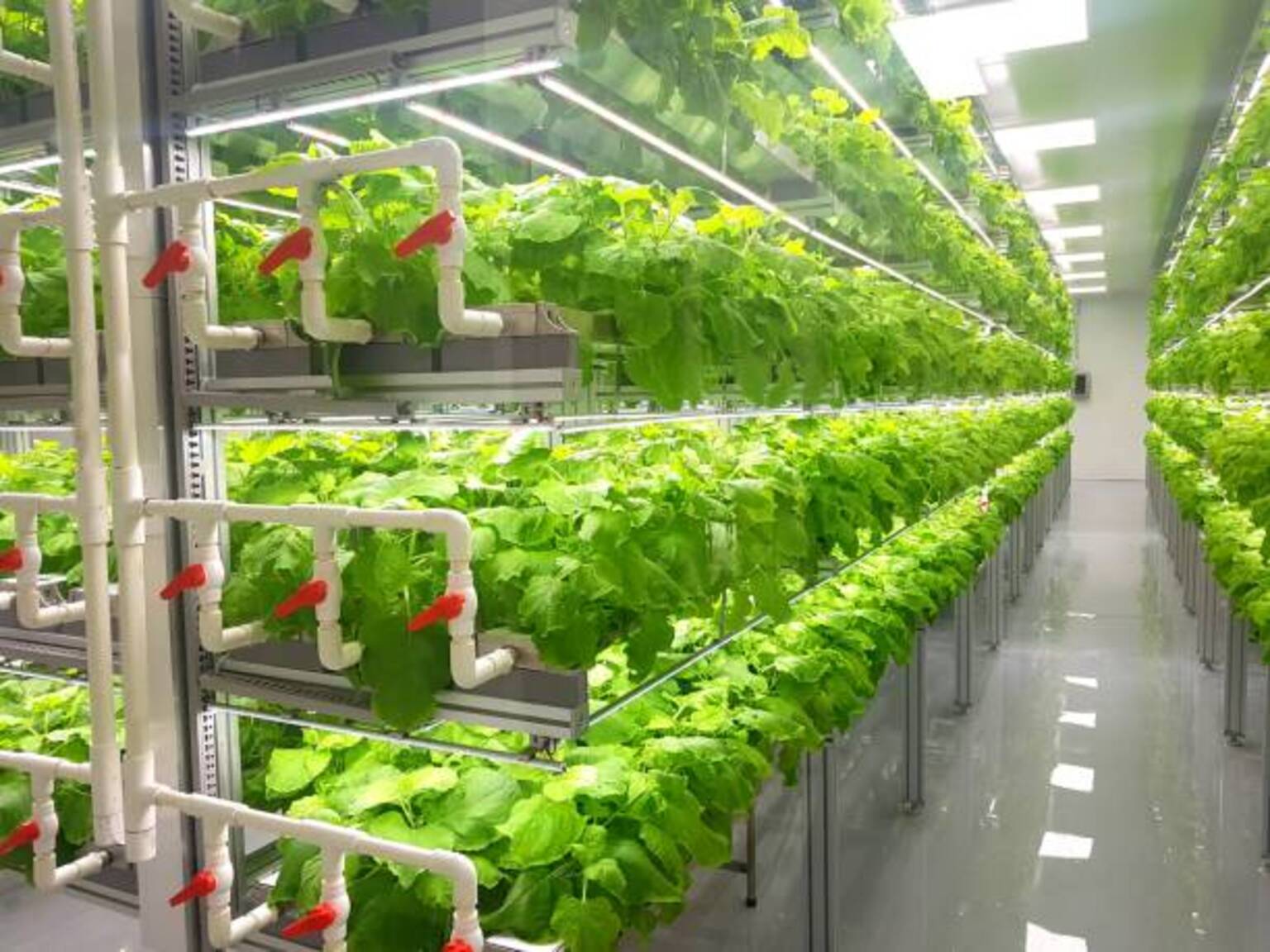
Vertical Farming Faces Survival Challenges After Billions in Funding
Written by Emily J. Thompson, Senior Investment Analyst
Updated: 1 hour ago
0mins
Source: seekingalpha
- Industry Struggles: After attracting billions in venture capital, vertical farming is now facing survival challenges, with notable startups like Bowery Farming and AppHarvest shutting down, leaving only a fraction of early entrants operational, highlighting the high risks and uncertainties in the sector.
- Cost Pressures: Vertical farms require expensive infrastructure such as warehouses, lighting, and custom systems, and they struggle against traditional agriculture, which operates with higher efficiency and thinner margins, leading to squeezed profitability across the industry.
- Demand Misestimation: Many companies overestimated market demand by focusing on premium products like lettuce, facing strong competition and limited pricing power, prompting some to pivot towards niche crops like strawberries to attract customers willing to pay more.
- Strategic Shifts: Survivors in the industry are adjusting their strategies by moving towards smaller, focused operations and forming partnerships with institutions like schools and hospitals, replacing earlier ambitions of mass-market disruption, indicating a role as a complement rather than a replacement for traditional agriculture.
Trade with 70% Backtested Accuracy
Stop guessing "Should I Buy MOS?" and start using high-conviction signals backed by rigorous historical data.
Sign up today to access powerful investing tools and make smarter, data-driven decisions.
Analyst Views on MOS
Wall Street analysts forecast MOS stock price to rise
13 Analyst Rating
6 Buy
7 Hold
0 Sell
Moderate Buy
Current: 26.200

Low
24.00
Averages
32.38
High
43.00
Current: 26.200
Low
24.00
Averages
32.38
High
43.00
About MOS
The Mosaic Company is a producer and marketer of concentrated phosphate and potash crop nutrients. The Company’s segments include Phosphates, Potash and Mosaic Fertilizantes. The Phosphates segment sells phosphate-based crop nutrients and animal feed ingredients throughout North America and internationally. The Potash business segment owns and operates potash mines and production facilities in Canada and the United States, which produces potash-based crop nutrients, animal feed ingredients and industrial products, and is sold both in domestic and international. The Mosaic Fertilizantes Segment produces and sells phosphate- and potash-based crop nutrients, and animal feed ingredients, in Brazil. In addition to phosphate rock mines and chemical plants, this segment consists of sales offices, crop nutrient blending and bagging facilities, port terminals and warehouses in Brazil and Paraguay. This segment also serves as a distribution outlet for its Phosphates and Potash segments.
About the author

Emily J. Thompson
Emily J. Thompson, a Chartered Financial Analyst (CFA) with 12 years in investment research, graduated with honors from the Wharton School. Specializing in industrial and technology stocks, she provides in-depth analysis for Intellectia’s earnings and market brief reports.
Vertical Farming Faces Survival Challenges After Billions in Funding

- Industry Struggles: After attracting billions in venture capital, vertical farming is now facing survival challenges, with notable startups like Bowery Farming and AppHarvest shutting down, leaving only a fraction of early entrants operational, highlighting the high risks and uncertainties in the sector.
- Cost Pressures: Vertical farms require expensive infrastructure such as warehouses, lighting, and custom systems, and they struggle against traditional agriculture, which operates with higher efficiency and thinner margins, leading to squeezed profitability across the industry.
- Demand Misestimation: Many companies overestimated market demand by focusing on premium products like lettuce, facing strong competition and limited pricing power, prompting some to pivot towards niche crops like strawberries to attract customers willing to pay more.
- Strategic Shifts: Survivors in the industry are adjusting their strategies by moving towards smaller, focused operations and forming partnerships with institutions like schools and hospitals, replacing earlier ambitions of mass-market disruption, indicating a role as a complement rather than a replacement for traditional agriculture.
See More

Trump's Meeting with Japan's PM Influences Global Economy

- Global Economic Turmoil: Trump's meeting with Japan's Prime Minister Takaichi highlights his dominant role in global affairs, particularly regarding Iran, leading to a nearly $1 increase, or 33%, in U.S. gas prices over the past month, exacerbating economic uncertainty.
- Energy Market Pressure: Traffic disruptions in the Strait of Hormuz, which carries 20% of the world's crude oil, have led markets to expect oil prices to remain above $80 a barrel, reflecting concerns over potential escalation of conflict that could further damage energy production facilities.
- Agricultural Supply Chain Crisis: Fertilizer component shortages pose a significant challenge to U.S. agriculture, with farmers warning that ongoing conflict may worsen this issue, impacting food production and price stability.
- Fed Policy Complications: Trump's control over military and economic policies complicates the Federal Reserve's efforts to manage inflation and employment, especially as the nomination of a new Fed chair is stalled due to ongoing investigations, leaving markets uncertain about future policy directions.
See More
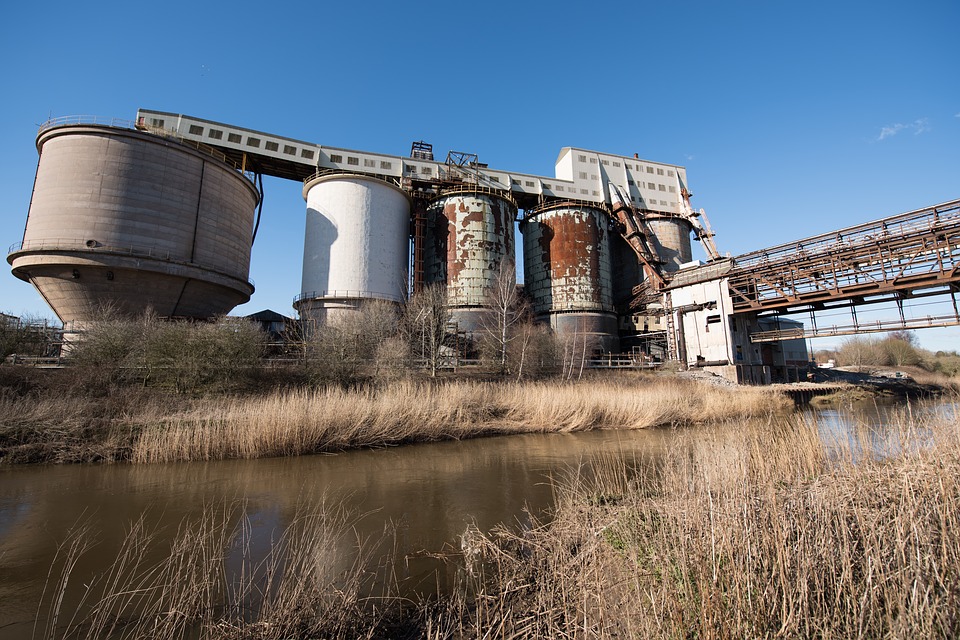
Mosaic Company Shares Drop Nearly 10% Amid Downgrade

- Stock Decline: The Mosaic Company experienced a third consecutive day of decline, dropping 9.96% to close at $23.59 per share, reflecting investor reactions to Bank of America's downgrade and indicating market concerns about the company's future performance.
- Rating Change: Bank of America downgraded Mosaic's rating from 'Buy' to 'Neutral', primarily due to inflation in raw materials caused by the ongoing Middle East conflict, although they remain optimistic about the phosphate market's outlook, suggesting potential impacts on earnings growth and cash flow.
- Expansion Plans: Earlier this month, Mosaic announced plans to ramp up rare earth production at the Uberaba mine site in Brazil, with an expected processing capacity of 2.7 million tons of phosphogypsum per year and production of 1,900 tons of separated neodymium and praseodymium oxide, indicating strategic positioning in emerging markets.
- Partnership Development: The initiative will be executed through its subsidiary, Mosaic Fertilizantes P&K Limitada, in collaboration with Rainbow Rare Earths Ltd, with both parties having completed an economic assessment that highlights significant development potential for the mine, potentially driving future growth for the company.
See More
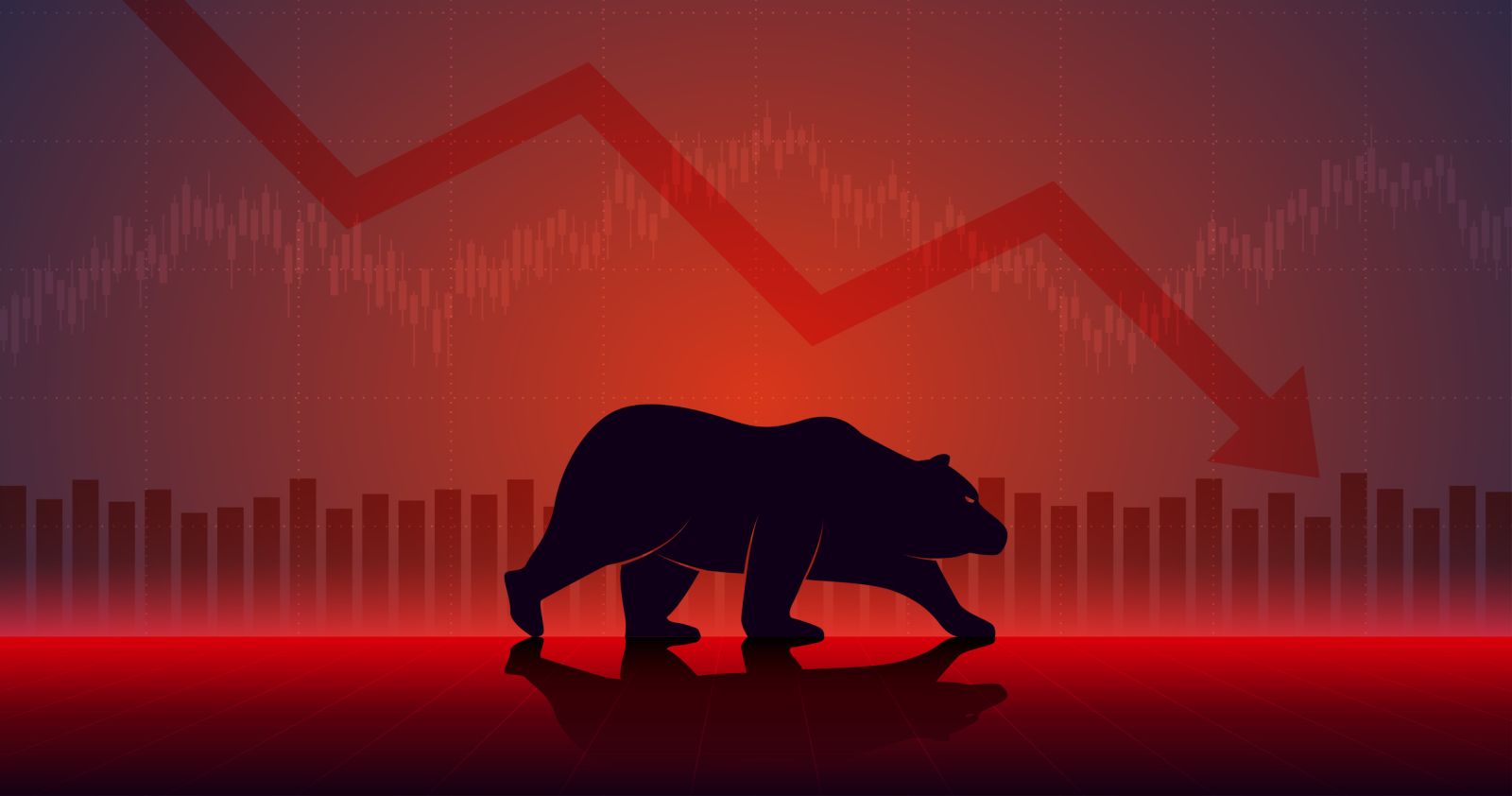
US Stocks Plunge Amid Rising Energy Costs and Geopolitical Tensions


- Market Plunge: The S&P 500 fell by 1.51%, the Dow Jones by 0.96%, and the Nasdaq 100 by 1.88%, all hitting 6.25-month lows, indicating investor concerns over rising energy costs from the Iran conflict and its potential impact on inflation and economic growth.
- Rising Bond Yields: The 10-year Treasury yield rose to 4.39%, a 7.5-month high, reflecting market fears that surging energy prices could lead to increased inflation, potentially forcing the Fed to tighten monetary policy, thereby heightening market uncertainty.
- Geopolitical Tensions: The Pentagon's preparations to deploy ground troops to Iran and the consideration of taking over Kharg Island, a key oil-export site, have escalated concerns about Middle Eastern stability, contributing to persistently high global oil prices and affecting investor confidence.
- Airline Stocks Decline: Major airlines like United Airlines, American Airlines, and Southwest Airlines saw stock declines of over 3% due to soaring fuel costs, indicating the potential erosion of corporate profits and overall profitability in the airline sector.
See More
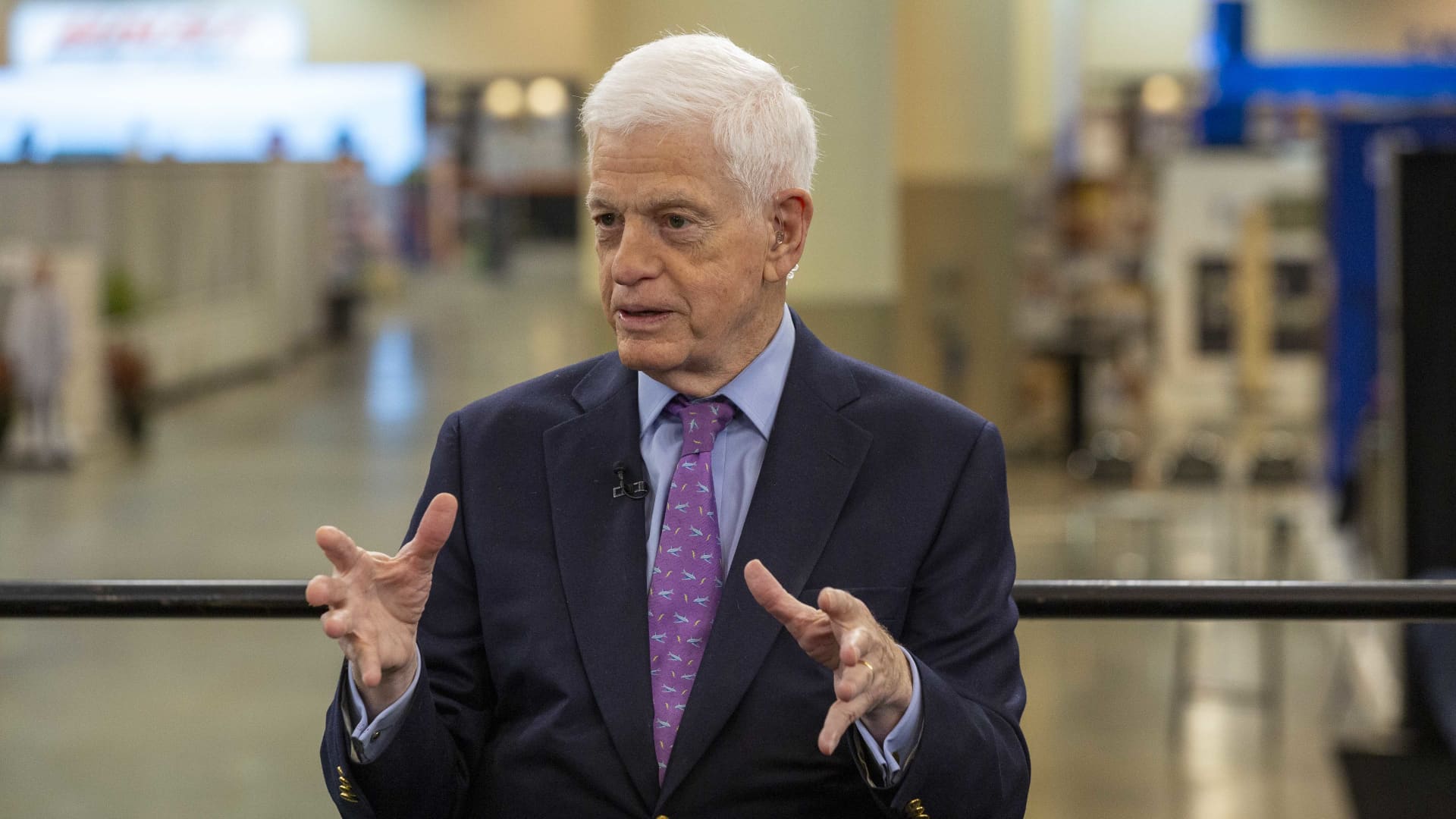
Value Investors Pitch Stock Ideas at New York Conference


- CF Industries Cash Flow Advantage: Amid soaring liquid fertilizer prices due to shipping bottlenecks in the Strait of Hormuz, Jennifer Wallace from Summit Street Capital highlighted CF Industries as a structurally advantaged 'cash-flow machine,' benefiting from its exposure to globally priced fertilizers and low-cost U.S. natural gas, positioning it as one of the most profitable producers worldwide.
- Signet Jewelers Steady Cash Flow: Wallace also pointed out that Signet Jewelers is undervalued by the market, as the company generates most of its sales in North America and holds a leading share in the U.S. bridal jewelry market, which supports steady cash generation despite concerns around consumer spending.
- Investment Opportunities in Sports Stocks: Mario Gabelli of GAMCO Investors emphasized the scarcity of sports-related stocks tied to premium live content, identifying the Atlanta Braves, Madison Square Garden Sports, and Manchester United as attractive investments, particularly noting that Madison Square Garden Sports could see a 50% increase in value.
- Scotts Miracle-Gro Undervalued: John Rogers from Ariel Investments highlighted Scotts Miracle-Gro's strong brand and potential for shareholder returns, expecting the lawn-care company to rely more on share buybacks, which he believes could drive both earnings and stock price higher.
See More

U.S. Stocks Decline Amid Rising Energy Costs and Inflation Fears

- Market Decline: The S&P 500 Index fell by 0.88% and the Nasdaq 100 Index dropped by 1.22%, both reaching 3.75-month lows, indicating market concerns over rising energy costs potentially impacting economic growth and inflation.
- Rising Bond Yields: The 10-year Treasury note yield rose to 4.38%, a 7.5-month high, reflecting market fears that surging energy prices from the Iran conflict will boost inflation and may force the Fed to tighten monetary policy.
- Escalating International Tensions: The Iran war has entered its 21st day with attacks on neighboring countries, leading Kuwait to shut down refinery units and Saudi Arabia and the UAE intercepting Iranian missiles, worsening market sentiment and increasing investor anxiety.
- Increased Market Volatility: With the quarterly triple witching event, approximately $5.7 trillion in options and derivatives are set to expire, potentially heightening market volatility and further intensifying investor unease.
See More
Vertical Farming Faces Survival Challenges After Billions in Funding
- Industry Struggles: After attracting billions in venture capital, vertical farming is now facing survival challenges, with notable startups like Bowery Farming and AppHarvest shutting down, leaving only a fraction of early entrants operational, highlighting the high risks and uncertainties in the sector.
- Cost Pressures: Vertical farms require expensive infrastructure such as warehouses, lighting, and custom systems, and they struggle against traditional agriculture, which operates with higher efficiency and thinner margins, leading to squeezed profitability across the industry.
- Demand Misestimation: Many companies overestimated market demand by focusing on premium products like lettuce, facing strong competition and limited pricing power, prompting some to pivot towards niche crops like strawberries to attract customers willing to pay more.
- Strategic Shifts: Survivors in the industry are adjusting their strategies by moving towards smaller, focused operations and forming partnerships with institutions like schools and hospitals, replacing earlier ambitions of mass-market disruption, indicating a role as a complement rather than a replacement for traditional agriculture.
See More
Trump's Meeting with Japan's PM Influences Global Economy
- Global Economic Turmoil: Trump's meeting with Japan's Prime Minister Takaichi highlights his dominant role in global affairs, particularly regarding Iran, leading to a nearly $1 increase, or 33%, in U.S. gas prices over the past month, exacerbating economic uncertainty.
- Energy Market Pressure: Traffic disruptions in the Strait of Hormuz, which carries 20% of the world's crude oil, have led markets to expect oil prices to remain above $80 a barrel, reflecting concerns over potential escalation of conflict that could further damage energy production facilities.
- Agricultural Supply Chain Crisis: Fertilizer component shortages pose a significant challenge to U.S. agriculture, with farmers warning that ongoing conflict may worsen this issue, impacting food production and price stability.
- Fed Policy Complications: Trump's control over military and economic policies complicates the Federal Reserve's efforts to manage inflation and employment, especially as the nomination of a new Fed chair is stalled due to ongoing investigations, leaving markets uncertain about future policy directions.
See More
Mosaic Company Shares Drop Nearly 10% Amid Downgrade
- Stock Decline: The Mosaic Company experienced a third consecutive day of decline, dropping 9.96% to close at $23.59 per share, reflecting investor reactions to Bank of America's downgrade and indicating market concerns about the company's future performance.
- Rating Change: Bank of America downgraded Mosaic's rating from 'Buy' to 'Neutral', primarily due to inflation in raw materials caused by the ongoing Middle East conflict, although they remain optimistic about the phosphate market's outlook, suggesting potential impacts on earnings growth and cash flow.
- Expansion Plans: Earlier this month, Mosaic announced plans to ramp up rare earth production at the Uberaba mine site in Brazil, with an expected processing capacity of 2.7 million tons of phosphogypsum per year and production of 1,900 tons of separated neodymium and praseodymium oxide, indicating strategic positioning in emerging markets.
- Partnership Development: The initiative will be executed through its subsidiary, Mosaic Fertilizantes P&K Limitada, in collaboration with Rainbow Rare Earths Ltd, with both parties having completed an economic assessment that highlights significant development potential for the mine, potentially driving future growth for the company.
See More
US Stocks Plunge Amid Rising Energy Costs and Geopolitical Tensions
- Market Plunge: The S&P 500 fell by 1.51%, the Dow Jones by 0.96%, and the Nasdaq 100 by 1.88%, all hitting 6.25-month lows, indicating investor concerns over rising energy costs from the Iran conflict and its potential impact on inflation and economic growth.
- Rising Bond Yields: The 10-year Treasury yield rose to 4.39%, a 7.5-month high, reflecting market fears that surging energy prices could lead to increased inflation, potentially forcing the Fed to tighten monetary policy, thereby heightening market uncertainty.
- Geopolitical Tensions: The Pentagon's preparations to deploy ground troops to Iran and the consideration of taking over Kharg Island, a key oil-export site, have escalated concerns about Middle Eastern stability, contributing to persistently high global oil prices and affecting investor confidence.
- Airline Stocks Decline: Major airlines like United Airlines, American Airlines, and Southwest Airlines saw stock declines of over 3% due to soaring fuel costs, indicating the potential erosion of corporate profits and overall profitability in the airline sector.
See More
Value Investors Pitch Stock Ideas at New York Conference
- CF Industries Cash Flow Advantage: Amid soaring liquid fertilizer prices due to shipping bottlenecks in the Strait of Hormuz, Jennifer Wallace from Summit Street Capital highlighted CF Industries as a structurally advantaged 'cash-flow machine,' benefiting from its exposure to globally priced fertilizers and low-cost U.S. natural gas, positioning it as one of the most profitable producers worldwide.
- Signet Jewelers Steady Cash Flow: Wallace also pointed out that Signet Jewelers is undervalued by the market, as the company generates most of its sales in North America and holds a leading share in the U.S. bridal jewelry market, which supports steady cash generation despite concerns around consumer spending.
- Investment Opportunities in Sports Stocks: Mario Gabelli of GAMCO Investors emphasized the scarcity of sports-related stocks tied to premium live content, identifying the Atlanta Braves, Madison Square Garden Sports, and Manchester United as attractive investments, particularly noting that Madison Square Garden Sports could see a 50% increase in value.
- Scotts Miracle-Gro Undervalued: John Rogers from Ariel Investments highlighted Scotts Miracle-Gro's strong brand and potential for shareholder returns, expecting the lawn-care company to rely more on share buybacks, which he believes could drive both earnings and stock price higher.
See More
U.S. Stocks Decline Amid Rising Energy Costs and Inflation Fears
- Market Decline: The S&P 500 Index fell by 0.88% and the Nasdaq 100 Index dropped by 1.22%, both reaching 3.75-month lows, indicating market concerns over rising energy costs potentially impacting economic growth and inflation.
- Rising Bond Yields: The 10-year Treasury note yield rose to 4.38%, a 7.5-month high, reflecting market fears that surging energy prices from the Iran conflict will boost inflation and may force the Fed to tighten monetary policy.
- Escalating International Tensions: The Iran war has entered its 21st day with attacks on neighboring countries, leading Kuwait to shut down refinery units and Saudi Arabia and the UAE intercepting Iranian missiles, worsening market sentiment and increasing investor anxiety.
- Increased Market Volatility: With the quarterly triple witching event, approximately $5.7 trillion in options and derivatives are set to expire, potentially heightening market volatility and further intensifying investor unease.
See More