VersaBank Appoints Nicolas Ospina as Global CFO
Written by Emily J. Thompson, Senior Investment Analyst
Updated: Dec 19 2025
0mins

Should l Buy RJF?
Nicolas Ospina has been appointed to the newly created role of Global CFO with responsibility for oversight of VersaBank's (VBNK) finance function at the corporate level. Ospina joins VersaBank from Raymond James' (RJF) Financial Services Investment Banking Group, bringing over a decade of banking, financial services, and capital markets experience to our organization. The appointment is effective January 5, 2026.
Trade with 70% Backtested Accuracy
Stop guessing "Should I Buy RJF?" and start using high-conviction signals backed by rigorous historical data.
Sign up today to access powerful investing tools and make smarter, data-driven decisions.
Analyst Views on RJF
Wall Street analysts forecast RJF stock price to rise
9 Analyst Rating
2 Buy
7 Hold
0 Sell
Hold
Current: 155.770

Low
176.00
Averages
184.00
High
196.00
Current: 155.770
Low
176.00
Averages
184.00
High
196.00
About RJF
Raymond James Financial, Inc. is a diversified financial services company that provides services to individuals, corporations and municipalities. The Company's segments include Private Client Group (PCG), Capital Markets, Asset Management, Bank and Other. PCG segment provides financial planning, investment advisory, and securities transaction services to clients through financial advisors. Capital Markets segment conducts investment banking, institutional sales, securities trading, equity research, and the syndication and management of investments in low-income housing funds and funds of a similar nature. Asset Management segment provides asset management, portfolio management and related administrative services to retail and institutional clients. Bank segment includes Raymond James Bank, a Florida-chartered state member bank, and TriState Capital Bank, a Pennsylvania-chartered state member bank. Other segment includes corporate cash balances and its private equity investments.
About the author

Emily J. Thompson
Emily J. Thompson, a Chartered Financial Analyst (CFA) with 12 years in investment research, graduated with honors from the Wharton School. Specializing in industrial and technology stocks, she provides in-depth analysis for Intellectia’s earnings and market brief reports.

Brent Crude Prices Experience Increased Volatility


- Market Pressure Intensifies: The spot price of Brent crude reached $131.97 per barrel on Thursday afternoon, up over 7% from the previous session but still below Tuesday's record high of $144.42, indicating heightened concerns over tight oil supplies.
- Geopolitical Risks: Disruptions in the Strait of Hormuz affect approximately 20% of global oil and gas flows, and while the ceasefire has temporarily eased tensions, market participants remain cautious about future supply recovery.
- Significant Price Discrepancies: An unprecedented gap has emerged between dated Brent and front-month Brent futures, suggesting that even in a de-escalating geopolitical environment, actual oil supplies remain constrained, potentially exacerbating product tightness.
- Changing Trading Patterns: Analysts note that traditional trading patterns have broken down due to supply disruptions, with Russian Urals crude prices exceeding Brent by $30 at times, highlighting unprecedented uncertainty and stress in the market.
See More

Raymond James vs Citizens Financial Market Cap Comparison

- Market Cap Comparison: Raymond James Financial Inc (RJF) has a market cap of $28.06 billion, compared to Citizens Financial Group Inc (CFG) at $26.18 billion, indicating RJF's relative strength in the market, which may attract more large investors.
- Investor Misconceptions: Many novice investors mistakenly compare company values solely based on stock prices, but market capitalization provides a more accurate assessment of a company's value, aiding investors in making informed decisions.
- Market Positioning Impact: Market cap not only affects a company's ranking among peers but also determines which mutual funds and ETFs are willing to hold the stock, particularly as large funds tend to favor companies with market caps exceeding $10 billion.
- Stock Performance: At Wednesday's close, RJF's stock rose approximately 3.8%, while CFG increased by about 3.5%, reflecting both companies' positive market performance, potentially drawing more investor interest.
See More
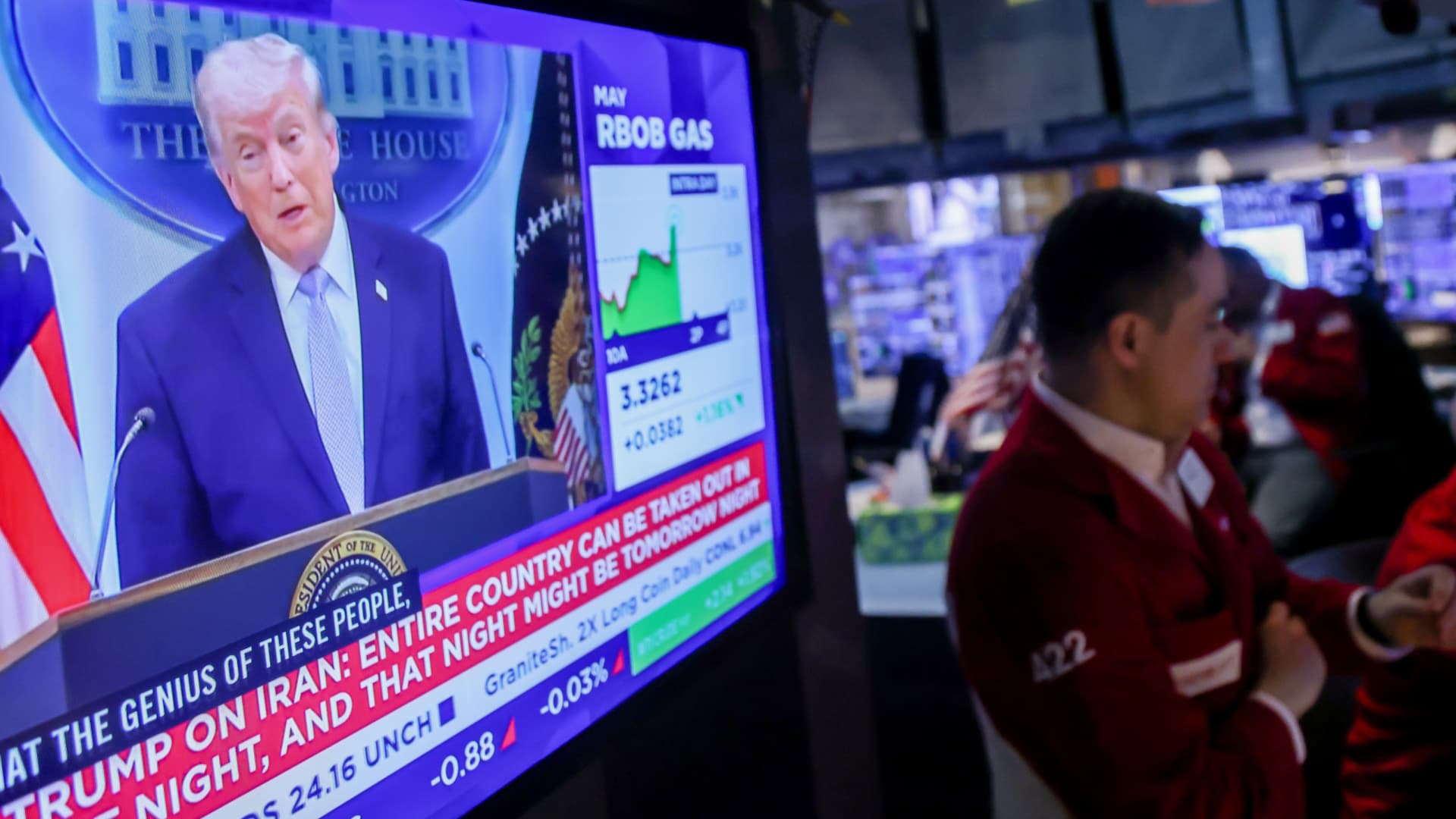
Wall Street Deciphers Trump's Brinkmanship Strategy

- Market Reaction Pattern: As investors increasingly believe that Trump's escalation tactics follow a familiar script, the so-called TACO trade (Trump Always Chickens Out) begins to shape market positioning, with traders buying on weakness in anticipation of an eventual off-ramp, demonstrating the market's adaptation to Trump's threats.
- Oil and Stock Volatility: Trump's pause on planned strikes against Iran just minutes before the deadline led to a surge in stocks, with the S&P 500 rising 3.4% after six weeks of declines, while oil prices tumbled, reflecting that the market had already anticipated this news.
- Increased Investor Confidence: As geopolitical-driven selling has become progressively muted, investor confidence in the TACO trade has grown, with the market's response to extreme threats becoming increasingly subdued, indicating a reassessment of risks based on historical experiences.
- Policy Constraint Risks: The market's diminishing reaction to Trump's aggressive rhetoric may weaken its role as a policy constraint, raising the risk of further brinkmanship, with analysts warning that this situation could lead to more dangerous outcomes.
See More

RAYMOND JAMES FINANCIAL: BARCLAYS LOWERS TARGET PRICE FROM $196 TO $174

- Barclays Target Price Adjustment: Barclays has reduced its target price for Raymond James from $196 to $174.
- Market Impact: This adjustment reflects Barclays' updated outlook on Raymond James' financial performance and market conditions.
See More
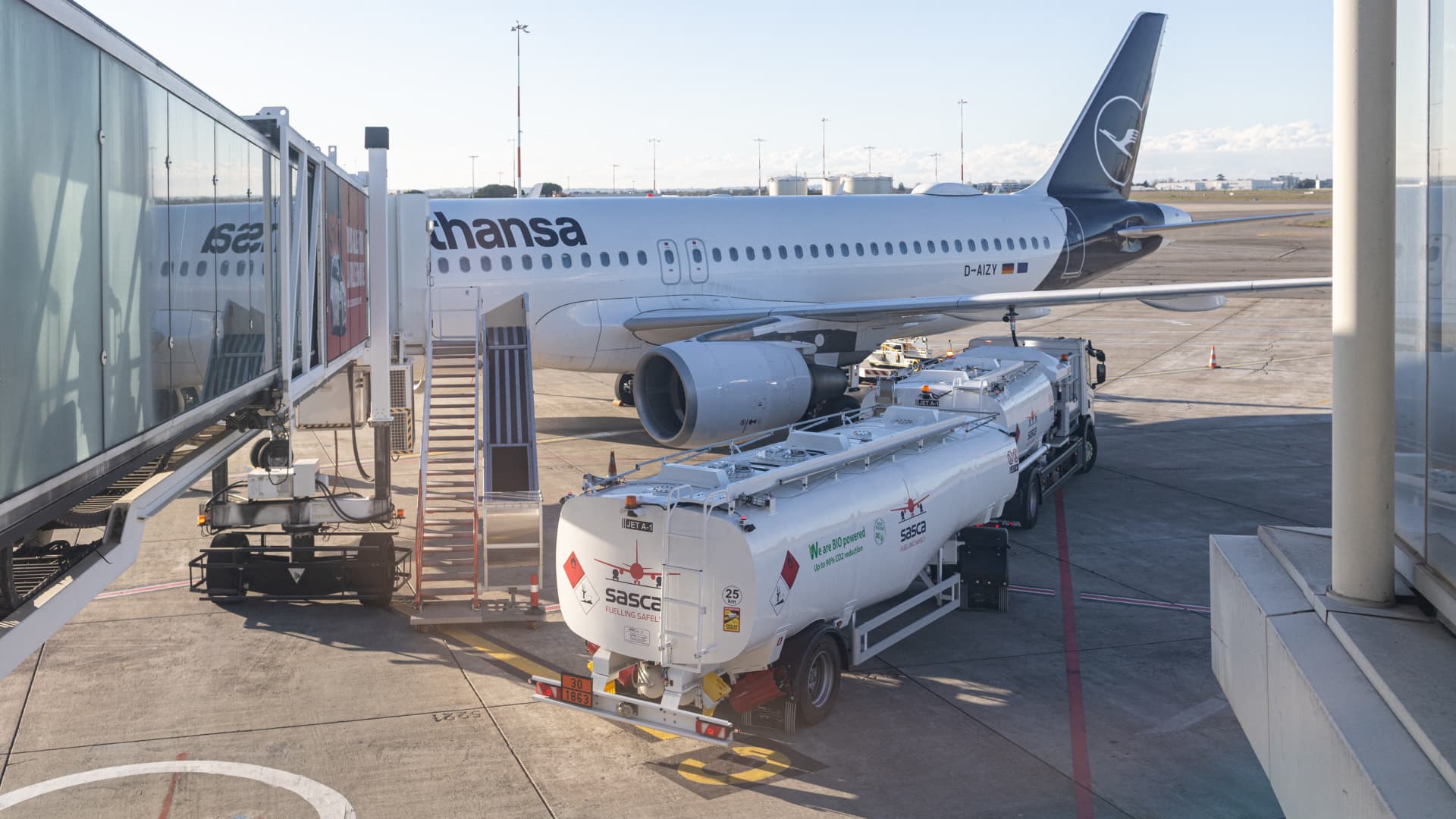
Airlines Face Challenges from Soaring Jet Fuel Prices


- Surging Fuel Prices: Since the U.S. and Israel's attack on Iran on February 28, jet fuel prices in the U.S. have nearly doubled from $2.50 to $4.88 per gallon, forcing airlines to consider cutting flights due to rising costs and potential demand drops.
- Flight Reduction Plans: Deutsche Lufthansa CEO Carsten Spohr announced that the airline is developing contingency plans, including the possibility of grounding aircraft, in response to the Middle East conflict and the associated risks of fuel shortages and demand declines.
- Domestic Capacity Adjustments: According to a UBS report, U.S. carriers' domestic capacity is expected to grow by 2.1% in Q2, down from the previously anticipated 2.3%, with further capacity cuts likely in the coming weeks as airlines respond to rising fuel prices.
- Ticket Price Increases: Airlines have begun raising airfare and checked baggage fees to offset increased fuel costs, and while demand remains strong, sustained high fuel prices could lead to reduced consumer spending, impacting airline profitability.
See More

Citi Upgrades Wingstop to Buy, Optimistic Outlook Ahead

- Upgrade Announcement: Citi upgraded Wingstop from neutral to buy, lowering its price target from $286 to $230, which still implies a 39.5% upside, reflecting confidence in the company's future performance despite recent challenges.
- Sales Challenges: Wingstop reported a 5.8% decline in same-store sales for 2025 and forecasts flat to low-single-digit growth for 2026, indicating that tightening consumer spending has negatively impacted its business and raised investor concerns about brand positioning.
- Strong New Store Performance: Despite the sales decline, Wingstop's new store returns remain robust at over 70% in 2025, indicating strong franchisee demand for new locations and supporting future expansion potential.
- Brand Awareness Growth: Wingstop has made encouraging strides in brand awareness and guest conversion rates, and despite intensified competition, its footprint and brand influence in the U.S. continue to expand, suggesting growth potential even in challenging times.
See More
Brent Crude Prices Experience Increased Volatility
- Market Pressure Intensifies: The spot price of Brent crude reached $131.97 per barrel on Thursday afternoon, up over 7% from the previous session but still below Tuesday's record high of $144.42, indicating heightened concerns over tight oil supplies.
- Geopolitical Risks: Disruptions in the Strait of Hormuz affect approximately 20% of global oil and gas flows, and while the ceasefire has temporarily eased tensions, market participants remain cautious about future supply recovery.
- Significant Price Discrepancies: An unprecedented gap has emerged between dated Brent and front-month Brent futures, suggesting that even in a de-escalating geopolitical environment, actual oil supplies remain constrained, potentially exacerbating product tightness.
- Changing Trading Patterns: Analysts note that traditional trading patterns have broken down due to supply disruptions, with Russian Urals crude prices exceeding Brent by $30 at times, highlighting unprecedented uncertainty and stress in the market.
See More
Raymond James vs Citizens Financial Market Cap Comparison
- Market Cap Comparison: Raymond James Financial Inc (RJF) has a market cap of $28.06 billion, compared to Citizens Financial Group Inc (CFG) at $26.18 billion, indicating RJF's relative strength in the market, which may attract more large investors.
- Investor Misconceptions: Many novice investors mistakenly compare company values solely based on stock prices, but market capitalization provides a more accurate assessment of a company's value, aiding investors in making informed decisions.
- Market Positioning Impact: Market cap not only affects a company's ranking among peers but also determines which mutual funds and ETFs are willing to hold the stock, particularly as large funds tend to favor companies with market caps exceeding $10 billion.
- Stock Performance: At Wednesday's close, RJF's stock rose approximately 3.8%, while CFG increased by about 3.5%, reflecting both companies' positive market performance, potentially drawing more investor interest.
See More
Wall Street Deciphers Trump's Brinkmanship Strategy
- Market Reaction Pattern: As investors increasingly believe that Trump's escalation tactics follow a familiar script, the so-called TACO trade (Trump Always Chickens Out) begins to shape market positioning, with traders buying on weakness in anticipation of an eventual off-ramp, demonstrating the market's adaptation to Trump's threats.
- Oil and Stock Volatility: Trump's pause on planned strikes against Iran just minutes before the deadline led to a surge in stocks, with the S&P 500 rising 3.4% after six weeks of declines, while oil prices tumbled, reflecting that the market had already anticipated this news.
- Increased Investor Confidence: As geopolitical-driven selling has become progressively muted, investor confidence in the TACO trade has grown, with the market's response to extreme threats becoming increasingly subdued, indicating a reassessment of risks based on historical experiences.
- Policy Constraint Risks: The market's diminishing reaction to Trump's aggressive rhetoric may weaken its role as a policy constraint, raising the risk of further brinkmanship, with analysts warning that this situation could lead to more dangerous outcomes.
See More
RAYMOND JAMES FINANCIAL: BARCLAYS LOWERS TARGET PRICE FROM $196 TO $174
- Barclays Target Price Adjustment: Barclays has reduced its target price for Raymond James from $196 to $174.
- Market Impact: This adjustment reflects Barclays' updated outlook on Raymond James' financial performance and market conditions.
See More
Airlines Face Challenges from Soaring Jet Fuel Prices
- Surging Fuel Prices: Since the U.S. and Israel's attack on Iran on February 28, jet fuel prices in the U.S. have nearly doubled from $2.50 to $4.88 per gallon, forcing airlines to consider cutting flights due to rising costs and potential demand drops.
- Flight Reduction Plans: Deutsche Lufthansa CEO Carsten Spohr announced that the airline is developing contingency plans, including the possibility of grounding aircraft, in response to the Middle East conflict and the associated risks of fuel shortages and demand declines.
- Domestic Capacity Adjustments: According to a UBS report, U.S. carriers' domestic capacity is expected to grow by 2.1% in Q2, down from the previously anticipated 2.3%, with further capacity cuts likely in the coming weeks as airlines respond to rising fuel prices.
- Ticket Price Increases: Airlines have begun raising airfare and checked baggage fees to offset increased fuel costs, and while demand remains strong, sustained high fuel prices could lead to reduced consumer spending, impacting airline profitability.
See More
Citi Upgrades Wingstop to Buy, Optimistic Outlook Ahead
- Upgrade Announcement: Citi upgraded Wingstop from neutral to buy, lowering its price target from $286 to $230, which still implies a 39.5% upside, reflecting confidence in the company's future performance despite recent challenges.
- Sales Challenges: Wingstop reported a 5.8% decline in same-store sales for 2025 and forecasts flat to low-single-digit growth for 2026, indicating that tightening consumer spending has negatively impacted its business and raised investor concerns about brand positioning.
- Strong New Store Performance: Despite the sales decline, Wingstop's new store returns remain robust at over 70% in 2025, indicating strong franchisee demand for new locations and supporting future expansion potential.
- Brand Awareness Growth: Wingstop has made encouraging strides in brand awareness and guest conversion rates, and despite intensified competition, its footprint and brand influence in the U.S. continue to expand, suggesting growth potential even in challenging times.
See More