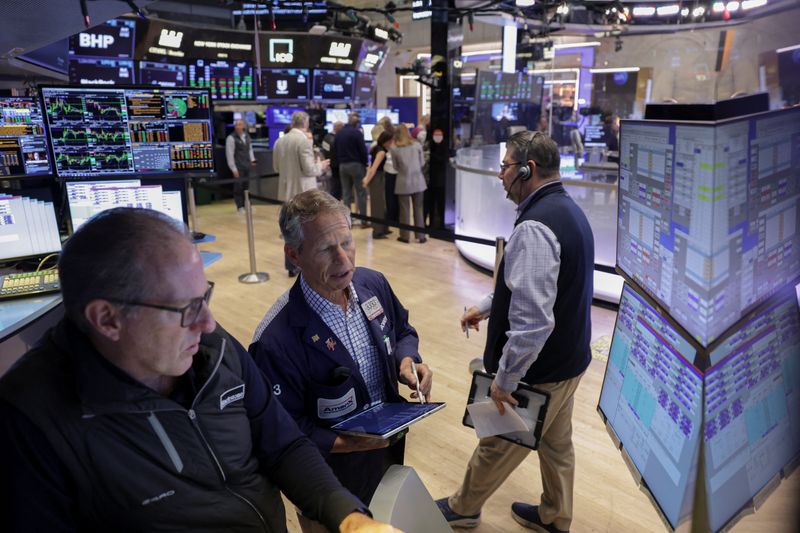
Used Vehicle Price Index Rises 4%
Written by Emily J. Thompson, Senior Investment Analyst
Updated: Mar 06 2026
0mins


Source: CNBC
- Index Increase: Cox Automotive reported a 4% year-over-year increase in the used vehicle price index for February 2026, reaching 212.3, which is up 0.8% from January 2023, indicating strong demand and an increase in dealer inventories.
- Sales Conversion Rates Rise: Jeremy Robb, Cox's chief economist, noted that since the beginning of 2026, sales conversion rates at Manheim have been solid, reflecting dealers' strong appetite for purchasing, particularly with prices rising unexpectedly in the latter half of February.
- Tax Refund Impact: Robb suggested that anticipated higher tax returns for American consumers could boost vehicle demand, although risks from the war in Iran may dampen consumer appetite in the short term, especially as gas prices rise.
- Historical Price Comparison: While used vehicle prices remain high compared to historical levels, the average listing price in January was $25,533, down from over $28,000 in 2022, yet still demonstrating market resilience, with expectations for wholesale prices to end 2% higher than December 2025.
Trade with 70% Backtested Accuracy
Stop guessing "Should I Buy KMX?" and start using high-conviction signals backed by rigorous historical data.
Sign up today to access powerful investing tools and make smarter, data-driven decisions.
Analyst Views on KMX
Wall Street analysts forecast KMX stock price to fall
13 Analyst Rating
0 Buy
10 Hold
3 Sell
Hold
Current: 37.330

Low
24.00
Averages
33.60
High
37.00
Current: 37.330
Low
24.00
Averages
33.60
High
37.00
About KMX
CarMax, Inc. is a retailer of used autos. The Company operates through two segments: CarMax Sales Operations and CarMax Auto Finance (CAF). The CarMax Sales Operations segment consists of all aspects of its auto merchandising and service operations. The CarMax Sales Operations segment sells used vehicles, purchases used vehicles from customers and other sources, sells related products and services, and arranges financing options for customers. The CAF segment consists solely of its own finance operation that provides financing for customers buying retail vehicles from the Company. The CAF segment also services all auto loans, it originates and is responsible for providing billing statements, collecting payments, maintaining contact with delinquent customers, and arranging for the repossession of vehicles securing defaulted loans. It provides customers with a range of other related products and services, including extended protection plan (EPP) products and vehicle repair services.
About the author

Emily J. Thompson
Emily J. Thompson, a Chartered Financial Analyst (CFA) with 12 years in investment research, graduated with honors from the Wharton School. Specializing in industrial and technology stocks, she provides in-depth analysis for Intellectia’s earnings and market brief reports.

CarMax Under Investigation for Possible Securities Fraud

- Securities Fraud Investigation: Pomerantz LLP is investigating whether CarMax has engaged in securities fraud or other unlawful business practices, indicating serious concerns regarding the company's governance and potential legal ramifications for investors.
- Financial Performance: Despite exceeding expectations for same-store sales and revenue in Q4 2026, management's announcement to lower used car prices and target customers with lower credit scores to address the affordability crisis reflects significant market pressures facing the company.
- Stock Price Decline: Following the news, CarMax's stock price fell by $7.42, or 15.12%, closing at $41.66 per share, highlighting investor concerns about the company's future profitability and market position.
- Legal Implications: Pomerantz LLP, a premier firm in securities class action litigation with over 85 years of experience, suggests that more investors may join the class action, increasing the legal risks faced by CarMax and potentially impacting its financial stability.
See More
Starboard Value Initiates New Positions in Consumer Stocks

- New Investment Positions: Activist investor Starboard Value initiated new positions in two consumer stocks, Lamb Weston and Carmax, valued at approximately $258 million as of March 31, indicating a strategic focus on the consumer sector.
- Strong Quarterly Performance: In the first quarter, Lamb Weston saw a nearly 2% increase in stock price, while Carmax jumped over 7%, reflecting an improvement in market performance and a potential recovery in consumer demand.
- Divergent Year-to-Date Trends: Despite Lamb Weston gaining over 5% in 2026, Carmax has fallen more than 4%, highlighting a significant divergence in their market trajectories that could influence investor decisions moving forward.
- Increased Stake in Bitcoin Stock: Starboard also raised its position in Riot Platforms by 22%, and although the stock declined more than 2% in the quarter, it has surged over 85% this year, demonstrating ongoing confidence in digital infrastructure investments.
See More
CarMax Under Investigation Amid 15.12% Stock Drop Following Earnings Report
- Investigation Launched: Pomerantz LLP is investigating whether CarMax has engaged in securities fraud or other unlawful business practices, which could undermine investor confidence and lead to legal action.
- Earnings Report Performance: Despite exceeding expectations for same-store sales and revenue in Q4 2026, CarMax's management announced plans to lower used car prices and target customers with lower credit scores to address the affordability crisis in the auto industry.
- Stock Price Reaction: Following the earnings report, CarMax's stock price fell by $7.42, or 15.12%, closing at $41.66, indicating market concerns regarding the company's future strategies.
- Legal Context: Pomerantz LLP, a prominent securities class action law firm with over 85 years of experience, focuses on advocating for victims of securities fraud and corporate misconduct, which may significantly impact CarMax's legal outlook.
See More

Analysis of Current Auto Loan Market Trends

- Stable Consumer Burden: Despite rising car prices and interest rates, the percentage of income consumers spend on automotive expenses has remained around 10% since 2019, indicating a stable burden on consumers and reflecting market resilience.
- Trend of Extended Loan Terms: An increasing number of consumers are opting for longer loan terms to lower monthly payments, with data showing that 90.2% of new vehicle loans involving trade-ins with negative equity have terms of at least 72 months, and 43% extend to 84 months, potentially leading to higher debt risks for consumers when trading in vehicles.
- Escalating Negative Equity Issues: As of April 2023, approximately 26% of used vehicle purchases involved negative equity, with an average negative equity of $5,105, a 35% increase from 2019, indicating greater financial pressure on consumers when trading in vehicles.
- Market Price Comparison: According to Cox data, the average listed price of a used vehicle was $25,390 in March, compared to an average new vehicle price of $48,667, highlighting the relative stability of the used car market and reflecting consumers' economic considerations when choosing loans.
See More

Carvana's First Forward Stock Split Sparks Investor Interest


- Significant Price Surge: Carvana's stock skyrocketed from an all-time low of $3.72 in December 2022 to $379, reflecting a staggering 10,091% increase, showcasing the success of its online used-car sales model and attracting investor interest.
- First Forward Split: Announced on March 13, Carvana's 5-for-1 forward stock split aims to enhance stock accessibility for all team members while lowering the purchase threshold for retail investors, with an expected post-split price around $76.
- Remarkable Sales Growth: Carvana achieved a 49% sales growth last year, contrasting sharply with its main competitor CarMax's low single-digit growth, indicating Carvana's competitive edge and growth potential in the market.
- Shift to Profitability: With nearly $1.9 billion in net income last year, bolstered by tax benefits, Carvana's high valuation premium raises caution among investors, as companies with inflated valuations are often hit hardest during market downturns.
See More

Analysis of Companies with Varied Cash Flow Performance

- CarMax Sales Weakness: CarMax (KMX) has experienced disappointing same-store sales over the past two years, indicating poor customer response to its product selection and store experience, resulting in a gross margin of only 6%, with a current stock price of $39.15 and a forward P/E of 16.2, suggesting caution for investors.
- Matson's Lackluster Growth: Matson (MATX) has shown only 4% annual growth over the past two years, below the industry average, and a 12.9 percentage point decline in free cash flow margin over the last five years indicates increased investments to maintain market position, with a current stock price of $174.50 and a forward P/E of 12.9, reflecting declining returns on capital.
- Talos Energy's Strong Performance: Talos Energy (TALO) has achieved an exceptional 20.8% annual revenue growth over the past eight years, with a gross margin of 72.3% and a free cash flow margin of 24.4%, allowing for consistent reinvestment or capital return, currently priced at $15.93 with a forward P/E of 493.2, highlighting its market potential.
- Characteristics of Market Winners: StockStory's analysis indicates that successful stocks often share a common trait of rapidly growing revenues, as seen with companies like Meta, CrowdStrike, and Broadcom, which have all returned over 300%, showcasing strong market performance and investment appeal.
See More
CarMax Under Investigation for Possible Securities Fraud
- Securities Fraud Investigation: Pomerantz LLP is investigating whether CarMax has engaged in securities fraud or other unlawful business practices, indicating serious concerns regarding the company's governance and potential legal ramifications for investors.
- Financial Performance: Despite exceeding expectations for same-store sales and revenue in Q4 2026, management's announcement to lower used car prices and target customers with lower credit scores to address the affordability crisis reflects significant market pressures facing the company.
- Stock Price Decline: Following the news, CarMax's stock price fell by $7.42, or 15.12%, closing at $41.66 per share, highlighting investor concerns about the company's future profitability and market position.
- Legal Implications: Pomerantz LLP, a premier firm in securities class action litigation with over 85 years of experience, suggests that more investors may join the class action, increasing the legal risks faced by CarMax and potentially impacting its financial stability.
See More
Starboard Value Initiates New Positions in Consumer Stocks
- New Investment Positions: Activist investor Starboard Value initiated new positions in two consumer stocks, Lamb Weston and Carmax, valued at approximately $258 million as of March 31, indicating a strategic focus on the consumer sector.
- Strong Quarterly Performance: In the first quarter, Lamb Weston saw a nearly 2% increase in stock price, while Carmax jumped over 7%, reflecting an improvement in market performance and a potential recovery in consumer demand.
- Divergent Year-to-Date Trends: Despite Lamb Weston gaining over 5% in 2026, Carmax has fallen more than 4%, highlighting a significant divergence in their market trajectories that could influence investor decisions moving forward.
- Increased Stake in Bitcoin Stock: Starboard also raised its position in Riot Platforms by 22%, and although the stock declined more than 2% in the quarter, it has surged over 85% this year, demonstrating ongoing confidence in digital infrastructure investments.
See More
CarMax Under Investigation Amid 15.12% Stock Drop Following Earnings Report
- Investigation Launched: Pomerantz LLP is investigating whether CarMax has engaged in securities fraud or other unlawful business practices, which could undermine investor confidence and lead to legal action.
- Earnings Report Performance: Despite exceeding expectations for same-store sales and revenue in Q4 2026, CarMax's management announced plans to lower used car prices and target customers with lower credit scores to address the affordability crisis in the auto industry.
- Stock Price Reaction: Following the earnings report, CarMax's stock price fell by $7.42, or 15.12%, closing at $41.66, indicating market concerns regarding the company's future strategies.
- Legal Context: Pomerantz LLP, a prominent securities class action law firm with over 85 years of experience, focuses on advocating for victims of securities fraud and corporate misconduct, which may significantly impact CarMax's legal outlook.
See More
Analysis of Current Auto Loan Market Trends
- Stable Consumer Burden: Despite rising car prices and interest rates, the percentage of income consumers spend on automotive expenses has remained around 10% since 2019, indicating a stable burden on consumers and reflecting market resilience.
- Trend of Extended Loan Terms: An increasing number of consumers are opting for longer loan terms to lower monthly payments, with data showing that 90.2% of new vehicle loans involving trade-ins with negative equity have terms of at least 72 months, and 43% extend to 84 months, potentially leading to higher debt risks for consumers when trading in vehicles.
- Escalating Negative Equity Issues: As of April 2023, approximately 26% of used vehicle purchases involved negative equity, with an average negative equity of $5,105, a 35% increase from 2019, indicating greater financial pressure on consumers when trading in vehicles.
- Market Price Comparison: According to Cox data, the average listed price of a used vehicle was $25,390 in March, compared to an average new vehicle price of $48,667, highlighting the relative stability of the used car market and reflecting consumers' economic considerations when choosing loans.
See More
Carvana's First Forward Stock Split Sparks Investor Interest
- Significant Price Surge: Carvana's stock skyrocketed from an all-time low of $3.72 in December 2022 to $379, reflecting a staggering 10,091% increase, showcasing the success of its online used-car sales model and attracting investor interest.
- First Forward Split: Announced on March 13, Carvana's 5-for-1 forward stock split aims to enhance stock accessibility for all team members while lowering the purchase threshold for retail investors, with an expected post-split price around $76.
- Remarkable Sales Growth: Carvana achieved a 49% sales growth last year, contrasting sharply with its main competitor CarMax's low single-digit growth, indicating Carvana's competitive edge and growth potential in the market.
- Shift to Profitability: With nearly $1.9 billion in net income last year, bolstered by tax benefits, Carvana's high valuation premium raises caution among investors, as companies with inflated valuations are often hit hardest during market downturns.
See More
Analysis of Companies with Varied Cash Flow Performance
- CarMax Sales Weakness: CarMax (KMX) has experienced disappointing same-store sales over the past two years, indicating poor customer response to its product selection and store experience, resulting in a gross margin of only 6%, with a current stock price of $39.15 and a forward P/E of 16.2, suggesting caution for investors.
- Matson's Lackluster Growth: Matson (MATX) has shown only 4% annual growth over the past two years, below the industry average, and a 12.9 percentage point decline in free cash flow margin over the last five years indicates increased investments to maintain market position, with a current stock price of $174.50 and a forward P/E of 12.9, reflecting declining returns on capital.
- Talos Energy's Strong Performance: Talos Energy (TALO) has achieved an exceptional 20.8% annual revenue growth over the past eight years, with a gross margin of 72.3% and a free cash flow margin of 24.4%, allowing for consistent reinvestment or capital return, currently priced at $15.93 with a forward P/E of 493.2, highlighting its market potential.
- Characteristics of Market Winners: StockStory's analysis indicates that successful stocks often share a common trait of rapidly growing revenues, as seen with companies like Meta, CrowdStrike, and Broadcom, which have all returned over 300%, showcasing strong market performance and investment appeal.
See More