U.S. Treasury Yields Steady as Market Awaits Trump's Press Conference
Written by Emily J. Thompson, Senior Investment Analyst
Updated: 1 hour ago
0mins
Source: CNBC
- Treasury Yield Movements: The 10-year Treasury yield increased slightly to 4.3525%, with the 2-year and 30-year yields also rising marginally, indicating market caution ahead of key inflation data that could influence Federal Reserve rate decisions.
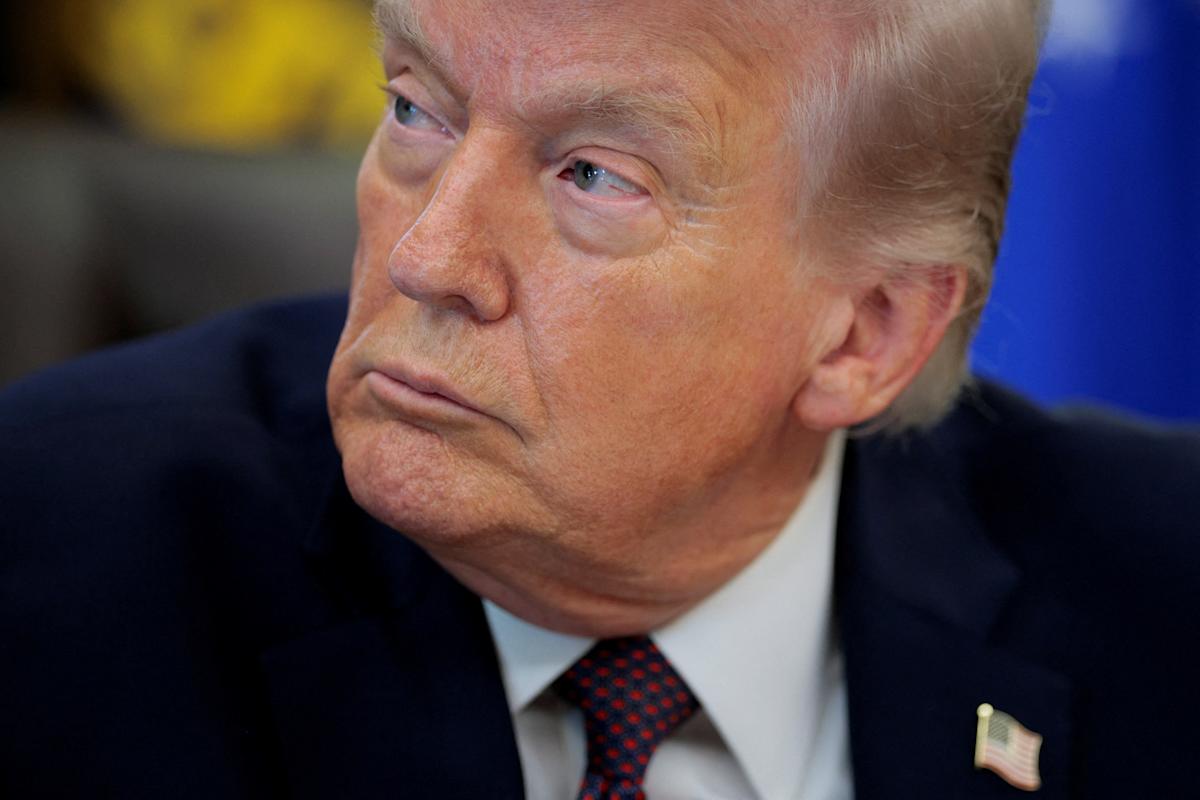
- Trump's Ultimatum: President Trump issued a fiery ultimatum to Iran, threatening to turn it into 'Hell' if the Strait of Hormuz is not reopened by the deadline, although he later expressed hope for a deal, reflecting the complexity and uncertainty of the situation.
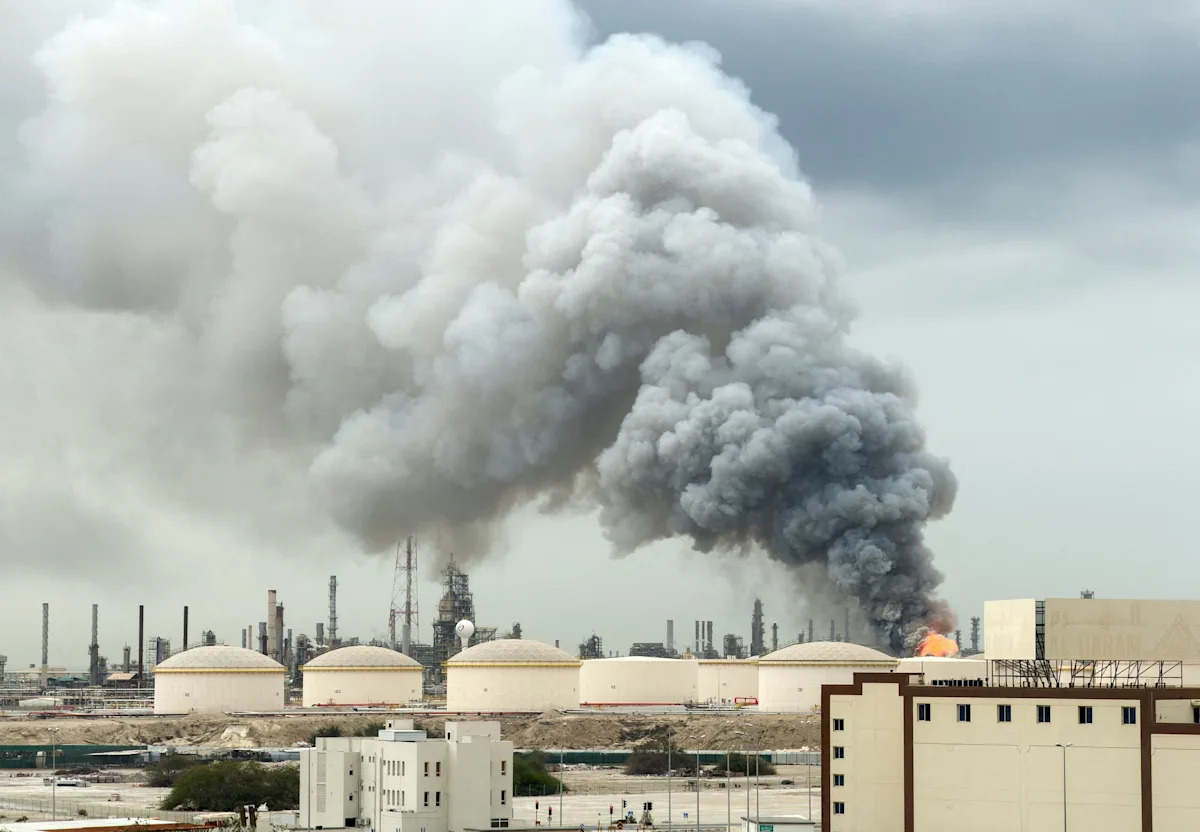
- Market Volatility Warning: As the Middle East conflict enters its sixth week, soaring energy prices have prompted fixed-income investors to reassess inflation outlooks, reducing expectations for Federal Reserve rate cuts, which may lead to heightened market volatility in the coming days.
- Potential Economic Impact: If a deal is reached, WTI oil prices could drop by $20 to $30, while the S&P 500 index might rise by up to 5%; conversely, an infrastructure strike could push crude prices to $130 to $150 per barrel, highlighting the market's sensitivity to geopolitical risks.
Trade with 70% Backtested Accuracy
Stop guessing "Should I Buy CVX?" and start using high-conviction signals backed by rigorous historical data.
Sign up today to access powerful investing tools and make smarter, data-driven decisions.
Analyst Views on CVX
Wall Street analysts forecast CVX stock price to fall
19 Analyst Rating
15 Buy
4 Hold
0 Sell
Strong Buy
Current: 197.410

Low
158.00
Averages
176.95
High
206.00
Current: 197.410
Low
158.00
Averages
176.95
High
206.00
About CVX
Chevron Corporation is an integrated energy company. The Company produces crude oil and natural gas; manufactures transportation fuels, lubricants, petrochemicals and additives; and develops technologies that enhance its business and industry. The Company’s segments include Upstream and Downstream. Upstream operations consist primarily of exploring for, developing, producing and transporting crude oil and natural gas; liquefaction, transportation and regasification associated with LNG; transporting crude oil by major international oil export pipelines; processing, transporting, storage and marketing of natural gas; carbon capture and storage; and a gas-to-liquids plant. Downstream operations consist primarily of the refining of crude oil into petroleum products; marketing crude oil, refined products, and lubricants; manufacturing and marketing of renewable fuels, and transporting of crude oil and refined products by pipeline, marine vessel, motor equipment and rail car.
About the author

Emily J. Thompson
Emily J. Thompson, a Chartered Financial Analyst (CFA) with 12 years in investment research, graduated with honors from the Wharton School. Specializing in industrial and technology stocks, she provides in-depth analysis for Intellectia’s earnings and market brief reports.
Pivotal Week for Oil Market: Trump Pressures Iran


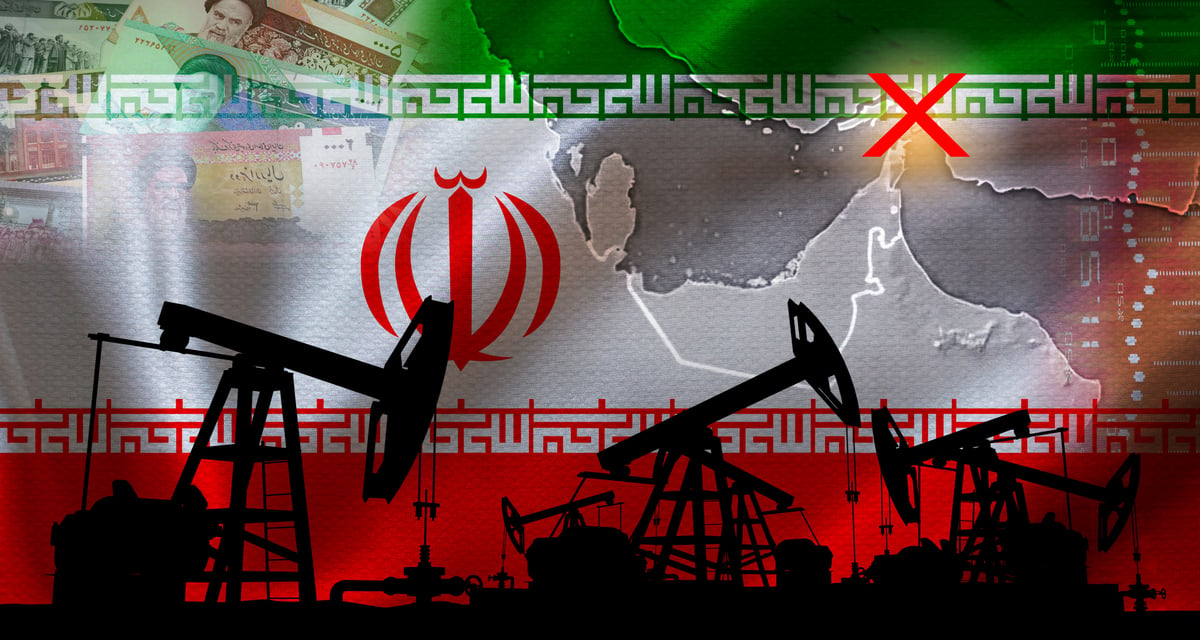
- Oil Price Volatility Risk: Trump has issued an ultimatum to Iran, demanding the reopening of the Strait of Hormuz by Monday or face military strikes, which could lead to extreme oil price fluctuations, with Brent crude potentially soaring to $150-$200 per barrel if the strait remains closed.
- Market Reaction: The closure of the Strait has already caused significant oil price increases, with Brent crude rising nearly 80% in 2026 to almost $110 per barrel, while WTI surged nearly 95% to over $112 per barrel, indicating the market's sensitivity to supply disruptions.
- Supply Chain Impact: Despite a coordinated release of 400 million barrels from emergency stockpiles by IEA member countries, the closure of the strait has displaced around 20 million barrels of oil per day, disrupting about a quarter of global seaborne oil trade.
- Investment Strategy Adjustment: In this uncertain market environment, investors should focus on energy stocks that can thrive amid oil price volatility, such as ExxonMobil and Chevron, which expect to achieve over 10% annual growth even at lower oil prices, demonstrating resilience in the current market.
See More

Trump's Ultimatum to Iran: Oil Market on Edge
- Oil Price Volatility Risk: Trump's ultimatum to Iran demands the reopening of the Strait of Hormuz by Monday, with failure likely causing oil prices to spike to $150-$200 per barrel, significantly impacting the global economy.
- Market Reaction Expectations: A ceasefire deal could lead to a gradual decline in oil prices, although they are not expected to return to pre-war levels immediately; the market anticipates WTI prices to drop to around $70 by year-end, alleviating economic pressure.
- Energy Companies' Strategies: Major oil firms like ExxonMobil and Chevron have built their businesses to thrive in low oil price environments, expecting double-digit annual growth rates through 2030, demonstrating resilience in uncertain markets.
- Geopolitical Impact: An escalation of conflict could lead Iran to attack additional energy infrastructure in the Middle East, causing severe oil price fluctuations, prompting investors to focus on high-quality energy stocks that can profit in varying market conditions.
See More
U.S. Treasury Yields Steady as Market Awaits Trump's Press Conference

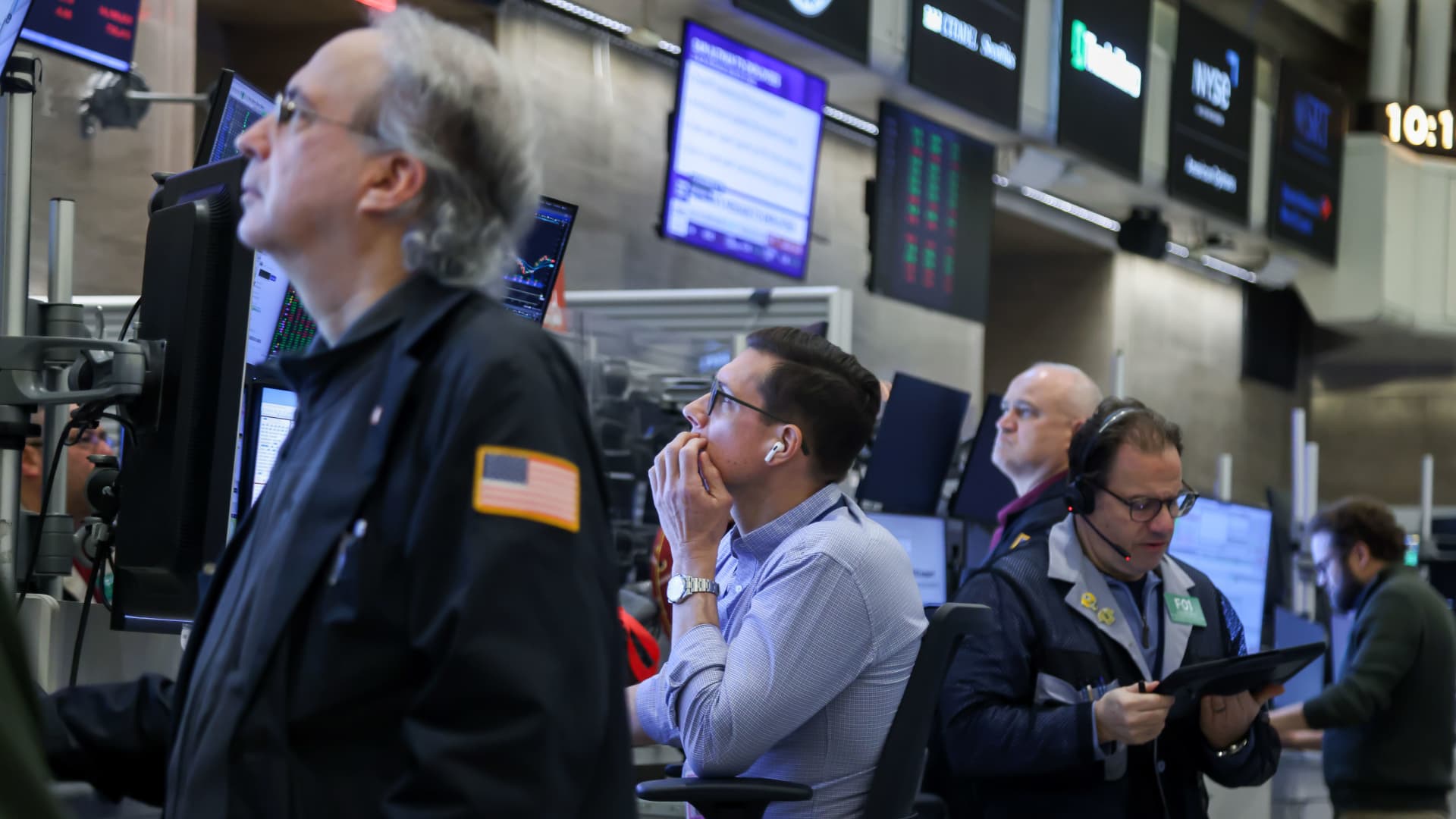
- Treasury Yield Movements: The 10-year Treasury yield increased slightly to 4.3525%, with the 2-year and 30-year yields also rising marginally, indicating market caution ahead of key inflation data that could influence Federal Reserve rate decisions.
- Trump's Ultimatum: President Trump issued a fiery ultimatum to Iran, threatening to turn it into 'Hell' if the Strait of Hormuz is not reopened by the deadline, although he later expressed hope for a deal, reflecting the complexity and uncertainty of the situation.
- Market Volatility Warning: As the Middle East conflict enters its sixth week, soaring energy prices have prompted fixed-income investors to reassess inflation outlooks, reducing expectations for Federal Reserve rate cuts, which may lead to heightened market volatility in the coming days.
- Potential Economic Impact: If a deal is reached, WTI oil prices could drop by $20 to $30, while the S&P 500 index might rise by up to 5%; conversely, an infrastructure strike could push crude prices to $130 to $150 per barrel, highlighting the market's sensitivity to geopolitical risks.
See More
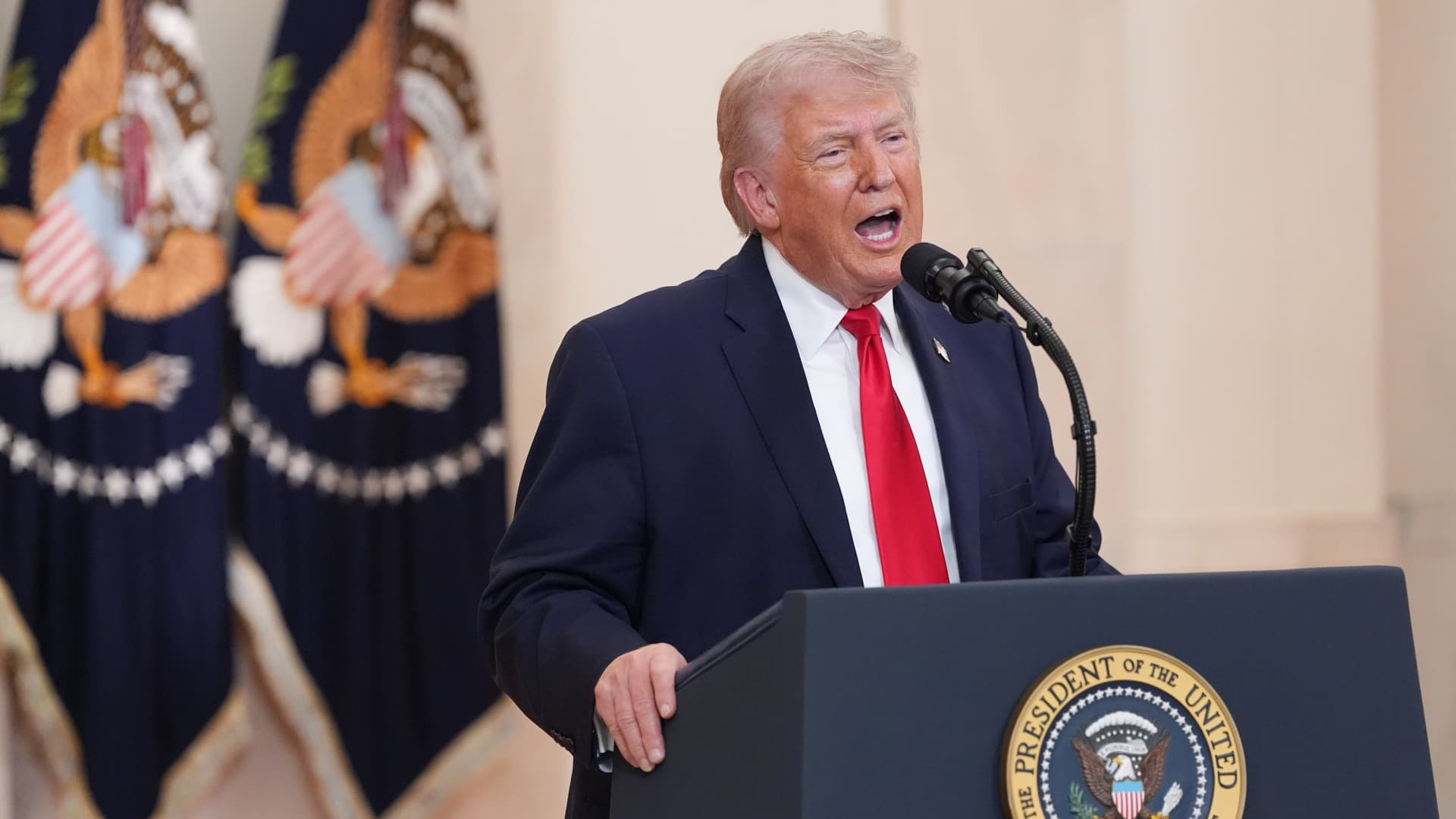
Trump Issues Ultimatum as Market Volatility Escalates Amid War Tensions

- Market Tension: Trump's ultimatum to Iran to reopen the Strait of Hormuz by Tuesday has left investors caught between the potential for war escalation and a diplomatic resolution, leading to increased market volatility.
- Surging Oil Prices: Brent crude prices have soared to $109.77 per barrel, marking a 50% increase since the war began, which poses severe implications for the global economy amid tight energy supplies.
- Rising Bond Yields: The 10-year Treasury yield has climbed to 4.362%, indicating a repricing of inflation expectations in the fixed-income market, which could tighten financial conditions and elevate recession risks.
- Heightened Uncertainty: As investors await key economic data, the market is expected to remain highly volatile, driven by headlines, particularly until the situation in the Strait of Hormuz becomes clearer.
See More
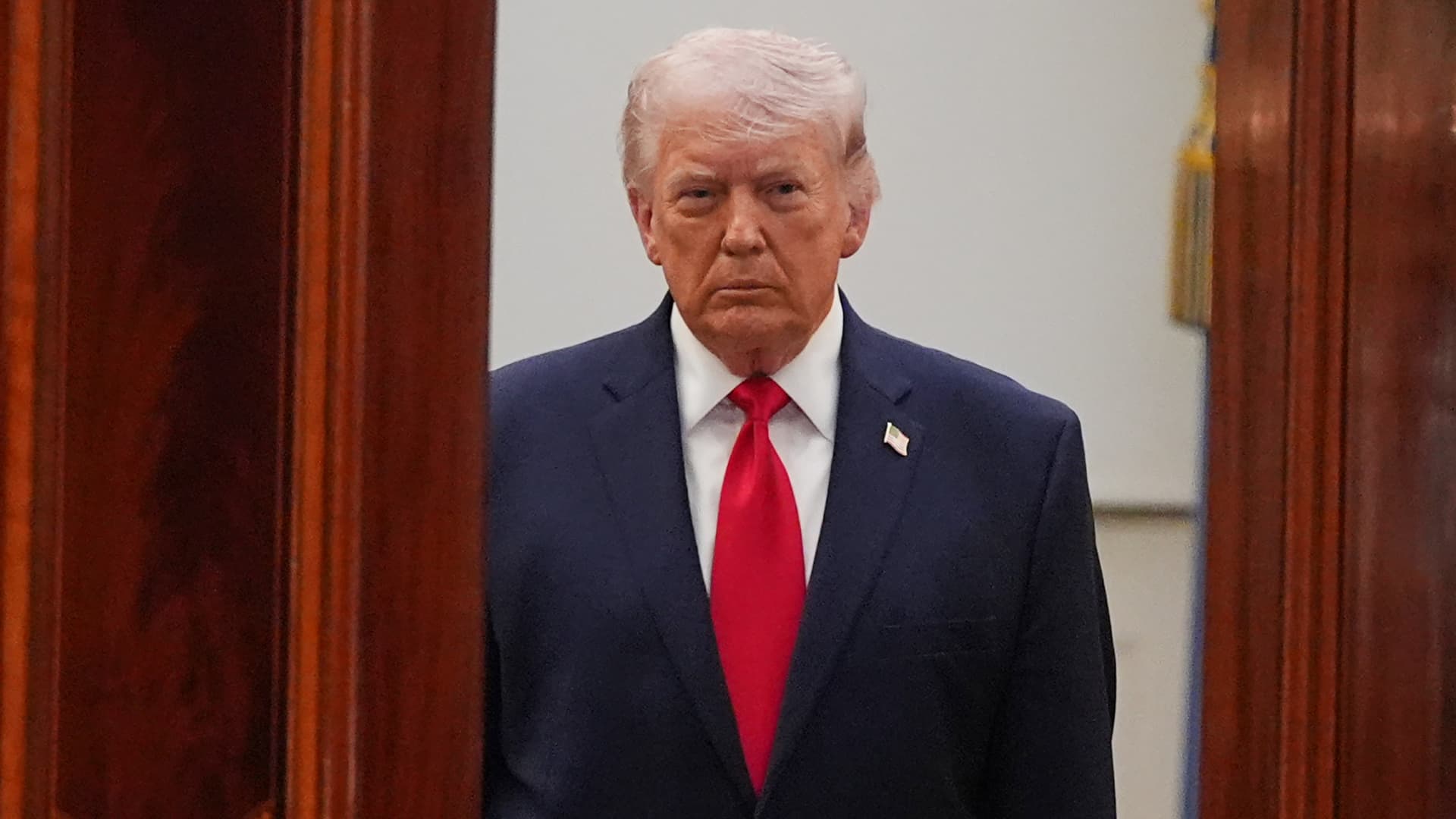
Trump's Hardline Stance on Iran War Intensifies


- Escalating Conflict: Trump's social media post threatens military action against Iran's power plants and bridges if the Strait of Hormuz is not reopened by Tuesday, provoking strong backlash from opposition leaders and civil society groups.
- Surging Oil Prices: The ongoing blockade of the Strait of Hormuz has pushed U.S. crude prices above $114 per barrel on Sunday, highlighting the significant impact of the regional conflict on global energy markets.
- Military Engagement: Iran continues to strike economic and infrastructure targets in neighboring Gulf Arab countries and shot down an American F-15E fighter jet over the weekend, with Trump confirming that the missing service member has been rescued, further escalating tensions.
- Federal Reserve Nomination: Trump's nominee Kevin Warsh is set for a Senate Banking Committee hearing on April 16, despite a separate criminal probe into the Fed, indicating a complex economic policy landscape under the Trump administration.
See More
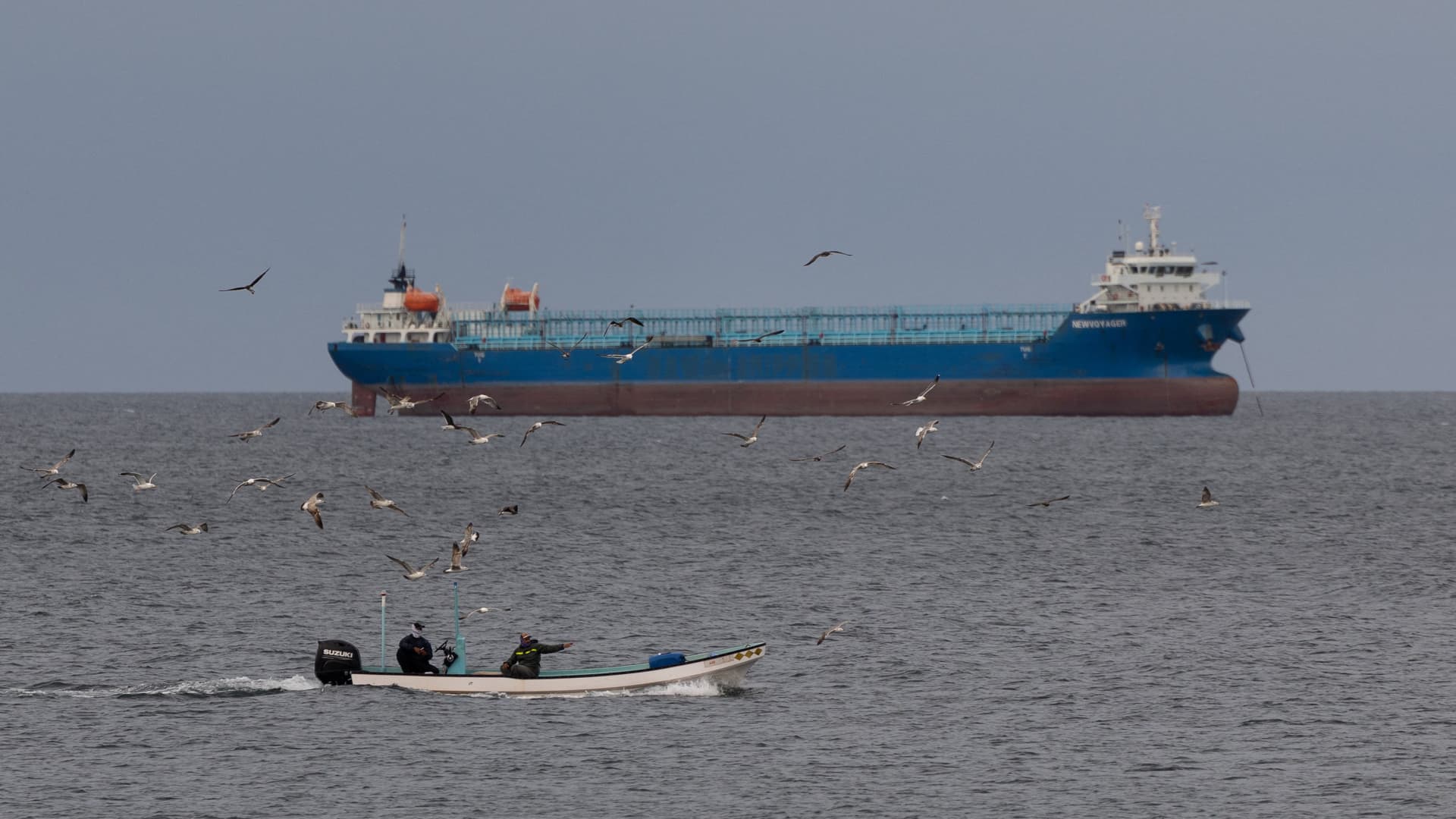
Middle East Conflict Impacts Asian Markets


- Market Reaction: Japan's Nikkei 225 rose by 0.62% and South Korea's Kospi increased by 1.8%, indicating investor sensitivity to the Middle East situation, even as most Asian markets were closed for holidays.
- Oil Price Fluctuations: U.S. West Texas Intermediate prices increased by 2.57% to $114.11 per barrel, while the international benchmark Brent crude rose by 2.62%, reflecting market concerns about the Middle East conflict and its potential impact on global supply.
- Trump's Threats: President Trump issued threats to attack Iran's power plants and civilian infrastructure starting Tuesday if Tehran fails to fully reopen the Strait of Hormuz, a move that could escalate regional tensions.
- OPEC Production Increase: The Organization of the Petroleum Exporting Countries and allies raised their production quotas by 206,000 barrels per day for May, although this move appeared largely symbolic due to shipping constraints caused by the ongoing war.
See More
Pivotal Week for Oil Market: Trump Pressures Iran
- Oil Price Volatility Risk: Trump has issued an ultimatum to Iran, demanding the reopening of the Strait of Hormuz by Monday or face military strikes, which could lead to extreme oil price fluctuations, with Brent crude potentially soaring to $150-$200 per barrel if the strait remains closed.
- Market Reaction: The closure of the Strait has already caused significant oil price increases, with Brent crude rising nearly 80% in 2026 to almost $110 per barrel, while WTI surged nearly 95% to over $112 per barrel, indicating the market's sensitivity to supply disruptions.
- Supply Chain Impact: Despite a coordinated release of 400 million barrels from emergency stockpiles by IEA member countries, the closure of the strait has displaced around 20 million barrels of oil per day, disrupting about a quarter of global seaborne oil trade.
- Investment Strategy Adjustment: In this uncertain market environment, investors should focus on energy stocks that can thrive amid oil price volatility, such as ExxonMobil and Chevron, which expect to achieve over 10% annual growth even at lower oil prices, demonstrating resilience in the current market.
See More
Trump's Ultimatum to Iran: Oil Market on Edge
- Oil Price Volatility Risk: Trump's ultimatum to Iran demands the reopening of the Strait of Hormuz by Monday, with failure likely causing oil prices to spike to $150-$200 per barrel, significantly impacting the global economy.
- Market Reaction Expectations: A ceasefire deal could lead to a gradual decline in oil prices, although they are not expected to return to pre-war levels immediately; the market anticipates WTI prices to drop to around $70 by year-end, alleviating economic pressure.
- Energy Companies' Strategies: Major oil firms like ExxonMobil and Chevron have built their businesses to thrive in low oil price environments, expecting double-digit annual growth rates through 2030, demonstrating resilience in uncertain markets.
- Geopolitical Impact: An escalation of conflict could lead Iran to attack additional energy infrastructure in the Middle East, causing severe oil price fluctuations, prompting investors to focus on high-quality energy stocks that can profit in varying market conditions.
See More
U.S. Treasury Yields Steady as Market Awaits Trump's Press Conference
- Treasury Yield Movements: The 10-year Treasury yield increased slightly to 4.3525%, with the 2-year and 30-year yields also rising marginally, indicating market caution ahead of key inflation data that could influence Federal Reserve rate decisions.
- Trump's Ultimatum: President Trump issued a fiery ultimatum to Iran, threatening to turn it into 'Hell' if the Strait of Hormuz is not reopened by the deadline, although he later expressed hope for a deal, reflecting the complexity and uncertainty of the situation.
- Market Volatility Warning: As the Middle East conflict enters its sixth week, soaring energy prices have prompted fixed-income investors to reassess inflation outlooks, reducing expectations for Federal Reserve rate cuts, which may lead to heightened market volatility in the coming days.
- Potential Economic Impact: If a deal is reached, WTI oil prices could drop by $20 to $30, while the S&P 500 index might rise by up to 5%; conversely, an infrastructure strike could push crude prices to $130 to $150 per barrel, highlighting the market's sensitivity to geopolitical risks.
See More
Trump Issues Ultimatum as Market Volatility Escalates Amid War Tensions
- Market Tension: Trump's ultimatum to Iran to reopen the Strait of Hormuz by Tuesday has left investors caught between the potential for war escalation and a diplomatic resolution, leading to increased market volatility.
- Surging Oil Prices: Brent crude prices have soared to $109.77 per barrel, marking a 50% increase since the war began, which poses severe implications for the global economy amid tight energy supplies.
- Rising Bond Yields: The 10-year Treasury yield has climbed to 4.362%, indicating a repricing of inflation expectations in the fixed-income market, which could tighten financial conditions and elevate recession risks.
- Heightened Uncertainty: As investors await key economic data, the market is expected to remain highly volatile, driven by headlines, particularly until the situation in the Strait of Hormuz becomes clearer.
See More
Trump's Hardline Stance on Iran War Intensifies
- Escalating Conflict: Trump's social media post threatens military action against Iran's power plants and bridges if the Strait of Hormuz is not reopened by Tuesday, provoking strong backlash from opposition leaders and civil society groups.
- Surging Oil Prices: The ongoing blockade of the Strait of Hormuz has pushed U.S. crude prices above $114 per barrel on Sunday, highlighting the significant impact of the regional conflict on global energy markets.
- Military Engagement: Iran continues to strike economic and infrastructure targets in neighboring Gulf Arab countries and shot down an American F-15E fighter jet over the weekend, with Trump confirming that the missing service member has been rescued, further escalating tensions.
- Federal Reserve Nomination: Trump's nominee Kevin Warsh is set for a Senate Banking Committee hearing on April 16, despite a separate criminal probe into the Fed, indicating a complex economic policy landscape under the Trump administration.
See More
Middle East Conflict Impacts Asian Markets
- Market Reaction: Japan's Nikkei 225 rose by 0.62% and South Korea's Kospi increased by 1.8%, indicating investor sensitivity to the Middle East situation, even as most Asian markets were closed for holidays.
- Oil Price Fluctuations: U.S. West Texas Intermediate prices increased by 2.57% to $114.11 per barrel, while the international benchmark Brent crude rose by 2.62%, reflecting market concerns about the Middle East conflict and its potential impact on global supply.
- Trump's Threats: President Trump issued threats to attack Iran's power plants and civilian infrastructure starting Tuesday if Tehran fails to fully reopen the Strait of Hormuz, a move that could escalate regional tensions.
- OPEC Production Increase: The Organization of the Petroleum Exporting Countries and allies raised their production quotas by 206,000 barrels per day for May, although this move appeared largely symbolic due to shipping constraints caused by the ongoing war.
See More