U.S. Stocks Rally as Strong Earnings Lift Nasdaq 1.2%
Written by Emily J. Thompson, Senior Investment Analyst
Updated: Jan 15 2026
0mins


Should l Buy AMD?
Source: Benzinga
- Semiconductor Surge: Taiwan Semiconductor's blockbuster earnings reignited enthusiasm, leading AMD and ASML shares to rise about 6% each, reflecting a robust recovery in the AI supply chain and boosting market confidence.
- Strong Financials: Goldman Sachs and Morgan Stanley saw their stocks rise by 4% and 5% respectively after reporting earnings, reassuring investors about the profitability of major financial institutions amid mixed sector results.
- Regional Bank Rebound: The SPDR S&P Regional Banking ETF's surge helped lift small-cap stocks, with the Russell 2000 index hitting record highs for the tenth consecutive session, pushing year-to-date gains above 7%, indicating optimism towards small businesses.
- Positive Economic Data: Initial jobless claims fell to 198,000, significantly below the forecast of 215,000, showcasing the resilience of the U.S. labor market and further bolstering investor confidence in economic recovery.
Trade with 70% Backtested Accuracy
Stop guessing "Should I Buy AMD?" and start using high-conviction signals backed by rigorous historical data.
Sign up today to access powerful investing tools and make smarter, data-driven decisions.
Analyst Views on AMD
Wall Street analysts forecast AMD stock price to rise
33 Analyst Rating
25 Buy
8 Hold
0 Sell
Strong Buy
Current: 197.740

Low
210.00
Averages
289.13
High
377.00
Current: 197.740
Low
210.00
Averages
289.13
High
377.00
About AMD
Advanced Micro Devices, Inc. is a global semiconductor company. The Company is focused on high-performance computing, graphics and visualization technologies. Its segments include Data Center, Client and Gaming, and Embedded. Data Center segment includes artificial intelligence (AI) accelerators, microprocessors (CPUs) for servers, graphics processing units (GPUs), accelerated processing units (APUs), data processing units (DPUs), Field Programmable Gate Arrays (FPGAs), smart network interface Cards (SmartNICs) and Adaptive system-on-Chip (SoC) products for data centers. Client and Gaming segment includes CPUs, APUs, chipsets for desktops and notebooks, discrete GPUs, and semi-custom SoC products and development services. Embedded segment includes embedded CPUs, GPUs, APUs, FPGAs, system on modules (SOMs), and Adaptive SoC products. It markets and sells its products under the AMD trademark. Its products include AMD EPYC, AMD Ryzen, AMD Ryzen PRO, Virtex UltraScale+, and others.
About the author

Emily J. Thompson
Emily J. Thompson, a Chartered Financial Analyst (CFA) with 12 years in investment research, graduated with honors from the Wharton School. Specializing in industrial and technology stocks, she provides in-depth analysis for Intellectia’s earnings and market brief reports.
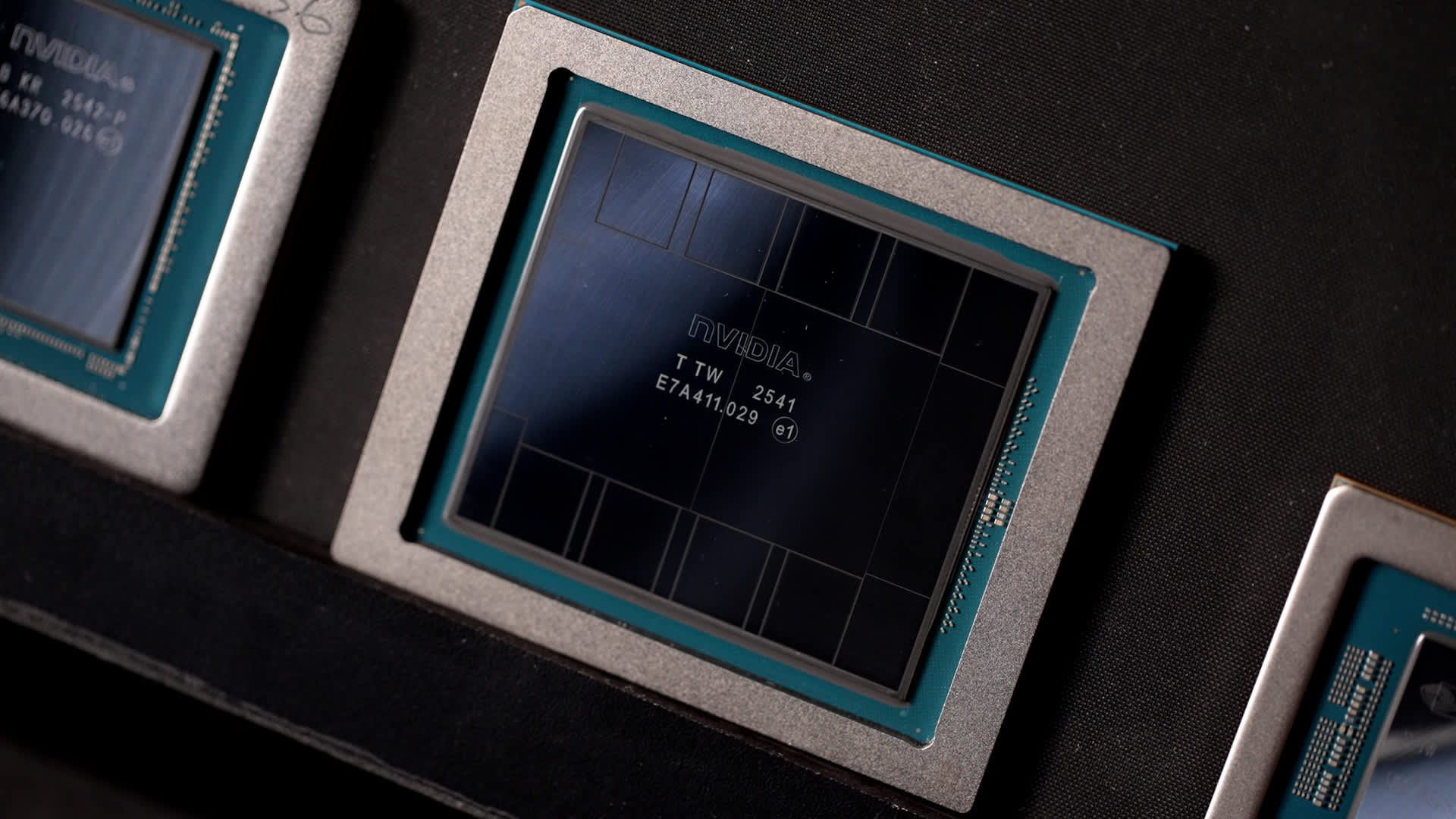
Barclays: Investors Underestimating Nvidia's Potential


- AI Spending Expectations: Barclays analysts believe the market is significantly underestimating the hyperscalers' AI spending needs in the coming years, with consensus capex for 2027 and 2028 projected to be at least $225 billion too low, indicating a buying opportunity for Nvidia.
- Earnings Report Overlooked: Despite Nvidia's strong earnings report and guidance released in late February, investors largely ignored this information, resulting in the stock trading sideways since December, with a year-to-date decline of less than 1%.
- Capex Cycle: Analysts noted that the hyperscale capex cycle is expected to last until at least 2028, with Nvidia currently trading at a P/E ratio of approximately 17.5x, reflecting pessimism about future earnings power; however, this penalty seems excessive.
- New Hardware Driving Growth: Barclays anticipates that total capex for Nvidia will rise further as tech giants shift to next-generation hardware, particularly with new offerings like the Vera Rubin and Feynman chip families, which will push average selling prices above older models, benefiting AI semiconductor stocks.
See More
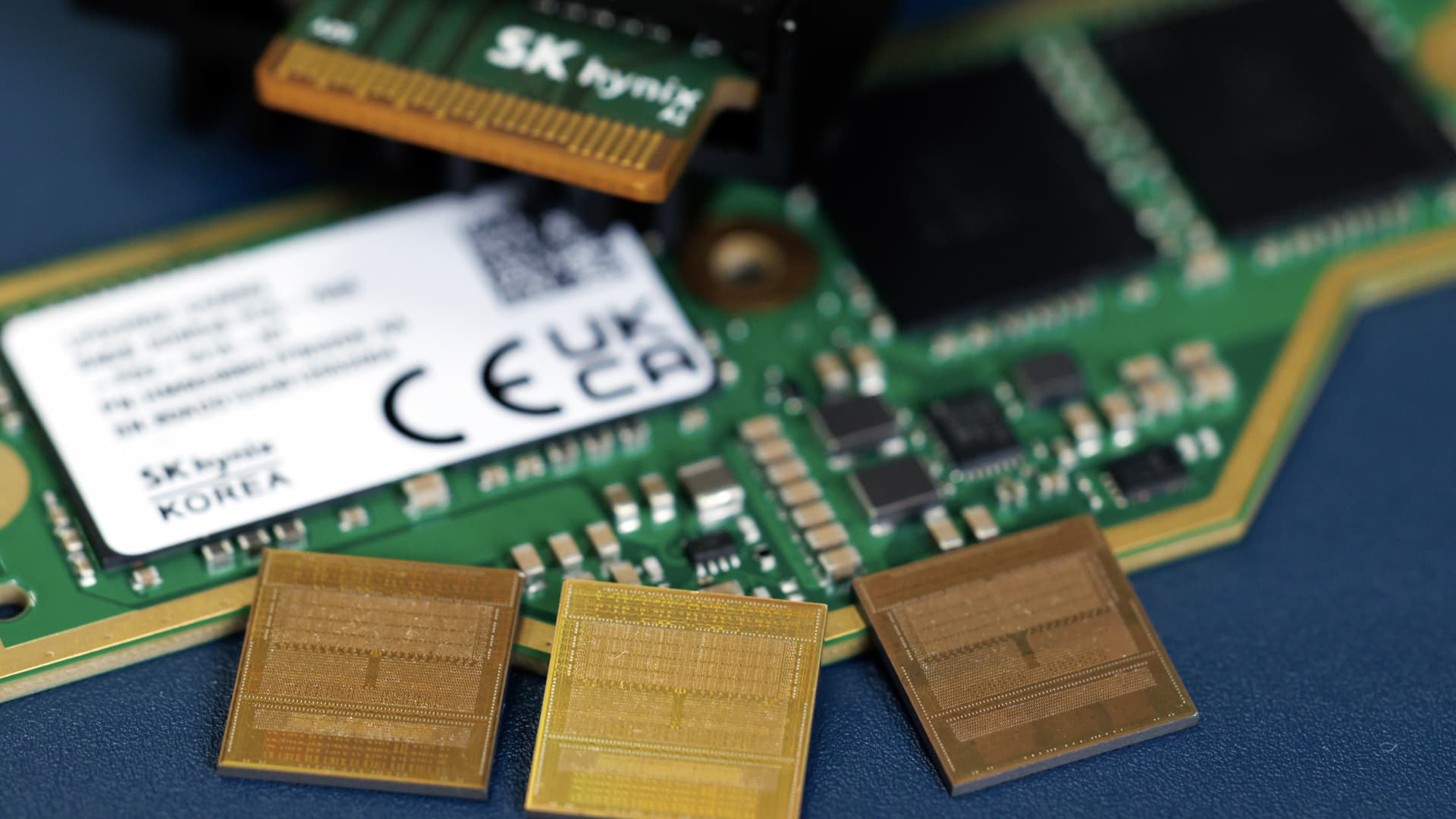
Impact of Middle East Conflict on Semiconductor Supply Chains


- Semiconductor Supply Chain Risks: The ongoing conflict in the Middle East poses potential disruptions to the semiconductor industry, particularly concerning critical materials like helium and bromine, with the Semiconductor Industry Association warning in 2023 that helium supply disruptions could lead to significant industry shocks.
- Helium Supply Dependency: Qatar accounts for over a third of the world's helium production, and a prolonged shutdown of the Strait of Hormuz could remove over 25% of global helium supply from the market, directly impacting chip manufacturers' production capabilities.
- Data Center Development Outlook: The push for international investment in the Middle East is growing, yet the conflict may shift data center construction to regions like Northern Europe, India, or Southeast Asia, as companies seek to mitigate geopolitical risks.
- Investment Strategy Adjustments: While companies are unlikely to rush to exit the Middle East, ongoing conflict may lead investment committees to consider slowing new capital deployments or pausing planned partnerships to navigate the uncertainties posed by the situation.
See More

US Launches 60 Trade Investigations Amid Rising Tensions


- Increase in Trade Investigations: The U.S. government launched 60 investigations into forced labor trade practices, reflecting ongoing scrutiny of trade policies from the Trump administration, which may impact operational models and compliance costs in affected industries.
- Surge in Oil Prices: Brent crude oil prices rose 9.22% to surpass $100 per barrel after Iran's new supreme leader stated that the Strait of Hormuz should remain closed, potentially leading to increased global energy costs and exacerbating inflationary pressures.
- Shift in Fed Policy Expectations: The outbreak of the Iran war has diminished market expectations for interest rate cuts by the Federal Reserve this year, with traders now anticipating only one cut in December, which could affect investor confidence and market liquidity.
- Impact of Executive Changes: Adobe's CEO Shantanu Narayen announced his departure, and despite the company reporting first-quarter results that exceeded expectations, its stock fell over 7% in premarket trading, indicating market sensitivity to leadership changes.
See More

Micron Technology Shares Rise on Bullish Analyst Update

- Analyst Rating Upgrade: Wells Fargo analyst Aaron Rakers maintains an Overweight rating on Micron Technology, raising the price target from $410 to $470, indicating strong confidence in the company's future performance, which is likely to drive further stock price increases.
- Upcoming Earnings Report: Micron is set to release its second-quarter 2026 earnings after the market closes next Wednesday, with analysts estimating earnings per share of $8.56 and quarterly revenue of $19.12 billion, making market expectations crucial for stock price fluctuations.
- AI Strategic Investment: Micron is intensifying its investment in AI infrastructure with the introduction of new “Monster” memory chips aimed at addressing AI performance bottlenecks, currently undergoing a $5 billion buildout, showcasing the company's strategic positioning in the rapidly growing AI market.
- Technical Analysis Shows Strong Trend: Micron's stock is trading 0.6% above its 20-day simple moving average and 32% above its 100-day moving average, with a 327.22% increase over the past 12 months, indicating the sustainability of a long-term upward trend.
See More

Tech Giants Invest $660 Billion in AI Infrastructure

- Surging Market Demand: Tech giants like Microsoft and Amazon have pledged over $660 billion in 2023 for AI infrastructure, aiming to meet the soaring demand for computing power from customers, thereby driving innovation and efficiency in the AI sector.
- Long-Term Growth Outlook: Nvidia's CEO Jensen Huang predicts that AI infrastructure spending could reach $4 trillion by 2030, indicating a massive potential market size that has attracted significant investor interest and capital inflow.
- TSMC's Strategic Advantage: As a leading semiconductor manufacturer, Taiwan Semiconductor Manufacturing Company (TSMC) not only produces chips for top designers like Nvidia and AMD but also benefits from the growth of multiple design firms, positioning itself as the biggest winner in the AI infrastructure investment boom.
- Strong Financial Performance: TSMC reported double-digit revenue growth in its latest earnings report and maintains an optimistic outlook on long-term AI growth, further solidifying its leadership position and future profitability in the AI market.
See More

AI Infrastructure Investment Soars, TSMC to Benefit
- Strong Market Performance: Over the past three years, AI has driven the S&P 500 to climb 78%, highlighting AI's critical role in market performance, and despite recent volatility, the AI narrative is far from over.
- Massive Investment Commitments: In 2023, tech giants like Microsoft, Alphabet, Amazon, and Meta have pledged over $660 billion for AI infrastructure build-out, with projections suggesting spending could reach $4 trillion by 2030, indicating robust demand for AI solutions.
- TSMC's Key Role: As a leading chip manufacturer, TSMC not only produces chips for top designers like Nvidia and AMD but also benefits from the growth of multiple design firms, positioning itself as the biggest winner in the AI infrastructure investment boom.
- Ongoing Growth Expectations: TSMC reported double-digit revenue growth in its latest earnings report and maintains a positive outlook on long-term AI growth, indicating its pivotal role in the construction of AI platforms will continue to drive business growth.
See More
Barclays: Investors Underestimating Nvidia's Potential
- AI Spending Expectations: Barclays analysts believe the market is significantly underestimating the hyperscalers' AI spending needs in the coming years, with consensus capex for 2027 and 2028 projected to be at least $225 billion too low, indicating a buying opportunity for Nvidia.
- Earnings Report Overlooked: Despite Nvidia's strong earnings report and guidance released in late February, investors largely ignored this information, resulting in the stock trading sideways since December, with a year-to-date decline of less than 1%.
- Capex Cycle: Analysts noted that the hyperscale capex cycle is expected to last until at least 2028, with Nvidia currently trading at a P/E ratio of approximately 17.5x, reflecting pessimism about future earnings power; however, this penalty seems excessive.
- New Hardware Driving Growth: Barclays anticipates that total capex for Nvidia will rise further as tech giants shift to next-generation hardware, particularly with new offerings like the Vera Rubin and Feynman chip families, which will push average selling prices above older models, benefiting AI semiconductor stocks.
See More
Impact of Middle East Conflict on Semiconductor Supply Chains
- Semiconductor Supply Chain Risks: The ongoing conflict in the Middle East poses potential disruptions to the semiconductor industry, particularly concerning critical materials like helium and bromine, with the Semiconductor Industry Association warning in 2023 that helium supply disruptions could lead to significant industry shocks.
- Helium Supply Dependency: Qatar accounts for over a third of the world's helium production, and a prolonged shutdown of the Strait of Hormuz could remove over 25% of global helium supply from the market, directly impacting chip manufacturers' production capabilities.
- Data Center Development Outlook: The push for international investment in the Middle East is growing, yet the conflict may shift data center construction to regions like Northern Europe, India, or Southeast Asia, as companies seek to mitigate geopolitical risks.
- Investment Strategy Adjustments: While companies are unlikely to rush to exit the Middle East, ongoing conflict may lead investment committees to consider slowing new capital deployments or pausing planned partnerships to navigate the uncertainties posed by the situation.
See More
US Launches 60 Trade Investigations Amid Rising Tensions
- Increase in Trade Investigations: The U.S. government launched 60 investigations into forced labor trade practices, reflecting ongoing scrutiny of trade policies from the Trump administration, which may impact operational models and compliance costs in affected industries.
- Surge in Oil Prices: Brent crude oil prices rose 9.22% to surpass $100 per barrel after Iran's new supreme leader stated that the Strait of Hormuz should remain closed, potentially leading to increased global energy costs and exacerbating inflationary pressures.
- Shift in Fed Policy Expectations: The outbreak of the Iran war has diminished market expectations for interest rate cuts by the Federal Reserve this year, with traders now anticipating only one cut in December, which could affect investor confidence and market liquidity.
- Impact of Executive Changes: Adobe's CEO Shantanu Narayen announced his departure, and despite the company reporting first-quarter results that exceeded expectations, its stock fell over 7% in premarket trading, indicating market sensitivity to leadership changes.
See More
Micron Technology Shares Rise on Bullish Analyst Update
- Analyst Rating Upgrade: Wells Fargo analyst Aaron Rakers maintains an Overweight rating on Micron Technology, raising the price target from $410 to $470, indicating strong confidence in the company's future performance, which is likely to drive further stock price increases.
- Upcoming Earnings Report: Micron is set to release its second-quarter 2026 earnings after the market closes next Wednesday, with analysts estimating earnings per share of $8.56 and quarterly revenue of $19.12 billion, making market expectations crucial for stock price fluctuations.
- AI Strategic Investment: Micron is intensifying its investment in AI infrastructure with the introduction of new “Monster” memory chips aimed at addressing AI performance bottlenecks, currently undergoing a $5 billion buildout, showcasing the company's strategic positioning in the rapidly growing AI market.
- Technical Analysis Shows Strong Trend: Micron's stock is trading 0.6% above its 20-day simple moving average and 32% above its 100-day moving average, with a 327.22% increase over the past 12 months, indicating the sustainability of a long-term upward trend.
See More
Tech Giants Invest $660 Billion in AI Infrastructure
- Surging Market Demand: Tech giants like Microsoft and Amazon have pledged over $660 billion in 2023 for AI infrastructure, aiming to meet the soaring demand for computing power from customers, thereby driving innovation and efficiency in the AI sector.
- Long-Term Growth Outlook: Nvidia's CEO Jensen Huang predicts that AI infrastructure spending could reach $4 trillion by 2030, indicating a massive potential market size that has attracted significant investor interest and capital inflow.
- TSMC's Strategic Advantage: As a leading semiconductor manufacturer, Taiwan Semiconductor Manufacturing Company (TSMC) not only produces chips for top designers like Nvidia and AMD but also benefits from the growth of multiple design firms, positioning itself as the biggest winner in the AI infrastructure investment boom.
- Strong Financial Performance: TSMC reported double-digit revenue growth in its latest earnings report and maintains an optimistic outlook on long-term AI growth, further solidifying its leadership position and future profitability in the AI market.
See More
AI Infrastructure Investment Soars, TSMC to Benefit
- Strong Market Performance: Over the past three years, AI has driven the S&P 500 to climb 78%, highlighting AI's critical role in market performance, and despite recent volatility, the AI narrative is far from over.
- Massive Investment Commitments: In 2023, tech giants like Microsoft, Alphabet, Amazon, and Meta have pledged over $660 billion for AI infrastructure build-out, with projections suggesting spending could reach $4 trillion by 2030, indicating robust demand for AI solutions.
- TSMC's Key Role: As a leading chip manufacturer, TSMC not only produces chips for top designers like Nvidia and AMD but also benefits from the growth of multiple design firms, positioning itself as the biggest winner in the AI infrastructure investment boom.
- Ongoing Growth Expectations: TSMC reported double-digit revenue growth in its latest earnings report and maintains a positive outlook on long-term AI growth, indicating its pivotal role in the construction of AI platforms will continue to drive business growth.
See More