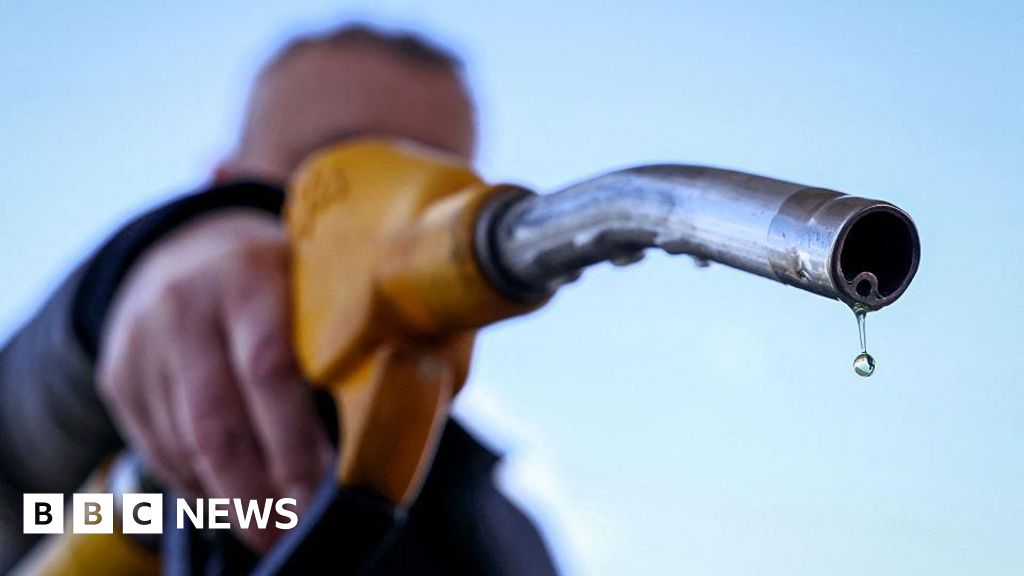
U.S. Gas Prices Surge to Highest Level Since 2024
Written by Emily J. Thompson, Senior Investment Analyst
Updated: 22 hours ago
0mins

Source: Newsfilter
- Price Surge: The average price of unleaded gas in the U.S. has climbed to about $3.54 per gallon, marking the highest level since 2024 and a 21% increase from a month ago, directly impacting consumer living costs.
- Supply Chain Crisis: The conflict between the U.S. and Iran has disrupted the crucial Strait of Hormuz, leading to the largest three-day price jump since Hurricane Katrina in 2005, highlighting the vulnerability of the global oil market.
- Political Ramifications: The rise in gas prices threatens Trump's commitment to lowering living costs, a key pillar of his reelection campaign, which could influence the outcomes of the upcoming midterm elections.
- Market Volatility: U.S. crude oil prices are fluctuating around $84 per barrel after surpassing $100 earlier this week, with analysts indicating that future price movements will depend on the duration of market disruptions.
Trade with 70% Backtested Accuracy
Stop guessing "Should I Buy XOM?" and start using high-conviction signals backed by rigorous historical data.
Sign up today to access powerful investing tools and make smarter, data-driven decisions.
Analyst Views on XOM
Wall Street analysts forecast XOM stock price to fall
19 Analyst Rating
12 Buy
7 Hold
0 Sell
Moderate Buy
Current: 148.130

Low
114.00
Averages
132.17
High
158.00
Current: 148.130
Low
114.00
Averages
132.17
High
158.00
About XOM
Exxon Mobil Corporation is an energy provider and chemical manufacturer. The Company’s principal business involves exploration for, and production of, crude oil and natural gas; the manufacture, trade, transport and sale of crude oil, natural gas, petroleum products, petrochemicals and a wide variety of specialty products; and pursuit of lower-emission and other new business opportunities, including carbon capture and storage, hydrogen, lower-emission fuels, Proxxima systems, carbon materials, and lithium. Its Upstream segment explores for and produces crude oil and natural gas. The Energy Products, Chemical Products, and Specialty Products segments manufacture and sell petroleum products and petrochemicals. Energy Products segment includes fuels, aromatics, and catalysts and licensing. Chemical Products segment consists of olefins, polyolefins, and intermediates. Specialty Products segment includes finished lubricants, basestocks and waxes, synthetics, and elastomers and resins.
About the author

Emily J. Thompson
Emily J. Thompson, a Chartered Financial Analyst (CFA) with 12 years in investment research, graduated with honors from the Wharton School. Specializing in industrial and technology stocks, she provides in-depth analysis for Intellectia’s earnings and market brief reports.
ExxonMobil Board Proposes Redomiciliation to Texas

- Unanimous Board Decision: ExxonMobil's Board of Directors unanimously recommends shareholders approve the change of the company's legal domicile from New Jersey to Texas, believing this alignment with leadership and core operations since 1989 will enhance shareholder value.
- Texas Advantages: The Board highlighted Texas's recent efforts to create a favorable policy and regulatory environment for businesses, enabling the company to maximize shareholder value, with Texas's legal framework being stronger in certain aspects compared to New Jersey.
- Shareholder Rights Protection: The proposed redomiciliation will not affect business operations, management, strategy, assets, or employee locations, with the Board confirming that shareholder rights under Texas law are largely comparable to those in New Jersey, and in some areas, stronger.
- Shareholder Voting Arrangement: The proposal will be voted on at the 2026 Annual Meeting of Shareholders, with detailed information provided in the preliminary proxy statement filed with the U.S. Securities and Exchange Commission, ensuring shareholders are well-informed about the voting process.
See More
IEA Announces Historic Release of Oil Reserves

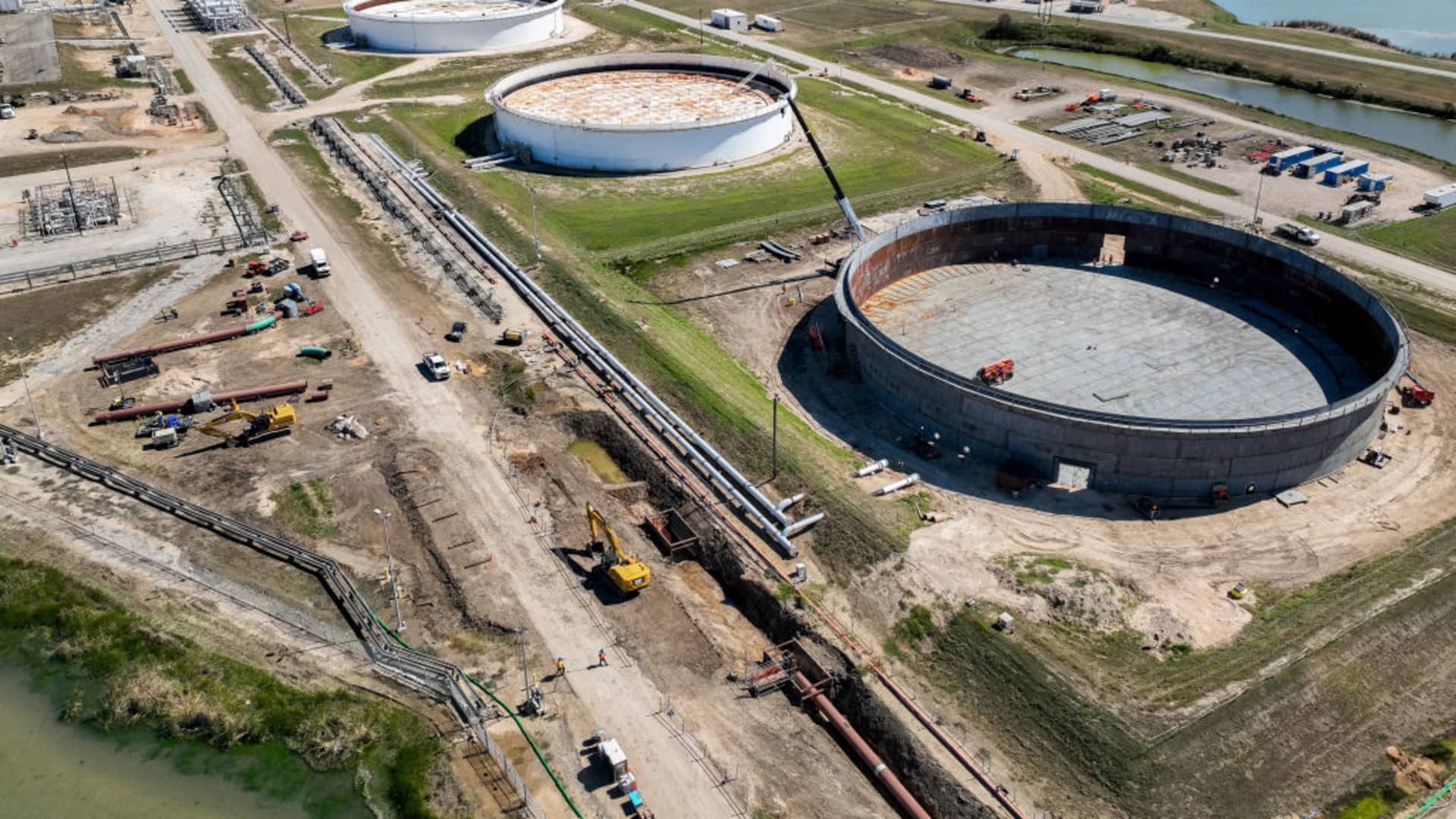
- Historic Release: The International Energy Agency (IEA) has decided to release 400 million barrels of oil to address supply disruptions caused by the Iran war, marking the largest emergency oil stock release in the agency's history, aimed at alleviating the global energy security crisis.
- Market Impact: IEA Executive Director Fatih Birol emphasized that while the release is designed to address the immediate impacts of supply disruption, the resumption of tanker traffic through the Strait of Hormuz is crucial for stabilizing global markets, as approximately 20% of global oil and gas typically transits through this corridor.
- Price Volatility: Since the outbreak of the Iran war on February 28, global benchmark Brent crude prices have experienced extreme volatility, peaking near $120 per barrel before falling back below $90, indicating the market's sensitivity to supply disruptions.
- Japan's Initiative: Japanese Prime Minister Sanae Takaichi announced plans to release oil from national reserves as early as the 16th of this month to address the country's high dependence on the Middle East, reflecting the urgency and proactive measures taken by nations in response to the energy crisis.
See More

Inflation Report Impacted by U.S.-Iran War

- Inflation Data Overview: The Bureau of Labor Statistics reported a 0.3% increase in the consumer price index for February from January and a 2.4% year-over-year rise, which, while aligning with economists' forecasts, is considered outdated in the context of the ongoing war.
- Energy Price Volatility: Following U.S. and Israeli strikes on Iran, West Texas Intermediate crude oil prices surged above $100 earlier this week but have since fallen to around $86 per barrel, with national gasoline prices exceeding $3.50 per gallon, indicating significant market uncertainty.
- Fed Policy Outlook: The Federal Reserve is grappling with the dilemma of balancing inflation control and labor market support, with analysts predicting that CPI readings could rise above 3% in the next 12 months, significantly higher than the current 2.4% rate.
- Market Reaction Expectations: Analysts generally view the inflation report as superficially positive, but due to the volatility in energy prices, they anticipate muted reactions in financial markets, reflecting a
See More

Market Update: Oil Price Surge and Corporate Earnings

- Oil Price Volatility: U.S. crude prices surged 4% due to reports of cargo ship attacks off Iran's coast, putting pressure on stocks and indicating ongoing geopolitical risks affecting market sentiment as the S&P 500 is set for a slightly lower open.
- Oracle's Strong Earnings: Oracle's quarterly results exceeded expectations, leading to a stock price increase of over 9%, with smooth AI buildout and remaining performance obligations exceeding $500 billion, highlighting the company's robust market position and growth potential.
- Kohl's Price Target Cut: Goldman Sachs lowered its price target for Kohl's from $15 to $13 while maintaining a sell rating, citing mixed quarterly results and decelerating same-store sales, reflecting challenges in the retail sector.
- Nike Upgrade: Barclays upgraded Nike from hold to buy, raising the price target from $64 to $73, arguing that tariff risks have eased, and management's progress in inventory management and margin stabilization provides a solid foundation for investment.
See More

U.S. Interior Secretary Calls for Oil Reserve Release Amid Iran War Disruption

- Supply Disruption Response: U.S. Interior Secretary Doug Burgum stated that the International Energy Agency should release oil reserves to address the supply disruption caused by the Iran war, emphasizing that there is not a global energy shortage but rather a transit issue.
- Historic Reserve Release: The IEA has proposed releasing 400 million barrels of oil, which would mark the largest reserve release in the organization's history, aimed at alleviating pressure on global oil prices.
- Japan's Independent Action: Japanese Prime Minister Takaichi Sanae announced that Tokyo plans to independently release stockpiled oil as early as Monday, demonstrating proactive measures by countries to address the supply crisis.
- Strait Security Risks: The Iran war has jeopardized the safety of transit through the Strait of Hormuz, leading to the largest oil supply disruption in history, with approximately 20% of global petroleum consumption passing through this critical passage, highlighting the urgency of the current situation.
See More
Iran War Drives Inflation Surge in the U.S.
- Persistent Inflation: The Consumer Price Index (CPI) rose 2.4% year-over-year in February, unchanged from January, indicating that inflation remains stubbornly high, particularly for necessities like electricity and food, which continues to strain household budgets.
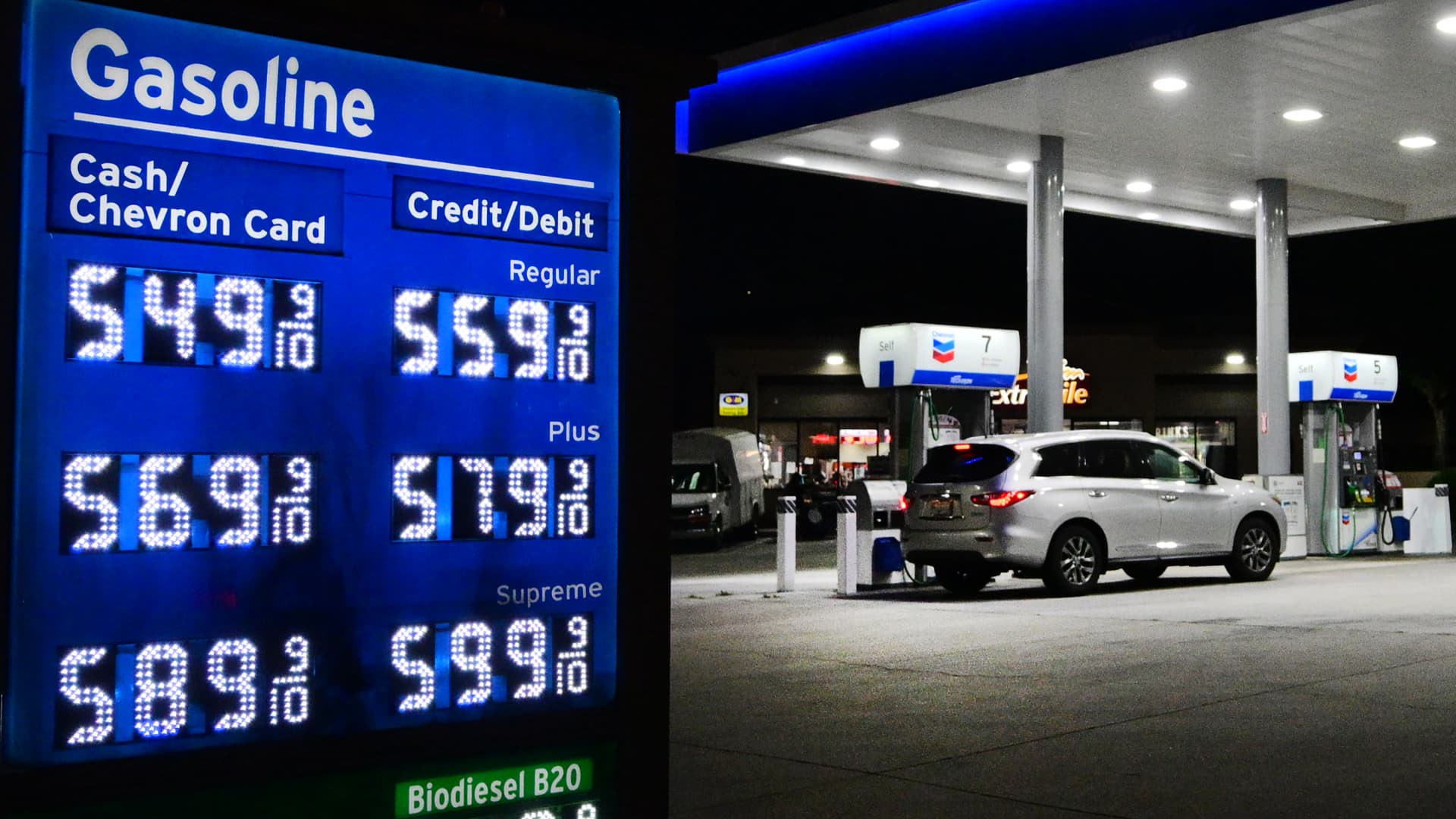
- Surge in Energy Prices: The war in Iran has caused global oil prices to spike, with Brent crude rising from about $70 to $119.50 per barrel, while average gasoline prices hit $3.50 per gallon, a 19% increase in just two weeks, exacerbating economic pressures on consumers.
- Uncertain Long-term Impact: Economists predict that if the conflict persists, oil prices could average around $100 per barrel in 2026, potentially pushing CPI inflation to 3.5%, complicating the Federal Reserve's interest rate policy and increasing market uncertainty.
- Significant Tariff Effects: Prior to the Iran conflict, tariffs imposed by the Trump administration were a major inflation driver, with the current effective tariff rate at 10.5%, the highest since 1943, leading economists to believe that consumers will struggle to find relief from inflation in the short term.
See More
ExxonMobil Board Proposes Redomiciliation to Texas
- Unanimous Board Decision: ExxonMobil's Board of Directors unanimously recommends shareholders approve the change of the company's legal domicile from New Jersey to Texas, believing this alignment with leadership and core operations since 1989 will enhance shareholder value.
- Texas Advantages: The Board highlighted Texas's recent efforts to create a favorable policy and regulatory environment for businesses, enabling the company to maximize shareholder value, with Texas's legal framework being stronger in certain aspects compared to New Jersey.
- Shareholder Rights Protection: The proposed redomiciliation will not affect business operations, management, strategy, assets, or employee locations, with the Board confirming that shareholder rights under Texas law are largely comparable to those in New Jersey, and in some areas, stronger.
- Shareholder Voting Arrangement: The proposal will be voted on at the 2026 Annual Meeting of Shareholders, with detailed information provided in the preliminary proxy statement filed with the U.S. Securities and Exchange Commission, ensuring shareholders are well-informed about the voting process.
See More
IEA Announces Historic Release of Oil Reserves
- Historic Release: The International Energy Agency (IEA) has decided to release 400 million barrels of oil to address supply disruptions caused by the Iran war, marking the largest emergency oil stock release in the agency's history, aimed at alleviating the global energy security crisis.
- Market Impact: IEA Executive Director Fatih Birol emphasized that while the release is designed to address the immediate impacts of supply disruption, the resumption of tanker traffic through the Strait of Hormuz is crucial for stabilizing global markets, as approximately 20% of global oil and gas typically transits through this corridor.
- Price Volatility: Since the outbreak of the Iran war on February 28, global benchmark Brent crude prices have experienced extreme volatility, peaking near $120 per barrel before falling back below $90, indicating the market's sensitivity to supply disruptions.
- Japan's Initiative: Japanese Prime Minister Sanae Takaichi announced plans to release oil from national reserves as early as the 16th of this month to address the country's high dependence on the Middle East, reflecting the urgency and proactive measures taken by nations in response to the energy crisis.
See More
Inflation Report Impacted by U.S.-Iran War
- Inflation Data Overview: The Bureau of Labor Statistics reported a 0.3% increase in the consumer price index for February from January and a 2.4% year-over-year rise, which, while aligning with economists' forecasts, is considered outdated in the context of the ongoing war.
- Energy Price Volatility: Following U.S. and Israeli strikes on Iran, West Texas Intermediate crude oil prices surged above $100 earlier this week but have since fallen to around $86 per barrel, with national gasoline prices exceeding $3.50 per gallon, indicating significant market uncertainty.
- Fed Policy Outlook: The Federal Reserve is grappling with the dilemma of balancing inflation control and labor market support, with analysts predicting that CPI readings could rise above 3% in the next 12 months, significantly higher than the current 2.4% rate.
- Market Reaction Expectations: Analysts generally view the inflation report as superficially positive, but due to the volatility in energy prices, they anticipate muted reactions in financial markets, reflecting a
See More
Market Update: Oil Price Surge and Corporate Earnings
- Oil Price Volatility: U.S. crude prices surged 4% due to reports of cargo ship attacks off Iran's coast, putting pressure on stocks and indicating ongoing geopolitical risks affecting market sentiment as the S&P 500 is set for a slightly lower open.
- Oracle's Strong Earnings: Oracle's quarterly results exceeded expectations, leading to a stock price increase of over 9%, with smooth AI buildout and remaining performance obligations exceeding $500 billion, highlighting the company's robust market position and growth potential.
- Kohl's Price Target Cut: Goldman Sachs lowered its price target for Kohl's from $15 to $13 while maintaining a sell rating, citing mixed quarterly results and decelerating same-store sales, reflecting challenges in the retail sector.
- Nike Upgrade: Barclays upgraded Nike from hold to buy, raising the price target from $64 to $73, arguing that tariff risks have eased, and management's progress in inventory management and margin stabilization provides a solid foundation for investment.
See More
U.S. Interior Secretary Calls for Oil Reserve Release Amid Iran War Disruption
- Supply Disruption Response: U.S. Interior Secretary Doug Burgum stated that the International Energy Agency should release oil reserves to address the supply disruption caused by the Iran war, emphasizing that there is not a global energy shortage but rather a transit issue.
- Historic Reserve Release: The IEA has proposed releasing 400 million barrels of oil, which would mark the largest reserve release in the organization's history, aimed at alleviating pressure on global oil prices.
- Japan's Independent Action: Japanese Prime Minister Takaichi Sanae announced that Tokyo plans to independently release stockpiled oil as early as Monday, demonstrating proactive measures by countries to address the supply crisis.
- Strait Security Risks: The Iran war has jeopardized the safety of transit through the Strait of Hormuz, leading to the largest oil supply disruption in history, with approximately 20% of global petroleum consumption passing through this critical passage, highlighting the urgency of the current situation.
See More
Iran War Drives Inflation Surge in the U.S.
- Persistent Inflation: The Consumer Price Index (CPI) rose 2.4% year-over-year in February, unchanged from January, indicating that inflation remains stubbornly high, particularly for necessities like electricity and food, which continues to strain household budgets.
- Surge in Energy Prices: The war in Iran has caused global oil prices to spike, with Brent crude rising from about $70 to $119.50 per barrel, while average gasoline prices hit $3.50 per gallon, a 19% increase in just two weeks, exacerbating economic pressures on consumers.
- Uncertain Long-term Impact: Economists predict that if the conflict persists, oil prices could average around $100 per barrel in 2026, potentially pushing CPI inflation to 3.5%, complicating the Federal Reserve's interest rate policy and increasing market uncertainty.
- Significant Tariff Effects: Prior to the Iran conflict, tariffs imposed by the Trump administration were a major inflation driver, with the current effective tariff rate at 10.5%, the highest since 1943, leading economists to believe that consumers will struggle to find relief from inflation in the short term.
See More