U.S. Crude Prices Surpass $100 Amid Iran Tensions
Written by Emily J. Thompson, Senior Investment Analyst
Updated: 1 hour ago
0mins
Source: CNBC
- Price Surge: U.S. crude prices rose 2.64% to $101.32 per barrel on Sunday evening, while Brent crude increased by 2.94% to $106.17, reflecting market anxiety over escalating tensions in the Middle East.
- Military Strike Threat: President Trump has ordered strikes against Iranian military assets, and while no damage has been inflicted on oil infrastructure yet, he warned of potential strikes on crude facilities if Iran continues to attack tankers in the Strait of Hormuz.
- Supply Disruption: Traffic through the Strait of Hormuz has nearly halted, with 20% of the world's oil supply passing through this critical route; a direct strike could immediately stop Iran's crude exports, leading to severe supply disruptions.
- Historic Action: More than 30 countries have agreed to release 400 million barrels of oil from reserves to address the supply disruption, marking the largest such action in history, yet oil prices have still surged over 40%, indicating ongoing market concerns about future supply.
Trade with 70% Backtested Accuracy
Stop guessing "Should I Buy XOM?" and start using high-conviction signals backed by rigorous historical data.
Sign up today to access powerful investing tools and make smarter, data-driven decisions.
Analyst Views on XOM
Wall Street analysts forecast XOM stock price to fall
19 Analyst Rating
12 Buy
7 Hold
0 Sell
Moderate Buy
Current: 153.530

Low
114.00
Averages
132.17
High
158.00
Current: 153.530
Low
114.00
Averages
132.17
High
158.00
About XOM
Exxon Mobil Corporation is an energy provider and chemical manufacturer. The Company’s principal business involves exploration for, and production of, crude oil and natural gas; the manufacture, trade, transport and sale of crude oil, natural gas, petroleum products, petrochemicals and a wide variety of specialty products; and pursuit of lower-emission and other new business opportunities, including carbon capture and storage, hydrogen, lower-emission fuels, Proxxima systems, carbon materials, and lithium. Its Upstream segment explores for and produces crude oil and natural gas. The Energy Products, Chemical Products, and Specialty Products segments manufacture and sell petroleum products and petrochemicals. Energy Products segment includes fuels, aromatics, and catalysts and licensing. Chemical Products segment consists of olefins, polyolefins, and intermediates. Specialty Products segment includes finished lubricants, basestocks and waxes, synthetics, and elastomers and resins.
About the author

Emily J. Thompson
Emily J. Thompson, a Chartered Financial Analyst (CFA) with 12 years in investment research, graduated with honors from the Wharton School. Specializing in industrial and technology stocks, she provides in-depth analysis for Intellectia’s earnings and market brief reports.
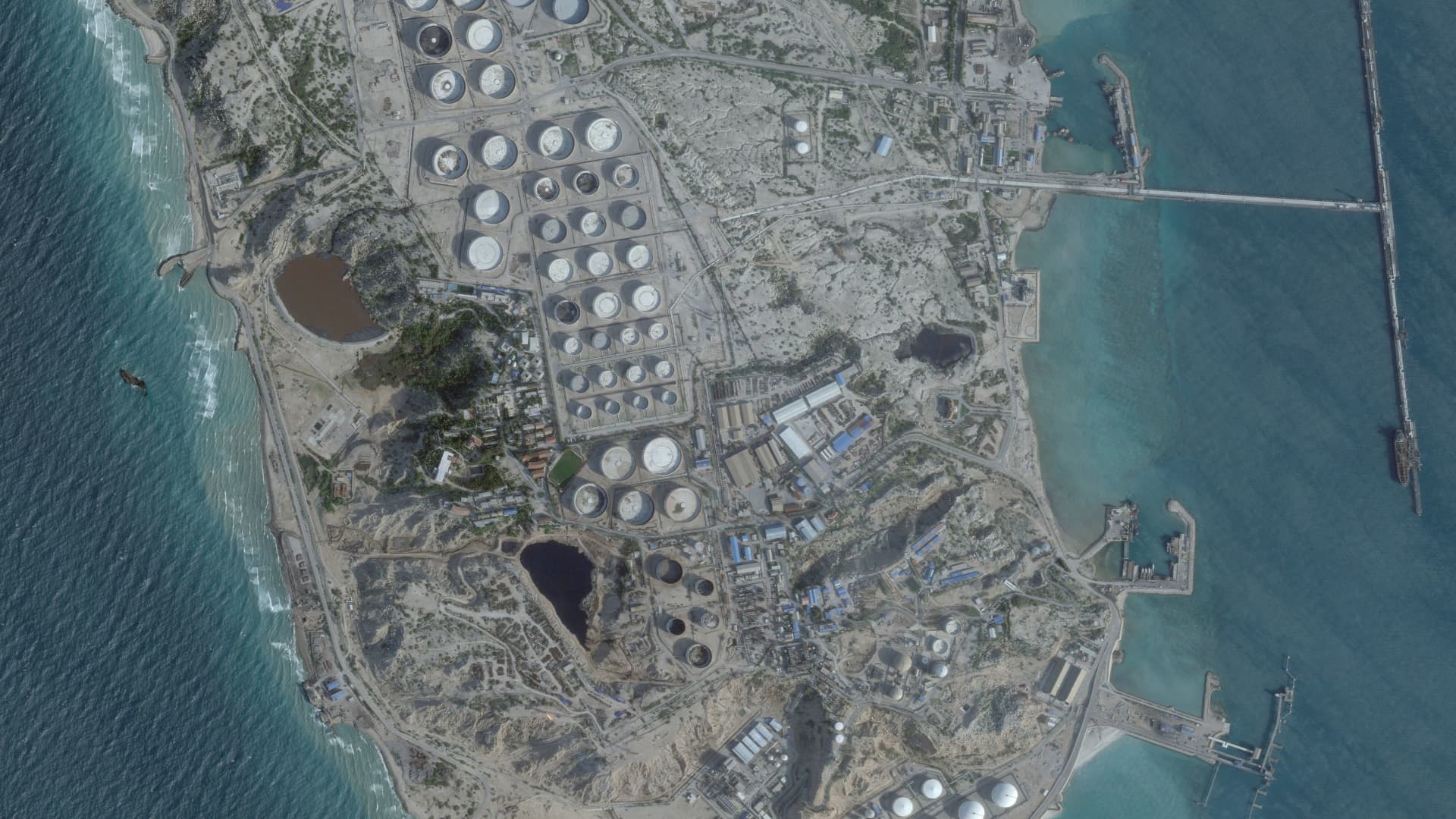
U.S. Crude Prices Surpass $100 Amid Iran Tensions


- Price Surge: U.S. crude prices rose 2.64% to $101.32 per barrel on Sunday evening, while Brent crude increased by 2.94% to $106.17, reflecting market anxiety over escalating tensions in the Middle East.
- Military Strike Threat: President Trump has ordered strikes against Iranian military assets, and while no damage has been inflicted on oil infrastructure yet, he warned of potential strikes on crude facilities if Iran continues to attack tankers in the Strait of Hormuz.
- Supply Disruption: Traffic through the Strait of Hormuz has nearly halted, with 20% of the world's oil supply passing through this critical route; a direct strike could immediately stop Iran's crude exports, leading to severe supply disruptions.
- Historic Action: More than 30 countries have agreed to release 400 million barrels of oil from reserves to address the supply disruption, marking the largest such action in history, yet oil prices have still surged over 40%, indicating ongoing market concerns about future supply.
See More
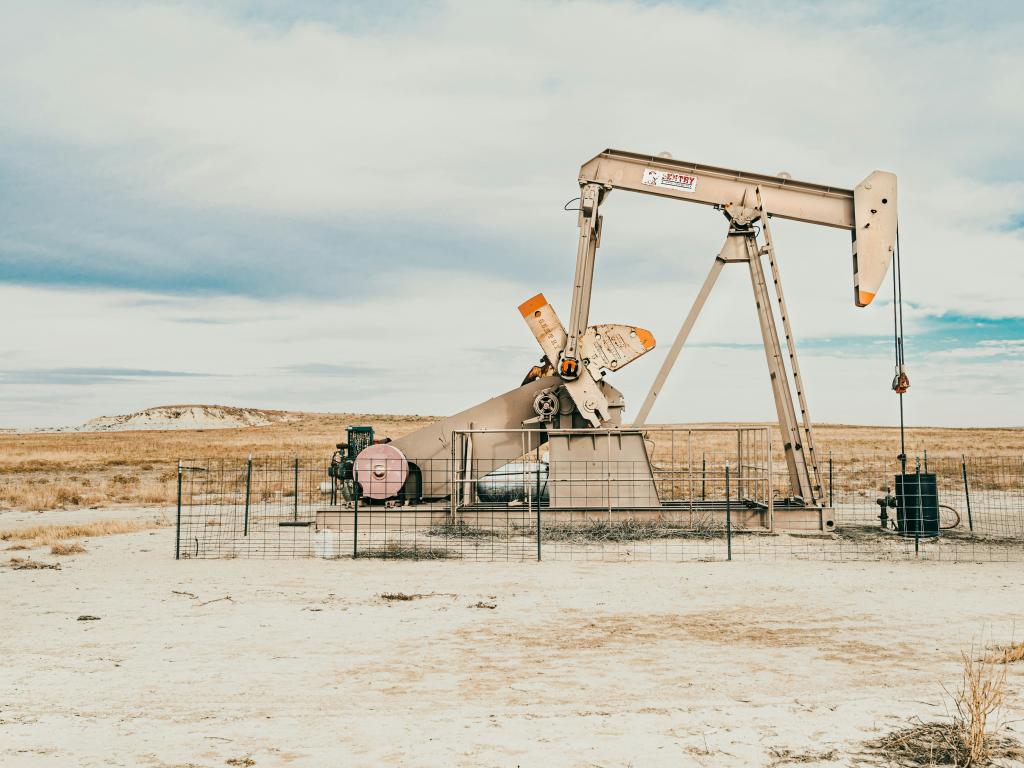
Executives from Exxon, Chevron, and ConocoPhillips Caution Trump Administration About Iran Conflict's Impact on Strait of Hormuz and Energy Crisis - WSJ

Energy Crisis Warning: CEOs from Exxon, Chevron, and ConocoPhillips have warned that Iran's disruption of the Strait of Hormuz will exacerbate the ongoing energy crisis.
Impact on Global Energy Supply: The potential worsening of the energy crisis is linked to geopolitical tensions in the region, which could affect global oil supply and prices.
See More

Closure of Strait of Hormuz May Drive Oil Prices Higher
- Oil Price Risk: Oil executives warned in White House meetings that the closure of the Strait of Hormuz could lead to further increases in oil prices, impacting the stability of global energy markets.
- Supply Chain Vulnerability: Given that the Strait of Hormuz is a critical passage for global oil transportation, any closure would severely disrupt supply chains and could cause oil prices to soar.
- Need for Policy Response: Executives urged the government to take measures to ensure safe passage through the strait, emphasizing the importance of policy intervention in maintaining market stability and preventing drastic price fluctuations.
- Market Expectation Shift: Market participants' expectations regarding oil prices may change due to this news, prompting investors to closely monitor related policy developments and their potential impact on oil prices.
See More

Implications of Iran on Oil and Defense Stocks: Potential Upcoming Opportunities.

- Market Focus: The stock market primarily reflects future expectations rather than current conditions.
- Investment Perspective: Investors should consider long-term trends and potential developments when making decisions.
- Economic Indicators: Market movements are often influenced by forecasts and economic indicators that signal future performance.
- Strategic Planning: Successful investing requires a forward-looking approach, anticipating changes and adapting strategies accordingly.
See More

Analysis of Investment Value in Dividend Stocks

- Dividend Yield Advantage: The S&P 500 index has had an average dividend yield of 1.74% over the past decade, which, while seemingly modest, results in a total return of 305% when dividends are reinvested, highlighting the significance of dividend stocks in long-term investing.
- Realty Income Performance: Realty Income is renowned for its monthly dividend payments, having increased its dividend 133 times over the past 55 years, with a current yield of 5%, making it a preferred choice for investors due to its stable cash flow and robust property portfolio.
- ExxonMobil's Cash Flow: ExxonMobil reported an operational cash flow of $52 billion in 2025, allowing it to pay $17.2 billion in dividends and repurchase $20 billion in shares, demonstrating its strong financial health and commitment to dividend payments, with a yield of 2.8%.
- Innovative Strategy of JPMorgan ETF: The JPMorgan Nasdaq Equity Premium Income ETF employs a covered-call strategy to generate monthly dividends, currently yielding 10.6%, providing a novel investment opportunity for those seeking passive income from tech stocks that typically do not offer dividends.
See More

Analysis of Blue Chip Dividend Strategies
- Stable Dividend Returns: Coca-Cola, known as a 'Dividend King', has raised its dividend for 50 consecutive years, currently yielding 2.6%, which not only attracts new investors but also strengthens its market position.
- Strong Cash Flow: ExxonMobil generated $52 billion in operating cash flow in 2025, allowing it to pay $17.2 billion in dividends and repurchase $20 billion in shares, showcasing its robust financial health and shareholder return capability.
- Pharmaceutical Growth: AbbVie reported a 10% revenue growth in Q4, totaling $16.6 billion, with Skyrizi and Rinvoq contributing $5 billion and $2.37 billion respectively, maintaining a 3% dividend yield despite losing Humira's exclusivity.
- Innovative ETF Strategy: The JPMorgan Nasdaq Equity Premium Income ETF employs a covered-call strategy to achieve a current yield of 10.6%, attracting investors seeking passive income, particularly as tech stocks generally do not offer dividends.
See More
U.S. Crude Prices Surpass $100 Amid Iran Tensions
- Price Surge: U.S. crude prices rose 2.64% to $101.32 per barrel on Sunday evening, while Brent crude increased by 2.94% to $106.17, reflecting market anxiety over escalating tensions in the Middle East.
- Military Strike Threat: President Trump has ordered strikes against Iranian military assets, and while no damage has been inflicted on oil infrastructure yet, he warned of potential strikes on crude facilities if Iran continues to attack tankers in the Strait of Hormuz.
- Supply Disruption: Traffic through the Strait of Hormuz has nearly halted, with 20% of the world's oil supply passing through this critical route; a direct strike could immediately stop Iran's crude exports, leading to severe supply disruptions.
- Historic Action: More than 30 countries have agreed to release 400 million barrels of oil from reserves to address the supply disruption, marking the largest such action in history, yet oil prices have still surged over 40%, indicating ongoing market concerns about future supply.
See More
Executives from Exxon, Chevron, and ConocoPhillips Caution Trump Administration About Iran Conflict's Impact on Strait of Hormuz and Energy Crisis - WSJ
Energy Crisis Warning: CEOs from Exxon, Chevron, and ConocoPhillips have warned that Iran's disruption of the Strait of Hormuz will exacerbate the ongoing energy crisis.
Impact on Global Energy Supply: The potential worsening of the energy crisis is linked to geopolitical tensions in the region, which could affect global oil supply and prices.
See More
Closure of Strait of Hormuz May Drive Oil Prices Higher
- Oil Price Risk: Oil executives warned in White House meetings that the closure of the Strait of Hormuz could lead to further increases in oil prices, impacting the stability of global energy markets.
- Supply Chain Vulnerability: Given that the Strait of Hormuz is a critical passage for global oil transportation, any closure would severely disrupt supply chains and could cause oil prices to soar.
- Need for Policy Response: Executives urged the government to take measures to ensure safe passage through the strait, emphasizing the importance of policy intervention in maintaining market stability and preventing drastic price fluctuations.
- Market Expectation Shift: Market participants' expectations regarding oil prices may change due to this news, prompting investors to closely monitor related policy developments and their potential impact on oil prices.
See More
Implications of Iran on Oil and Defense Stocks: Potential Upcoming Opportunities.
- Market Focus: The stock market primarily reflects future expectations rather than current conditions.
- Investment Perspective: Investors should consider long-term trends and potential developments when making decisions.
- Economic Indicators: Market movements are often influenced by forecasts and economic indicators that signal future performance.
- Strategic Planning: Successful investing requires a forward-looking approach, anticipating changes and adapting strategies accordingly.
See More
Analysis of Investment Value in Dividend Stocks
- Dividend Yield Advantage: The S&P 500 index has had an average dividend yield of 1.74% over the past decade, which, while seemingly modest, results in a total return of 305% when dividends are reinvested, highlighting the significance of dividend stocks in long-term investing.
- Realty Income Performance: Realty Income is renowned for its monthly dividend payments, having increased its dividend 133 times over the past 55 years, with a current yield of 5%, making it a preferred choice for investors due to its stable cash flow and robust property portfolio.
- ExxonMobil's Cash Flow: ExxonMobil reported an operational cash flow of $52 billion in 2025, allowing it to pay $17.2 billion in dividends and repurchase $20 billion in shares, demonstrating its strong financial health and commitment to dividend payments, with a yield of 2.8%.
- Innovative Strategy of JPMorgan ETF: The JPMorgan Nasdaq Equity Premium Income ETF employs a covered-call strategy to generate monthly dividends, currently yielding 10.6%, providing a novel investment opportunity for those seeking passive income from tech stocks that typically do not offer dividends.
See More
Analysis of Blue Chip Dividend Strategies
- Stable Dividend Returns: Coca-Cola, known as a 'Dividend King', has raised its dividend for 50 consecutive years, currently yielding 2.6%, which not only attracts new investors but also strengthens its market position.
- Strong Cash Flow: ExxonMobil generated $52 billion in operating cash flow in 2025, allowing it to pay $17.2 billion in dividends and repurchase $20 billion in shares, showcasing its robust financial health and shareholder return capability.
- Pharmaceutical Growth: AbbVie reported a 10% revenue growth in Q4, totaling $16.6 billion, with Skyrizi and Rinvoq contributing $5 billion and $2.37 billion respectively, maintaining a 3% dividend yield despite losing Humira's exclusivity.
- Innovative ETF Strategy: The JPMorgan Nasdaq Equity Premium Income ETF employs a covered-call strategy to achieve a current yield of 10.6%, attracting investors seeking passive income, particularly as tech stocks generally do not offer dividends.
See More