U.S. Credit Card Delinquencies Steady, Charge-Offs Rise
Written by Emily J. Thompson, Senior Investment Analyst
Updated: 1 hour ago
0mins
Source: seekingalpha
- Delinquency Rate Steady: According to Seeking Alpha, the average credit card delinquency rate across major U.S. banks remained unchanged at 2.81% in February, consistent with the previous month but above last year's 2.59%, indicating ongoing pressure on consumer repayment capabilities.
- Charge-Off Rates Rise: The net charge-off rate for February reached 3.83%, significantly higher than January's 3.53% and the pre-pandemic level of 3.75%, suggesting an increase in credit risk that could impact banks' profitability.
- Consumer Sentiment Declines: The University of Michigan Consumer Sentiment Index fell to 55.5 in March, down from 56.6 in February, reflecting growing consumer concerns about the economic outlook amid the Iran conflict.
- Seasonal Spending Trends: The Federal Reserve's Beige Book noted a sharp decline in credit card volumes as consumers paid down holiday balances, highlighting the impact of seasonal spending patterns that may exert pressure on the retail sector.
Trade with 70% Backtested Accuracy
Stop guessing "Should I Buy C?" and start using high-conviction signals backed by rigorous historical data.
Sign up today to access powerful investing tools and make smarter, data-driven decisions.
Analyst Views on C
Wall Street analysts forecast C stock price to rise
18 Analyst Rating
15 Buy
3 Hold
0 Sell
Strong Buy
Current: 109.850

Low
87.00
Averages
131.00
High
150.00
Current: 109.850
Low
87.00
Averages
131.00
High
150.00
About C
Citigroup Inc. is a global diversified financial services holding company. The Company’s segments include Services, Markets, Banking, Wealth and U.S. Personal Banking (USPB). The Services segment includes Treasury and Trade Solutions (TTS) and securities services. TTS provides an integrated suite of tailored cash management, trade and working capital solutions to multinational corporations, financial institutions and public sector organizations. The Markets segment provides corporate, institutional and public sector clients around the world with a full range of sales and trading services across equities, foreign exchange, rates, spread products and commodities. The Banking segment includes investment banking, which supports client capital-raising needs to help strengthen and grow their businesses. The Wealth segment includes Private Bank, Wealth at Work and Citigold and provides financial services to a range of client segments. USPB segment includes branded cards and retail services.
About the author

Emily J. Thompson
Emily J. Thompson, a Chartered Financial Analyst (CFA) with 12 years in investment research, graduated with honors from the Wharton School. Specializing in industrial and technology stocks, she provides in-depth analysis for Intellectia’s earnings and market brief reports.

U.S. Credit Card Delinquencies Steady, Charge-Offs Rise

- Delinquency Rate Steady: According to Seeking Alpha, the average credit card delinquency rate across major U.S. banks remained unchanged at 2.81% in February, consistent with the previous month but above last year's 2.59%, indicating ongoing pressure on consumer repayment capabilities.
- Charge-Off Rates Rise: The net charge-off rate for February reached 3.83%, significantly higher than January's 3.53% and the pre-pandemic level of 3.75%, suggesting an increase in credit risk that could impact banks' profitability.
- Consumer Sentiment Declines: The University of Michigan Consumer Sentiment Index fell to 55.5 in March, down from 56.6 in February, reflecting growing consumer concerns about the economic outlook amid the Iran conflict.
- Seasonal Spending Trends: The Federal Reserve's Beige Book noted a sharp decline in credit card volumes as consumers paid down holiday balances, highlighting the impact of seasonal spending patterns that may exert pressure on the retail sector.
See More
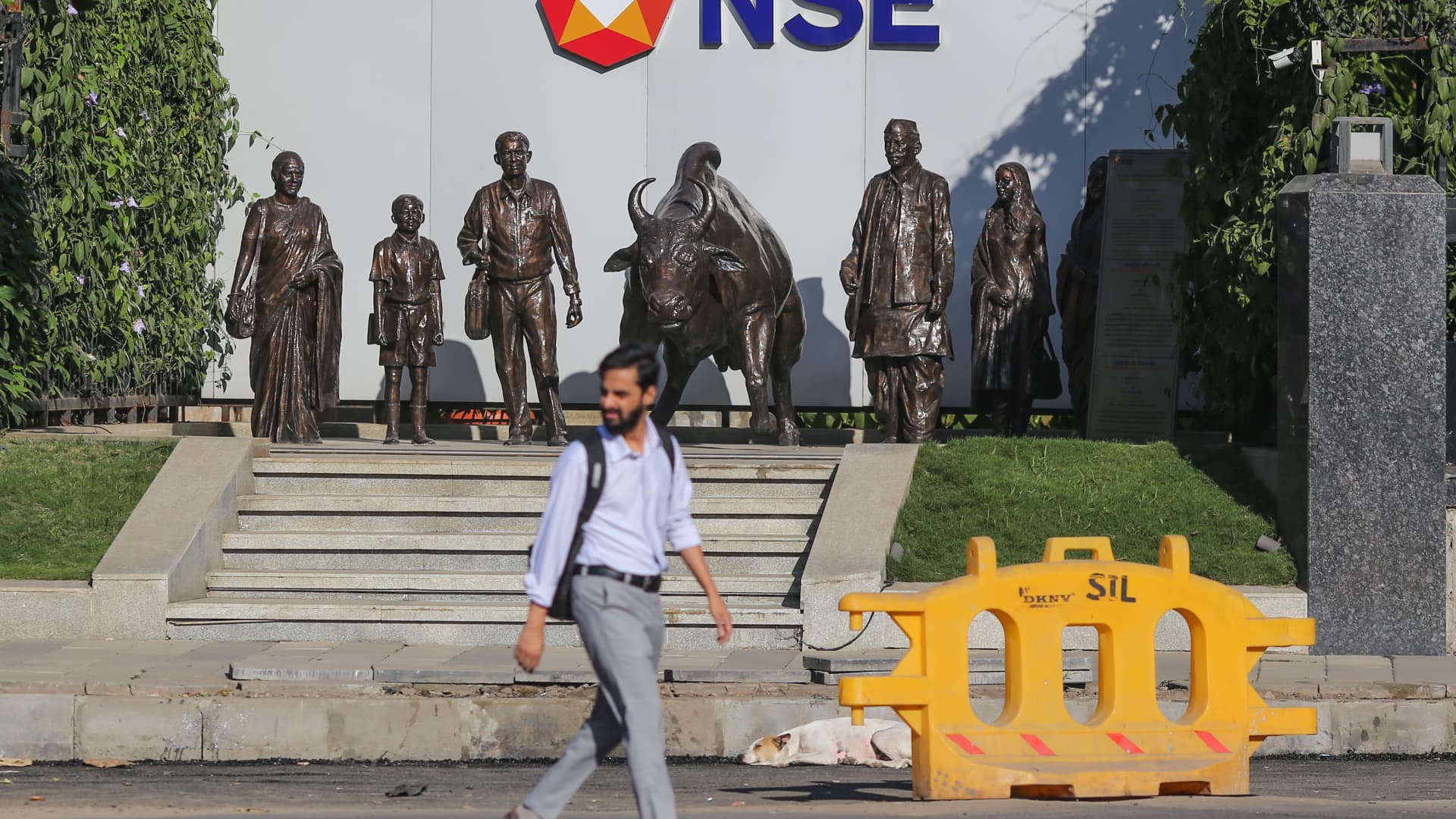
India's IPO Market Faces Major Challenges Amid Global Volatility


- Market Volatility Impacting IPOs: The ongoing Middle East conflict has weakened investor sentiment, leading to a more than 12% drop in Indian benchmark indices since January, prompting companies like PhonePe to halt their listing plans and reflecting a sharp decline in demand for new stocks.
- Foreign Capital Withdrawal Intensifies: Foreign institutional investors have sold over $8 billion worth of equities this month, draining liquidity and making it difficult for IPOs to secure attractive valuations, resulting in several tech and consumer startups postponing their listings and further exacerbating market uncertainty.
- Significant Slowdown in IPO Activity: Since the outbreak of the Iran war on February 28, IPO activity has noticeably slowed; despite India having topped global charts with 367 IPOs in 2025, 8 out of 11 IPOs listed this year are trading below their issue price, indicating a lack of investor confidence.
- Domestic Investors Dominating Pricing: With foreign capital exiting, domestic institutional investors are firmly in control of IPO pricing, demanding “competitive” valuations, which may impact the market performance and fundraising capabilities of future IPOs.
See More

Trump Criticizes Fed Chair Powell as Incompetent

- Investigation Impact: Trump supports the investigation into Fed Chair Powell, claiming the multibillion-dollar renovation costs at the Washington headquarters indicate potential criminality, which could further delay the confirmation of his successor, Warsh.
- Rate Policy Controversy: Trump accuses Powell of being unwilling to lower interest rates immediately, labeling him as incompetent and stubborn, which may affect market perceptions of the Fed's independence and investor confidence.
- Legal Challenges: A U.S. District Judge blocked subpoenas against Powell, stating that the government's investigation might be an attempt to pressure him into lowering rates, leading to an appeal by the prosecutor, highlighting tensions between legal and policy matters.
- Appointment Obstacles: Senator Tillis has vowed to block Warsh's nomination until the DOJ drops its probe into Powell, potentially leaving the Fed's leadership in uncertainty during a critical period.
See More

Citi Initiates Buy Rating on Lucid with $17 Price Target


- Buy Rating Initiation: Citi has initiated coverage on Lucid with a buy rating and a $17 price target, indicating a nearly 71% upside from Wednesday's close, reflecting confidence in the electric vehicle manufacturer.
- Positive Inflection Point: Analyst Michael Ward noted that Lucid is at a 'positive inflection point' and projected revenue to reach $2.4 billion by 2026, primarily driven by increased production of the Gravity model, highlighting the company's growth potential.
- New Models and Partnerships: Lucid's plans for a robotaxi and its partnership with Uber to launch an autonomous vehicle service are expected to drive revenue growth in the coming years, further solidifying its position in the electric vehicle market.
- High-Risk Warning: Despite the optimistic outlook, Citi flagged risks including high debt levels, negative operating cash flow, and the need for additional funding, emphasizing the capital-intensive and competitive nature of the auto industry, necessitating solutions to meet customer demands.
See More

Citigroup's Mark Mason to Depart Seeking CEO Role
- Executive Departure: Mark Mason, Citigroup's executive vice chair and senior advisor, will leave after nearly 25 years, indicating his strong desire for career advancement as he seeks a CEO position.
- Management Changes: His departure coincides with CEO Jane Fraser also becoming chair of the board, which enhances her control over the bank's management and suggests a long-term strategic direction for the company.
- Career Challenges: Although Mason plans to leave by year-end while advising Fraser on strategy, he faces challenges as a CEO candidate, with recruitment firm chairman noting that boards may view him as lacking CEO experience.
- Leadership Experience: Since joining Citigroup in 2001, Mason has held various leadership roles, including CFO and head of strategy for Wealth Management, showcasing his extensive experience and leadership capabilities in the financial sector.
See More

Surge in India's Gold Loan Market Driven by Households' $5 Trillion Reserves


- Gold Loan Surge: Indian households possess over 34,000 tons of gold valued at approximately $5 trillion, driving rapid growth in the gold loan industry, which is becoming a significant part of the retail credit market.
- Doubling Loan Volume: RBI data shows gold loans more than doubled in one year to 4 trillion rupees ($43.3 billion), making it the largest retail loan segment after home and vehicle loans.
- International Investor Interest: Global private equity firm Bain Capital plans to acquire a 41.7% stake in Manappuram Finance, indicating strong confidence and market potential in India's traditional assets from international investors.
- Credit Accessibility: Most non-banking financial companies (NBFCs) can disburse loans within an hour of customer arrival, allowing even borrowers with poor credit scores to access loans at better rates, reflecting the maturity of the financial market.
See More
U.S. Credit Card Delinquencies Steady, Charge-Offs Rise
- Delinquency Rate Steady: According to Seeking Alpha, the average credit card delinquency rate across major U.S. banks remained unchanged at 2.81% in February, consistent with the previous month but above last year's 2.59%, indicating ongoing pressure on consumer repayment capabilities.
- Charge-Off Rates Rise: The net charge-off rate for February reached 3.83%, significantly higher than January's 3.53% and the pre-pandemic level of 3.75%, suggesting an increase in credit risk that could impact banks' profitability.
- Consumer Sentiment Declines: The University of Michigan Consumer Sentiment Index fell to 55.5 in March, down from 56.6 in February, reflecting growing consumer concerns about the economic outlook amid the Iran conflict.
- Seasonal Spending Trends: The Federal Reserve's Beige Book noted a sharp decline in credit card volumes as consumers paid down holiday balances, highlighting the impact of seasonal spending patterns that may exert pressure on the retail sector.
See More
India's IPO Market Faces Major Challenges Amid Global Volatility
- Market Volatility Impacting IPOs: The ongoing Middle East conflict has weakened investor sentiment, leading to a more than 12% drop in Indian benchmark indices since January, prompting companies like PhonePe to halt their listing plans and reflecting a sharp decline in demand for new stocks.
- Foreign Capital Withdrawal Intensifies: Foreign institutional investors have sold over $8 billion worth of equities this month, draining liquidity and making it difficult for IPOs to secure attractive valuations, resulting in several tech and consumer startups postponing their listings and further exacerbating market uncertainty.
- Significant Slowdown in IPO Activity: Since the outbreak of the Iran war on February 28, IPO activity has noticeably slowed; despite India having topped global charts with 367 IPOs in 2025, 8 out of 11 IPOs listed this year are trading below their issue price, indicating a lack of investor confidence.
- Domestic Investors Dominating Pricing: With foreign capital exiting, domestic institutional investors are firmly in control of IPO pricing, demanding “competitive” valuations, which may impact the market performance and fundraising capabilities of future IPOs.
See More
Trump Criticizes Fed Chair Powell as Incompetent
- Investigation Impact: Trump supports the investigation into Fed Chair Powell, claiming the multibillion-dollar renovation costs at the Washington headquarters indicate potential criminality, which could further delay the confirmation of his successor, Warsh.
- Rate Policy Controversy: Trump accuses Powell of being unwilling to lower interest rates immediately, labeling him as incompetent and stubborn, which may affect market perceptions of the Fed's independence and investor confidence.
- Legal Challenges: A U.S. District Judge blocked subpoenas against Powell, stating that the government's investigation might be an attempt to pressure him into lowering rates, leading to an appeal by the prosecutor, highlighting tensions between legal and policy matters.
- Appointment Obstacles: Senator Tillis has vowed to block Warsh's nomination until the DOJ drops its probe into Powell, potentially leaving the Fed's leadership in uncertainty during a critical period.
See More
Citi Initiates Buy Rating on Lucid with $17 Price Target
- Buy Rating Initiation: Citi has initiated coverage on Lucid with a buy rating and a $17 price target, indicating a nearly 71% upside from Wednesday's close, reflecting confidence in the electric vehicle manufacturer.
- Positive Inflection Point: Analyst Michael Ward noted that Lucid is at a 'positive inflection point' and projected revenue to reach $2.4 billion by 2026, primarily driven by increased production of the Gravity model, highlighting the company's growth potential.
- New Models and Partnerships: Lucid's plans for a robotaxi and its partnership with Uber to launch an autonomous vehicle service are expected to drive revenue growth in the coming years, further solidifying its position in the electric vehicle market.
- High-Risk Warning: Despite the optimistic outlook, Citi flagged risks including high debt levels, negative operating cash flow, and the need for additional funding, emphasizing the capital-intensive and competitive nature of the auto industry, necessitating solutions to meet customer demands.
See More
Citigroup's Mark Mason to Depart Seeking CEO Role
- Executive Departure: Mark Mason, Citigroup's executive vice chair and senior advisor, will leave after nearly 25 years, indicating his strong desire for career advancement as he seeks a CEO position.
- Management Changes: His departure coincides with CEO Jane Fraser also becoming chair of the board, which enhances her control over the bank's management and suggests a long-term strategic direction for the company.
- Career Challenges: Although Mason plans to leave by year-end while advising Fraser on strategy, he faces challenges as a CEO candidate, with recruitment firm chairman noting that boards may view him as lacking CEO experience.
- Leadership Experience: Since joining Citigroup in 2001, Mason has held various leadership roles, including CFO and head of strategy for Wealth Management, showcasing his extensive experience and leadership capabilities in the financial sector.
See More
Surge in India's Gold Loan Market Driven by Households' $5 Trillion Reserves
- Gold Loan Surge: Indian households possess over 34,000 tons of gold valued at approximately $5 trillion, driving rapid growth in the gold loan industry, which is becoming a significant part of the retail credit market.
- Doubling Loan Volume: RBI data shows gold loans more than doubled in one year to 4 trillion rupees ($43.3 billion), making it the largest retail loan segment after home and vehicle loans.
- International Investor Interest: Global private equity firm Bain Capital plans to acquire a 41.7% stake in Manappuram Finance, indicating strong confidence and market potential in India's traditional assets from international investors.
- Credit Accessibility: Most non-banking financial companies (NBFCs) can disburse loans within an hour of customer arrival, allowing even borrowers with poor credit scores to access loans at better rates, reflecting the maturity of the financial market.
See More