U.S. Banks Rush to Fix IT Vulnerabilities Exposed by Mythos AI
Written by Emily J. Thompson, Senior Investment Analyst
Updated: 41 minutes ago
0mins
Source: Newsfilter
- IT Vulnerability Fixes: Major U.S. banks are urgently addressing dozens of IT system vulnerabilities flagged by Anthropic's Mythos AI tool, necessitating software upgrades and potentially disrupting customer services.
- Pressure for Tech Upgrades: Mythos AI's ability to chain low-risk vulnerabilities into high-risk ones forces banks to fix hundreds to thousands of vulnerabilities at unprecedented speeds, with some patches needing to be completed in days instead of weeks.
- Challenges for Smaller Banks: Smaller banks face dual barriers of technology costs and processing power limitations, and while larger banks share findings, they still struggle to gain direct access to Mythos.
- Normalization of AI Testing: As banks test Mythos, rapid AI product testing has become the new norm, with regulators warning that cyber risks are evolving at machine speed while bank defenses remain at human speed.
Trade with 70% Backtested Accuracy
Stop guessing "Should I Buy JPM?" and start using high-conviction signals backed by rigorous historical data.
Sign up today to access powerful investing tools and make smarter, data-driven decisions.
Analyst Views on JPM
Wall Street analysts forecast JPM stock price to rise
19 Analyst Rating
11 Buy
7 Hold
1 Sell
Moderate Buy
Current: 300.000

Low
260.00
Averages
341.38
High
400.00
Current: 300.000
Low
260.00
Averages
341.38
High
400.00
About JPM
JPMorgan Chase & Co. is a financial holding company. The Company is engaged in investment banking, financial services for consumers and small businesses, commercial banking, financial transaction processing and asset management. The Company operates through three segments: Consumer & Community Banking (CCB), Commercial & Investment Bank (CIB), and Asset & Wealth Management (AWM). Its CCB segment offers products and services to consumers and small businesses through bank branches, ATMs, digital and telephone banking. Its CIB segment consists of banking and payments and markets and securities services, and offers a suite of investment banking, lending, payments, market-making, financing, custody and securities products and services to a global base of corporate and institutional clients. AWM segment offers investment and wealth management solutions. It offers multi-asset investment management solutions, retirement products and services, brokerage, custody, estate planning, and others.
About the author

Emily J. Thompson
Emily J. Thompson, a Chartered Financial Analyst (CFA) with 12 years in investment research, graduated with honors from the Wharton School. Specializing in industrial and technology stocks, she provides in-depth analysis for Intellectia’s earnings and market brief reports.

Resolute Wealth Exits Entire Stake in JTEK ETF

- Full Exit Transaction: On May 7, 2026, Resolute Wealth Strategies, LLC sold its entire stake in the J.P. Morgan U.S. Tech Leaders ETF (NASDAQ:JTEK), totaling 34,133 shares, with an estimated transaction value of approximately $2.93 million, indicating a strategic shift in the fund's investment approach.
- Position Value Change: This transaction resulted in a net position value decrease of $3.07 million, reflecting the negative impact of trading and stock price fluctuations on the fund's assets under management (AUM), with the transaction size representing 1.26% of the fund's AUM.
- Portfolio Structure Adjustment: Following this trade, Resolute Wealth's stake in JTEK dropped to 0%, whereas it previously accounted for 1.35% of AUM in the prior quarter, suggesting a reevaluation of the composition of the firm's investment portfolio.
- Market Performance Analysis: As of May 6, 2026, JTEK's share price was $101.56, up 42.4% over the past year, outperforming the S&P 500 by 11.04 percentage points, indicating strong performance in the tech sector, yet Resolute's exit may reflect a lack of confidence in the ETF's future prospects.
See More
JPMorgan Clients Actively Trade Amid Market Volatility
- Active Client Trading: JPMorgan's clients are actively trading amid market volatility, leading to record balances in its prime brokerage business, reflecting a bullish outlook despite ongoing geopolitical uncertainties.
- Hedge Adjustments: Clients have unwound some hedges made during the early weeks of the Iran conflict, shifting focus to U.S. corporate earnings, indicating a strategy to capitalize on market fluctuations for potentially higher returns.
- Limited Market Impact: Despite heightened geopolitical tensions from the Iran conflict, JPMorgan's co-CEO for Europe, the Middle East, and Africa noted that this quarter has shown strong market performance, suggesting limited impact from major conflicts on market stability.
- Surge in Trading Activity: The volatility driven by shifts in Trump administration policies has significantly increased activity in JPMorgan's prime brokerage units, further boosting Wall Street trading desk operations.
See More

U.S. Banks Rush to Fix IT Vulnerabilities Exposed by Mythos AI

- IT Vulnerability Fixes: Major U.S. banks are urgently addressing dozens of IT system vulnerabilities flagged by Anthropic's Mythos AI tool, necessitating software upgrades and potentially disrupting customer services.
- Pressure for Tech Upgrades: Mythos AI's ability to chain low-risk vulnerabilities into high-risk ones forces banks to fix hundreds to thousands of vulnerabilities at unprecedented speeds, with some patches needing to be completed in days instead of weeks.
- Challenges for Smaller Banks: Smaller banks face dual barriers of technology costs and processing power limitations, and while larger banks share findings, they still struggle to gain direct access to Mythos.
- Normalization of AI Testing: As banks test Mythos, rapid AI product testing has become the new norm, with regulators warning that cyber risks are evolving at machine speed while bank defenses remain at human speed.
See More

Energy Sector Faces Risk of Oil Price Surge

- Severe Supply Loss: The closure of the Strait of Hormuz since late February has resulted in a loss of over 500 million barrels of oil supply globally, forcing the market to draw from inventories, which is expected to exert sustained upward pressure on oil prices.
- High Price Expectations: Analysts anticipate that Brent crude will average over $86 per barrel, significantly up from the initial forecast of $62, reflecting concerns over future supply shortages and robust demand recovery.
- Potential Price Surge: JPMorgan has warned that if the Strait of Hormuz remains disrupted, Brent prices could spike to $120-$130 per barrel, with a risk of exceeding $150, further exacerbating market uncertainties.
- Investment Opportunities Arise: Despite ExxonMobil's stock rising less than 25% this year while Brent has surged over 70%, investors should seize the current opportunity, as strong returns are expected in oil stocks over the next year.
See More
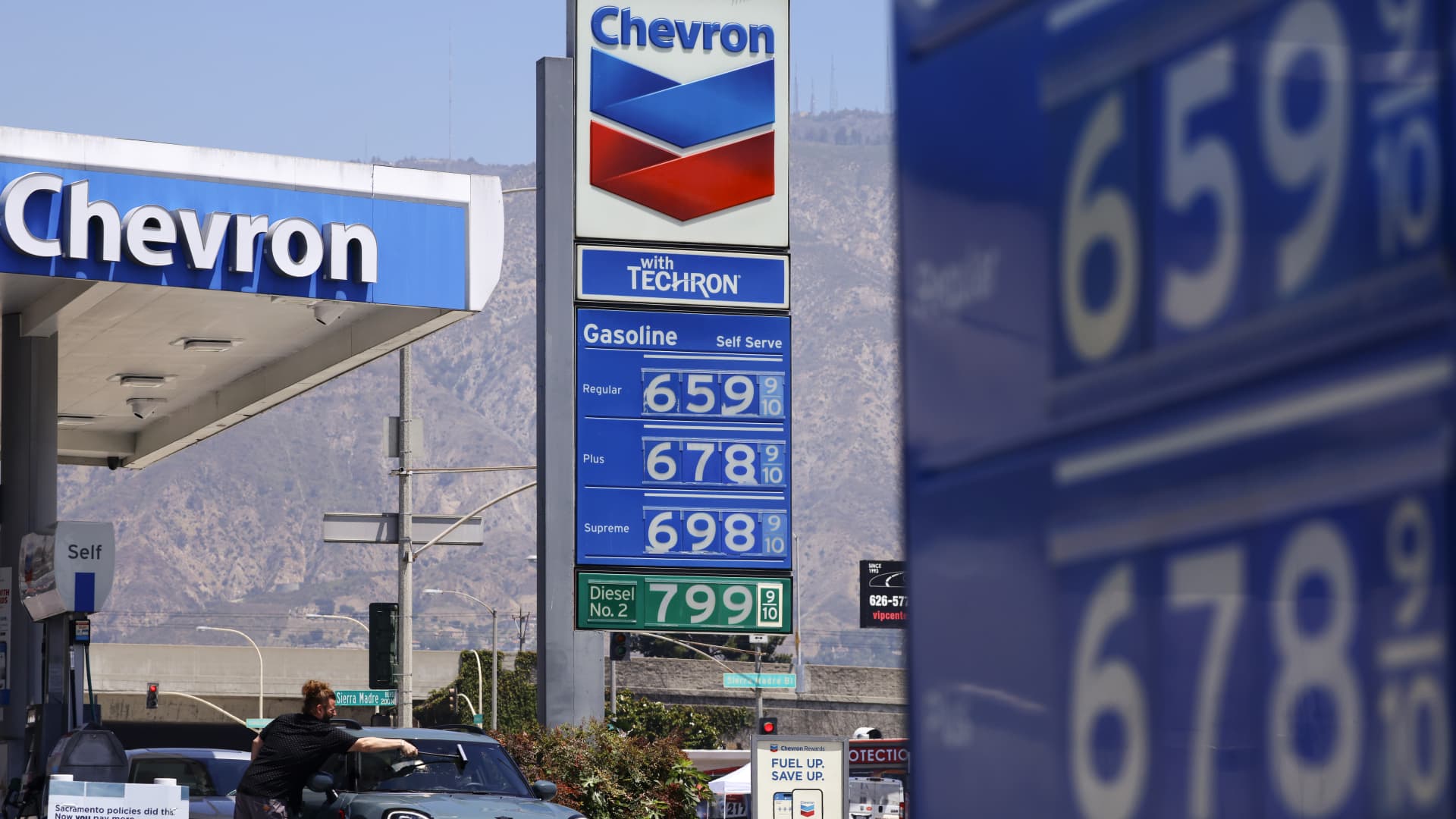
Impact of Iran War on U.S. Economy
- Surging Oil Prices: The global benchmark Brent crude futures hit $104 a barrel on Monday, up 44% since the onset of the Iran war, directly leading to higher consumer prices in the U.S., with average gas prices reaching $4.50 per gallon, a 44% increase from last year.
- Supply Chain Disruption: The closure of the Strait of Hormuz has halted one-fifth of the world's oil supply, with Saudi Aramco's CEO Amin Nasser stating that if disruptions continue, the market could lose around 100 million barrels weekly, exacerbating market tensions.
- Inflationary Pressures: Rising oil prices are expected to sustain inflation in the U.S., particularly ahead of the 2026 midterm elections, where Trump's approval rating has plummeted to the lowest of his presidency, potentially impacting his policy decisions and electoral prospects.
- Fiscal Challenges: The U.S. Treasury estimates a $2 trillion borrowing requirement next year to cover the deficit, with national debt surpassing 100% of GDP, which will lead to rising long-term Treasury yields, increasing consumer loan costs and further suppressing economic growth.
See More

Closure of Strait of Hormuz Impacts Global Oil Market

- Accelerated Inventory Depletion: According to TotalEnergies CEO Patrick Pouyanne, the global economy has consumed at least 500 million barrels from inventories this year, a figure that continues to rise, indicating severe challenges for the global oil market.
- Production Drop: Oil production in the Persian Gulf has plummeted by 57% since the onset of the war with Iran, with global inventories being drawn down at a rate of 10 to 13 million barrels per day, leading to tight market conditions and expectations of sustained high oil prices.
- Production Restart Challenges: Even if the Strait of Hormuz were to reopen today, it would take time to restore oil supplies from the Persian Gulf, with some wells potentially requiring up to seven months to restart, further exacerbating global inventory tightness.
- Optimistic Price Outlook: JPMorgan forecasts that Brent crude prices will remain in triple digits through the third quarter, with expectations of $80 per barrel next year, positioning oil producers to generate cash flows significantly above initial expectations, enhancing their financial flexibility.
See More
Resolute Wealth Exits Entire Stake in JTEK ETF
- Full Exit Transaction: On May 7, 2026, Resolute Wealth Strategies, LLC sold its entire stake in the J.P. Morgan U.S. Tech Leaders ETF (NASDAQ:JTEK), totaling 34,133 shares, with an estimated transaction value of approximately $2.93 million, indicating a strategic shift in the fund's investment approach.
- Position Value Change: This transaction resulted in a net position value decrease of $3.07 million, reflecting the negative impact of trading and stock price fluctuations on the fund's assets under management (AUM), with the transaction size representing 1.26% of the fund's AUM.
- Portfolio Structure Adjustment: Following this trade, Resolute Wealth's stake in JTEK dropped to 0%, whereas it previously accounted for 1.35% of AUM in the prior quarter, suggesting a reevaluation of the composition of the firm's investment portfolio.
- Market Performance Analysis: As of May 6, 2026, JTEK's share price was $101.56, up 42.4% over the past year, outperforming the S&P 500 by 11.04 percentage points, indicating strong performance in the tech sector, yet Resolute's exit may reflect a lack of confidence in the ETF's future prospects.
See More
JPMorgan Clients Actively Trade Amid Market Volatility
- Active Client Trading: JPMorgan's clients are actively trading amid market volatility, leading to record balances in its prime brokerage business, reflecting a bullish outlook despite ongoing geopolitical uncertainties.
- Hedge Adjustments: Clients have unwound some hedges made during the early weeks of the Iran conflict, shifting focus to U.S. corporate earnings, indicating a strategy to capitalize on market fluctuations for potentially higher returns.
- Limited Market Impact: Despite heightened geopolitical tensions from the Iran conflict, JPMorgan's co-CEO for Europe, the Middle East, and Africa noted that this quarter has shown strong market performance, suggesting limited impact from major conflicts on market stability.
- Surge in Trading Activity: The volatility driven by shifts in Trump administration policies has significantly increased activity in JPMorgan's prime brokerage units, further boosting Wall Street trading desk operations.
See More
U.S. Banks Rush to Fix IT Vulnerabilities Exposed by Mythos AI
- IT Vulnerability Fixes: Major U.S. banks are urgently addressing dozens of IT system vulnerabilities flagged by Anthropic's Mythos AI tool, necessitating software upgrades and potentially disrupting customer services.
- Pressure for Tech Upgrades: Mythos AI's ability to chain low-risk vulnerabilities into high-risk ones forces banks to fix hundreds to thousands of vulnerabilities at unprecedented speeds, with some patches needing to be completed in days instead of weeks.
- Challenges for Smaller Banks: Smaller banks face dual barriers of technology costs and processing power limitations, and while larger banks share findings, they still struggle to gain direct access to Mythos.
- Normalization of AI Testing: As banks test Mythos, rapid AI product testing has become the new norm, with regulators warning that cyber risks are evolving at machine speed while bank defenses remain at human speed.
See More
Energy Sector Faces Risk of Oil Price Surge
- Severe Supply Loss: The closure of the Strait of Hormuz since late February has resulted in a loss of over 500 million barrels of oil supply globally, forcing the market to draw from inventories, which is expected to exert sustained upward pressure on oil prices.
- High Price Expectations: Analysts anticipate that Brent crude will average over $86 per barrel, significantly up from the initial forecast of $62, reflecting concerns over future supply shortages and robust demand recovery.
- Potential Price Surge: JPMorgan has warned that if the Strait of Hormuz remains disrupted, Brent prices could spike to $120-$130 per barrel, with a risk of exceeding $150, further exacerbating market uncertainties.
- Investment Opportunities Arise: Despite ExxonMobil's stock rising less than 25% this year while Brent has surged over 70%, investors should seize the current opportunity, as strong returns are expected in oil stocks over the next year.
See More
Impact of Iran War on U.S. Economy
- Surging Oil Prices: The global benchmark Brent crude futures hit $104 a barrel on Monday, up 44% since the onset of the Iran war, directly leading to higher consumer prices in the U.S., with average gas prices reaching $4.50 per gallon, a 44% increase from last year.
- Supply Chain Disruption: The closure of the Strait of Hormuz has halted one-fifth of the world's oil supply, with Saudi Aramco's CEO Amin Nasser stating that if disruptions continue, the market could lose around 100 million barrels weekly, exacerbating market tensions.
- Inflationary Pressures: Rising oil prices are expected to sustain inflation in the U.S., particularly ahead of the 2026 midterm elections, where Trump's approval rating has plummeted to the lowest of his presidency, potentially impacting his policy decisions and electoral prospects.
- Fiscal Challenges: The U.S. Treasury estimates a $2 trillion borrowing requirement next year to cover the deficit, with national debt surpassing 100% of GDP, which will lead to rising long-term Treasury yields, increasing consumer loan costs and further suppressing economic growth.
See More
Closure of Strait of Hormuz Impacts Global Oil Market
- Accelerated Inventory Depletion: According to TotalEnergies CEO Patrick Pouyanne, the global economy has consumed at least 500 million barrels from inventories this year, a figure that continues to rise, indicating severe challenges for the global oil market.
- Production Drop: Oil production in the Persian Gulf has plummeted by 57% since the onset of the war with Iran, with global inventories being drawn down at a rate of 10 to 13 million barrels per day, leading to tight market conditions and expectations of sustained high oil prices.
- Production Restart Challenges: Even if the Strait of Hormuz were to reopen today, it would take time to restore oil supplies from the Persian Gulf, with some wells potentially requiring up to seven months to restart, further exacerbating global inventory tightness.
- Optimistic Price Outlook: JPMorgan forecasts that Brent crude prices will remain in triple digits through the third quarter, with expectations of $80 per barrel next year, positioning oil producers to generate cash flows significantly above initial expectations, enhancing their financial flexibility.
See More