

US and Iran Reach Deal to End War and Reopen Strait of Hormuz
Written by Emily J. Thompson, Senior Investment Analyst
Updated: Jun 18 2026
0mins
Source: Fool
- Oil Price Volatility: Since the U.S. and Israel attacked Iran on February 28, oil prices and global stocks have experienced significant volatility, resulting in widespread damage to Middle Eastern oil infrastructure and a shutdown of oil shipments through the vital Strait of Hormuz, impacting global energy supply.
- Energy ETF Performance: The Vanguard Energy ETF has delivered a 25% return year-to-date but has lost about 11% of its value since reaching an all-time high on March 27, indicating uncertainty in the future of energy stocks amid geopolitical tensions.
- Market Reaction: The S&P 500 index is up 10.4% year-to-date and has gained about 19% since hitting a 2026 low on March 30, but this may be bad news for energy stocks as the Vanguard Energy ETF and the S&P 500 have been moving in opposite directions since late March.
- Investment Advice: Although the Vanguard Energy ETF has achieved an average annual return of 21.1% over the past five years, the complex situation in the Middle East suggests that oil prices could plummet in the future, leading to a recommendation for long-term investors to be cautious and avoid heavy investments in oil stocks.
Trade with 70% Backtested Accuracy
Stop guessing "Should I Buy CVX?" and start using high-conviction signals backed by rigorous historical data.
Sign up today to access powerful investing tools and make smarter, data-driven decisions.
Analyst Views on CVX
Wall Street analysts forecast CVX stock price to rise
19 Analyst Rating
15 Buy
4 Hold
0 Sell
Strong Buy
Current: 174.010

Low
158.00
Averages
176.95
High
206.00
Current: 174.010
Low
158.00
Averages
176.95
High
206.00
About CVX
Chevron Corporation is an integrated energy company. The Company produces crude oil and natural gas; manufactures transportation fuels, lubricants, petrochemicals and additives; and develops technologies that enhance its business and industry. The Company’s segments include Upstream and Downstream. Upstream operations consist primarily of exploring for, developing, producing and transporting crude oil and natural gas; liquefaction, transportation and regasification associated with LNG; transporting crude oil by major international oil export pipelines; processing, transporting, storage and marketing of natural gas; carbon capture and storage; and a gas-to-liquids plant. Downstream operations consist primarily of the refining of crude oil into petroleum products; marketing crude oil, refined products, and lubricants; manufacturing and marketing of renewable fuels, and transporting of crude oil and refined products by pipeline, marine vessel, motor equipment and rail car.
About the author

Emily J. Thompson
Emily J. Thompson, a Chartered Financial Analyst (CFA) with 12 years in investment research, graduated with honors from the Wharton School. Specializing in industrial and technology stocks, she provides in-depth analysis for Intellectia’s earnings and market brief reports.

Oil Prices Surge Amid Tech Stock Volatility


- Oil Price Surge: Brent crude futures surpassed $80 on Wednesday, primarily driven by U.S. military actions against Iran, with the energy sector being the top performer of the day, up 1.45%, indicating strong market reactions to energy demand.
- Tech Stock Volatility: Nvidia's stock is down 14% from its May high, while AMD, Applied Materials, and Micron Technology have seen declines of 11.5%, 22%, and 24% respectively, reflecting investor caution towards tech stocks that may influence future investment decisions.
- PepsiCo Earnings Preview: PepsiCo is set to report earnings on Thursday, with its stock down about 8% over the past three months and 17% from its 52-week high, which could affect market perceptions of its future growth potential.
- Blue Origin Funding: Jeff Bezos' Blue Origin secured a $4 billion investment from Coatue Management as part of a new $10 billion fundraising round, expected to value the company at $130 billion, showcasing the investment enthusiasm and growth potential in the space industry.
See More

Energy Stocks Rise Late Wednesday Afternoon


- Energy Sector Recovery: Late Wednesday afternoon, the NYSE Energy Sector Index saw an uptick, indicating a gradual restoration of market confidence in energy stocks, likely driven by a rebound in oil prices.
- Improved Market Sentiment: The rising interest in energy stocks reflects optimistic expectations regarding economic recovery, particularly against the backdrop of increasing global energy demand.
- Industry Dynamics at Play: The increase in energy stocks may be linked to recent fluctuations in crude oil and natural gas prices, as investors reassess the long-term value of these assets.
- Investor Focus: As energy stocks rise, market participants will closely monitor upcoming economic data to evaluate its potential impact on the energy sector.
See More

Broadcom and Apple Expand Partnership Deal Exceeding $30 Billion


- Partnership Expansion: Broadcom's multiyear partnership with Apple will exceed $30 billion, leading to the production of 15 billion U.S.-made chips, significantly enhancing Broadcom's position in the semiconductor market and driving future growth.
- Facility Expansion Plans: The deal includes an expansion of Broadcom's facility in Fort Collins, Colorado, aimed at increasing production capacity to meet Apple's growing demand, thereby further solidifying their strategic partnership.
- Positive Market Reaction: Broadcom's shares rose 6%, reflecting investor optimism regarding the partnership, while Apple's stock also saw a modest increase of 1%, indicating market confidence in its future performance.
- Vaccine Market Impact: Morgan Stanley reiterated its equal-weight rating on Moderna and raised its price target to $39, despite a 7% drop in the stock, as analysts believe vaccines and individualized neoantigen therapy will be key valuation drivers for the company.
See More

US Stocks Decline as Oil Prices Surge

- Market Decline: The S&P 500 index fell by 0.79%, the Dow Jones Industrial Average dropped by 1.44%, and the Nasdaq 100 index decreased by 0.61%, reflecting heightened investor caution following President Trump's declaration that the ceasefire with Iran is over, prompting a flight to safety.
- Surge in Oil Prices: WTI crude oil prices surged over 7% to a two-week high as the US launched strikes against Iran, raising concerns about potential disruptions to energy supplies and pushing inflation expectations higher, which in turn lifted the 10-year Treasury note yield to a 1.5-month high of 4.59%.
- Mortgage Applications Decline: US MBA mortgage applications fell by 2.2% in the week ending July 3, with the purchase mortgage sub-index down 0.6% and the refinancing sub-index down 4.1%, indicating that high interest rates are negatively impacting housing demand and could further suppress the recovery in the real estate market.
- Optimistic Earnings Outlook: Bloomberg Intelligence forecasts a 23% increase in corporate earnings for Q2, close to the 30% growth seen in Q1, indicating that AI infrastructure stocks are expected to contribute nearly 60% of the S&P 500's earnings-per-share growth, suggesting a positive long-term outlook despite short-term market volatility.
See More
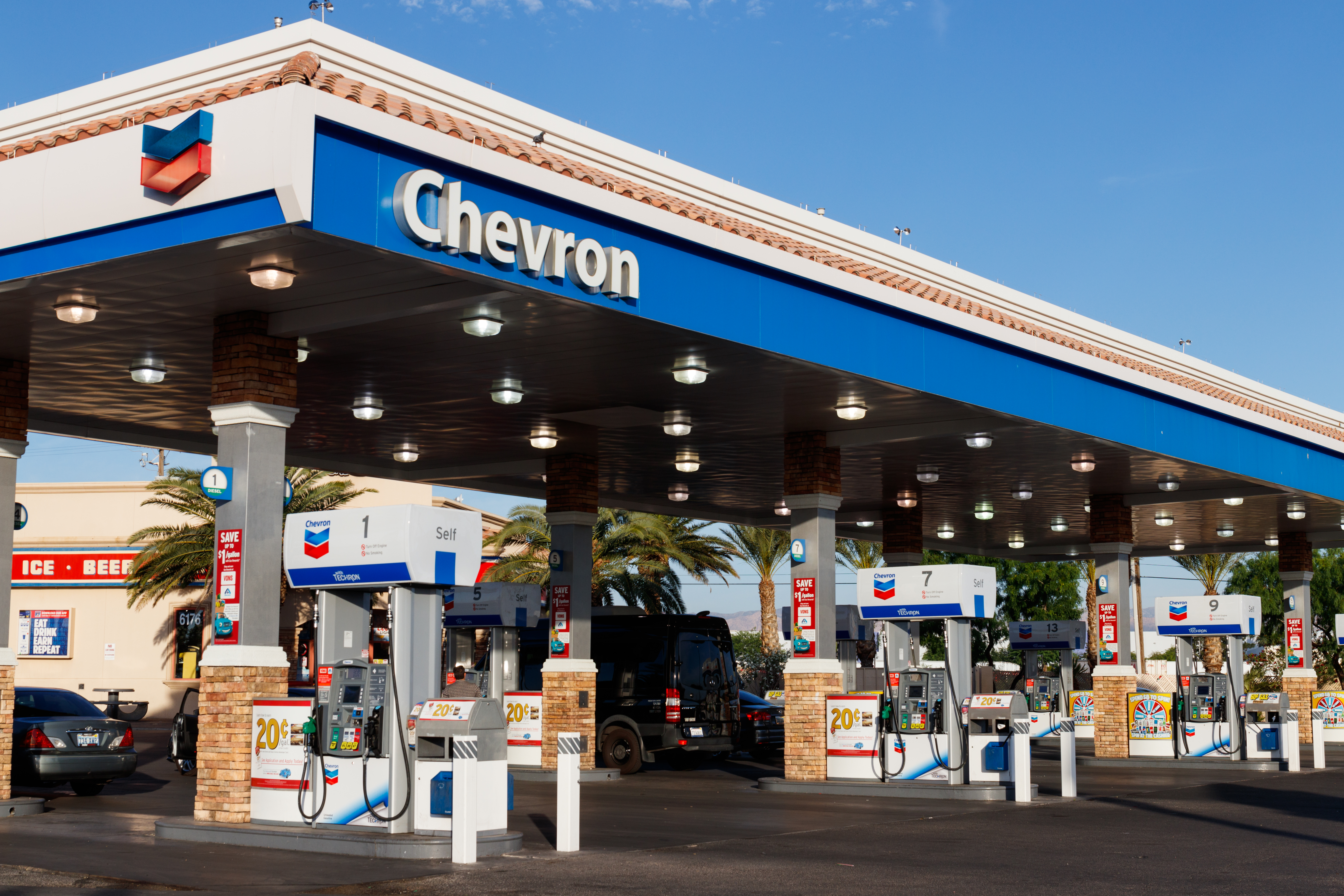
Chevron Enters Technology Licensing Agreement with ZL Chemicals
- Technology Licensing Agreement: Chevron has entered into a licensing agreement with ZL Chemicals, allowing ZL to commercialize Chevron's developed chemical surfactant technology, thereby broadening the commercial application of this technology.
- Resource Recovery Improvement: The surfactant technology developed by Chevron can enhance production from newly drilled wells by up to 20% in the first year and reduce production decline in existing wells by 5%-8%, significantly improving resource recovery efficiency.
- Market Application Prospects: Under the agreement, ZL will market products and services under the Vantis brand utilizing the licensed technology, supporting applications in shale and tight reservoirs, including base well enhanced oil recovery programs and new well optimization efforts to meet urgent market energy demands.
- Industry Response: Ryder Booth, Chevron's Chief Technology and Engineering Officer, stated that with current global energy constraints, oil and gas companies need to boost market supply, and this collaboration provides an effective solution for increasing production, highlighting Chevron's leadership in the industry.
See More

U.S. Stocks Decline as Oil Prices Surge
- Market Decline: The S&P 500 index fell by 0.49%, the Dow Jones Industrial Average dropped by 0.96%, and the Nasdaq 100 index decreased by 0.19%, reflecting investor concerns over escalating tensions in the Middle East, prompting a flight to safety.
- Oil Price Surge: WTI crude oil prices surged over 4% to a two-week high following U.S. military strikes against Iran, raising fears of potential disruptions in energy supplies and further boosting inflation expectations.
- Mortgage Applications Drop: U.S. MBA mortgage applications fell by 2.2% in the week ending July 3, with the purchase mortgage sub-index down 0.6% and refinancing down 4.1%, indicating the negative impact of high interest rates on housing demand.
- Optimistic Earnings Outlook: Bloomberg Intelligence forecasts a 23% increase in corporate earnings for Q2, close to the 30% growth seen in Q1, indicating that AI infrastructure stocks will drive S&P 500 earnings-per-share growth, reflecting market confidence in tech stocks.
See More
Oil Prices Surge Amid Tech Stock Volatility
- Oil Price Surge: Brent crude futures surpassed $80 on Wednesday, primarily driven by U.S. military actions against Iran, with the energy sector being the top performer of the day, up 1.45%, indicating strong market reactions to energy demand.
- Tech Stock Volatility: Nvidia's stock is down 14% from its May high, while AMD, Applied Materials, and Micron Technology have seen declines of 11.5%, 22%, and 24% respectively, reflecting investor caution towards tech stocks that may influence future investment decisions.
- PepsiCo Earnings Preview: PepsiCo is set to report earnings on Thursday, with its stock down about 8% over the past three months and 17% from its 52-week high, which could affect market perceptions of its future growth potential.
- Blue Origin Funding: Jeff Bezos' Blue Origin secured a $4 billion investment from Coatue Management as part of a new $10 billion fundraising round, expected to value the company at $130 billion, showcasing the investment enthusiasm and growth potential in the space industry.
See More
Energy Stocks Rise Late Wednesday Afternoon
- Energy Sector Recovery: Late Wednesday afternoon, the NYSE Energy Sector Index saw an uptick, indicating a gradual restoration of market confidence in energy stocks, likely driven by a rebound in oil prices.
- Improved Market Sentiment: The rising interest in energy stocks reflects optimistic expectations regarding economic recovery, particularly against the backdrop of increasing global energy demand.
- Industry Dynamics at Play: The increase in energy stocks may be linked to recent fluctuations in crude oil and natural gas prices, as investors reassess the long-term value of these assets.
- Investor Focus: As energy stocks rise, market participants will closely monitor upcoming economic data to evaluate its potential impact on the energy sector.
See More
Broadcom and Apple Expand Partnership Deal Exceeding $30 Billion
- Partnership Expansion: Broadcom's multiyear partnership with Apple will exceed $30 billion, leading to the production of 15 billion U.S.-made chips, significantly enhancing Broadcom's position in the semiconductor market and driving future growth.
- Facility Expansion Plans: The deal includes an expansion of Broadcom's facility in Fort Collins, Colorado, aimed at increasing production capacity to meet Apple's growing demand, thereby further solidifying their strategic partnership.
- Positive Market Reaction: Broadcom's shares rose 6%, reflecting investor optimism regarding the partnership, while Apple's stock also saw a modest increase of 1%, indicating market confidence in its future performance.
- Vaccine Market Impact: Morgan Stanley reiterated its equal-weight rating on Moderna and raised its price target to $39, despite a 7% drop in the stock, as analysts believe vaccines and individualized neoantigen therapy will be key valuation drivers for the company.
See More
US Stocks Decline as Oil Prices Surge
- Market Decline: The S&P 500 index fell by 0.79%, the Dow Jones Industrial Average dropped by 1.44%, and the Nasdaq 100 index decreased by 0.61%, reflecting heightened investor caution following President Trump's declaration that the ceasefire with Iran is over, prompting a flight to safety.
- Surge in Oil Prices: WTI crude oil prices surged over 7% to a two-week high as the US launched strikes against Iran, raising concerns about potential disruptions to energy supplies and pushing inflation expectations higher, which in turn lifted the 10-year Treasury note yield to a 1.5-month high of 4.59%.
- Mortgage Applications Decline: US MBA mortgage applications fell by 2.2% in the week ending July 3, with the purchase mortgage sub-index down 0.6% and the refinancing sub-index down 4.1%, indicating that high interest rates are negatively impacting housing demand and could further suppress the recovery in the real estate market.
- Optimistic Earnings Outlook: Bloomberg Intelligence forecasts a 23% increase in corporate earnings for Q2, close to the 30% growth seen in Q1, indicating that AI infrastructure stocks are expected to contribute nearly 60% of the S&P 500's earnings-per-share growth, suggesting a positive long-term outlook despite short-term market volatility.
See More
Chevron Enters Technology Licensing Agreement with ZL Chemicals
- Technology Licensing Agreement: Chevron has entered into a licensing agreement with ZL Chemicals, allowing ZL to commercialize Chevron's developed chemical surfactant technology, thereby broadening the commercial application of this technology.
- Resource Recovery Improvement: The surfactant technology developed by Chevron can enhance production from newly drilled wells by up to 20% in the first year and reduce production decline in existing wells by 5%-8%, significantly improving resource recovery efficiency.
- Market Application Prospects: Under the agreement, ZL will market products and services under the Vantis brand utilizing the licensed technology, supporting applications in shale and tight reservoirs, including base well enhanced oil recovery programs and new well optimization efforts to meet urgent market energy demands.
- Industry Response: Ryder Booth, Chevron's Chief Technology and Engineering Officer, stated that with current global energy constraints, oil and gas companies need to boost market supply, and this collaboration provides an effective solution for increasing production, highlighting Chevron's leadership in the industry.
See More
U.S. Stocks Decline as Oil Prices Surge
- Market Decline: The S&P 500 index fell by 0.49%, the Dow Jones Industrial Average dropped by 0.96%, and the Nasdaq 100 index decreased by 0.19%, reflecting investor concerns over escalating tensions in the Middle East, prompting a flight to safety.
- Oil Price Surge: WTI crude oil prices surged over 4% to a two-week high following U.S. military strikes against Iran, raising fears of potential disruptions in energy supplies and further boosting inflation expectations.
- Mortgage Applications Drop: U.S. MBA mortgage applications fell by 2.2% in the week ending July 3, with the purchase mortgage sub-index down 0.6% and refinancing down 4.1%, indicating the negative impact of high interest rates on housing demand.
- Optimistic Earnings Outlook: Bloomberg Intelligence forecasts a 23% increase in corporate earnings for Q2, close to the 30% growth seen in Q1, indicating that AI infrastructure stocks will drive S&P 500 earnings-per-share growth, reflecting market confidence in tech stocks.
See More





