United Security Bancshares Trading Halted, News Pending
Written by Emily J. Thompson, Senior Investment Analyst
Updated: Dec 17 2025
0mins

United Security Bancshares trading halted, news pending
Trade with 70% Backtested Accuracy
Stop guessing "Should I Buy USB?" and start using high-conviction signals backed by rigorous historical data.
Sign up today to access powerful investing tools and make smarter, data-driven decisions.
Analyst Views on USB
Wall Street analysts forecast USB stock price to rise
20 Analyst Rating
12 Buy
7 Hold
1 Sell
Moderate Buy
Current: 52.230

Low
50.00
Averages
58.87
High
75.00
Current: 52.230
Low
50.00
Averages
58.87
High
75.00
About USB
U.S. Bancorp is a financial services holding company. Its segments are Wealth, Corporate, Commercial and Institutional Banking, Consumer and Business Banking, Payment Services, and Treasury and Corporate Support. It provides a full range of financial services, including lending and depository services, cash management, capital markets, and trust and investment management services. It also engages in credit card services, merchant and ATM processing, mortgage banking, insurance, brokerage and leasing. Its banking subsidiary, U.S. Bank National Association (USBNA), is engaged in the banking business, principally in domestic markets. USBNA provides a range of products and services to individuals, businesses, institutional organizations, governmental entities and other financial institutions. Its non-banking subsidiaries offer investment and insurance products to its customers principally within its domestic markets, and fund administration services to a range of mutual and other funds.
About the author

Emily J. Thompson
Emily J. Thompson, a Chartered Financial Analyst (CFA) with 12 years in investment research, graduated with honors from the Wharton School. Specializing in industrial and technology stocks, she provides in-depth analysis for Intellectia’s earnings and market brief reports.
US-China Trade War Escalates as Section 301 Investigations Add New Tensions


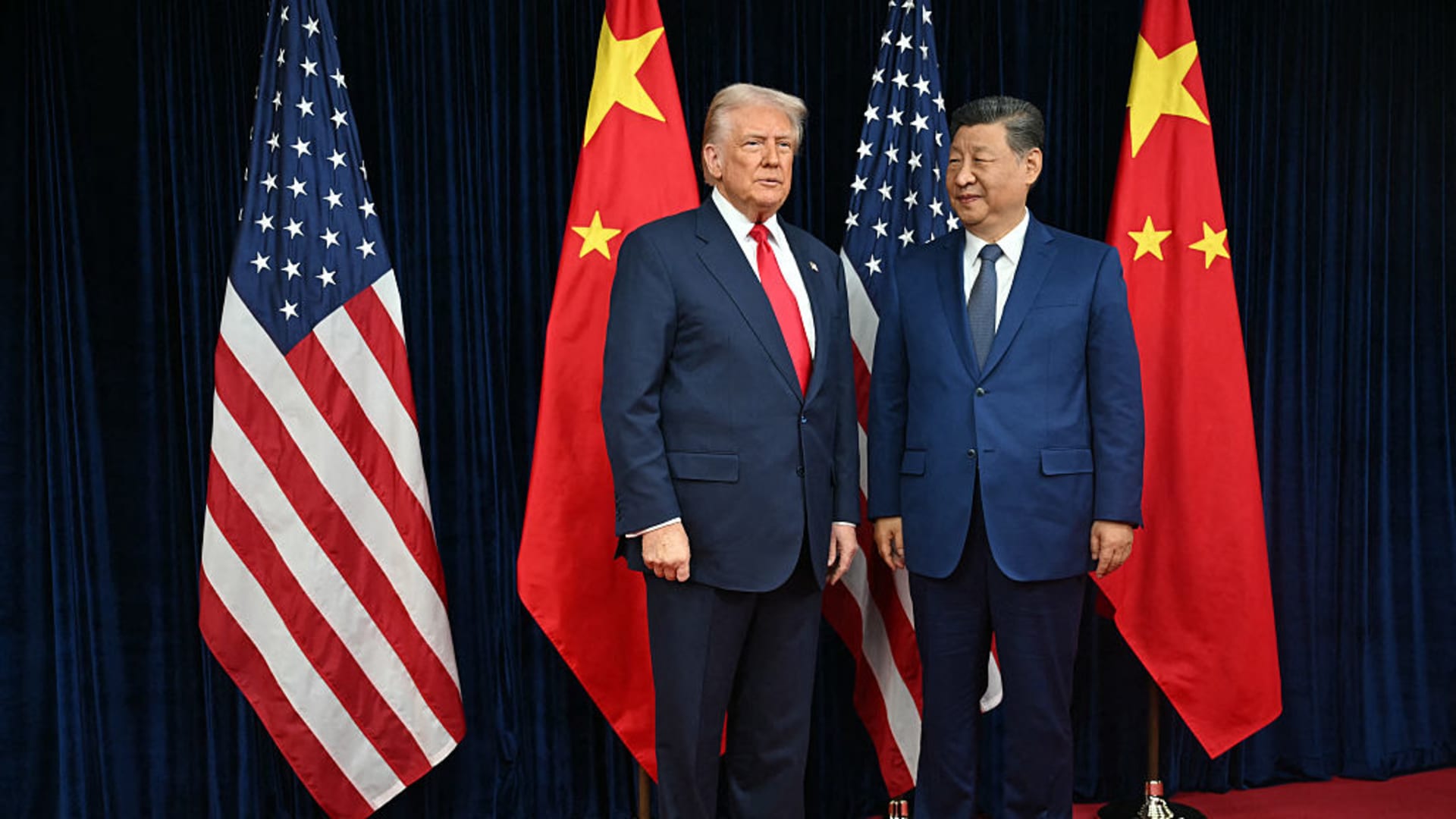
- Launch of Section 301 Investigations: The U.S. has initiated trade investigations against China under Section 301 of the Trade Act of 1974, aiming to identify unfair trade practices, particularly in manufacturing sectors, which adds new layers of tension to the already strained U.S.-China relationship.
- Surge in Exports and Trade Surplus: Despite criticism from global trading partners, China's exports surged by 21.8% in the first two months, boosting its trade surplus to a record high of $213.6 billion, indicating a continued reliance on external demand.
- Uncertain Summit Outlook: With the summit approaching, the widening gap between both sides' agendas, especially regarding potential investigations into forced labor practices, adds uncertainty to negotiations and may hinder future trade agreements.
- Challenges in Maintaining Stability: While Chinese Foreign Minister Wang Yi calls for a suitable environment for the summit, the U.S. is likely to push for long-term commitments on agricultural purchases, and expectations for substantial breakthroughs have significantly diminished, suggesting limited outcomes from the upcoming meeting.
See More

US-China Trade Investigations Heighten Tensions Ahead of Summit


- Trade Investigations Launched: The U.S. has initiated Section 301 trade investigations targeting China to identify unfair trade practices, particularly structural excess capacity in manufacturing, which is likely to escalate trade tensions and impact future negotiation environments.
- Strong Export Growth: Despite criticism from global trading partners regarding China's over-reliance on external demand, Chinese exports surged 21.8% year-on-year in the first two months, boosting the trade surplus to a record $213.6 billion, indicating robust export machinery that may alleviate economic pressures in the short term.
- Dismal Summit Outlook: The upcoming U.S.-China summit is expected to yield limited breakthroughs, with widening gaps in agendas, particularly as investigations into forced labor may aggravate China's sentiments and affect future willingness to engage in deal-making.
- Geopolitical Complexity: U.S. military actions against Iran pose risks to China's energy supplies; while China is insulated by strategic oil and gas reserves, prolonged supply chain disruptions could negatively impact its economy, further complicating the bilateral talks ahead.
See More

South Korea's Parliament Passes Investment Bill


- Investment Corporation Established: South Korea's parliament passed a special bill to create a state-run investment corporation to manage a planned $350 billion investment into the U.S., ensuring full government financing to support this strategic initiative.
- Investment Details Revealed: The investment plan includes $150 billion for shipbuilding and $200 billion for strategic projects, with an annual cap of $20 billion, aimed at enhancing economic cooperation with the U.S.
- Trade Agreement Context: This move is to fulfill commitments made to the U.S. in exchange for more favorable 'reciprocal' tariff rates, despite Trump's threats to raise tariffs to 25%, indicating South Korea's commitment to maintaining export conditions.
- Legal Framework Strengthened: The passage of this bill provides South Korea with the legal foundation needed to implement its investment commitments, and despite pressures from the U.S. Section 301 investigations, overall export conditions are expected to remain stable.
See More

India Reassesses Trade Corridors Amid U.S.-Israel War

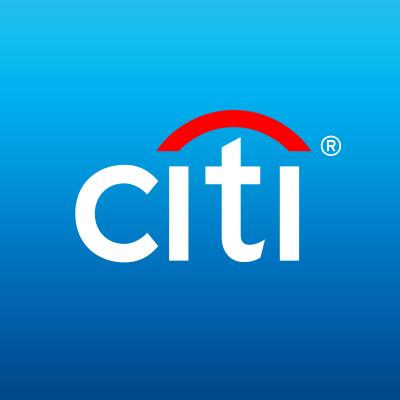
- Trade Corridor Reevaluation: In light of the U.S.-Israel war, India is reassessing its strategic trade corridors with Iran, particularly the International North-South Transport Corridor and the India-Middle East-Europe Economic Corridor, with the latter seen as having greater potential to support India's export ambitions.
- Support for IMEC: The IMEC corridor is backed by powerful allies, with former President Trump calling it 'one of the greatest trade routes in history' and Israeli Prime Minister Netanyahu describing it as 'the largest cooperation project in our history', highlighting its strategic significance.
- Cost and Time Advantages: IMEC is expected to reduce logistical costs by up to 30% and transportation time by 40% compared to traditional routes like the Suez Canal, which is particularly crucial given the current disruptions caused by the Middle East conflict.
- Challenges of Regional Stability: Despite the clear advantages of IMEC, experts warn that its success hinges on regional stability, which is currently in short supply, potentially impacting its future trajectory.
See More
U.S. Bancorp Stock Analysis and Outlook
- Weak Net Interest Income: U.S. Bancorp's net interest income has grown at an annualized rate of 5.4% over the past five years, significantly underperforming the broader banking industry, indicating soft demand that could impact future profitability.
- Low Net Interest Margin: The bank's net interest margin averaged only 2.7% over the past two years, well below other banks, suggesting weak loan profitability that may limit its competitive position in the market.
- Tangible Book Value Growth: Although U.S. Bancorp's tangible book value per share increased by just 3.1% over the last five years, it has accelerated to a remarkable 15% growth over the past two years, rising from $21.37 to $28.29 per share, reflecting a strengthening asset base.
- Valuation Assessment: Currently, U.S. Bancorp trades at a forward P/B ratio of 1.3, which is a fair valuation; however, compared to potential downside risks, investors may find more attractive investment opportunities elsewhere.
See More

Microsoft, Target, Oracle Declare Dividends

- Microsoft Dividend: Microsoft's board declared a quarterly dividend of $0.91 per share, payable on June 11, 2026, to shareholders of record by May 21, 2026, indicating the company's strong cash flow and commitment to shareholder returns.
- Target's Consecutive Dividend: Target announced a quarterly dividend of $1.14 per share, payable on June 1, 2026, marking the 235th consecutive dividend since 1967, showcasing the company's stable profitability and dedication to its shareholders.
- Agree Realty Dividend Increase: Agree Realty declared a monthly cash dividend of $0.262 per share, with an annualized amount of $3.144, reflecting a 3.6% increase from the previous quarter's $3.036, demonstrating the company's growth in earnings and commitment to investors.
- Oracle Dividend Announcement: Oracle's board declared a quarterly cash dividend of $0.50 per share, with a payment date of April 24, 2026, and a record date of April 9, 2026, reflecting the company's stable financial health and ongoing value creation for shareholders.
See More
US-China Trade War Escalates as Section 301 Investigations Add New Tensions
- Launch of Section 301 Investigations: The U.S. has initiated trade investigations against China under Section 301 of the Trade Act of 1974, aiming to identify unfair trade practices, particularly in manufacturing sectors, which adds new layers of tension to the already strained U.S.-China relationship.
- Surge in Exports and Trade Surplus: Despite criticism from global trading partners, China's exports surged by 21.8% in the first two months, boosting its trade surplus to a record high of $213.6 billion, indicating a continued reliance on external demand.
- Uncertain Summit Outlook: With the summit approaching, the widening gap between both sides' agendas, especially regarding potential investigations into forced labor practices, adds uncertainty to negotiations and may hinder future trade agreements.
- Challenges in Maintaining Stability: While Chinese Foreign Minister Wang Yi calls for a suitable environment for the summit, the U.S. is likely to push for long-term commitments on agricultural purchases, and expectations for substantial breakthroughs have significantly diminished, suggesting limited outcomes from the upcoming meeting.
See More
US-China Trade Investigations Heighten Tensions Ahead of Summit
- Trade Investigations Launched: The U.S. has initiated Section 301 trade investigations targeting China to identify unfair trade practices, particularly structural excess capacity in manufacturing, which is likely to escalate trade tensions and impact future negotiation environments.
- Strong Export Growth: Despite criticism from global trading partners regarding China's over-reliance on external demand, Chinese exports surged 21.8% year-on-year in the first two months, boosting the trade surplus to a record $213.6 billion, indicating robust export machinery that may alleviate economic pressures in the short term.
- Dismal Summit Outlook: The upcoming U.S.-China summit is expected to yield limited breakthroughs, with widening gaps in agendas, particularly as investigations into forced labor may aggravate China's sentiments and affect future willingness to engage in deal-making.
- Geopolitical Complexity: U.S. military actions against Iran pose risks to China's energy supplies; while China is insulated by strategic oil and gas reserves, prolonged supply chain disruptions could negatively impact its economy, further complicating the bilateral talks ahead.
See More
South Korea's Parliament Passes Investment Bill
- Investment Corporation Established: South Korea's parliament passed a special bill to create a state-run investment corporation to manage a planned $350 billion investment into the U.S., ensuring full government financing to support this strategic initiative.
- Investment Details Revealed: The investment plan includes $150 billion for shipbuilding and $200 billion for strategic projects, with an annual cap of $20 billion, aimed at enhancing economic cooperation with the U.S.
- Trade Agreement Context: This move is to fulfill commitments made to the U.S. in exchange for more favorable 'reciprocal' tariff rates, despite Trump's threats to raise tariffs to 25%, indicating South Korea's commitment to maintaining export conditions.
- Legal Framework Strengthened: The passage of this bill provides South Korea with the legal foundation needed to implement its investment commitments, and despite pressures from the U.S. Section 301 investigations, overall export conditions are expected to remain stable.
See More
India Reassesses Trade Corridors Amid U.S.-Israel War
- Trade Corridor Reevaluation: In light of the U.S.-Israel war, India is reassessing its strategic trade corridors with Iran, particularly the International North-South Transport Corridor and the India-Middle East-Europe Economic Corridor, with the latter seen as having greater potential to support India's export ambitions.
- Support for IMEC: The IMEC corridor is backed by powerful allies, with former President Trump calling it 'one of the greatest trade routes in history' and Israeli Prime Minister Netanyahu describing it as 'the largest cooperation project in our history', highlighting its strategic significance.
- Cost and Time Advantages: IMEC is expected to reduce logistical costs by up to 30% and transportation time by 40% compared to traditional routes like the Suez Canal, which is particularly crucial given the current disruptions caused by the Middle East conflict.
- Challenges of Regional Stability: Despite the clear advantages of IMEC, experts warn that its success hinges on regional stability, which is currently in short supply, potentially impacting its future trajectory.
See More
U.S. Bancorp Stock Analysis and Outlook
- Weak Net Interest Income: U.S. Bancorp's net interest income has grown at an annualized rate of 5.4% over the past five years, significantly underperforming the broader banking industry, indicating soft demand that could impact future profitability.
- Low Net Interest Margin: The bank's net interest margin averaged only 2.7% over the past two years, well below other banks, suggesting weak loan profitability that may limit its competitive position in the market.
- Tangible Book Value Growth: Although U.S. Bancorp's tangible book value per share increased by just 3.1% over the last five years, it has accelerated to a remarkable 15% growth over the past two years, rising from $21.37 to $28.29 per share, reflecting a strengthening asset base.
- Valuation Assessment: Currently, U.S. Bancorp trades at a forward P/B ratio of 1.3, which is a fair valuation; however, compared to potential downside risks, investors may find more attractive investment opportunities elsewhere.
See More
Microsoft, Target, Oracle Declare Dividends
- Microsoft Dividend: Microsoft's board declared a quarterly dividend of $0.91 per share, payable on June 11, 2026, to shareholders of record by May 21, 2026, indicating the company's strong cash flow and commitment to shareholder returns.
- Target's Consecutive Dividend: Target announced a quarterly dividend of $1.14 per share, payable on June 1, 2026, marking the 235th consecutive dividend since 1967, showcasing the company's stable profitability and dedication to its shareholders.
- Agree Realty Dividend Increase: Agree Realty declared a monthly cash dividend of $0.262 per share, with an annualized amount of $3.144, reflecting a 3.6% increase from the previous quarter's $3.036, demonstrating the company's growth in earnings and commitment to investors.
- Oracle Dividend Announcement: Oracle's board declared a quarterly cash dividend of $0.50 per share, with a payment date of April 24, 2026, and a record date of April 9, 2026, reflecting the company's stable financial health and ongoing value creation for shareholders.
See More