UK Economy Shows Signs of Stabilization in Early 2026

- Weak Economic Growth: The UK GDP expanded by only 0.1% in Q4 2025, indicating the fragility of the recovery after nearly two years of stagnation, which raises uncertainty for investors regarding the sustainability of growth.
- Inflation and Interest Rate Dynamics: Inflation has eased to 3.0%, down from 3.4% the previous month, allowing the Bank of England to cut interest rates by approximately 1.5 percentage points since mid-2024, although the benchmark rate remains at 3.75%, providing some relief for households and policymakers.
- Unemployment and Public Debt Pressure: The unemployment rate has risen to 5.2%, an increase of about 331,000 year-over-year, while public debt stands at 92.9% of GDP, limiting the government's fiscal flexibility and indicating ongoing economic strain.
- Sector Investment Outlook: By 2026, investment in strategic sectors such as clean energy, infrastructure, and advanced manufacturing is expected to significantly increase, with annual investment in clean energy projected to exceed £40 billion, highlighting these areas as key drivers for future economic recovery.
Trade with 70% Backtested Accuracy
Analyst Views on BP

About BP
About the author

European Stocks Decline Amid Renewed U.S.-Iran Tensions
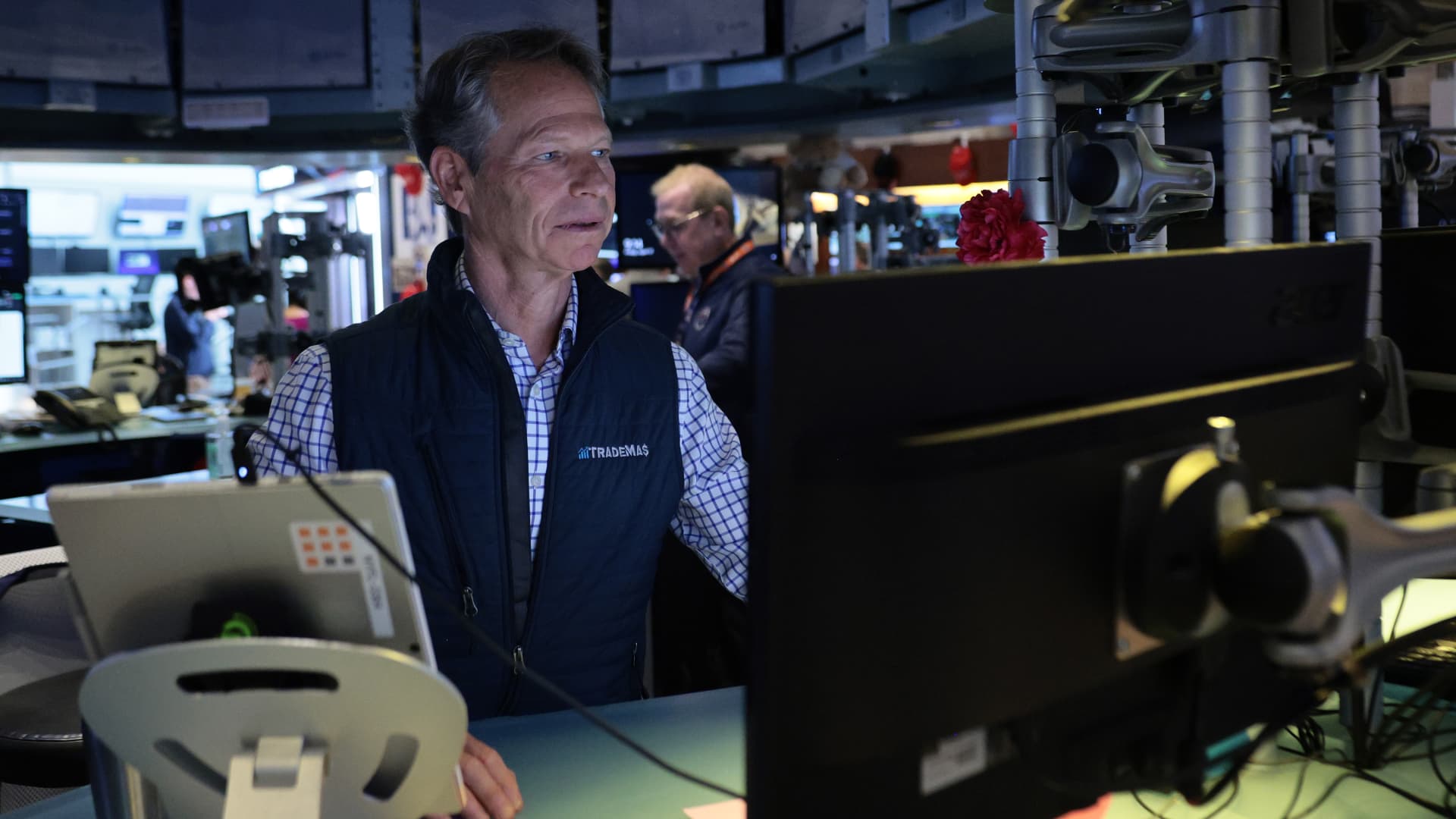
- Market Reaction: European stocks, represented by the pan-European Stoxx 600 index, fell over 1.1% by 9:30 a.m. London time due to renewed tensions between the U.S. and Iran, indicating heightened market sensitivity to geopolitical risks.
- Airline Stocks Plummet: The travel and leisure sector dropped 2.6%, with German airline Lufthansa down more than 4.2%, while London-listed EasyJet and TUI fell 3.4% and 3.5%, respectively, reflecting investor concerns about the airline industry's outlook amid escalating tensions.
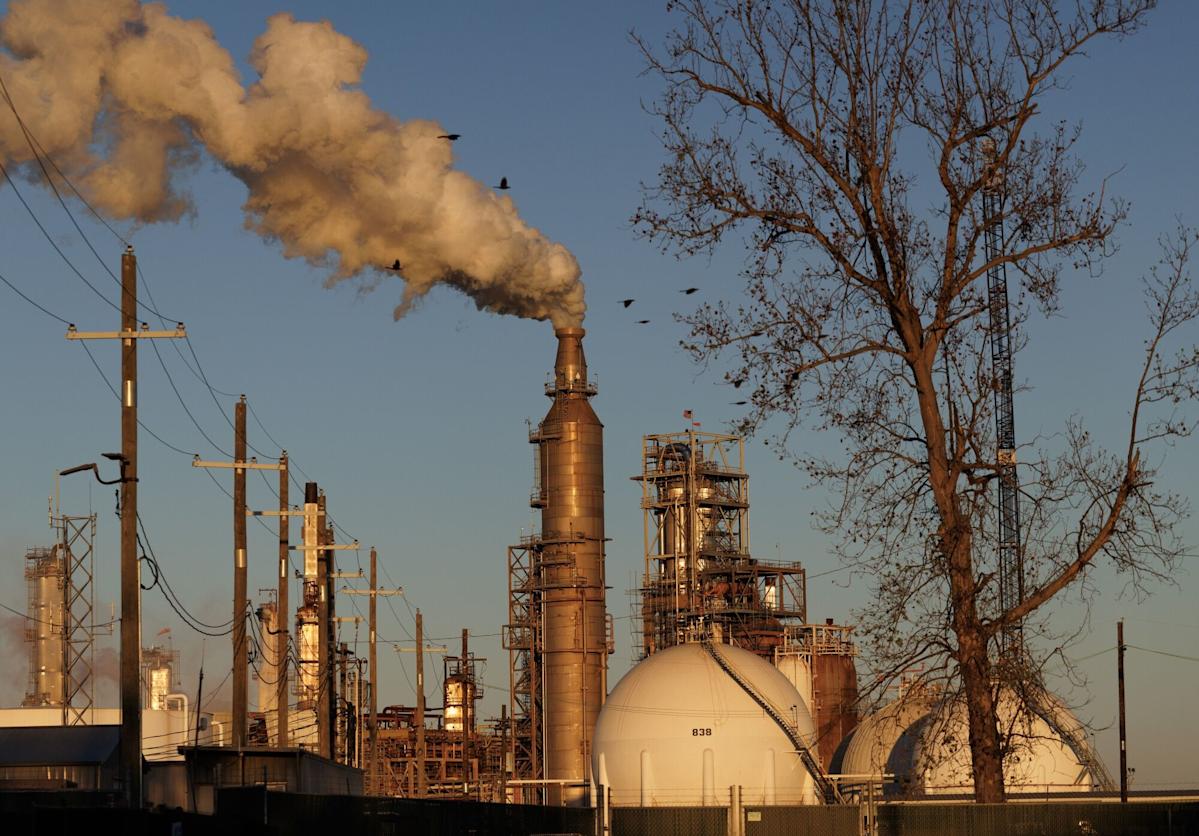
- Energy Stocks Rise: In contrast, energy stocks advanced nearly 1.8%, led by Norwegian companies Equinor and Vår Energi, which surged 4.5% and 4.3%, respectively, indicating market optimism in the oil and gas sector amidst rising oil prices.
- Oil Price Fluctuations: Brent crude prices rose 6.1% to $95.86 per barrel, while U.S. West Texas Intermediate futures climbed 7.1% to $89.83, reflecting the market's keen attention to Middle Eastern developments and their impact on global oil prices.

Escalating Geopolitical Tensions in the Middle East

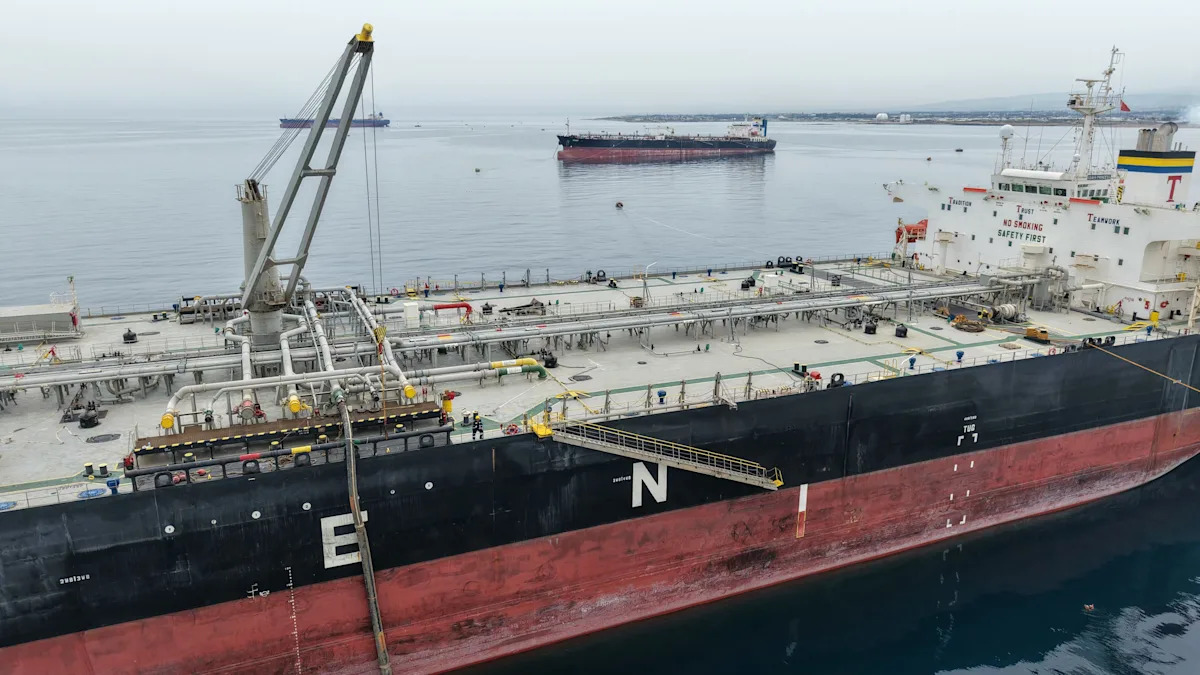
- Strait of Hormuz Closure: The IRGC's abrupt reversal of the Strait's reopening, just hours after Foreign Minister Abbas Araghchi's announcement, highlights significant internal rifts between Iran's government and military, posing major risks to energy transport.
- Escalation of Military Actions: IRGC gunboats reportedly fired on commercial vessels near the Omani coast, issuing radio warnings that effectively shut down unauthorized traffic, further escalating regional tensions and impacting global energy market stability.
- Intensifying Power Struggle: Following Supreme Leader Khamenei's death, Iran's internal power struggles have intensified, with the absence of centralized authority emboldening hard-liners to operate more autonomously under the

Iran: No Agreement Reached for Next Round of Talks with the United States


Iran's Stance on Talks: Iran has not agreed to hold the next round of talks with the United States, as reported by Tasnim News Agency.
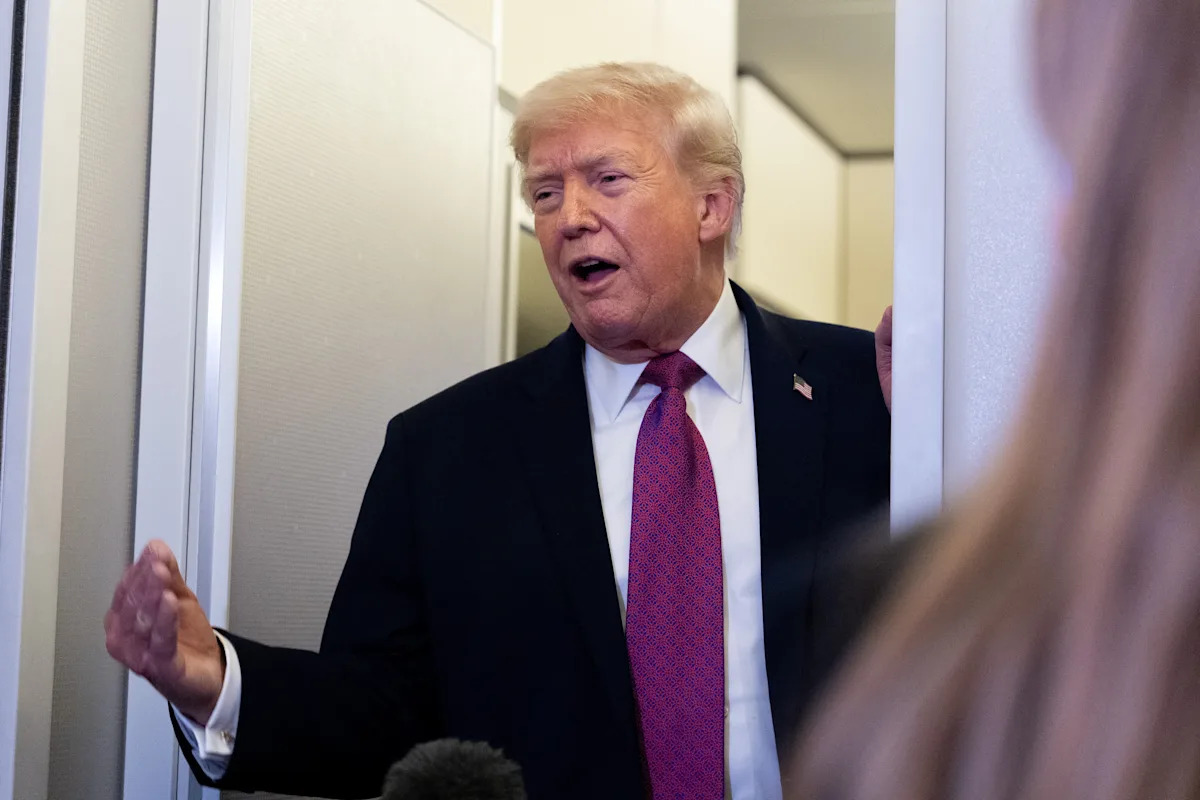
Trump's Expectations: Former U.S. President Trump mentioned that U.S.-Iran negotiation representatives may meet this weekend, anticipating a final agreement to end the war.
Timeline for Agreement: Trump expressed confidence that an agreement could be reached within one or two days.
Context of Negotiations: The discussions are part of ongoing efforts to resolve tensions between the U.S. and Iran.
Chevron's Oil Production Growth Accelerates Significantly
- Surge in Free Cash Flow: Chevron is projected to generate an additional $12.5 billion in free cash flow this year at $70 oil, with current prices exceeding $90, indicating robust profitability in a high oil price environment.
- Gulf of Mexico Expansion: The company expects to produce 300,000 barrels of oil equivalent per day from the Gulf of Mexico, bolstered by new fields like Anchor, Ballymore, Stampede, and Whale, which will significantly support cash flow growth.
- Venezuela Asset Swap: Through an asset swap with PDVSA, Chevron increases its stake in the Petroindependencia joint venture to 49% and gains development rights for the Ayacucho 8 block, aiming to boost oil production in Venezuela by 50% over the next two years, thereby strengthening its market position in the region.
- Long-Term Growth Outlook: Chevron anticipates a 10% compound annual growth in free cash flow through 2030 at $70 oil, and with new discoveries and asset swaps, the company's long-term growth potential is substantial, making it an attractive investment despite a more than 20% rise in share price this year.

Chevron and Occidental Petroleum Discover New Oil Field
- New Oil Discovery: Occidental Petroleum discovered a new oil field at the Bandit prospect in the Gulf of Mexico, where Chevron holds a 37.1% stake; this discovery is expected to leverage existing infrastructure for faster production and lower costs, enhancing the company's growth potential.
- Asset Swap Deal: Chevron is conducting an asset swap with Venezuela's national oil company, PDVSA, acquiring an additional 13.21% interest in the Petroindependencia joint venture, raising its stake to 49%, and gaining rights to develop the Ayacucho 8 area, aiming to boost oil production by 50% within two years.
- Production Growth Outlook: Chevron's production capacity in the Gulf is projected to reach 300,000 barrels of oil equivalent per day, and with the new oil discovery, it will further drive free cash flow growth, expecting to generate $12.5 billion in free cash flow at $70 oil prices.
- Long-Term Growth Strategy: Chevron anticipates a 10% compound annual growth in free cash flow through 2030, and with the implementation of new discoveries and asset swaps, the company's competitiveness in the global market will significantly strengthen, leading to further stock price appreciation.
Israel and Lebanon Reach Historic Ceasefire Agreement

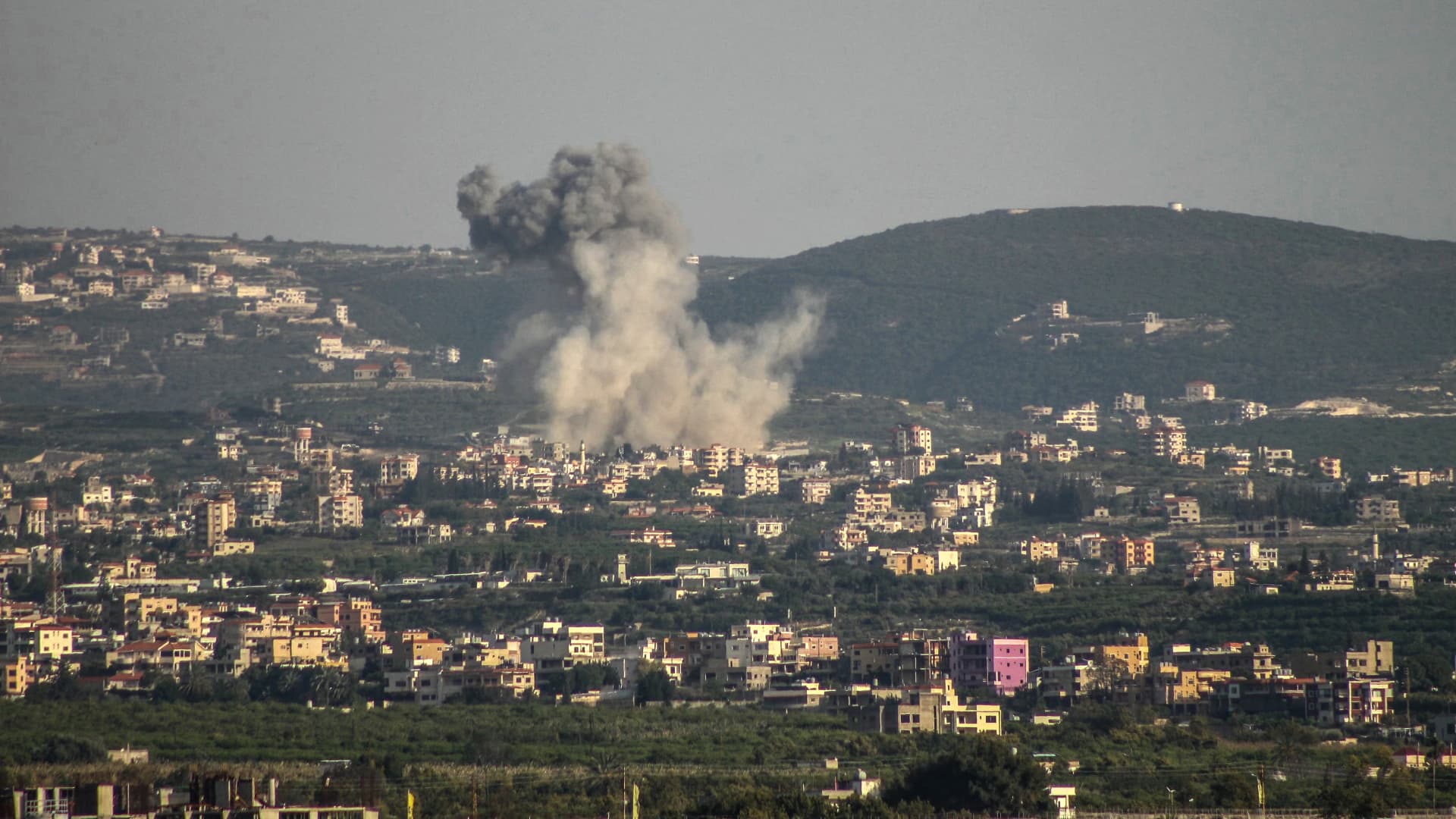
- Historic Ceasefire Agreement: Israel and Lebanon have reached a 10-day ceasefire agreement in Washington, marking the first meaningful talks between the two nations since 1983, potentially paving the way for a broader peace agreement in the Middle East.
- Positive Market Reaction: Israel's central bank governor noted that markets are responding positively to the latest peace developments, with major markets holding near record highs, reflecting investor optimism for stability in the region despite ongoing geopolitical uncertainties.
- U.S. Diplomatic Efforts: President Trump plans to invite Israeli Prime Minister Netanyahu and Lebanese President Aoun for talks, further advancing the improvement of relations between the two countries and highlighting the U.S.'s active role in the Middle East peace process.
- Impact of Iranian Situation: Trump mentioned that the war in Iran is progressing well and is expected to end soon, a statement that could influence regional security dynamics and market reactions, prompting investors to monitor future military and diplomatic developments.
European Stocks Decline Amid Renewed U.S.-Iran Tensions
- Market Reaction: European stocks, represented by the pan-European Stoxx 600 index, fell over 1.1% by 9:30 a.m. London time due to renewed tensions between the U.S. and Iran, indicating heightened market sensitivity to geopolitical risks.
- Airline Stocks Plummet: The travel and leisure sector dropped 2.6%, with German airline Lufthansa down more than 4.2%, while London-listed EasyJet and TUI fell 3.4% and 3.5%, respectively, reflecting investor concerns about the airline industry's outlook amid escalating tensions.
- Energy Stocks Rise: In contrast, energy stocks advanced nearly 1.8%, led by Norwegian companies Equinor and Vår Energi, which surged 4.5% and 4.3%, respectively, indicating market optimism in the oil and gas sector amidst rising oil prices.
- Oil Price Fluctuations: Brent crude prices rose 6.1% to $95.86 per barrel, while U.S. West Texas Intermediate futures climbed 7.1% to $89.83, reflecting the market's keen attention to Middle Eastern developments and their impact on global oil prices.
Escalating Geopolitical Tensions in the Middle East
- Strait of Hormuz Closure: The IRGC's abrupt reversal of the Strait's reopening, just hours after Foreign Minister Abbas Araghchi's announcement, highlights significant internal rifts between Iran's government and military, posing major risks to energy transport.
- Escalation of Military Actions: IRGC gunboats reportedly fired on commercial vessels near the Omani coast, issuing radio warnings that effectively shut down unauthorized traffic, further escalating regional tensions and impacting global energy market stability.
- Intensifying Power Struggle: Following Supreme Leader Khamenei's death, Iran's internal power struggles have intensified, with the absence of centralized authority emboldening hard-liners to operate more autonomously under the
Iran: No Agreement Reached for Next Round of Talks with the United States
Iran's Stance on Talks: Iran has not agreed to hold the next round of talks with the United States, as reported by Tasnim News Agency.
Trump's Expectations: Former U.S. President Trump mentioned that U.S.-Iran negotiation representatives may meet this weekend, anticipating a final agreement to end the war.
Timeline for Agreement: Trump expressed confidence that an agreement could be reached within one or two days.
Context of Negotiations: The discussions are part of ongoing efforts to resolve tensions between the U.S. and Iran.
Chevron's Oil Production Growth Accelerates Significantly
- Surge in Free Cash Flow: Chevron is projected to generate an additional $12.5 billion in free cash flow this year at $70 oil, with current prices exceeding $90, indicating robust profitability in a high oil price environment.
- Gulf of Mexico Expansion: The company expects to produce 300,000 barrels of oil equivalent per day from the Gulf of Mexico, bolstered by new fields like Anchor, Ballymore, Stampede, and Whale, which will significantly support cash flow growth.
- Venezuela Asset Swap: Through an asset swap with PDVSA, Chevron increases its stake in the Petroindependencia joint venture to 49% and gains development rights for the Ayacucho 8 block, aiming to boost oil production in Venezuela by 50% over the next two years, thereby strengthening its market position in the region.
- Long-Term Growth Outlook: Chevron anticipates a 10% compound annual growth in free cash flow through 2030 at $70 oil, and with new discoveries and asset swaps, the company's long-term growth potential is substantial, making it an attractive investment despite a more than 20% rise in share price this year.
Chevron and Occidental Petroleum Discover New Oil Field
- New Oil Discovery: Occidental Petroleum discovered a new oil field at the Bandit prospect in the Gulf of Mexico, where Chevron holds a 37.1% stake; this discovery is expected to leverage existing infrastructure for faster production and lower costs, enhancing the company's growth potential.
- Asset Swap Deal: Chevron is conducting an asset swap with Venezuela's national oil company, PDVSA, acquiring an additional 13.21% interest in the Petroindependencia joint venture, raising its stake to 49%, and gaining rights to develop the Ayacucho 8 area, aiming to boost oil production by 50% within two years.
- Production Growth Outlook: Chevron's production capacity in the Gulf is projected to reach 300,000 barrels of oil equivalent per day, and with the new oil discovery, it will further drive free cash flow growth, expecting to generate $12.5 billion in free cash flow at $70 oil prices.
- Long-Term Growth Strategy: Chevron anticipates a 10% compound annual growth in free cash flow through 2030, and with the implementation of new discoveries and asset swaps, the company's competitiveness in the global market will significantly strengthen, leading to further stock price appreciation.
Israel and Lebanon Reach Historic Ceasefire Agreement
- Historic Ceasefire Agreement: Israel and Lebanon have reached a 10-day ceasefire agreement in Washington, marking the first meaningful talks between the two nations since 1983, potentially paving the way for a broader peace agreement in the Middle East.
- Positive Market Reaction: Israel's central bank governor noted that markets are responding positively to the latest peace developments, with major markets holding near record highs, reflecting investor optimism for stability in the region despite ongoing geopolitical uncertainties.
- U.S. Diplomatic Efforts: President Trump plans to invite Israeli Prime Minister Netanyahu and Lebanese President Aoun for talks, further advancing the improvement of relations between the two countries and highlighting the U.S.'s active role in the Middle East peace process.
- Impact of Iranian Situation: Trump mentioned that the war in Iran is progressing well and is expected to end soon, a statement that could influence regional security dynamics and market reactions, prompting investors to monitor future military and diplomatic developments.