TSMC's Rise as a Key Player in AI
Written by Emily J. Thompson, Senior Investment Analyst
Updated: 1 hour ago
0mins
Should l Buy TSM?
Source: Fool
- Market Position Enhancement: TSMC's significance in the AI sector is increasingly recognized, as it manufactures high-end chips essential for AI software companies, thereby boosting shareholder profits despite not developing AI capabilities like Nvidia.
- Strong Financial Performance: Following its first-quarter earnings report, TSMC's stock surged by 5.33%, elevating its market cap to $1.9 trillion and making it the seventh most valuable company globally, reflecting its robust market performance and growth potential.
- Broad Market Opportunities: According to a U.N. Trade and Development forecast, the AI market is expected to expand to $4.8 trillion by 2033, with TSMC poised to benefit significantly from capital expenditure plans by giants like Amazon and Alphabet.
- Competitive Outlook Analysis: Although TSMC's P/E ratio is relatively lower, it is not significantly cheaper compared to Nvidia, which is expected to continue its high revenue growth in the coming years, making it unlikely for TSMC to surpass Nvidia by 2030.
Trade with 70% Backtested Accuracy
Stop guessing "Should I Buy TSM?" and start using high-conviction signals backed by rigorous historical data.
Sign up today to access powerful investing tools and make smarter, data-driven decisions.
Analyst Views on TSM
Wall Street analysts forecast TSM stock price to fall
8 Analyst Rating
7 Buy
1 Hold
0 Sell
Strong Buy
Current: 368.080

Low
63.24
Averages
313.46
High
390.00
Current: 368.080
Low
63.24
Averages
313.46
High
390.00
About TSM
Taiwan Semiconductor Manufacturing Co Ltd is a Taiwan-based integrated circuit foundry service provider. The Company is primarily engaged in integrated circuit manufacturing services. It offers advanced process technologies, specialised process solutions, advanced photomask and silicon stacking, and packaging-related technologies, while supporting a comprehensive design ecosystem. The Company's products serve diverse electronic sectors including artificial intelligence, high-performance computing, wired and wireless communications, automotive and industrial equipment, personal computing, information applications, consumer electronics, smart internet of things, and wearable devices.
About the author

Emily J. Thompson
Emily J. Thompson, a Chartered Financial Analyst (CFA) with 12 years in investment research, graduated with honors from the Wharton School. Specializing in industrial and technology stocks, she provides in-depth analysis for Intellectia’s earnings and market brief reports.
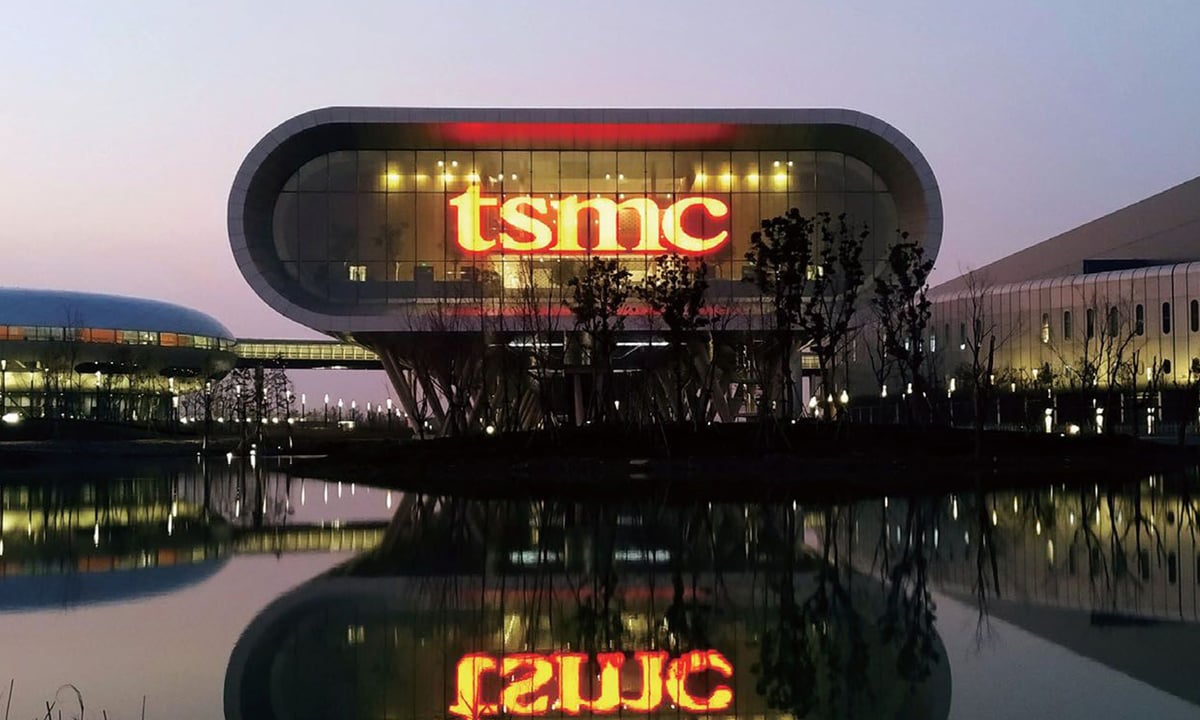
Taiwan Semiconductor Reports Strong Q1, Optimistic Market Outlook

- Strong Performance: Taiwan Semiconductor's Q1 revenue surged 40.6% year-over-year, exceeding expectations, with gross margin at 66.2% and operating margin at 58.1%, indicating robust performance in the AI chip market and solidifying its market leadership.
- High-Performance Computing Demand: Sales in the high-performance computing segment rose 20% quarter-over-quarter, accounting for 61% of total revenue, reflecting an 'insatiable demand' for energy-efficient computing, prompting the company to invest in capacity and technology to meet this demand.
- Future Outlook: Management anticipates a 32% year-over-year revenue increase in Q2, with improvements in gross and operating margins, showcasing a strong growth momentum that enhances investor confidence in the company's prospects.
- Global Expansion Plans: Taiwan Semiconductor is expanding its production capacity globally, including new facilities in Arizona, and while facing a potential 2%-3% gross margin dilution in the short term, management believes higher capital expenditures correlate with greater growth opportunities, leading to a positive market sentiment.
See More

TSMC Plans Advanced Chip Packaging Facility in Arizona by 2029
- Manufacturing Footprint Expansion: TSMC plans to open an advanced chip packaging facility in Arizona by 2029, aiming to broaden its U.S. manufacturing capabilities and reduce the need to ship chips back to Taiwan for packaging, thereby lowering supply chain costs.
- Technology Capability Development: Deputy COO Kevin Zhang confirmed that the facility will feature CoWoS and 3D-IC packaging capabilities, which are critical for high-performance and AI chips, particularly for customers like Nvidia and Apple.
- Construction Progress: TSMC has stated that construction has already begun, indicating that the company's expansion plans in Arizona are actively progressing, which is expected to significantly enhance its competitiveness in the U.S. market.
- Collaboration and Diversification: TSMC is collaborating with Amkor Technology to jointly introduce advanced packaging technologies in 2024, demonstrating the company's strategic intent to diversify its manufacturing footprint in response to evolving market demands.
See More
TSMC's Rise as a Key Player in AI

- Market Position Enhancement: TSMC's significance in the AI sector is increasingly recognized, as it manufactures high-end chips essential for AI software companies, thereby boosting shareholder profits despite not developing AI capabilities like Nvidia.
- Strong Financial Performance: Following its first-quarter earnings report, TSMC's stock surged by 5.33%, elevating its market cap to $1.9 trillion and making it the seventh most valuable company globally, reflecting its robust market performance and growth potential.
- Broad Market Opportunities: According to a U.N. Trade and Development forecast, the AI market is expected to expand to $4.8 trillion by 2033, with TSMC poised to benefit significantly from capital expenditure plans by giants like Amazon and Alphabet.
- Competitive Outlook Analysis: Although TSMC's P/E ratio is relatively lower, it is not significantly cheaper compared to Nvidia, which is expected to continue its high revenue growth in the coming years, making it unlikely for TSMC to surpass Nvidia by 2030.
See More

TSMC Reports 41% Revenue Growth in Q1
- Significant Revenue Growth: TSMC reported a 41% year-over-year revenue increase in Q1, reflecting strong demand in the AI sector and reinforcing its position as a key global chip manufacturer.
- Market Value Surge: Following the release of its Q1 results, TSMC's market capitalization rose to $1.9 trillion, making it the seventh most valuable company globally, although it still trails Nvidia, which is valued at $4.9 trillion.
- Expansive AI Market Outlook: According to a U.N. Trade and Development forecast, the AI market is expected to grow to $4.8 trillion by 2033, with TSMC poised to benefit significantly from the capital expenditures of giants like Amazon and Alphabet.
- Competitive Landscape Analysis: While TSMC's trailing P/E ratio is relatively low, it is not significantly cheaper than Nvidia, and Nvidia is projected to continue its faster revenue growth in the coming years, which may impact TSMC's market position.
See More

Nasdaq Hits New High Led by Tech Stocks


- Tech Stocks Surge: The Nasdaq reached a new high on Wednesday, primarily driven by strong performances in tech stocks, indicating robust market confidence in the technology sector that may attract more investor interest.
- Tesla Price Fluctuation: Despite the overall market rally, Tesla's stock fell late due to comments from Elon Musk, reflecting concerns about the company's future outlook that could impact investor confidence.
- Earnings Reports Impact: Earnings reports from Lam Research, CSX, Texas Instruments, and IBM significantly influenced the stock market, showcasing strong performances in their respective sectors, which may drive investment enthusiasm in those industries.
- Market Sentiment Recovery: The overall market sentiment improved due to the strong performance of tech stocks, potentially leading to increased capital inflows into the stock market, further driving economic recovery and corporate investments.
See More

Taiwan Semiconductor's Hesitation Impacts ASML Stock

- Customer Hesitation: Taiwan Semiconductor's co-COO Kevin Zhang indicated that the company would not consider deploying ASML's high-numerical-aperture extreme ultraviolet lithography machines until 2029, leading to a more than 1% drop in ASML's stock during the trading session.
- High Equipment Costs: The high-numerical-aperture equipment from ASML costs at least $410 million, and Taiwan Semi's satisfaction with its existing low-NA equipment suggests a conservative approach to technology upgrades, potentially impacting ASML's future sales.
- Initial Market Reaction: ASML's stock fell as much as 5.5% following the announcement but recovered somewhat, indicating that investors view this as a temporary setback rather than a significant blow to the company's business, reflecting confidence in ASML's long-term prospects.
- Key to AI Hardware Development: Although Taiwan Semi is not adopting high-NA equipment immediately, ASML remains critical in the development of artificial intelligence hardware, with potential customers like Intel already utilizing ASML machines, indicating ongoing market demand.
See More
Taiwan Semiconductor Reports Strong Q1, Optimistic Market Outlook
- Strong Performance: Taiwan Semiconductor's Q1 revenue surged 40.6% year-over-year, exceeding expectations, with gross margin at 66.2% and operating margin at 58.1%, indicating robust performance in the AI chip market and solidifying its market leadership.
- High-Performance Computing Demand: Sales in the high-performance computing segment rose 20% quarter-over-quarter, accounting for 61% of total revenue, reflecting an 'insatiable demand' for energy-efficient computing, prompting the company to invest in capacity and technology to meet this demand.
- Future Outlook: Management anticipates a 32% year-over-year revenue increase in Q2, with improvements in gross and operating margins, showcasing a strong growth momentum that enhances investor confidence in the company's prospects.
- Global Expansion Plans: Taiwan Semiconductor is expanding its production capacity globally, including new facilities in Arizona, and while facing a potential 2%-3% gross margin dilution in the short term, management believes higher capital expenditures correlate with greater growth opportunities, leading to a positive market sentiment.
See More
TSMC Plans Advanced Chip Packaging Facility in Arizona by 2029
- Manufacturing Footprint Expansion: TSMC plans to open an advanced chip packaging facility in Arizona by 2029, aiming to broaden its U.S. manufacturing capabilities and reduce the need to ship chips back to Taiwan for packaging, thereby lowering supply chain costs.
- Technology Capability Development: Deputy COO Kevin Zhang confirmed that the facility will feature CoWoS and 3D-IC packaging capabilities, which are critical for high-performance and AI chips, particularly for customers like Nvidia and Apple.
- Construction Progress: TSMC has stated that construction has already begun, indicating that the company's expansion plans in Arizona are actively progressing, which is expected to significantly enhance its competitiveness in the U.S. market.
- Collaboration and Diversification: TSMC is collaborating with Amkor Technology to jointly introduce advanced packaging technologies in 2024, demonstrating the company's strategic intent to diversify its manufacturing footprint in response to evolving market demands.
See More
TSMC's Rise as a Key Player in AI
- Market Position Enhancement: TSMC's significance in the AI sector is increasingly recognized, as it manufactures high-end chips essential for AI software companies, thereby boosting shareholder profits despite not developing AI capabilities like Nvidia.
- Strong Financial Performance: Following its first-quarter earnings report, TSMC's stock surged by 5.33%, elevating its market cap to $1.9 trillion and making it the seventh most valuable company globally, reflecting its robust market performance and growth potential.
- Broad Market Opportunities: According to a U.N. Trade and Development forecast, the AI market is expected to expand to $4.8 trillion by 2033, with TSMC poised to benefit significantly from capital expenditure plans by giants like Amazon and Alphabet.
- Competitive Outlook Analysis: Although TSMC's P/E ratio is relatively lower, it is not significantly cheaper compared to Nvidia, which is expected to continue its high revenue growth in the coming years, making it unlikely for TSMC to surpass Nvidia by 2030.
See More
TSMC Reports 41% Revenue Growth in Q1
- Significant Revenue Growth: TSMC reported a 41% year-over-year revenue increase in Q1, reflecting strong demand in the AI sector and reinforcing its position as a key global chip manufacturer.
- Market Value Surge: Following the release of its Q1 results, TSMC's market capitalization rose to $1.9 trillion, making it the seventh most valuable company globally, although it still trails Nvidia, which is valued at $4.9 trillion.
- Expansive AI Market Outlook: According to a U.N. Trade and Development forecast, the AI market is expected to grow to $4.8 trillion by 2033, with TSMC poised to benefit significantly from the capital expenditures of giants like Amazon and Alphabet.
- Competitive Landscape Analysis: While TSMC's trailing P/E ratio is relatively low, it is not significantly cheaper than Nvidia, and Nvidia is projected to continue its faster revenue growth in the coming years, which may impact TSMC's market position.
See More
Nasdaq Hits New High Led by Tech Stocks
- Tech Stocks Surge: The Nasdaq reached a new high on Wednesday, primarily driven by strong performances in tech stocks, indicating robust market confidence in the technology sector that may attract more investor interest.
- Tesla Price Fluctuation: Despite the overall market rally, Tesla's stock fell late due to comments from Elon Musk, reflecting concerns about the company's future outlook that could impact investor confidence.
- Earnings Reports Impact: Earnings reports from Lam Research, CSX, Texas Instruments, and IBM significantly influenced the stock market, showcasing strong performances in their respective sectors, which may drive investment enthusiasm in those industries.
- Market Sentiment Recovery: The overall market sentiment improved due to the strong performance of tech stocks, potentially leading to increased capital inflows into the stock market, further driving economic recovery and corporate investments.
See More
Taiwan Semiconductor's Hesitation Impacts ASML Stock
- Customer Hesitation: Taiwan Semiconductor's co-COO Kevin Zhang indicated that the company would not consider deploying ASML's high-numerical-aperture extreme ultraviolet lithography machines until 2029, leading to a more than 1% drop in ASML's stock during the trading session.
- High Equipment Costs: The high-numerical-aperture equipment from ASML costs at least $410 million, and Taiwan Semi's satisfaction with its existing low-NA equipment suggests a conservative approach to technology upgrades, potentially impacting ASML's future sales.
- Initial Market Reaction: ASML's stock fell as much as 5.5% following the announcement but recovered somewhat, indicating that investors view this as a temporary setback rather than a significant blow to the company's business, reflecting confidence in ASML's long-term prospects.
- Key to AI Hardware Development: Although Taiwan Semi is not adopting high-NA equipment immediately, ASML remains critical in the development of artificial intelligence hardware, with potential customers like Intel already utilizing ASML machines, indicating ongoing market demand.
See More