TSMC Q4 Net Profit Soars 35%, Igniting AI Demand Surge
Written by Emily J. Thompson, Senior Investment Analyst
Updated: Jan 17 2026
0mins


Source: Benzinga
- TSMC Earnings Surprise: Taiwan Semiconductor Manufacturing Co. Ltd. reported a 35% year-over-year increase in net profit for Q4, exceeding market expectations and indicating robust AI demand, which boosted related tech stocks and enhanced investor confidence.
- Small-Cap Outperformance: Despite pressure on large caps, the Russell 2000 index reached new highs last week, reflecting strong earnings prospects for small-cap stocks supported by positive economic data, attracting increased investor interest.
- Market Sentiment Fluctuations: While bank earnings from Goldman Sachs and Morgan Stanley were strong, overall market performance remained volatile due to macro policy uncertainties, indicating a cautious investor outlook on future economic trends.
- Venus Concept Stock Surge: Venus Concept's stock skyrocketed over 500% after Madryn Asset Management disclosed a 91% stake, despite recent revenue declines, as investors expressed optimism about the company's strategic direction and upcoming product innovations.
Trade with 70% Backtested Accuracy
Stop guessing "Should I Buy GS?" and start using high-conviction signals backed by rigorous historical data.
Sign up today to access powerful investing tools and make smarter, data-driven decisions.
Analyst Views on GS
Wall Street analysts forecast GS stock price to rise
12 Analyst Rating
5 Buy
7 Hold
0 Sell
Moderate Buy
Current: 941.740

Low
604.00
Averages
951.45
High
1100
Current: 941.740
Low
604.00
Averages
951.45
High
1100
About GS
The Goldman Sachs Group, Inc. is a global financial institution that delivers a range of financial services to a large and diversified client base that includes corporations, financial institutions, governments and individuals. Its segments include Global Banking & Markets, Asset & Wealth Management and Platform Solutions. The Global Banking & Markets segment offers a range of services, including financing, advisory services, risk distribution, and hedging for its institutional and corporate clients. It facilitates client transactions and makes markets in fixed income, equity, currency and commodity products. The Asset & Wealth Management segment manages assets and offers investment products across all asset classes to a diverse set of clients. It also provides investing and wealth advisory solutions. The Platform Solutions segment includes consumer platforms, such as partnerships offering credit cards and point-of-sale financing, and transaction banking and other platform businesses.
About the author

Emily J. Thompson
Emily J. Thompson, a Chartered Financial Analyst (CFA) with 12 years in investment research, graduated with honors from the Wharton School. Specializing in industrial and technology stocks, she provides in-depth analysis for Intellectia’s earnings and market brief reports.

Current CD Rates Exceed National Averages

- Rate Trends: Following three interest rate cuts by the Federal Reserve in 2025, current CD rates remain above the national average, with the highest rate at 4.05% offered by Marcus by Goldman Sachs, indicating strong demand for locking in high rates.
- Competitive Edge: Compared to the national average CD rate of 1.52%, today's rates are among the highest seen in nearly two decades, reflecting the Fed's strategy to combat inflation by maintaining elevated interest rates, thus attracting more deposits.
- Online Bank Advantage: Online banks typically offer more competitive CD rates due to lower overhead costs, making them the preferred choice for depositors seeking higher yields, which further intensifies market rate competition.
- Selection Strategy: When considering a CD, investors are advised to compare rates from various financial institutions, pay attention to minimum deposit requirements, and review account terms to ensure they secure the best rates and flexibility, especially with options like no-penalty CDs.
See More

Apple CEO Transition Sparks Market Fluctuations

- Market Fluctuations: The market started positively on Tuesday, but by 1:15 p.m. ET, major indexes were down at least 0.5%, indicating cautious investor sentiment despite the small magnitude of moves, reflecting uncertainty about future developments.
- Apple CEO Transition: Tim Cook announced he will hand over the CEO position to John Ternus in September, with Cook having quintupled Apple's market cap since 2011, and the market's nervous reaction underscores concerns about potential strategic shifts.
- Dow Jones Index Impact: The Dow Jones index is affected by high-priced stocks, with Goldman Sachs down 1.5%, dragging on the index, while UnitedHealth surged 8.5% after exceeding analyst expectations, highlighting sector disparities.
- Global Economic Pressures: The ongoing Iranian conflict continues to weigh on the global economy, with market anxiety over the expiring ceasefire, making oil price fluctuations a key indicator for future market sentiment, emphasizing the need for diversification and long-term planning amidst uncertainty.
See More
Goldman Sachs CEO Warns of Economic Downturn Risk
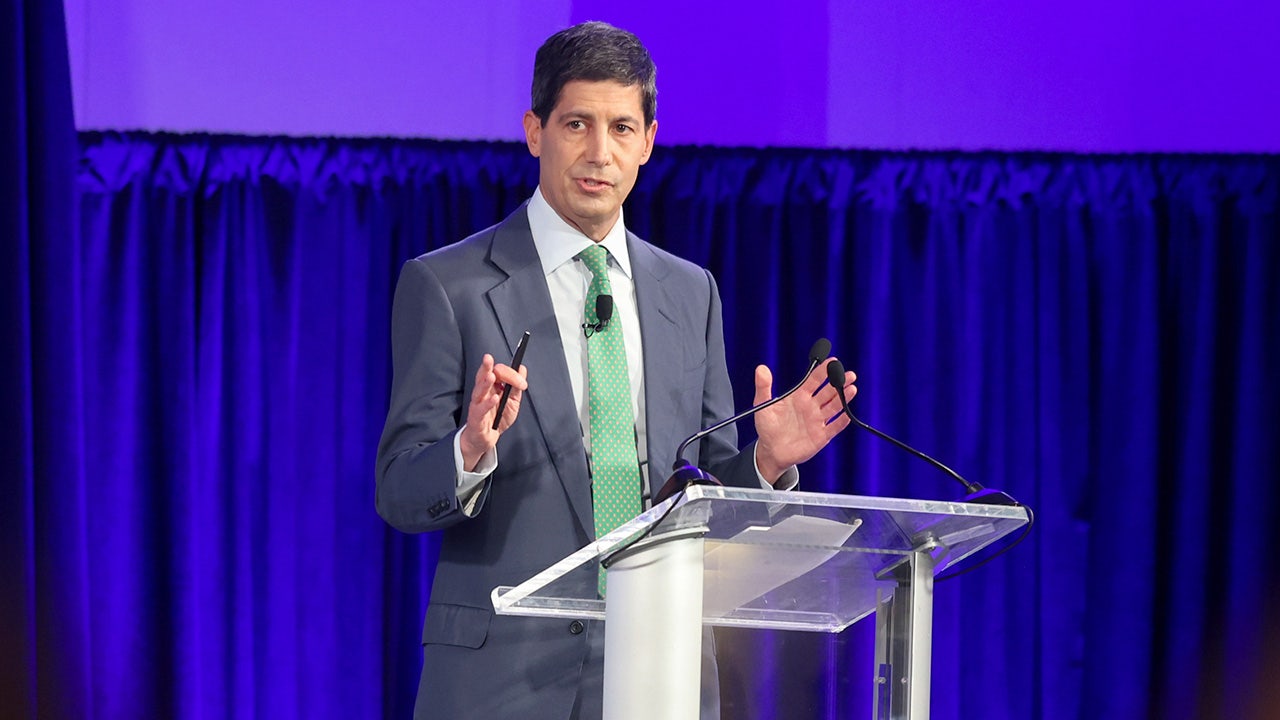
- Recession Risk: Goldman Sachs CEO David Solomon indicated that the risk of an economic downturn could increase depending on the U.S. administration's social media response to the Iran war, although current recession forecasts remain low at about 20%.
- Oil Price Forecast: Solomon noted that oil prices are expected to stay between $80 and $100 per barrel over the next three to six months, but a severe escalation in the conflict could drive prices up to $170 per barrel, significantly impacting the economy.
- Impact of Energy Prices: High energy prices may affect economic data releases later in 2026, highlighting the potential threat of Middle Eastern conflicts on the global economy, especially amid inflationary pressures.
- Market Outlook: Despite the uncertain short-term outlook, Goldman Sachs maintains a bullish long-term perspective, reflecting a strategic mindset focused on identifying opportunities amid uncertainty.
See More
Anthropic Set to Offer European Banks Access to Mythos AI Model Soon, According to Sources

- Anthropic's Plans: Anthropic is set to provide access to its AI model, MythoS, to European banks.
- Focus on Compliance: The initiative aims to ensure that European financial institutions can utilize advanced AI technology while adhering to regulatory standards.
See More

World Insurance Appoints New CEO to Drive Growth
- Leadership Transition: John Newell has been appointed as the new CEO of World Insurance, succeeding founder and long-time CEO Rich Eknoian, who will transition to executive chairman, remaining engaged in strategic growth initiatives to maintain the company's leadership in the insurance brokerage sector.
- Business Scale and Revenue: Under Eknoian's leadership, World Insurance has grown from a startup in 2011 to one of the largest independent brokerages in the U.S., generating over $700 million in annual revenue, demonstrating its attractiveness and capability in the market for acquisitions.
- Strategic Investment and Technology Deployment: In his new role, Newell will continue to invest in top-tier talent, expand vertical expertise, and accelerate enterprise-wide AI enablement to enhance client experience and operational efficiency, further driving the company's organic growth.
- Partner Support: Existing partners Charlesbank Capital Partners and Goldman Sachs Asset Management will continue to support World Insurance's strategic initiatives, including organic growth and acquisitions, ensuring the company's competitive advantage in future market opportunities.
See More
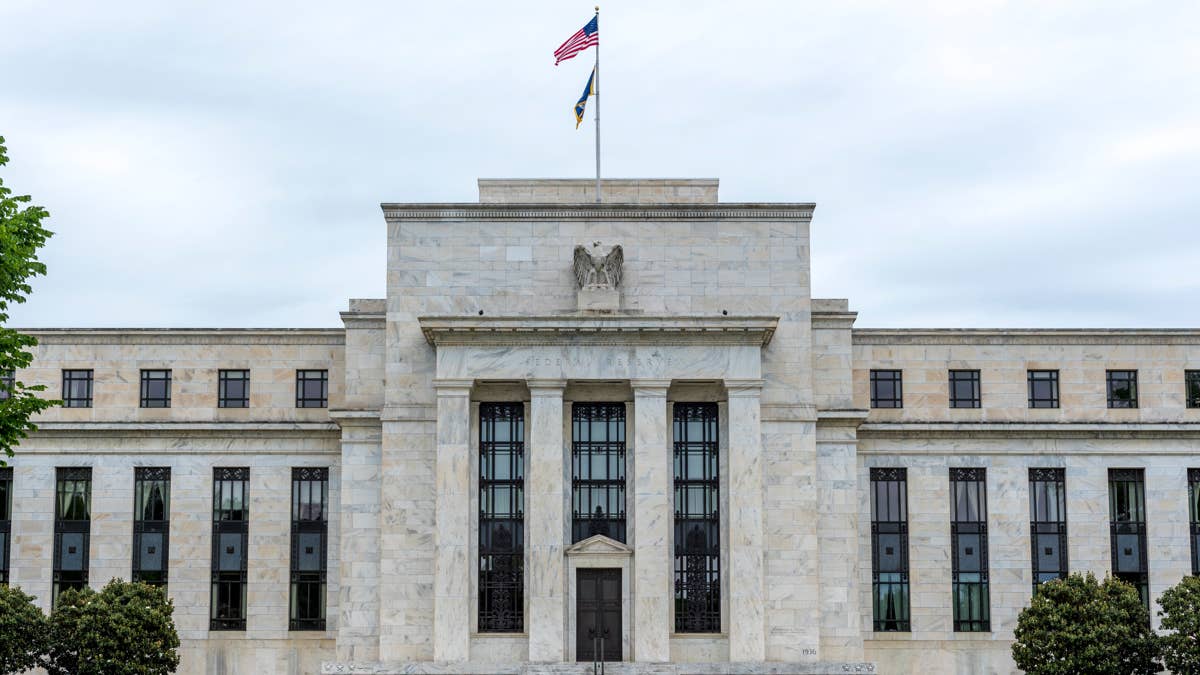
Impact of Iran War Peace Talks on Fed Rate Path
- Inflation Shock Analysis: Goldman Sachs highlights that the energy price surge due to the Iran War has created an inflation shock, raising inflation risks despite slowing economic growth, complicating the Fed's policymaking.
- Rate Cut Forecast Adjustment: Goldman anticipates that if geopolitical tensions ease, the Fed could implement two 25 basis point rate cuts in 2026, contingent on inflation trends tied to energy prices and labor market conditions.
- Market Optimism: As peace talks progress, market optimism regarding a post-war scenario is increasing, with expectations that energy-driven price pressures will ease, potentially allowing for a resumption of monetary policy normalization.
- Fed's Cautious Stance: The Fed has adopted a “wait-and-see” approach in light of oil price spikes and inflation pressures, emphasizing that it will not rush into rate cuts without clear evidence of inflation moving back toward the 2% target.
See More
Current CD Rates Exceed National Averages
- Rate Trends: Following three interest rate cuts by the Federal Reserve in 2025, current CD rates remain above the national average, with the highest rate at 4.05% offered by Marcus by Goldman Sachs, indicating strong demand for locking in high rates.
- Competitive Edge: Compared to the national average CD rate of 1.52%, today's rates are among the highest seen in nearly two decades, reflecting the Fed's strategy to combat inflation by maintaining elevated interest rates, thus attracting more deposits.
- Online Bank Advantage: Online banks typically offer more competitive CD rates due to lower overhead costs, making them the preferred choice for depositors seeking higher yields, which further intensifies market rate competition.
- Selection Strategy: When considering a CD, investors are advised to compare rates from various financial institutions, pay attention to minimum deposit requirements, and review account terms to ensure they secure the best rates and flexibility, especially with options like no-penalty CDs.
See More
Apple CEO Transition Sparks Market Fluctuations
- Market Fluctuations: The market started positively on Tuesday, but by 1:15 p.m. ET, major indexes were down at least 0.5%, indicating cautious investor sentiment despite the small magnitude of moves, reflecting uncertainty about future developments.
- Apple CEO Transition: Tim Cook announced he will hand over the CEO position to John Ternus in September, with Cook having quintupled Apple's market cap since 2011, and the market's nervous reaction underscores concerns about potential strategic shifts.
- Dow Jones Index Impact: The Dow Jones index is affected by high-priced stocks, with Goldman Sachs down 1.5%, dragging on the index, while UnitedHealth surged 8.5% after exceeding analyst expectations, highlighting sector disparities.
- Global Economic Pressures: The ongoing Iranian conflict continues to weigh on the global economy, with market anxiety over the expiring ceasefire, making oil price fluctuations a key indicator for future market sentiment, emphasizing the need for diversification and long-term planning amidst uncertainty.
See More
Goldman Sachs CEO Warns of Economic Downturn Risk
- Recession Risk: Goldman Sachs CEO David Solomon indicated that the risk of an economic downturn could increase depending on the U.S. administration's social media response to the Iran war, although current recession forecasts remain low at about 20%.
- Oil Price Forecast: Solomon noted that oil prices are expected to stay between $80 and $100 per barrel over the next three to six months, but a severe escalation in the conflict could drive prices up to $170 per barrel, significantly impacting the economy.
- Impact of Energy Prices: High energy prices may affect economic data releases later in 2026, highlighting the potential threat of Middle Eastern conflicts on the global economy, especially amid inflationary pressures.
- Market Outlook: Despite the uncertain short-term outlook, Goldman Sachs maintains a bullish long-term perspective, reflecting a strategic mindset focused on identifying opportunities amid uncertainty.
See More
Anthropic Set to Offer European Banks Access to Mythos AI Model Soon, According to Sources
- Anthropic's Plans: Anthropic is set to provide access to its AI model, MythoS, to European banks.
- Focus on Compliance: The initiative aims to ensure that European financial institutions can utilize advanced AI technology while adhering to regulatory standards.
See More
World Insurance Appoints New CEO to Drive Growth
- Leadership Transition: John Newell has been appointed as the new CEO of World Insurance, succeeding founder and long-time CEO Rich Eknoian, who will transition to executive chairman, remaining engaged in strategic growth initiatives to maintain the company's leadership in the insurance brokerage sector.
- Business Scale and Revenue: Under Eknoian's leadership, World Insurance has grown from a startup in 2011 to one of the largest independent brokerages in the U.S., generating over $700 million in annual revenue, demonstrating its attractiveness and capability in the market for acquisitions.
- Strategic Investment and Technology Deployment: In his new role, Newell will continue to invest in top-tier talent, expand vertical expertise, and accelerate enterprise-wide AI enablement to enhance client experience and operational efficiency, further driving the company's organic growth.
- Partner Support: Existing partners Charlesbank Capital Partners and Goldman Sachs Asset Management will continue to support World Insurance's strategic initiatives, including organic growth and acquisitions, ensuring the company's competitive advantage in future market opportunities.
See More
Impact of Iran War Peace Talks on Fed Rate Path
- Inflation Shock Analysis: Goldman Sachs highlights that the energy price surge due to the Iran War has created an inflation shock, raising inflation risks despite slowing economic growth, complicating the Fed's policymaking.
- Rate Cut Forecast Adjustment: Goldman anticipates that if geopolitical tensions ease, the Fed could implement two 25 basis point rate cuts in 2026, contingent on inflation trends tied to energy prices and labor market conditions.
- Market Optimism: As peace talks progress, market optimism regarding a post-war scenario is increasing, with expectations that energy-driven price pressures will ease, potentially allowing for a resumption of monetary policy normalization.
- Fed's Cautious Stance: The Fed has adopted a “wait-and-see” approach in light of oil price spikes and inflation pressures, emphasizing that it will not rush into rate cuts without clear evidence of inflation moving back toward the 2% target.
See More