TSMC Controls 70% Market Share Amid AI Chip Demand Surge
Written by Emily J. Thompson, Senior Investment Analyst
Updated: Jan 11 2026
0mins
Should l Buy TSM?
Source: Fool
- Market Leadership: TSMC is currently the largest chip manufacturer globally, controlling nearly 70% market share, and by diversifying its supply chain, it has strengthened its competitive advantage amid surging AI chip demand.
- Capital Expenditure Outlook: According to Deloitte, global capital expenditures for AI data centers are projected to reach $450 billion by 2026, potentially rising to $1 trillion in just two years, positioning TSMC to benefit significantly and further enhance its revenue trajectory.
- Investment Return Potential: An investment of $50,000 in TSMC stock at the start of the AI revolution would now be worth over four times that amount, demonstrating its extraordinary price appreciation potential and indicating that the company's growth is just beginning.
- Long-Term Investment Value: TSMC's unique position in AI infrastructure buildouts suggests it will continue to benefit from macro demand trends, making it a relatively safe investment choice with the potential to be a multibagger in the coming years.
Trade with 70% Backtested Accuracy
Stop guessing "Should I Buy TSM?" and start using high-conviction signals backed by rigorous historical data.
Sign up today to access powerful investing tools and make smarter, data-driven decisions.
Analyst Views on TSM
Wall Street analysts forecast TSM stock price to fall
8 Analyst Rating
7 Buy
1 Hold
0 Sell
Strong Buy
Current: 340.230

Low
63.24
Averages
313.46
High
390.00
Current: 340.230
Low
63.24
Averages
313.46
High
390.00
About TSM
Taiwan Semiconductor Manufacturing Co Ltd is a Taiwan-based integrated circuit foundry service provider. The Company is primarily engaged in integrated circuit manufacturing services. It offers advanced process technologies, specialised process solutions, advanced photomask and silicon stacking, and packaging-related technologies, while supporting a comprehensive design ecosystem. The Company's products serve diverse electronic sectors including artificial intelligence, high-performance computing, wired and wireless communications, automotive and industrial equipment, personal computing, information applications, consumer electronics, smart internet of things, and wearable devices.
About the author

Emily J. Thompson
Emily J. Thompson, a Chartered Financial Analyst (CFA) with 12 years in investment research, graduated with honors from the Wharton School. Specializing in industrial and technology stocks, she provides in-depth analysis for Intellectia’s earnings and market brief reports.
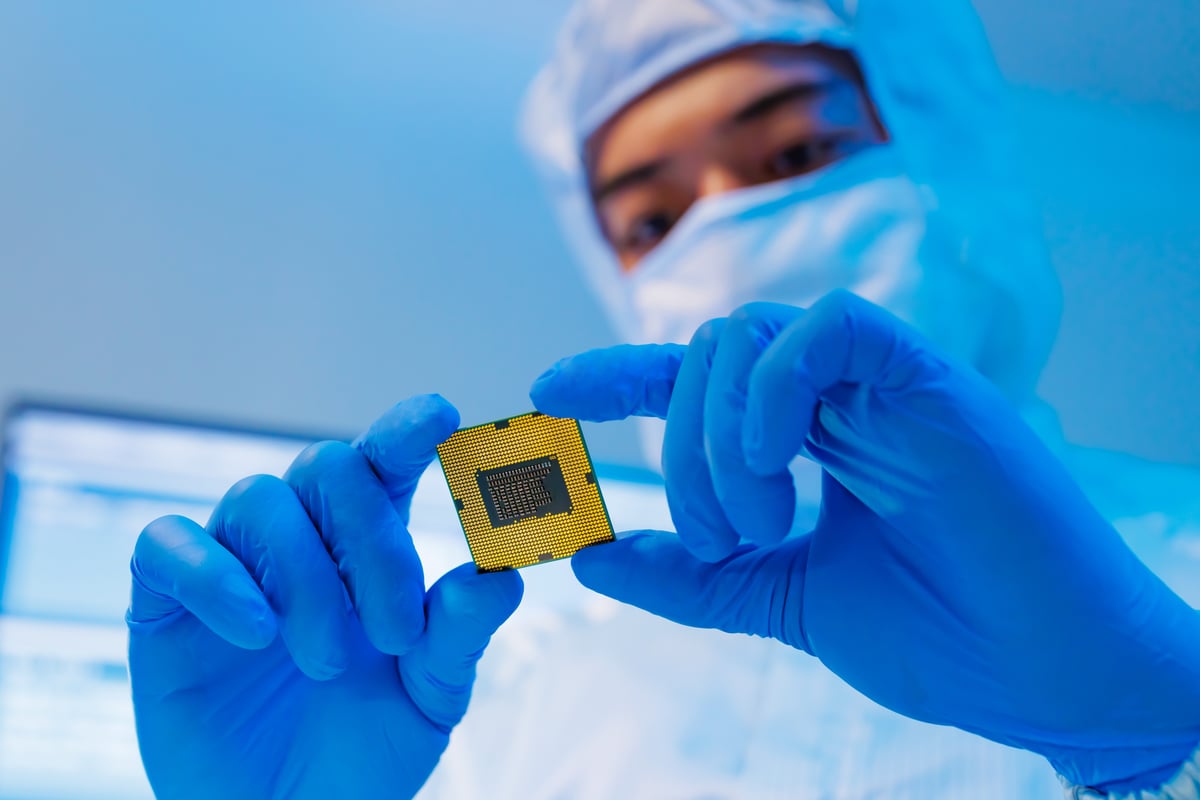
Taiwan Semiconductor: A Clear Winner in AI

- Market Leadership: Taiwan Semiconductor is positioned as a leader in chip manufacturing, becoming a key supplier in the AI industry, with its AI chip revenue expected to grow at nearly a 60% compound annual growth rate from 2024 to 2029, indicating strong market demand and growth potential.
- Investment Opportunity: Although TSMC's price-to-earnings ratio stands at 25 times, making it no longer a bargain, investors can still view this as a fair price given its anticipated growth, especially against the backdrop of rising AI spending.
- Industry Spending Forecast: McKinsey estimates that cumulative spending to build out AI demand will reach $7 trillion by 2030, while Nvidia predicts data center capital expenditures will hit $3 trillion to $4 trillion by 2030, providing TSMC with significant market opportunities.
- Technological Advantage: TSMC is regarded as the most advanced chip manufacturer globally, and its technological edge positions it as a primary chip supplier for companies like Nvidia, AMD, and Broadcom, further solidifying its market position in AI.
See More
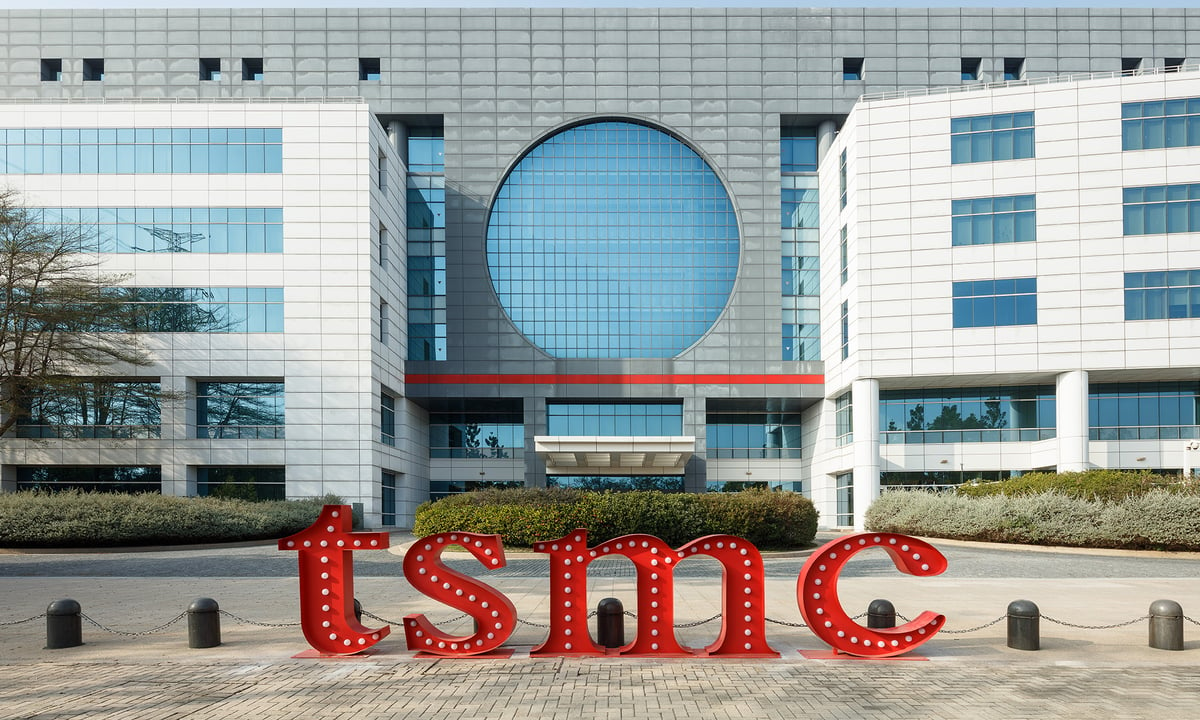
TSMC Set to Benefit from Surge in AI Infrastructure Spending

- Capex Forecast: The five major hyperscalers are projected to spend a staggering $720 billion on capital expenditures in 2026, with Meta, Amazon, and Microsoft forecasting between $115 billion to $135 billion, $200 billion, and $150 billion respectively, indicating a robust commitment to AI infrastructure investment.
- Market Share Advantage: As the world's largest chip manufacturer, TSMC holds a 71% share of the third-party foundry market, establishing itself as the preferred partner for GPU and AI accelerator designers, thereby securing its competitive position in the rapidly expanding AI market.
- Revenue Growth Momentum: With the ongoing AI revolution, TSMC has seen significant increases in revenue, gross profit, and earnings, and its strong pricing power is expected to translate into higher sales and profits from the spending of hyperscalers.
- Valuation Appeal: TSMC's current forward P/E ratio stands at 23.6, slightly above its three-year average, and despite investor concerns about hyperscalers sustaining their capex, TSMC's unique manufacturing role suggests a positive growth outlook moving forward.
See More

Big Tech Doubles Down on AI Infrastructure Investments
- Surge in AI Infrastructure Spending: The big five hyperscalers are projected to spend $720 billion on AI capital expenditures in 2026, a massive investment that will significantly boost the performance of related chip design companies, particularly Nvidia, AMD, and Broadcom.
- Taiwan Semiconductor's Key Role: As the world's largest chip manufacturer, TSMC holds a 71% share of the third-party chip foundry market, increasingly becoming the preferred partner for GPU and ASIC designers in AI infrastructure development.
- Significant Financial Performance: Driven by the AI revolution, TSMC has seen substantial growth in revenue, gross profit, and earnings, coupled with strong pricing power, indicating that it will benefit from the ongoing investments by hyperscalers.
- Valuation Discount and Market Confidence: Despite TSMC's forward P/E ratio of 23.6, slightly above its three-year average, market skepticism about hyperscalers' ability to sustain capital expenditures has led to a valuation discount; however, the long-term growth outlook remains optimistic.
See More

Analysis of SMH ETF's 52-Week Price Range

- Price Range Analysis: The SMH ETF has a 52-week low of $170.11 and a high of $427.94, with the last trade at $397.21, indicating significant volatility over the past year, which investors should consider when strategizing their investments.
- Technical Analysis Tool: Comparing the current share price to the 200-day moving average can provide valuable insights for investors, helping to identify potential buy or sell opportunities and optimize investment decisions.
- ETF Trading Mechanism: ETFs trade similarly to stocks, where investors are buying and selling 'units' that can be created or destroyed based on investor demand, reflecting changes in market interest for the ETF.
- Inflows and Outflows Monitoring: Weekly monitoring of changes in shares outstanding for ETFs highlights notable inflows (new units created) or outflows (old units destroyed), which can impact the underlying holdings of the ETF and subsequently affect individual stock performance.
See More
Micron Surpasses TSMC as New Chip Investment Darling

- Price Performance Comparison: Since 2023, TSMC's stock has risen nearly 400%, while Micron has surged over 700%, indicating Micron's strong performance in the AI race, which may attract more investor interest in its future growth potential.
- Market Demand Discrepancy: Micron's memory chip market is experiencing rapid growth with skyrocketing prices due to supply shortages, creating two separate growth catalysts, while TSMC faces only increasing demand, potentially leading to an imbalance in future growth.
- Valuation Analysis: Although Micron appears more attractive at first glance due to its lower stock price, the cyclical nature of its industry leads the market to price it at a discount, reflecting inherent risks that investors need to carefully assess.
- Investment Strategy Choice: For investors seeking short-term gains, Micron may be the better pick, but they must be prepared for fluctuations in the memory market; conversely, for long-term investors, TSMC's sustainable technological advantage is more appealing.
See More

Micron vs. Taiwan Semiconductor: Market Performance Comparison
- Market Performance Comparison: Since 2023, Micron's stock has surged over 700%, while Taiwan Semiconductor's has increased nearly 400%, indicating Micron's strong performance in the memory chip market, despite both companies focusing on different chip types.
- Demand and Price Fluctuations: The memory chip market is currently experiencing a supply shortage, with skyrocketing prices providing Micron with two growth catalysts, while Taiwan Semiconductor faces increasing demand without significant price hikes, suggesting this growth disparity may persist in the coming years.
- Valuation Analysis: Although Micron appears more attractive at first glance due to its stock price being half that of Taiwan Semiconductor, the cyclical nature of Micron's industry leads to market pricing its stock at a discount, complicating investment decisions.
- Investment Strategy Choices: For investors seeking short-term gains, Micron may be the better pick, but caution is needed regarding market volatility; conversely, for those preferring long-term holds, Taiwan Semiconductor offers a more appealing option due to its sustainable technological advantage.
See More
Taiwan Semiconductor: A Clear Winner in AI
- Market Leadership: Taiwan Semiconductor is positioned as a leader in chip manufacturing, becoming a key supplier in the AI industry, with its AI chip revenue expected to grow at nearly a 60% compound annual growth rate from 2024 to 2029, indicating strong market demand and growth potential.
- Investment Opportunity: Although TSMC's price-to-earnings ratio stands at 25 times, making it no longer a bargain, investors can still view this as a fair price given its anticipated growth, especially against the backdrop of rising AI spending.
- Industry Spending Forecast: McKinsey estimates that cumulative spending to build out AI demand will reach $7 trillion by 2030, while Nvidia predicts data center capital expenditures will hit $3 trillion to $4 trillion by 2030, providing TSMC with significant market opportunities.
- Technological Advantage: TSMC is regarded as the most advanced chip manufacturer globally, and its technological edge positions it as a primary chip supplier for companies like Nvidia, AMD, and Broadcom, further solidifying its market position in AI.
See More
TSMC Set to Benefit from Surge in AI Infrastructure Spending
- Capex Forecast: The five major hyperscalers are projected to spend a staggering $720 billion on capital expenditures in 2026, with Meta, Amazon, and Microsoft forecasting between $115 billion to $135 billion, $200 billion, and $150 billion respectively, indicating a robust commitment to AI infrastructure investment.
- Market Share Advantage: As the world's largest chip manufacturer, TSMC holds a 71% share of the third-party foundry market, establishing itself as the preferred partner for GPU and AI accelerator designers, thereby securing its competitive position in the rapidly expanding AI market.
- Revenue Growth Momentum: With the ongoing AI revolution, TSMC has seen significant increases in revenue, gross profit, and earnings, and its strong pricing power is expected to translate into higher sales and profits from the spending of hyperscalers.
- Valuation Appeal: TSMC's current forward P/E ratio stands at 23.6, slightly above its three-year average, and despite investor concerns about hyperscalers sustaining their capex, TSMC's unique manufacturing role suggests a positive growth outlook moving forward.
See More
Big Tech Doubles Down on AI Infrastructure Investments
- Surge in AI Infrastructure Spending: The big five hyperscalers are projected to spend $720 billion on AI capital expenditures in 2026, a massive investment that will significantly boost the performance of related chip design companies, particularly Nvidia, AMD, and Broadcom.
- Taiwan Semiconductor's Key Role: As the world's largest chip manufacturer, TSMC holds a 71% share of the third-party chip foundry market, increasingly becoming the preferred partner for GPU and ASIC designers in AI infrastructure development.
- Significant Financial Performance: Driven by the AI revolution, TSMC has seen substantial growth in revenue, gross profit, and earnings, coupled with strong pricing power, indicating that it will benefit from the ongoing investments by hyperscalers.
- Valuation Discount and Market Confidence: Despite TSMC's forward P/E ratio of 23.6, slightly above its three-year average, market skepticism about hyperscalers' ability to sustain capital expenditures has led to a valuation discount; however, the long-term growth outlook remains optimistic.
See More
Analysis of SMH ETF's 52-Week Price Range
- Price Range Analysis: The SMH ETF has a 52-week low of $170.11 and a high of $427.94, with the last trade at $397.21, indicating significant volatility over the past year, which investors should consider when strategizing their investments.
- Technical Analysis Tool: Comparing the current share price to the 200-day moving average can provide valuable insights for investors, helping to identify potential buy or sell opportunities and optimize investment decisions.
- ETF Trading Mechanism: ETFs trade similarly to stocks, where investors are buying and selling 'units' that can be created or destroyed based on investor demand, reflecting changes in market interest for the ETF.
- Inflows and Outflows Monitoring: Weekly monitoring of changes in shares outstanding for ETFs highlights notable inflows (new units created) or outflows (old units destroyed), which can impact the underlying holdings of the ETF and subsequently affect individual stock performance.
See More
Micron Surpasses TSMC as New Chip Investment Darling
- Price Performance Comparison: Since 2023, TSMC's stock has risen nearly 400%, while Micron has surged over 700%, indicating Micron's strong performance in the AI race, which may attract more investor interest in its future growth potential.
- Market Demand Discrepancy: Micron's memory chip market is experiencing rapid growth with skyrocketing prices due to supply shortages, creating two separate growth catalysts, while TSMC faces only increasing demand, potentially leading to an imbalance in future growth.
- Valuation Analysis: Although Micron appears more attractive at first glance due to its lower stock price, the cyclical nature of its industry leads the market to price it at a discount, reflecting inherent risks that investors need to carefully assess.
- Investment Strategy Choice: For investors seeking short-term gains, Micron may be the better pick, but they must be prepared for fluctuations in the memory market; conversely, for long-term investors, TSMC's sustainable technological advantage is more appealing.
See More
Micron vs. Taiwan Semiconductor: Market Performance Comparison
- Market Performance Comparison: Since 2023, Micron's stock has surged over 700%, while Taiwan Semiconductor's has increased nearly 400%, indicating Micron's strong performance in the memory chip market, despite both companies focusing on different chip types.
- Demand and Price Fluctuations: The memory chip market is currently experiencing a supply shortage, with skyrocketing prices providing Micron with two growth catalysts, while Taiwan Semiconductor faces increasing demand without significant price hikes, suggesting this growth disparity may persist in the coming years.
- Valuation Analysis: Although Micron appears more attractive at first glance due to its stock price being half that of Taiwan Semiconductor, the cyclical nature of Micron's industry leads to market pricing its stock at a discount, complicating investment decisions.
- Investment Strategy Choices: For investors seeking short-term gains, Micron may be the better pick, but caution is needed regarding market volatility; conversely, for those preferring long-term holds, Taiwan Semiconductor offers a more appealing option due to its sustainable technological advantage.
See More